
Insurance For Event Rigging, Truss, Lighting & Stage Production Work
When your work happens above a stage, inside a venue, on a lift, around a lighting grid, or under a production deadline, a generic business policy can miss the details. Kelly Insurance Group helps staging, rigging, stagecraft, lighting, sound, A/V, and entertainment production businesses review coverage, contracts, equipment, crew exposure, and certificate requirements before the job starts.
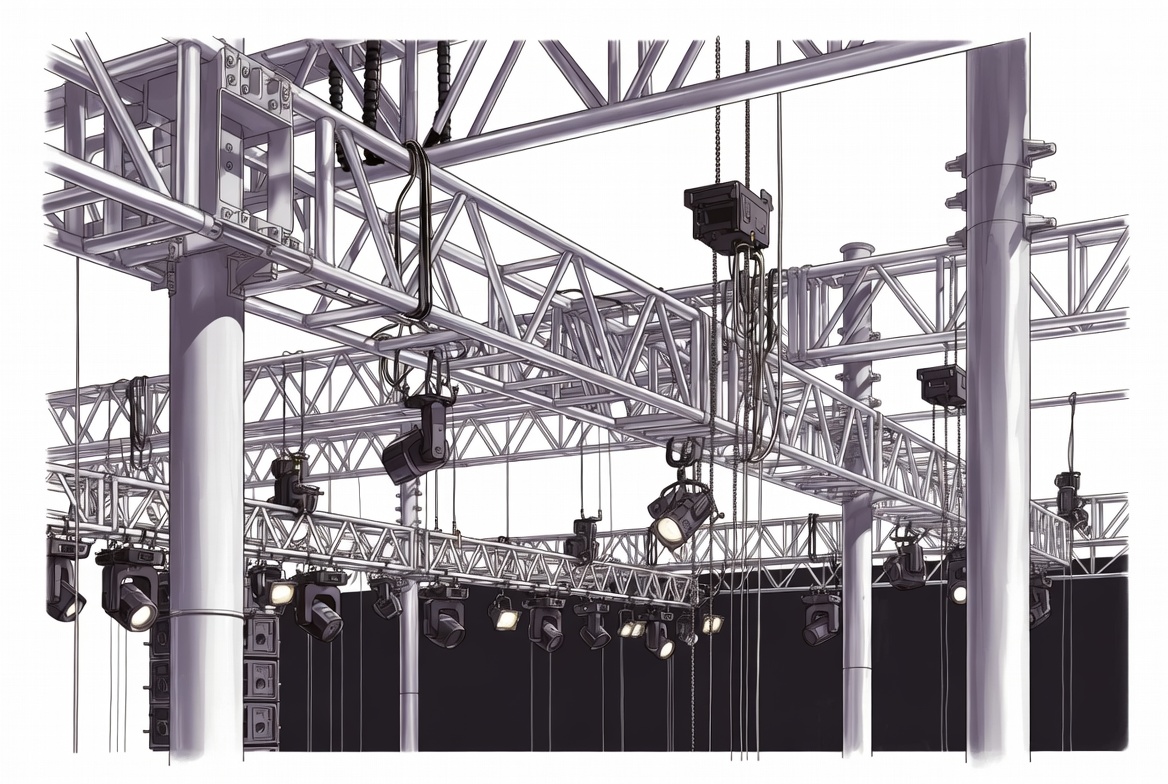
Stage & Truss Work
Stage builders, truss installers, overhead rigging crews, motor and hoist operations, stagehands, and contractors handling entertainment structures.
Lighting, Sound & A/V
Lighting designers, lighting array installers, sound engineers, audio engineers, A/V production crews, equipment handlers, and control-room support.
Production Infrastructure
Mobile stages, LED walls, production design, temporary installations, venue setup, art installation, scaffolding, and event buildout operations.
Venue Requirements
Additional insured wording, waiver of subrogation, primary and non-contributory language, umbrella limits, rented equipment, and certificate deadlines.
Use The Load Path Board To Match The Work To The Insurance Questions
Pick the operation that sounds closest. The board does not replace a policy review, but it helps organize the exact details most likely to matter when a carrier, venue, municipality, promoter, school, production company, or equipment owner asks for proof of insurance.
Overhead gear changes the conversation fast.
Motor points, chain hoists, flown speakers, lighting fixtures, truss spans, and venue rigging requirements can raise liability, property of others, equipment, subcontractor, and certificate questions.
Who owns the gear, who installs it, who signs off, and whose contract controls the insurance wording?
Venue agreement, scope of work, equipment schedule, crew structure, subcontractor details, and any certificate instructions.
Staging & Rigging Insurance Is Usually A Stack, Not One Line Item
A clean insurance review starts by separating bodily injury, property damage, equipment, property of others, design services, crew, auto, and contract wording. Actual coverage depends on policy forms, endorsements, exclusions, underwriting, and claim facts.
Commercial General Liability
Third-party bodily injury and property damage allegations tied to setup, strike, venue work, client sites, and event operations.
Equipment, Inland Marine & Rented Gear
Owned gear, rented gear, borrowed equipment, production equipment, lighting, motors, cable, tools, and property moving between venues.
Rigger's Liability / Care, Custody & Control Review
When your crew lifts, moves, installs, hangs, stores, controls, or works on property that belongs to someone else, policy wording needs careful attention.
Installation Floater Discussion
Temporary or permanent installation work can involve materials, components, client property, staging pieces, AV gear, and unfinished installation exposure.
Commercial Auto / Hired & Non-Owned Auto
Box trucks, rented trucks, personal vehicles, trailers, delivery runs, load-in, strike, errands, and crew transportation should be reviewed.
Workers Compensation & Employer Exposure
Employees, stagehands, warehouse crew, subcontractors, 1099 workers, and payroll classification can change how the account is submitted.
Professional Liability / E&O Review
Production design, stage layout consulting, engineering input, lighting configuration, technical direction, and design recommendations may require separate review.
Umbrella & Excess Liability
Venues, municipalities, corporate clients, schools, universities, promoters, and larger productions may ask for limits above the underlying policy.
Certificate Wording Can Be The Part That Slows The Job Down
Venue agreements, promoter contracts, city permits, school district requirements, rental house agreements, and production contracts often ask for more than a basic certificate of insurance. Send the requirement before the deadline so the wording can be reviewed against the actual policy.
Review Certificate HelpAdditional Insured
Often requested by venues, landlords, municipalities, production companies, schools, promoters, general contractors, and project owners.
Waiver Of Subrogation
Contract wording may ask the insurance carrier to waive recovery rights against another party when allowed by the policy.
Primary & Non-Contributory
Some contracts want your policy to respond first and not seek contribution from the other party's insurance.
Umbrella / Excess Limits
Larger venues, municipalities, corporate clients, festivals, or touring projects may require higher liability limits.
Property Of Others
Rented, borrowed, client-owned, venue-owned, subcontractor-owned, or production-owned gear can require special review.
Completed Operations
Some contracts ask for protection connected to work after setup, installation, or completion. The endorsement wording controls.
Not Every Stage Production Risk Belongs In The Same Box
These are the common operations that need plain-English detail before an underwriter can understand the account.
Lighting Configuration & Array Installation
Lighting design, fixture placement, cabling, lift work, rigging points, temporary installs, client property, and venue requirements should be separated in the submission.
Scaffolding, Lifts & Elevated Work
Temporary platforms, lift use, scaffold work, height exposure, load-in access, strike conditions, and subcontracted labor can change the review.
Audience Response & Production Technology
Audience response systems, live show technology, interactive production elements, control systems, and broadcast or recorded production support should be described.
Audio, Mixing Board & Doghouse Operations
Sound engineers, audio engineers, control positions, recording support, live mixing, and subcontracted technical labor can fit differently than stage construction.
LED Wall Buildouts
LED wall work can involve rented gear, truss systems, power, staging, temporary construction, transportation, installation, and client certificate requirements.
Truss Installers & Riggers
Truss spans, motors, hoists, pick points, flown equipment, third-party property, venue signoff, and contracted scope should be documented.
Stageline & Stage Trailer Operators
Mobile stage trailers, stage trucks, hydraulic stage systems, towed equipment, setup, storage, transportation, and outdoor event requirements need a focused review.
Art, Scenic & Specialty Installations
Temporary art installs, scenic pieces, sculptures, props, exhibition elements, and property owned by others can raise care, custody, control, and installation questions.
Production Design & Technical Direction
Design choices, layout recommendations, stage plans, lighting plots, technical direction, and consulting services may require professional liability review.
Build A Cleaner Staging & Rigging Insurance Submission
Check what you have available. The list below helps turn a vague request into something an insurance underwriter can actually evaluate.
Start by checking the items you have. Kelly Insurance Group can still help if the file is incomplete, but more detail usually creates a cleaner review.
Choose The Right KIG Route For The Exact Work
Event-based staging, rigging, truss, lighting, and production infrastructure often overlaps with A/V, mobile stage, contractor rigging, LED wall, and event production work. Pick the closest route below when the job has a more specific fit.
Find The Closest Kelly Insurance Group Route
Staging & Rigging Insurance FAQ
What is staging and rigging insurance?
Staging and rigging insurance is a commercial insurance review for businesses involved in event staging, truss work, lighting systems, overhead rigging, sound production, stagecraft, mobile stages, temporary installations, and related entertainment production work. The program may involve liability, equipment, property of others, auto, workers compensation, professional liability, and umbrella coverage depending on the operation.
Is staging and rigging insurance the same as general liability?
No. General liability may be one part of the program, but staging and rigging work can also involve rented equipment, owned gear, property of others, care/custody/control concerns, installation work, crew exposure, auto, contract wording, and higher-limit requirements.
Do sound engineers and lighting engineers fit this page?
Sometimes. Sound engineers, audio engineers, lighting designers, A/V technicians, and production crews may fit under staging, rigging, A/V, event production, or professional liability depending on the exact work performed. Send the scope of work and contract requirements so the account can be routed correctly.
What is property of others in a staging or rigging account?
Property of others can include venue property, rented gear, client-owned equipment, production company equipment, subcontractor property, borrowed gear, scenic pieces, LED wall components, lighting fixtures, truss, motors, speakers, or other items your business handles, moves, installs, controls, or stores.
Can Kelly Insurance Group help with venue certificate wording?
Yes. Send the venue agreement, certificate instructions, additional insured wording, waiver language, primary and non-contributory request, umbrella limit request, and any special endorsement requirements. The policy wording still controls what can be shown or endorsed.
What should I send for a staging and rigging insurance review?
Send your operation description, current policy if available, contracts, certificate requirements, equipment schedule, details on owned/rented/borrowed gear, crew and subcontractor information, vehicle or trailer use, venues, upcoming jobs, and loss history.
Send Kelly Insurance Group The Contract, COI Request, Equipment Schedule, Or Scope Of Work
Use the quick contact form below or start from the intake form list. For the cleanest review, include what you do, where you work, who owns the gear, who signs off on the work, and what the contract requires.
Do Not Wait Until Load-In To Find Out The Certificate Is Wrong.
Send the venue agreement, production contract, rental house requirement, or certificate instructions before the deadline. Kelly Insurance Group can help sort the coverage conversation and point you to the right KIG route.