Runway Show & Fashion Event Insurance
A runway show is a controlled chaos with a budget. Tens of thousands of dollars in samples come in from a CMT factory on a Tuesday; a venue is built, dressed, lit, and rehearsed by Friday; 200 to 800 press, buyers, and clients walk in for thirteen to nineteen minutes of programming; and by midnight Saturday the rigging is struck and the looks are crated for the next city. Every minute of that schedule has insurable exposures that don't exist in the brand's ordinary operating policy.
The brokerage places special-event coverage built specifically for fashion productions: runway shows during New York Fashion Week, London, Milan, Paris and the Asian fashion week calendar; brand activations and capsule launches; trunk shows; press previews; pop-up runway events at retailer locations; charity gala runway segments; and the entire ecosystem of related fashion events including trade shows, market weeks, and bridal salons. Coverage works whether the show happens at Spring Studios, in a private gallery, on an outdoor pier, or as part of a hotel takeover — the form gets built around the event, not the building.
The Gap Between Brand Coverage And Event Coverage
A fashion brand's ordinary commercial general liability policy is written against the brand's ordinary operating footprint — the office, the showroom, the design studio, sometimes a flagship store. It is not written against a production. The show happens at someone else's venue, with constructed temporary structures, audience seating, a music program licensed by four separate performing rights organizations, models on a rented catwalk, lighting and audio rigged by independent contractors, and a deliverable that has to occur within a sixty-minute call window or it doesn't happen at all. The CGL doesn't follow the brand into that environment cleanly.
This is why fashion events run on a separate event-specific policy. Special-event GL written through specialty event markets (Lloyd's syndicates, K&K, Philadelphia, Nationwide E&S, USLI, Berkley Asset Protection on the larger placements) is designed to be issued for a defined date range, scaled to the specific attendance, structured around the named venue, and endorsed to add the venue, the venue owner, the management agent, the lighting rental, the audio company, the production firm, the talent agency, and frequently the parent corporation as additional insureds — all routine ask on a fashion-event certificate request.
A fashion event is a production for one day, not a business operating every day. The coverage form has to match the operating model.Below is the operator's view of how this gets built: the event types we place, the production zones inside a show that each carry their own exposure profile, a minute-by-minute show-day timeline mapping where insurable events occur, the music licensing reality, the venue indemnity matrix, and the documentation a clean event submission contains.
What "Fashion Event" Actually Means On An Insurance Form
"Fashion event" is shorthand for at least nine distinct production formats, each rated slightly differently. The cards below describe what each one is and the coverage form mix that typically attaches.
Runway Show · Brand-Owned
Brand stages its own collection presentation. Sample inventory backstage, models in fittings, audience seated, lighting and music programmed. Most expensive and most regulated of the formats.
Trunk Show · Retail Activation
Designer takes collection to a retailer location for client appointments. Goods on memo or bailment; retailer venue typically requires brand as additional insured for the visit.
Press Preview · Showroom
Editors and stylists invited to a private viewing. Press credentialing, sample pulls, sign-out procedures all matter. Lower attendance than a runway but higher per-piece value at risk.
Brand Activation · Pop-Up Event
One-off experiential event tied to a launch, partnership, or seasonal campaign. Frequently outdoors or in unconventional venues. Crowd management, weather, and temporary structures dominate.
Fashion Week Calendar Show
Official-calendar show during NYFW, LFW, MFW, PFW, or Asian fashion week schedule. Higher media attention, more aggressive vendor agreements, and frequently parent-brand or fashion-council additional-insured requirements.
Bridal Salon & Couture Showing
Private couture / bridal collection showing for invited clients. High per-piece value (a single gown can exceed $40,000 at retail), low headcount, intensive sample handling.
Trade Show Booth · Market Week
Wholesale buyer-facing booth at JCK, MAGIC, Coterie, NY NOW, Project. Inventory on display, booth-build vendor, and live demonstrations all add coverage requirements.
Charity Gala · Fashion Segment
Charity event with a fashion-show segment — Met Gala-style auctions, hospital-charity galas, runway-for-good. Multi-party indemnity and waiver requirements layer on top of standard event coverage.
Outdoor / Unconventional Venue
Pier, rooftop, garden, stadium, public street, beach. Weather contingency, permits with the city / parks department, and crowd management all peak here.
Where The Show Lives, Operationally
A runway show is built from eight discrete operating zones — each with its own people, equipment, hazards, and form attachment. Underwriters look at each one separately; so does the operations team that has to actually deliver the event.
Front Of House
Audience seating, check-in, press credentialing, security, ushers, and any photo wall or step-and-repeat. Crowd density peaks at door open. NFPA assembly occupancy rules engage here.
Backstage / Quick-Change
Dressers, hair, makeup, model fittings, sample storage racks, look boards, dresser sheets. High concentration of high-value goods and frequent in-and-out traffic of crew.
Catwalk & Stage
Built runway surface, walls, scenic elements, end-of-runway photographer pit. Surface integrity, edge marking, and walkability under stage lighting all matter to model injury risk.
Lighting & Rigging
Overhead truss, motors, fixtures, dimmer racks, distro, control desk. Rigging crew works at height during load-in and load-out. ETCP-certified riggers required by many venues.
Audio & Music Program
PA system, DJ booth, monitor wedges, intercom, comms. Music licensing across 4 PROs sits here; sync licensing if any music is composed or remixed specifically for the show.
Talent & Models
Models, presenters, host, performers. Model agency contracts govern minor work permits, hours, and rates. Workers' compensation scope is jurisdiction-dependent.
Press & Media Pit
Photographer riser at the end of runway, video crew positions, livestream operators. Equipment care-custody-control, defamation in editorial coverage, and image-release management all live here.
F&B / Hospitality
Champagne service, gift bags, catering. If alcohol is served, liquor liability becomes its own coverage. State server-training and licensing rules apply at the venue level.
ETCP (Entertainment Technician Certification Program) is the industry's certifying body for entertainment riggers and electricians. Many union venues (IATSE houses) and major fashion-week venues require ETCP-certified personnel for all overhead rigging work. The certification is widely referenced in event-production insurance underwriting as a baseline for risk acceptance.
Eight Stages, Eight Distinct Coverage Triggers
Show day runs on a published call sheet, and every block on the call sheet has its own insurable risk. The timeline below walks through a typical New York Fashion Week show day from load-in to load-out, identifying where each form is active.
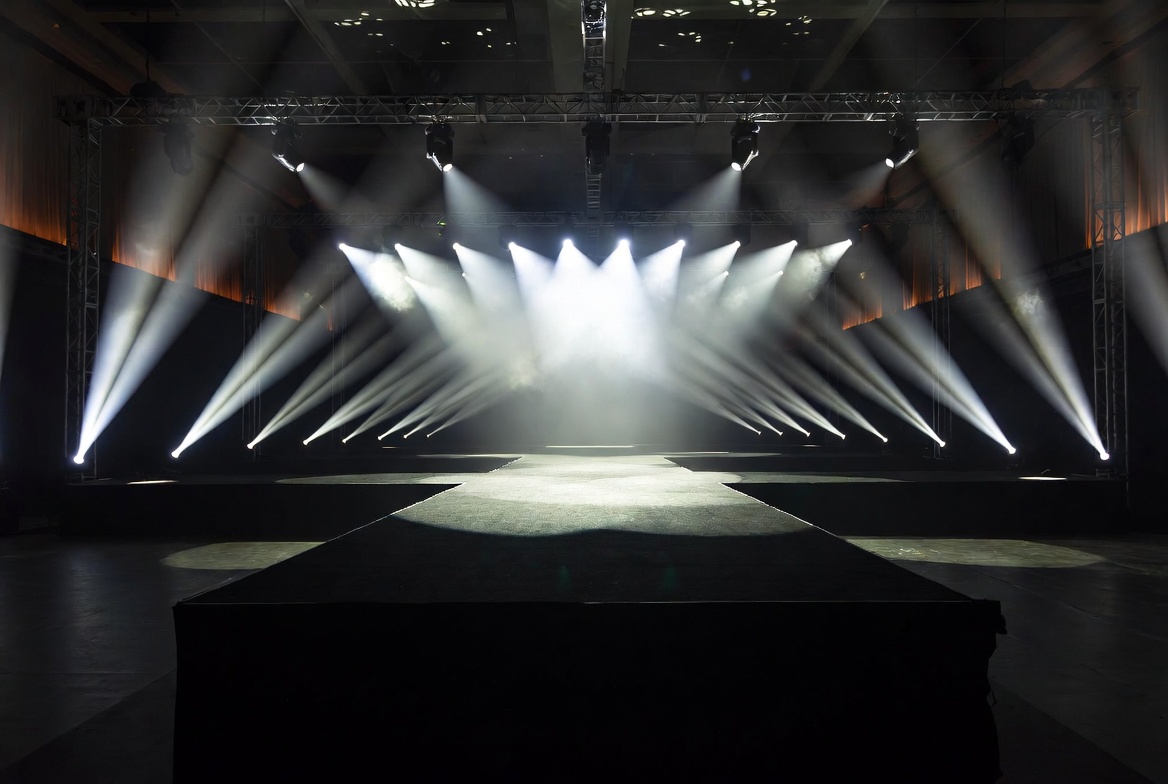
Truck Arrival / Load-In Begins
Trucks at dock. Sample crates open. Rigging crew at height begins truss assembly. OSHA general industry rules engage; venue requires hard-hat zone.
Inland Marine · Workers' CompLighting Focus / Audio Soundcheck
Lighting director and gaffer focus fixtures. Audio engineer checks PA and DJ feed. Music cue sheet finalized — all four PRO licenses confirmed.
Equipment CCC · PRO LicensingModels Call · Hair & Makeup
Models arrive, sign in at production desk. Hair and makeup begins. Backstage population peaks. Sample racks fully loaded.
Workers' Comp · Sample FloaterTech Rehearsal / Run-Through
Models walk in full looks. Lighting cues run. Quick-change pattern tested. Any structural concerns about catwalk must be addressed now.
Production · OSHADoors Open · Front Of House Activates
Audience arrives. Check-in. Step-and-repeat photography. Front-of-house staff at full count. Crowd-manager presence required per NFPA 101.
CGL · Crowd ManagementShow Call
Lights down, music up. Models walk. The thirteen-to-nineteen-minute window during which all of the show's planning becomes either successful execution or an insurance event.
All Forms ActiveShow End · Press Quotes / After-Party
Models off-stage. Designer takes bow. Press shoots backstage. If after-party hosted on site, hospitality and liquor exposure now active.
Liquor Liability · PremisesLoad-Out Complete
Rigging struck. Samples re-crated. Venue handed back per contract condition. Audit of all returned looks against pre-show inventory.
Inland Marine · Workers' CompFour Performing Rights Organizations, Four Separate Licenses
A runway show's music program is one of the most common gaps in event compliance. Under 17 USC § 106(4), copyright owners have the exclusive right to publicly perform their works; using music without a license from each relevant performing rights organization is a §501 infringement, subject to statutory damages under §504(c). Each PRO covers different works.
Statutory damages under 17 USC § 504(c) for non-willful infringement run from $750 to $30,000 per work infringed, with willful infringement raising the ceiling to $150,000 per work. A runway show with twelve unlicensed tracks therefore carries a theoretical maximum statutory exposure well into seven figures before defense costs. PROs actively monitor major fashion events; this is a real enforcement environment, not a theoretical one.
Choose Your Production Variables · See The Coverage Stack
Select the variables that describe your event. The compiler returns the standard coverage stack a Kelly Insurance Group broker would build around those answers. Educational only — final coverage is determined by submission detail and carrier appetite.
Risk Stack Compiler
What The Venue Wants On The Certificate
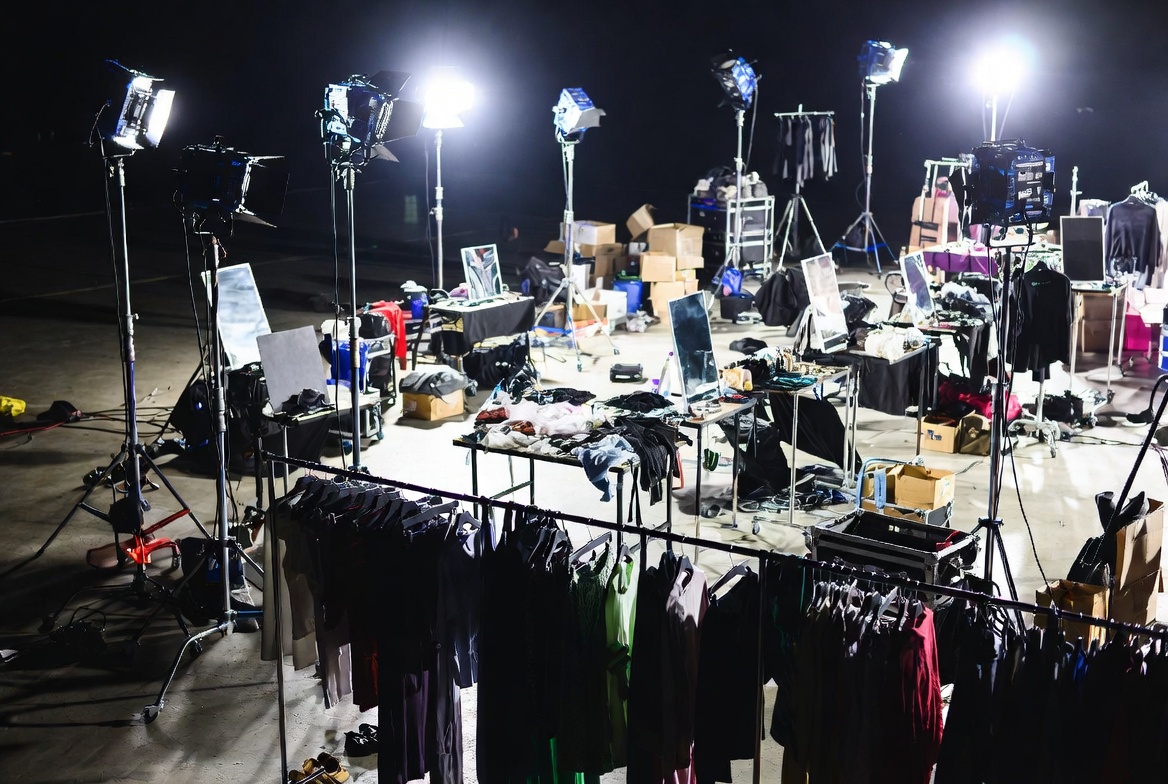
The single most-requested document from a fashion event venue is the certificate of insurance. The venue contract dictates what limits are required, which parties have to be added as additional insureds, what waivers of subrogation apply, and what language has to appear on the certificate itself.
The matrix to the right represents the typical venue ask for a fashion event certificate. The limits vary, but the structural pattern repeats almost universally. Carriers familiar with fashion-event placements can issue these endorsements quickly once the certificate request is received.
"Primary and non-contributory" (P&NC) means the named additional insured's coverage applies first and the underlying insurance is exhausted before the AI's own coverage is triggered. "Waiver of subrogation" prevents the policy from being subrogated against the additional insured to recover any payment. Both are standard requirements in venue contracts for high-attendance events.
Pages That Sit Alongside A Fashion Event Placement
A fashion event placement rarely stands alone. The pages below describe the related coverage that frequently runs in parallel.
Event & Production Cluster
Fashion Industry Cluster
Supporting Coverage Lines
Runway Show & Fashion Event Insurance FAQ
How far in advance should we apply for event coverage?
What does "additional insured" mean on an event certificate?
Does our regular brand CGL cover the show?
What music licenses do we need for a runway show?
17 USC § 504(c) range from $750 to $30,000 per work, with willful infringement raising the ceiling to $150,000 per work. If the show will be recorded or livestreamed, a separate sync license is required from the relevant copyright holder for each piece of music in the recording — the PRO public-performance license does not cover synchronization.What is "event cancellation" coverage and how does it work?
Are the models on the show our employees for workers' compensation purposes?
What about minor models — is special permission required?
How does the NFPA Life Safety Code apply to our show?
What if a model is injured during the show?
Does liquor liability come into play if we serve champagne?
Can the carrier issue the certificate the same day we ask?
What if our event has been declined or non-renewed by another carrier?
Start The Event Submission
Use the intake portal to begin the submission, or schedule a discovery call to walk through the venue contract, the production zones, and the music program before any paperwork moves. Clean event placements typically bind within 24 to 72 hours; complex placements within 7 business days.