Fashion Showroom Insurance
Insurance review for wholesale fashion showrooms, multi-line sales agencies, brand showrooms, apparel display spaces, buyer appointment rooms, sample rooms, temporary market-week showrooms, and hybrid wholesale-direct fashion operations.
A fashion showroom is not a simple office, boutique, warehouse, or event space. It may hold samples and garments owned by multiple brands, host buyers by appointment, operate during market weeks, handle pull requests for stylists or photoshoots, display apparel and accessories, use B2B order platforms, store client property, and carry lease or brand contract requirements that standard business insurance may not address clearly.
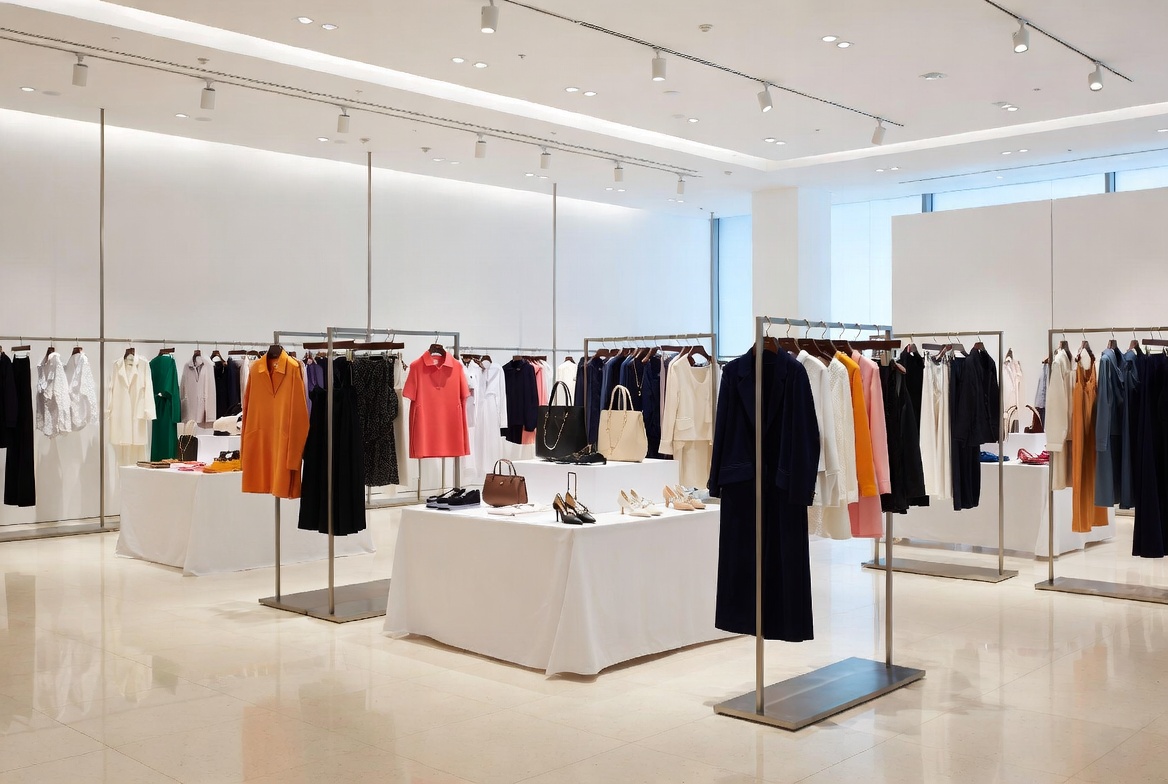
Click a showroom zone. See the coverage issue hiding inside it.
A showroom insurance review works better when the space is broken into zones. The sample rail, buyer table, back stock, digital order station, event area, and delivery point can each create a different coverage problem.
Apparel samples, accessories, garments, prototypes, and seasonal collections may belong to represented brands, designers, wholesalers, or private-label partners. The policy should distinguish owned business personal property from goods of others in the showroom’s care, custody, or control.
A showroom can be appointment space, sales agency, sample room, and inventory custody risk at the same time.
A fashion showroom may represent multiple apparel brands, schedule buyer appointments, hold samples during market week, coordinate pull requests, ship garments between studios, support wholesale ordering, host press previews, or occasionally operate a retail-style sample sale. Each of those activities changes the insurance file.
The review should separate owned contents from client goods, premises liability from event exposure, employee payroll from temporary staff, B2B platform exposure from ordinary office cyber, and ordinary property coverage from sample, transit, and custody exposures.
Showroom details carriers may want to understand
- Showroom model: multi-line, brand-owned, sales agency, pop-up, digital showroom, or hybrid wholesale-direct operation
- Average and peak value of samples, garments, accessories, and goods owned by others
- Brand representation agreements, consignment terms, pull forms, borrowed goods, and sample movement procedures
- Buyer appointments, visitor traffic, showroom events, market-week traffic, and sample sale exposure
- Lease requirements, certificate wording, additional insured requirements, and landlord insurance provisions
- Security controls, alarms, cameras, access controls, storage areas, garment racks, stock rooms, and transit procedures
- B2B sales platforms, buyer records, payment handling, social engineering risk, and digital order workflows
Coverage categories to review for fashion showrooms
Fashion showroom insurance should be built around how the room operates, whose property is present, who visits the space, what contracts require, and how inventory moves in and out of the showroom.
Bailee / Customers’ Goods
Reviews apparel, samples, garments, accessories, borrowed pieces, and brand-owned goods in the showroom’s care, custody, or control, including theft, water damage, fire, and movement between locations where available.
Sample garment insuranceCommercial Property
Reviews the showroom’s owned fixtures, furniture, racks, computers, tablets, point-of-sale hardware, owned inventory, tenant improvements, signage, office contents, and business income exposure.
Commercial property insuranceGeneral Liability
Reviews buyer appointments, visitor injuries, showroom premises, sample sale days, vendor access, landlord requirements, lease obligations, and additional insured wording.
General liability insuranceBusiness Income / Extra Expense
A covered loss during market week or a major buying period can disrupt appointments, order flow, commission income, sample storage, and the ability to operate from the showroom.
Review business income exposureCyber, Crime & Social Engineering
Reviews buyer records, wholesale platforms, payment instructions, wire fraud, email compromise, digital line sheets, account access, and vendor or brand payment workflows.
Cyber liability insuranceWorkers’ Compensation & EPLI
Reviews showroom staff, stylists, temporary market-week assistants, sample handlers, administrative staff, classification questions, and employment-related allegations.
Workers’ compensationWhere showroom insurance usually gets tested
Brands ship collections, accessories, samples, and look pieces before buyer appointments begin.
Premises liability, appointment traffic, showroom access, and display safety become live issues.
Digital platforms, buyer records, payment instructions, commission tracking, and cyber exposure increase.
Pull requests, stylist loans, photo shoots, messenger deliveries, and sample transfers need documentation.
Missing samples, damaged goods, brand disputes, and loss reporting often surface after market week closes.
Fashion showroom accounts where details matter
Information to prepare before a showroom insurance review
- Legal entity name, showroom address, square footage, lease requirements, landlord COI wording, and occupancy details
- Showroom model, number of represented brands, showroom agreements, sales agency agreements, and commission structure
- Average and peak values of samples, garments, accessories, owned contents, goods of others, and stockroom values
- Security controls, alarm type, cameras, locks, access control, building security, storage procedures, and after-hours access
- Buyer appointment schedule, market-week calendar, sample sale activity, events, alcohol service if any, and public access
- Pull-form process, stylist loans, messenger services, shipping, transit exposure, photo shoots, and off-premises sample movement
- Payroll, temporary staff, independent contractors, market-week assistants, stylists, and employee classification details
- Current policies, loss runs, prior sample losses, theft, water damage, inventory disputes, non-renewals, or restrictions
The showroom submission needs to explain ownership, custody, movement, and peak value.
The weak showroom submission says “retail apparel” or “office space” and leaves the actual operation unexplained. The stronger file explains what goods are owned, what goods belong to represented brands, what happens during market week, how samples move, how visitors access the space, what contracts require, and how loss values are documented.
Kelly Insurance Group helps organize the showroom file so the policy can match the business. That matters for property, bailee coverage, general liability, business income, cyber, crime, workers’ compensation, umbrella, and any contract requirements from landlords, brands, retailers, or event partners.
How to make the showroom account easier to underwrite
Identify owned contents, brand-owned samples, borrowed pieces, consigned goods, and client property.
Document normal values and market-week values so the limit is not built on a quiet-week inventory snapshot.
Explain pull forms, stylist loans, shipping, transit, messenger services, and off-premises sample handling.
Review landlord, brand, retailer, event, and platform requirements before certificates are requested.
Use the right page for the actual fashion operation
Fashion showroom insurance often connects to fashion house coverage, apparel manufacturing, garment district businesses, sample garments, inventory coverage, events, stylists, pop-up shops, trade show vendors, and cyber or general liability.
Find related fashion, inventory, event, cyber, and liability pages
Fashion Showroom Insurance Questions
What insurance should a fashion showroom review?
A fashion showroom may need general liability, commercial property, bailee or customers’ goods coverage, business income, crime, cyber liability, workers’ compensation, employment practices liability, inland marine, commercial auto where applicable, and umbrella or excess liability depending on the operation.
Why is bailee or customers’ goods coverage important for showrooms?
Many showrooms hold samples, apparel, accessories, and garments that belong to represented brands or other parties. Standard property coverage may focus on owned business property. Bailee or customers’ goods coverage should be reviewed when the showroom is responsible for property it does not own.
Does market week change the insurance review?
Yes. Market week can increase sample values, foot traffic, temporary staffing, events, buyer appointments, sample movement, theft exposure, and business income exposure. The policy should be reviewed around peak values, not just normal quiet-week values.
Are stylist pulls and borrowed garments covered?
They need to be reviewed carefully. Coverage may depend on the policy wording, pull documentation, where the garment is located, who has custody, transit details, value documentation, and whether the stylist or production partner carries their own coverage.
What information helps quote fashion showroom insurance?
Helpful information includes the showroom address, lease requirements, brand roster, owned property values, goods-of-others values, peak market-week values, security controls, pull-form process, buyer traffic, events, payroll, B2B platform use, current policies, and prior losses.
Send the showroom file before a sample loss, lease requirement, or market-week rush exposes the gap.
Tell us how the showroom operates, what brands are represented, what goods are owned by others, what peak values look like, how samples move, what contracts require, and whether there are prior claims, non-renewals, or hard-to-place issues.