
Fine Jewelry Manufacturer Insurance
Fine jewelry manufacturing is not ordinary retail, and it is not ordinary light manufacturing. A single workshop can hold finished jewelry, loose stones, precious metals, work in process, repair goods, client heirlooms, memo goods, showroom samples, shipping inventory, and digital client records at the same time. Each category has a different owner, value basis, storage requirement, transit path, and claim scenario.
The brokerage builds fine jewelry manufacturer insurance programs by separating the exposure into operating compartments: bench work, stone setting, casting, polishing, vault storage, customer goods, shipping, wholesale sales, trade shows, ecommerce, cyber, crime, and liability after the finished piece leaves the shop. That structure matters because the coverage problem is rarely one policy. It is a stack of property, specialty stock, customer goods, inland marine, crime, cyber, liability, workers compensation, and umbrella coverage that has to match the workflow.
Coverage Footprint Of A Jewelry Manufacturer
Why Jewelry Manufacturing Is A Different Insurance Conversation
A jewelry manufacturer does not just “own inventory.” It may hold raw precious metal, loose diamonds, gemstone parcels, unfinished settings, finished rings, repair pieces, customer-owned stones, consignment goods, memo goods, design files, CAD models, invoices, and shipping labels. Those assets move between the bench, the safe, the vault, the polisher, the setter, the courier, the trade show, the retailer, and the final client.
The underwriting problem is custody. Who owns the piece? Who has possession? What is the value basis? Is the item finished, unfinished, repaired, displayed, shipped, stored, appraised, or held for a client? Does the policy treat it as ordinary business personal property, specialty jewelry stock, property of others, cargo, off-premises property, or transit property? The answer changes the policy form.
This page is built for fine jewelry manufacturers, goldsmiths, bench jewelers, casting shops, stone setters, polishing and finishing operations, wholesale jewelry producers, custom jewelry workshops, and jewelry businesses that hold meaningful stock, customer goods, or goods in transit. It should also link into the broader KIG jewelry, watch, fashion, inventory, cyber, umbrella, and business insurance library.
Find The Jewelry Manufacturing Exposure
Click the segment that matches the operation. The map returns the primary exposure narrative, the likely coverage priority, and the regulatory or underwriting environment that belongs in the submission.
Jewelry Manufacturer Operating Segments
// SELECT A SEGMENT FOR DETAILBench Jewelry & Fabrication
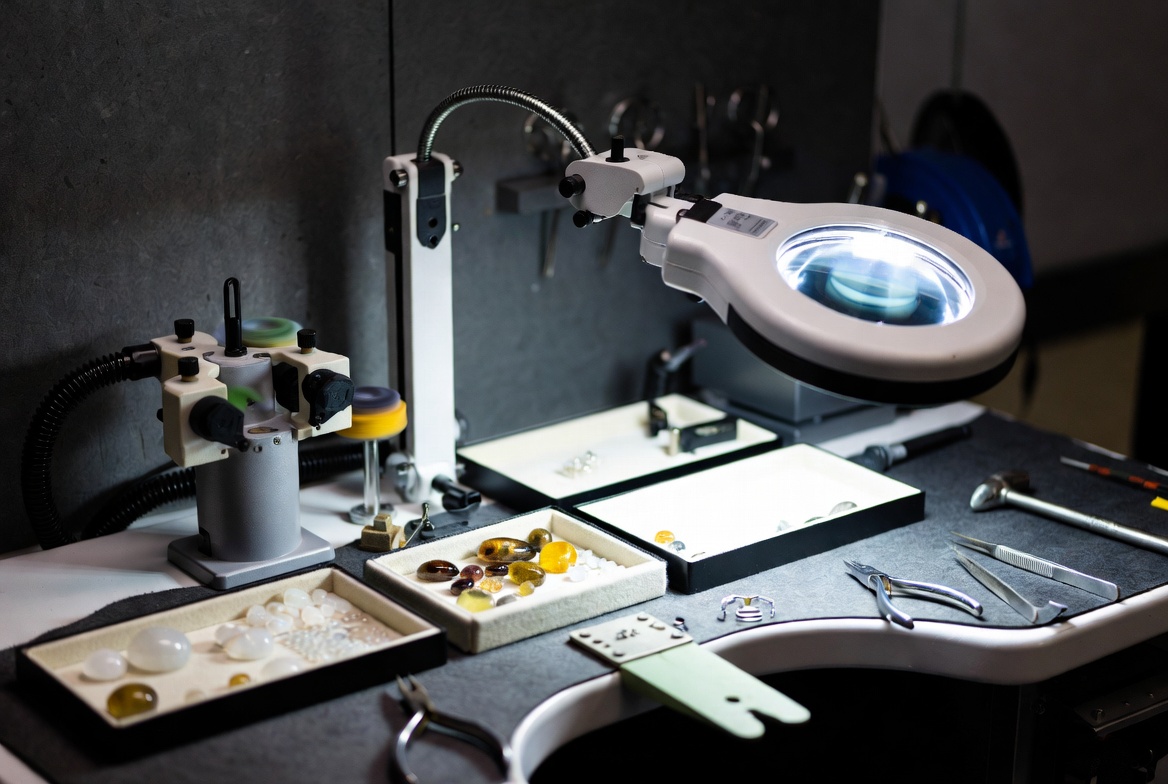
The bench is where metal, stones, customer instructions, repair tickets, tools, torches, and finished value meet. A single bench can hold owned stock, unfinished work, customer property, and pieces waiting for final inspection.
The Rules A Jewelry Manufacturer Should Not Ignore
Fine jewelry manufacturing intersects with consumer protection, jewelry marketing claims, children’s product safety when applicable, workplace chemical communication, import marking, and product representation. The list below uses official federal sources and avoids unsupported commentary.
FTC Jewelry Guides
16 CFR Part 23The FTC Jewelry Guides apply to jewelry industry products and address representations involving precious metals, diamonds, pearls, gemstones, treatments, quality marks, and other material product claims. Official source
Gold, Silver, Platinum & Quality Marks
16 CFR §§ 23.3–23.10Manufacturers making claims about gold content, silver content, platinum group metals, or quality marks should treat product descriptions, stamps, tags, invoices, and website copy as part of the risk file. Official source
Diamonds, Gemstones & Treatment Disclosures
16 CFR §§ 23.12–23.28The Jewelry Guides include sections on diamonds, gemstone terminology, “real,” “genuine,” “natural,” and treatment disclosures. These issues matter when the business advertises stones, sells finished goods, or handles client stones. Official source
Made In USA Labeling Rule
16 CFR Part 323Unqualified Made in USA claims have specific FTC requirements. Jewelry businesses using domestic-origin, handcrafted, or made-in-USA language should review the rule before placing those claims on tags, packaging, websites, invoices, or ads. Official source
Children’s Jewelry & Children’s Product Rules
CPSC Children’s Product GuidanceCPSC distinguishes adult jewelry from jewelry intended for children based on factors such as sizing, theme, marketing, packaging, promotion, appearance, and play value. Official source
Total Lead Content In Children’s Products
15 U.S.C. § 1278aCPSC states that children’s products containing more than 100 ppm lead in an accessible component are banned hazardous substances. This becomes relevant if the jewelry is designed or marketed for children. Official source
Lead In Paint Or Similar Surface Coatings
16 CFR Part 1303CPSC identifies paints and similar surface coatings containing 0.009% or more lead by weight as banned hazardous products. Surface coatings can matter when children’s product rules apply. Official source
Country Of Origin Marking
19 CFR Part 134Imported jewelry, findings, stones, packaging, parts, or finished goods can raise country-of-origin marking questions. Importers should review marking duties before goods enter U.S. commerce. Official source
Hazard Communication
OSHA Hazard Communication StandardOSHA states employers with hazardous chemicals in their workplaces must have labels and safety data sheets for exposed workers and train them to handle chemicals appropriately. Official source
The regulatory citations above are tied to official federal sources: the Electronic Code of Federal Regulations, Federal Trade Commission guidance, Consumer Product Safety Commission guidance, U.S. Customs and Border Protection / eCFR marking rules, and OSHA hazard communication guidance. This page is not legal advice and should not replace counsel or compliance review.
How A Jewelry Manufacturer Insurance Program Is Built
A jewelry manufacturer program should not be built as a generic business policy with “inventory” added as an afterthought. The program should be organized by value category, custody status, movement, liability, and security controls.
Foundation Lines
Premises, Employees & PropertyBase commercial lines for the operating business: premises liability, business personal property, workshop equipment, employees, business income, and auto exposure where vehicles or employee errands apply.
Jewelry Stock & Custody Layer
Owned Value vs. Property Of OthersThis is the load-bearing layer for jewelry manufacturers. It separates owned stock, work in process, loose stones, precious metals, customer goods, memo goods, and consignment goods.
Movement & Specialty Property
Off-Premises, Transit & Trade ShowsJewelry value becomes more fragile when it leaves the premises. Shipments, courier runs, hand-carry, trade shows, vendor work, and showroom display should be described before binding coverage.
Executive, Cyber & Contract Layer
Digital, Crime, Contracts & Higher LimitsJewelry businesses also carry cyber, invoice fraud, employee dishonesty, ecommerce, retailer contract, landlord certificate, and umbrella-limit exposure.
Coverage depends on actual policy wording, endorsements, exclusions, deductibles, sub-limits, warranties, security conditions, values, operations, locations, and carrier underwriting. This page is educational and not a coverage opinion or guarantee of payment.
What Makes Jewelry Manufacturing Different
Other manufacturers worry about machines, inventory, products, and employees. Jewelry manufacturers do too — but they also carry small, movable, high-value property that may belong to someone else and may leave the premises repeatedly before it is sold or returned.
The Goods Are Small, Movable, And High-Value
A tray can hold more value than an entire rack of ordinary retail inventory. That changes underwriting. The question is not only how much inventory exists; it is where that value is located, how it is protected, how it is counted, and who has access.
- Loose diamonds and gemstones
- Precious metal stock and casting grain
- Finished rings, chains, bracelets, earrings, and pendants
- Samples, prototypes, and showroom pieces
- Inventory aggregation at safes, vaults, benches, and trade shows
Ownership Changes The Coverage Conversation
A ring owned by the manufacturer is not the same as a client heirloom left for repair. A loose stone on memo is not the same as a purchased stone. A wholesale sample at a retailer is not the same as stock locked in the manufacturer’s safe.
- Owned inventory
- Customer-owned property
- Memo goods and consignment goods
- Property at subcontractors or specialists
- Goods shipped, hand-carried, displayed, or held for approval
The Product Claim Can Follow The Piece After Sale
Finished jewelry can generate allegations involving stone setting, clasps, prongs, sizing, metal content, surface treatment, gemstone disclosure, product description, or workmanship. These are not just property issues; they can become liability issues.
- Products-completed operations exposure
- Workmanship and design allegations
- Stone treatment or product description disputes
- Quality mark and precious-metal representation issues
- Customer injury or property damage allegations tied to a finished item
Crime, Cyber, And Vendor Fraud Are Real Operating Risks
A jewelry manufacturer can be attacked physically, digitally, or through vendor workflows. A false invoice, compromised email, employee dishonesty issue, stolen shipping label, or account takeover can create a loss that ordinary property coverage may not address.
- Employee dishonesty and theft
- Invoice redirection and social engineering
- Customer database and payment exposure
- Shipping account compromise
- Vendor email and funds transfer fraud
Generic Business Policy vs. Built-For-Jewelry Program
The mistake is treating a jewelry manufacturer as an ordinary workshop with some contents coverage. The better approach is to build the program around stock, custody, movement, security, and product liability.
Generic Business Policy — Common Gaps
- May treat valuable jewelry stock as ordinary business personal property
- May not adequately address loose stones, precious metals, or work in process
- May not separate owned goods from customer property
- May not follow goods through shipping, courier, hand-carry, or trade shows
- May contain theft, property, valuation, or off-premises restrictions
- May not match landlord, retailer, trade show, or lender certificate requirements
- May not address employee dishonesty, mysterious disappearance, or social engineering
- May not address ecommerce, customer records, or invoice fraud cleanly
- May not account for peak inventory or vault aggregation
- May not reflect product liability from finished jewelry sold into commerce
Built-For-Jewelry Program — What Gets Reviewed
- Separate owned stock, customer goods, memo goods, and work in process
- Document maximum value on premises, off premises, in transit, and at trade shows
- Review safe, vault, alarm, camera, access-control, and inventory procedures
- Address shipping, courier, hand-carry, and off-premises movement
- Build around jewelry stock, property of others, crime, transit, and liability
- Coordinate certificates for landlords, retailers, shows, vendors, and lenders
- Review cyber and crime for ecommerce, email compromise, and funds transfer exposure
- Account for product liability, quality-control, repairs, and finished goods
- Use underwriting narratives for prior losses, declined accounts, or unusual operations
- Match coverage structure to how the jewelry actually moves through the business
This comparison is general. Actual coverage depends on carrier appetite and policy wording. Jewelry businesses should review forms, endorsements, warranties, security conditions, off-premises limits, transit terms, and exclusions before relying on any coverage.
Where The Real Property Numbers Sit
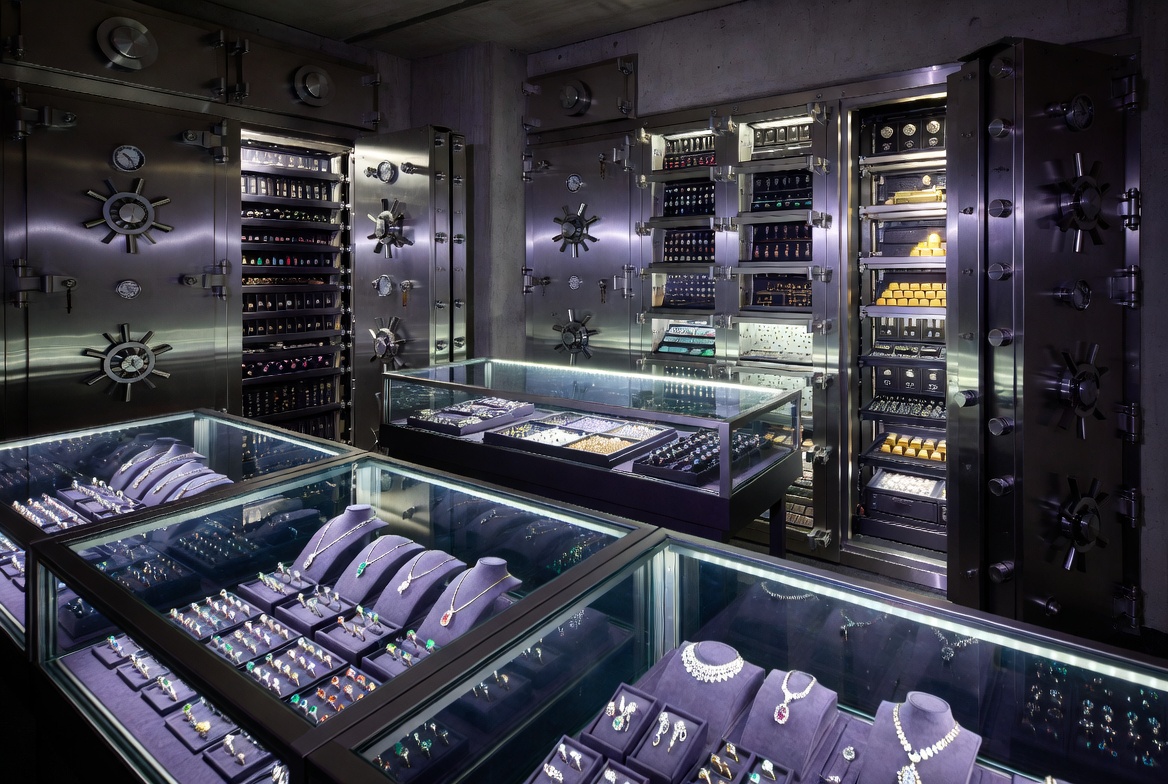
For a fine jewelry manufacturer, the vault or safe is not just a storage detail. It is where the underwriting file becomes specific. Carriers want to know the maximum value on premises, how much of that value is finished stock, how much belongs to customers, how much is loose stones or metals, whether goods are stored after hours, who has access, and how inventory is documented.
The best submission does not simply state “jewelry inventory.” It breaks the property schedule into finished goods, raw materials, loose stones, customer goods, repair goods, memo goods, consigned goods, trade show goods, goods in transit, and goods at third-party locations. That level of detail helps prevent the account from being treated like ordinary contents coverage.
Jewelry stock is underwritten around controls: valuation, documentation, storage, alarm, safe or vault procedures, employee access, shipping process, and off-premises movement. The stronger the control narrative, the clearer the submission.
What A Strong Jewelry Manufacturer Submission Includes
A jewelry manufacturer submission should make the underwriter’s job easier. It should show the flow of value, the security controls, the ownership categories, and the movement procedures before the carrier asks.
Values & Property Schedule
- Owned finished stock by location
- Raw precious metals and casting material
- Loose stones and gemstone inventory
- Work in process and unfinished pieces
- Customer goods, repair goods, memo goods, and consignment goods
- Maximum values on premises, off premises, in transit, and at shows
Security & Inventory Controls
- Safe or vault specifications
- Central station alarm details
- Camera and access-control information
- After-hours storage procedures
- Inventory logs, cycle counts, and repair-ticket process
- Employee access and key-control procedures
Operations & Product Detail
- Manufacturing, custom design, repair, setting, casting, polishing, and finishing operations
- Retail, wholesale, ecommerce, showroom, or trade show activity
- Children’s jewelry exposure, if any
- Precious metal and gemstone representation controls
- Product complaint history and quality-control process
- Subcontractors, outside setters, polishers, or vendors
Transit, Contracts & Loss History
- Shipping carriers, courier methods, and hand-carry procedures
- Trade shows, trunk shows, and off-premises events
- Retailer contracts, landlord requirements, and certificate wording
- Prior loss runs and narrative around any jewelry theft, disappearance, shipping loss, or claim
- Cyber controls, payment controls, and invoice verification process
- Current policies, renewal date, and known underwriting concerns
Sitemap-Aware Internal Links For Jewelry, Fashion & Specialty Coverage
These internal links connect the fine jewelry manufacturer page to the larger Kelly Insurance Group specialty library. Keep these links crawlable in the HTML so the page is not orphaned and search engines can understand its relationship to adjacent risks.
Fine Jewelry, Watches & High-Value Goods
Fashion, Inventory & Production Adjacencies
Supporting Coverage Lines
Live Sitemap Search
This module searches the Kelly Insurance Group sitemap from the browser and surfaces related pages. If the sitemap cannot load in the browser, the static links above remain crawlable.
What Engagement Looks Like For A Jewelry Manufacturer
Kelly Insurance Group is built for hard-to-place, non-standard, and high-exposure commercial risks. A fine jewelry manufacturer belongs in that category when it has valuable stock, customer goods, transit exposure, prior losses, unusual security conditions, trade show activity, ecommerce, or contracts that require specific wording.
The cleanest engagement starts with a short operating narrative: what the shop makes, what it repairs, what it stores, what belongs to clients, how inventory moves, how the safe or vault works, who has access, what contracts require, and what prior losses or carrier issues exist. From there, the submission can be built around the true exposure instead of forcing the account into a generic small-business box.
Use the insurance intake forms portal, book through book an appointment, or start through the contact page. Direct line: (412) 212-2800.
Fine Jewelry Manufacturer Insurance FAQ
What does fine jewelry manufacturer insurance cover?
Is a fine jewelry manufacturer different from a jewelry store?
Does general liability cover stolen jewelry inventory?
What is the difference between owned stock and customer goods?
Does jewelry manufacturer insurance cover goods in transit?
What information is needed to start a jewelry manufacturer insurance submission?
What if the business sells children’s jewelry?
Do FTC Jewelry Guides matter for insurance?
Can one policy cover manufacturing, repair, ecommerce, and wholesale?
What makes a jewelry manufacturer hard to place?
Does cyber insurance matter for a jewelry manufacturer?
Is this page legal or compliance advice?
Start The Fine Jewelry Manufacturer Submission
Use the intake forms portal to start the submission, or book a call to walk through the jewelry manufacturing workflow before paperwork. The strongest submissions explain the property, custody, movement, security, liability, cyber, and contract picture before the carrier asks.