Watch Repair & Restoration Insurance
Watch repair and restoration is a high-stakes discipline of horological preservation. Whether you are managing complex mechanical movements, vintage case refurbishments, or authentic part sourcing, your studio is constantly entrusted with high-value assets that hold immense historical, market, and sentimental value.
Standard business insurance programs often overlook the unique risks of the repair trade. You need robust coverage that specifically recognizes the primary risk posture of a restoration specialist: your liability for property in your care, custody, and control (Bailee Liability). Standard Commercial Property forms typically limit or exclude this exposure. Our tailored horological programs close this critical gap.
Bailee (Property of Others)
Ensures legal liability protection for client timepieces during intake, repair, and storage.
In-Transit Floater
Protects high-value movements moving between your workshop, authenticators, and the owner.
Horological Tools & Equipment
Safeguards microscopes, timing machines, lathes, and specialized calibration instrumentation.
Horological Bailment: The Intricacies of Care, Custody, and Control
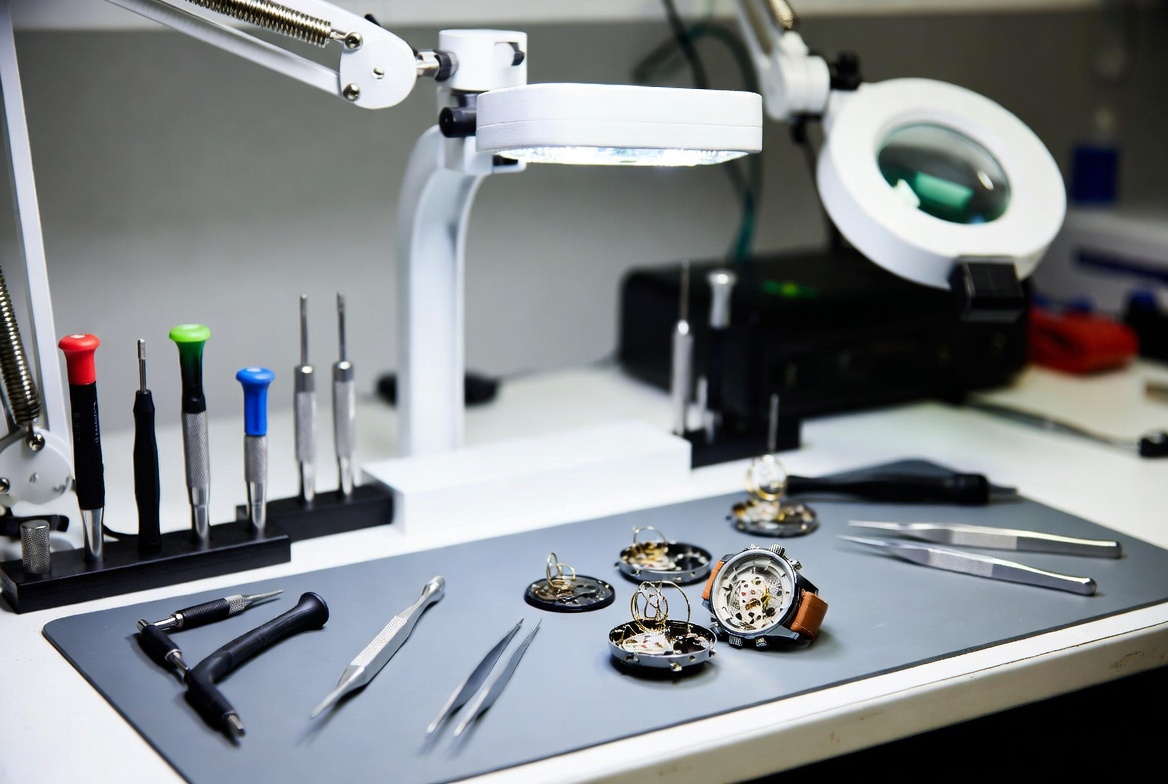
Horological tools, including lathes and dynamic waterproof testing chambers, are high-capital assets requiring specialized tools-and-equipment floaters.
A specialized Watch Repair & Restoration policy addresses this bailment risk directly. It is built around a dynamic **Bailee's Customer's Goods** form, ensuring that the timepiece is covered for damage, theft, or mysterious disappearance while it is in your care. Furthermore, a proper horological program aligns valuation methodologies—such as **Agreed Value**—to ensure contractual clarity between you and the owner in the event of a catastrophic loss. The brokerage structures these programs with peak aggregate limits that adjust based on seasonal inventory fluctuations or high-profile restoration projects.
Furthermore, because your work often involves the intentional disassembly of highly valuable components, we ensure your coverage form does not exclude the specific "damage during processing" risk. A standard property adjuster might misinterpret complex calibration or movement disassembly as standard maintenance; horological specialist underwriters recognize it as the core manufacturing/restoration process, ensuring the policy responds correctly when components fail during complex procedures.
Specialized Risk Columns in Horology
Beyond the primary bailment exposure, a comprehensive horological risk assessment must address four distinct operational columns:
- Column 1 · The Workshop Bench (CGL): Premises liability. If a client is injured during an intake or consultation in your showroom, your CGL form responds. For home-based workshops, this creates a major coverage conflict; a proper commercial policy with a designated on-premises endorsement is mandatory to preserve coverage.
- Column 2 · Precision Instrumentation (Floater): Equipment breakdown and floater coverage. If your $15,000 Witschi timing machine or critical dry waterproof tester fails due to power surge or mechanical breakdown, it can stop production. Standard property policies rarely cover mechanical failure on high-precision instrumentation.
- Column 3 · Global Transit Security (Marine/Floater): Chain of custody. Standard carriers (UPS, FedEx, USPS) have restrictive limits and specific service requirements for shipping high-value timepieces or rare components. We utilize carriers with specialized precious cargo protocols to ensure coverage follows the asset from door to door.
- Column 4 · The Digital Vault (Cyber/Crime): DTC data and digital credentials. Restoration studios handle sensitive client data, appraisals, and authentication logs. For Direct-to-Consumer (DTC) transactions or online restoration management, a breach requires expensive regulatory response. Fidelity and Crime coverage forms are also integrated to manage internal theft or social engineering fraud.
This four-column structure is how KIG architects horological programs. We move beyond generic policies and place coverage with markets that understand the precise risk posture of a restoration specialist. This approach strengthens your reputation and provides contractual security to your most important partners.
The image on the right illustrates the standard security architecture horological underwriters require. Secure, climate-controlled vaults, documented intake stations, and formal chain-of-custody protocols are not optional; they are the baseline parameters carriers use to determine insurability and premium rating for this asset class.
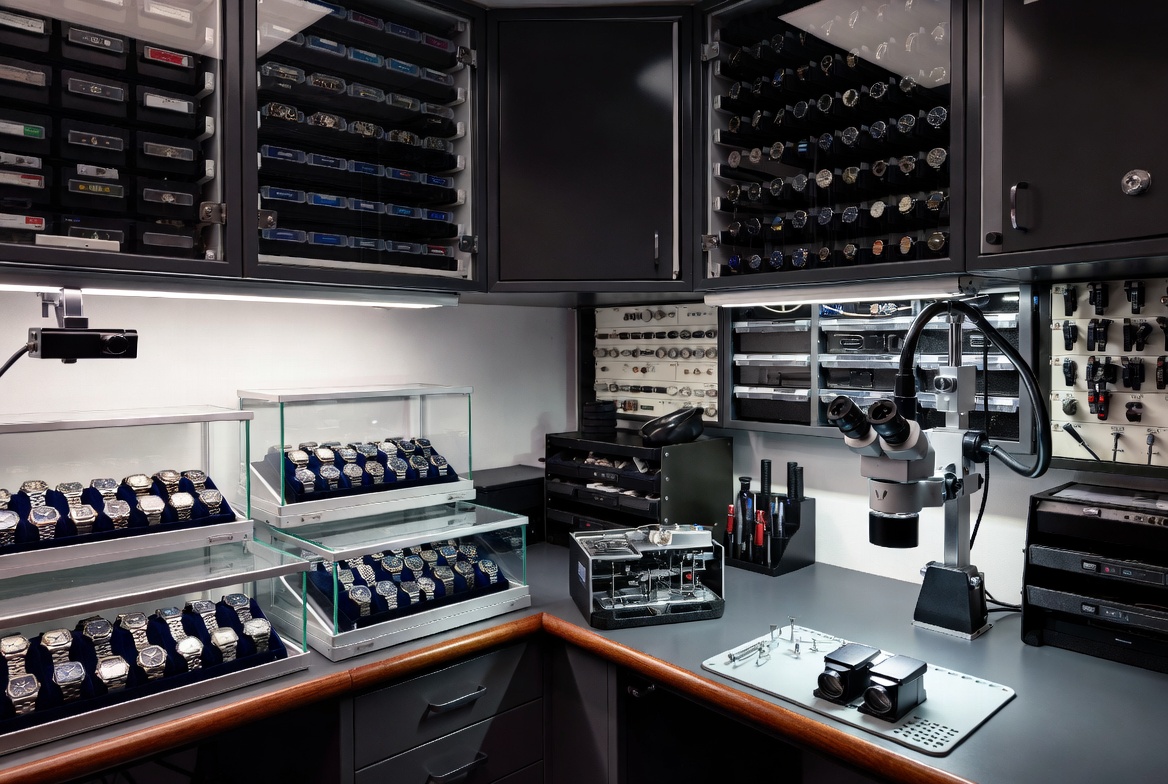
Documented chain-of-custody and high-security vaulting infrastructure are requisite components of a defendable horological submission.
Specialty Horology & High-Value Asset Connections
Watch repair rarely operates in isolation. Your risk profile intersects with retail, collections, manufacturing, and transit hubs. Explore related KIG program pages to understand the full landscape of horological risk management.
Watch Restoration Insurance FAQ
Why isn't my client's watch covered under my standard Business property policy?
How is the value of a vintage watch determined in a claim?
Does my policy cover shipping high-value watches to and from clients?
Are my microscopes, timing machines, and waterproofing chambers covered?
Discuss your horological risk management strategy.
Submit your restoration studio details via the intake forms portal, or schedule a strategic consultation to walk through your operational structure, peak aggregates, and contractual obligations. Clean horological submissions typically see indications within five to ten business days.