
Watch Dealer & Timepiece Insurance
Watch dealer and timepiece insurance is built around a simple but unforgiving problem: very high value can sit inside very small property. A dealer may hold owned inventory, client watches, consigned pieces, memo goods, authenticated pre-owned watches, straps, boxes, papers, parts, watches in repair, watches in transit, watches at shows, and watches being photographed for online sale — all under one operating name.
The coverage conversation is different from ordinary retail because the loss scenarios are different. A standard storefront policy may not be designed for dealer stock, consignment inventory, property of others, mysterious disappearance, off-premises show inventory, courier shipments, employee dishonesty, cyber fraud, trade show travel, or authentication disputes. KIG structures the submission around how the watches actually move through the business: acquired, authenticated, displayed, serviced, shipped, consigned, returned, traded, financed, or sold.
Coverage Footprint Of A Watch Dealer
Why Watch Dealer Insurance Is Not Ordinary Retail Insurance
A watch dealer account is often declined or mispriced when it is described as “jewelry retail” or “online retail.” That label does not tell the underwriter what matters: whether the watches are owned, consigned, financed, customer-owned, stored in a safe, held in a showroom, moved by courier, sold through a platform, shown at a trade event, or sent to a watchmaker for service.
The timepiece business also adds an authenticity layer. Watches are serialized goods. Boxes, papers, service history, movement origin, aftermarket parts, replacement dials, custom bezels, aftermarket straps, warranty representations, and platform dispute rules can all affect the exposure. A property loss is not just a missing object. It can become an inventory documentation problem, a valuation problem, a contract problem, and a customer dispute.
This page is built for luxury watch dealers, pre-owned watch sellers, vintage timepiece dealers, appointment-only watch showrooms, ecommerce watch sellers, consignment watch dealers, watch trade show vendors, watch repair-adjacent businesses, and businesses holding customer watches or dealer stock. It also connects into the broader KIG jewelry, fashion, cyber, crime, inventory, umbrella, and certificate library.
Find The Watch Dealer Exposure
Click the segment that matches the operation. The map returns the primary exposure narrative, the coverage priority, and the underwriting controls that belong in the submission.
Watch Dealer Operating Segments
// SELECT A SEGMENT FOR DETAILLuxury Watch Showroom
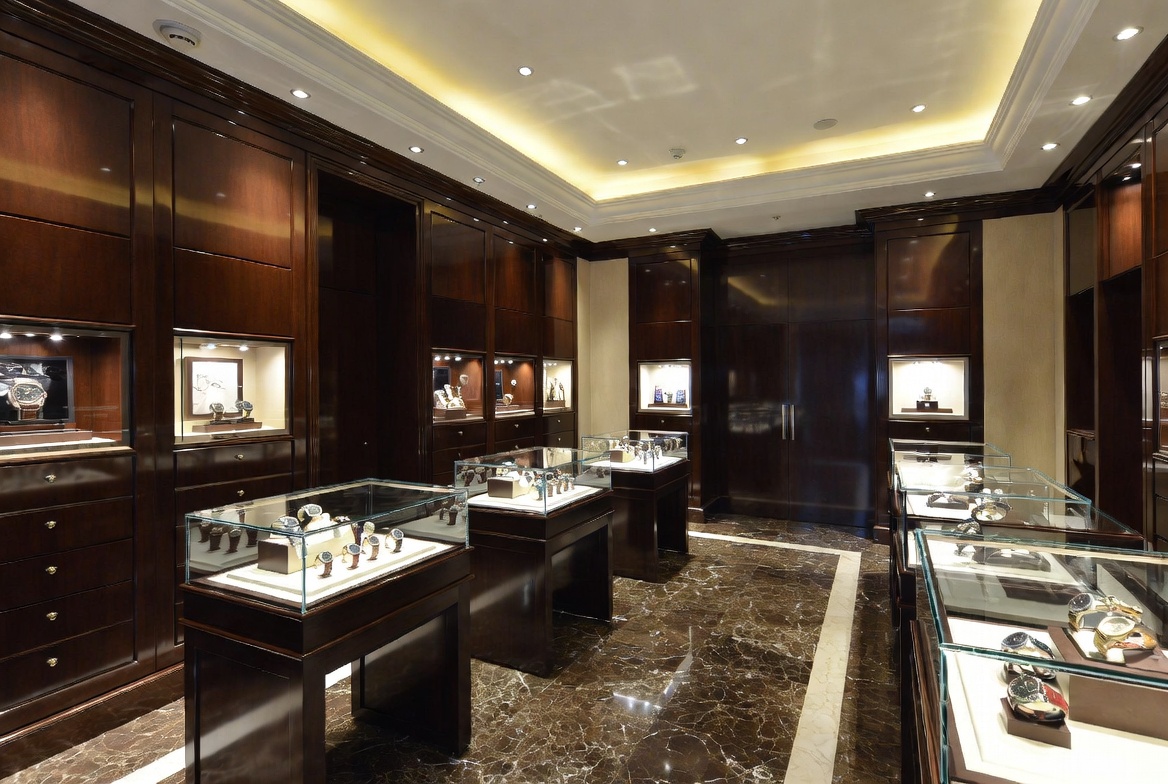
The showroom is the visible part of the dealer risk, but it is not just premises liability. It concentrates display stock, appointment traffic, theft sensitivity, employee access, client watches, and after-hours storage requirements.
The Rules A Watch Dealer Should Not Ignore
Watch dealers operate inside a mix of import, product-representation, jewelry, children’s-product, workplace, and advertising rules. The list below uses official federal sources and avoids unsupported commentary.
Country Of Origin Marking For Watches
19 CFR § 134.43CBP regulations state that country-of-origin marking requirements on watches, clocks, and timing apparatus are intensive and require special methods. Official source
Watch & Clock Movement, Case, And Dial Marking
19 CFR § 141.113 · HTSUS Chapter 91 Note 4CBP rules for release of merchandise reference Chapter 91, Additional U.S. Note 4, for special marking of watch and clock movements, cases, and dials. Official source
FTC Jewelry Guides
16 CFR Part 23The FTC Jewelry Guides apply to jewelry industry products, including metallic watch bands not permanently attached to watches, and to articles made from precious metals. Official source
Made In USA Labeling Rule
16 CFR Part 323The FTC Made in USA Labeling Rule addresses unqualified U.S.-origin claims. Watch dealers and assemblers should review this before using “Made in USA,” “American made,” or similar unqualified claims. Official source
Children’s Jewelry / Children’s Product Analysis
CPSC Children’s Products GuidanceCPSC distinguishes children’s jewelry from adult jewelry using factors such as size, theme, marketing, packaging, play value, appearance, and dexterity required for wearing. This can matter for watches primarily intended for children. Official source
Hazard Communication For Service Benches
OSHA Hazard Communication StandardOSHA’s Hazard Communication resources address communication of chemical hazard information through labels, safety data sheets, and worker training. This can become relevant where a watch business uses hazardous chemicals in service, cleaning, polishing, or repair operations. Official source
The regulatory citations above are tied to official federal sources: the Electronic Code of Federal Regulations, U.S. Customs and Border Protection rules, Federal Trade Commission rules, Consumer Product Safety Commission guidance, and OSHA hazard communication guidance. This page is not legal advice and should not replace counsel or compliance review.
How A Watch Dealer Insurance Program Is Built
A watch dealer program should not be built as a generic retail policy with inventory added as a contents limit. The program should be organized by ownership, custody, stock movement, security, authenticity process, cyber exposure, and contract requirements.
Foundation Lines
Premises, Property & EmployeesBase commercial lines for the operating business: premises liability, commercial property, showroom contents, business income, workers compensation, and auto exposure where employees drive for business tasks.
Dealer Stock & Custody Layer
Owned Stock vs. Property Of OthersThe load-bearing layer for watch dealers. It separates owned stock, consigned watches, memo goods, customer watches, trade-in pieces, service-intake pieces, and watches temporarily held for authentication.
Movement & Specialty Property
Transit, Shows, Off-Premises StockTimepiece value becomes more vulnerable when it leaves the premises. Insured shipping, courier runs, hand-carry, watch shows, client delivery, photography, and repair-vendor transfers should be described before binding coverage.
Cyber, Crime & Contract Layer
Digital Sales, Fraud, Higher LimitsWatch dealers often carry platform, payment, email, invoice, customer data, employee dishonesty, funds transfer, and vendor contract exposure that is separate from physical stock coverage.
Coverage depends on actual policy wording, endorsements, exclusions, deductibles, sub-limits, warranties, security conditions, values, operations, locations, and carrier underwriting. This page is educational and not a coverage opinion or guarantee of payment.
What Makes Watch Dealers Different
Watch dealers are not just retailers. They are inventory operators, authenticity managers, consignment custodians, shipping coordinators, security managers, and sometimes repair facilitators. Four dimensions drive the insurance program.
The Inventory Is Compact, Portable, And Highly Targeted
A single tray, pouch, or shipping package can hold a meaningful concentration of value. That changes the underwriting file. The question is not simply how much inventory exists; it is where that value sits, how it is protected, who can access it, and how it is recorded.
- Owned dealer stock
- Pre-owned luxury watches
- Vintage watches and rare references
- Display watches and appointment inventory
- Peak values by showroom, safe, vault, show, and transit status
Ownership Changes The Coverage Conversation
A dealer-owned watch is not the same as a client-owned consignment piece. A watch left for authentication is not the same as stock held for resale. A trade-in watch waiting for final payment is not the same as inventory that has already been purchased by the business.
- Owned watches
- Consigned watches
- Memo and approval goods
- Customer watches in service intake
- Watches at outside watchmakers, photographers, shows, or couriers
Authentication And Condition Are Operational Risk Points
Timepieces are bought and sold through a chain of representation. Serial number, movement, dial, hands, case, bracelet, aftermarket parts, polish history, warranty status, service records, boxes, and papers can affect the business dispute if a buyer challenges authenticity or condition.
- Authentication workflow
- Condition grading and photo records
- Serial number and reference documentation
- Aftermarket parts and modified watches
- Buyer dispute, platform dispute, and return-condition documentation
Fraud Can Be Physical, Digital, Or Procedural
A watch dealer can be targeted by robbery, employee dishonesty, chargeback fraud, account takeover, fake payment confirmation, shipping reroute scams, fraudulent buyers, invoice redirection, or counterfeit inventory. The program should not rely only on property coverage.
- Employee dishonesty and inventory manipulation
- Wire fraud and social engineering
- Chargeback and payment reversal patterns
- Shipping account compromise
- Counterfeit or misrepresented incoming stock
Generic Retail Policy vs. Built-For-Timepiece Program
The mistake is treating a watch dealer as a standard retail store with a higher contents limit. The better approach is to build the program around watch stock, consignment custody, authentication process, movement, security, crime, cyber, and contract requirements.
Generic Retail Policy — Common Gaps
- May treat high-value watches as ordinary business personal property
- May not adequately address consigned watches or property of others
- May not follow watches through shipping, courier, hand-carry, or trade shows
- May contain theft, valuation, off-premises, or mysterious disappearance restrictions
- May not separate owned stock from client-owned watches
- May not address employee dishonesty, funds transfer fraud, or social engineering
- May not respond cleanly to ecommerce, marketplace, payment, or shipping account compromise
- May not address repair intake or watches held for authentication
- May not match landlord, lender, show organizer, or vendor certificate requirements
- May not reflect peak inventory values during buying events or show seasons
Built-For-Timepiece Program — What Gets Reviewed
- Separates owned stock, consigned pieces, memo goods, customer watches, and service-intake watches
- Documents maximum value on premises, off premises, in transit, at shows, and at service vendors
- Reviews safe, vault, alarm, camera, access-control, appointment, and inventory procedures
- Addresses shipping, courier, hand-carry, sales travel, and off-premises movement
- Builds around dealer stock, property of others, crime, transit, cyber, and liability
- Coordinates certificates for landlords, shows, lenders, vendors, and client-facing requirements
- Reviews authentication workflow, condition documentation, and return process
- Accounts for ecommerce, customer records, digital payments, invoice fraud, and platform sales
- Uses underwriting narratives for prior losses, prior declinations, or unusual stock movement
- Matches coverage structure to how watches actually move through the business
This comparison is general. Actual coverage depends on carrier appetite and policy wording. Watch dealers should review forms, endorsements, warranties, security conditions, off-premises limits, transit terms, valuation provisions, and exclusions before relying on any coverage.
Where Dealer Stock Becomes Care, Custody And Control
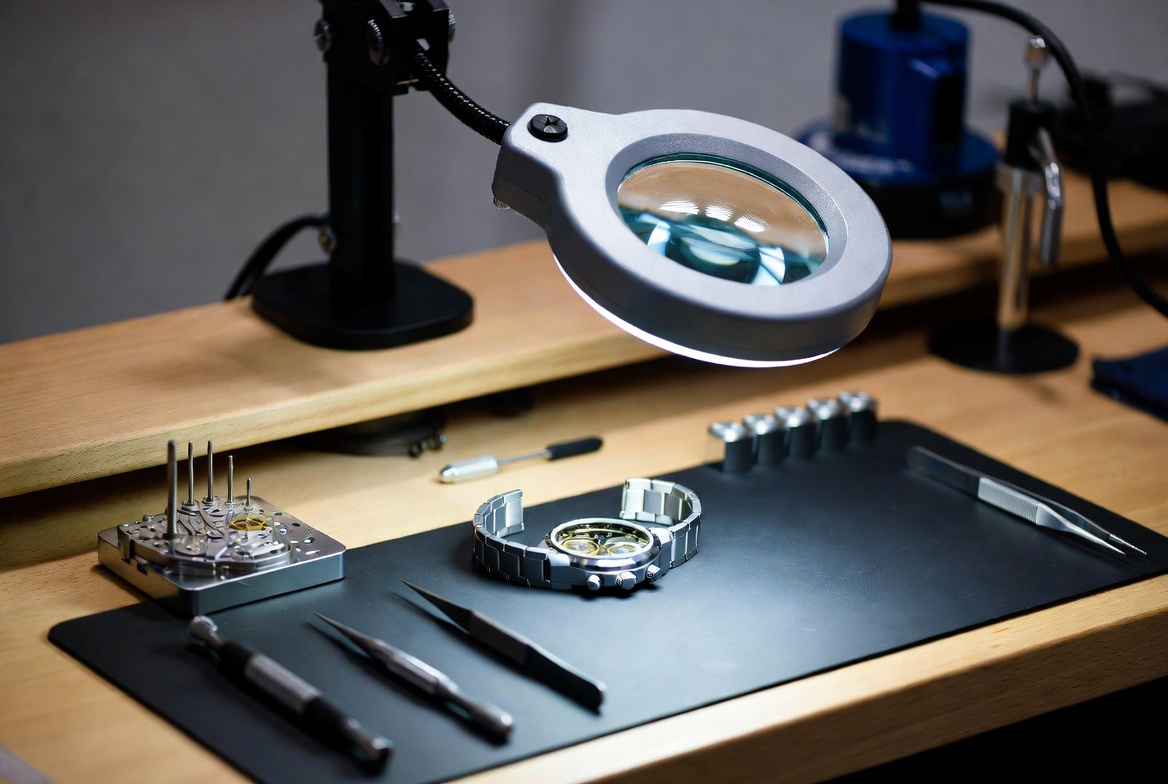
Many watch dealers do not describe themselves as repair shops, but they still create service-bench exposure. The business may size a bracelet, inspect a movement, remove a caseback, replace a strap, coordinate a service vendor, photograph a dial, receive a watch for authentication, or hold a customer’s watch while a buyer is found. Each scenario changes who owns the watch, who has custody, and which policy section needs to respond.
The best submission separates sales inventory from repair-intake watches, consigned watches, authentication-only watches, watches waiting for outside service, and watches returned by buyers. A timepiece that is not owned by the dealer may still create a claim against the dealer if it is damaged, misplaced, stolen, shipped incorrectly, or returned in disputed condition.
For watch dealers, the service bench is not just a technical workspace. It is a custody checkpoint. Intake forms, photographs, serial numbers, condition reports, customer receipts, and transfer logs can be as important as the safe and alarm details.
What A Strong Watch Dealer Submission Includes
A watch dealer submission should show the underwriter where value sits, who owns it, how it moves, how it is protected, and how authenticity and condition are documented.
Values & Inventory Schedule
- Owned watch inventory by location
- Consigned watches and memo goods
- Customer watches in repair, authentication, or inspection
- Boxes, papers, straps, parts, accessories, and display inventory
- Maximum values on premises, off premises, in transit, and at events
- Peak inventory values during buying periods, shows, or seasonal promotions
Security & Inventory Controls
- Safe, vault, or locked storage specifications
- Central station alarm details
- Camera coverage and access-control information
- After-hours storage procedures
- Inventory logs, cycle counts, and serial-number records
- Employee access, key-control, and appointment procedures
Sales, Service & Authentication Detail
- Retail, appointment-only, wholesale, ecommerce, and platform sales channels
- Authentication workflow, inspection process, and condition grading
- Repair services performed in-house or through outside watchmakers
- Consignment contracts and client intake forms
- Return policies, buyer dispute process, and photo documentation
- Aftermarket parts, modified watches, or custom work if applicable
Transit, Contracts & Loss History
- Shipping carriers, courier procedures, hand-carry rules, and package controls
- Trade shows, dealer meetings, off-premises events, hotel storage, and travel
- Landlord requirements, lender requirements, show contracts, and certificate wording
- Prior loss runs and narrative around theft, disappearance, shipping loss, or fraud
- Cyber controls, payment verification, account access, and invoice procedures
- Current policies, renewal date, prior declinations, and known underwriting concerns
Sitemap-Aware Internal Links For Watches, Jewelry, Inventory & Specialty Coverage
These internal links connect the watch dealer page to the larger Kelly Insurance Group specialty library. Keep these links crawlable in the HTML so the page is not orphaned and search engines can understand its relationship to adjacent risks.
Watches, Jewelry & High-Value Goods
Fashion, Luxury Goods & Inventory Adjacencies
Supporting Coverage Lines
Live Sitemap Search
This module searches the Kelly Insurance Group sitemap from the browser and surfaces related pages. If the sitemap cannot load in the browser, the static links above remain crawlable.
What Engagement Looks Like For A Watch Dealer
Watch dealer insurance starts with the operating model. The most important question is not “how much inventory do you have?” It is “what kind of inventory is it, who owns it, where is it, how does it move, and how is it documented?” A clean submission should show the difference between owned watches, consigned watches, client watches, watches in service, watches in transit, watches at events, and watches held by outside specialists.
The next layer is control. Underwriters look for safe or vault procedures, alarm details, camera coverage, appointment controls, shipment procedures, employee access, platform controls, funds-transfer procedures, authentication records, and loss history. A watch dealer with a strong control narrative is easier to present than a dealer that only provides a revenue estimate and a total inventory number.
Use the insurance intake forms portal, book through book an appointment, or start through the contact page. Direct line: (412) 212-2800.
Watch Dealer & Timepiece Insurance FAQ
What does watch dealer and timepiece insurance cover?
Is watch dealer insurance the same as jewelry store insurance?
Does general liability cover stolen watch inventory?
What is the difference between owned stock and consigned watches?
Does watch dealer insurance cover watches in transit?
What information is needed to start a watch dealer insurance submission?
What if the business sells children’s watches?
Do import and country-of-origin rules matter for watch dealers?
Can one policy cover retail sales, consignment, ecommerce, and repair intake?
What makes a watch dealer hard to place?
Does cyber insurance matter for a watch dealer?
Is this page legal or compliance advice?
Start The Watch Dealer Submission
Use the intake forms portal to start the submission, or book a call to walk through the timepiece workflow before paperwork. The strongest submissions explain owned stock, consigned watches, client goods, authentication records, storage, shipping, cyber, crime, contract, and loss-history details before the carrier asks.