
Tree Removal Insurance.
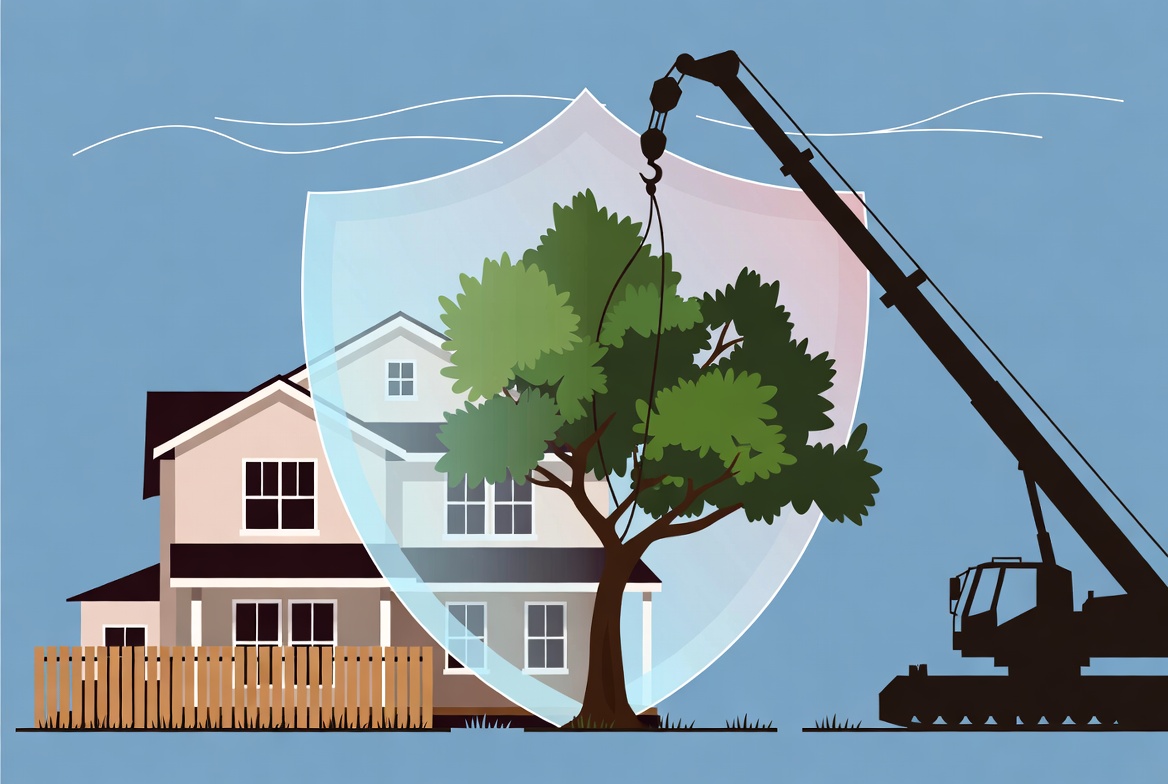
A full takedown next to a customer's house is the highest-severity job a tree service runs. The insurance has to match.
Removal is not trimming on a bigger scale. It is a different operation with a different risk profile — and it gets underwritten that way.
Why this page existsWhat Tree Removal Actually Is
Tree removal is the dismantling and disposal of an entire tree — not the shaping or thinning of a living one. The crew is taking a structure that has been growing in place for decades and bringing it down piece by piece, often within feet of structures, vehicles, utilities, or people.
From an insurance standpoint, that changes everything. Trimming is generally a controlled, lower-severity exposure. Removal is high severity by design — bigger pieces, more rigging, more drop-zone management, more potential for catastrophic loss. Carriers underwrite the two operations differently, and tree services that quote both should expect their removal exposure to drive the program's pricing and limits.
This page explains what coverage a tree removal operation actually needs, the underwriting questions you should expect, and where the program tends to break down when removal volume grows beyond what the original policy was sized for.
How a Removal Actually Runs
Site Assessment
Targets identified. Drop zones marked. Crew positions and traffic control planned.
Setup & Rigging
Anchors set, blocks installed, friction device staged, rope rigged and inspected.
Sectional Takedown
Top down. Branches first, then leaders, then trunk sections — rigged or free-fall.
Trunk & Stump
Final trunk drop, stump grind below grade, root system addressed if specified.
Cleanup & Sign-Off
Debris hauled, site swept, customer walk-through, completed-ops exposure begins.
Five Questions That Decide What You Actually Need
Tree removal isn't one risk — it's a stack of decisions about scale, technique, and proximity. The five questions below shape the policies a removal operation should carry, and where the limits should land.
How Close Are the Targets?
Open lot with no structures? The exposure is mostly worker safety. A backyard takedown over a slate roof, a parked Range Rover, and a neighbor's pool? You are now in the highest-severity bracket the GL carrier rates. Higher target density drives higher GL severity, and often higher umbrella requirements.
How Big Is the Tree?
Smaller stems can come down conventionally. Mature hardwoods, multi-leader oaks, dead ash, decayed silver maples — these need rigging, sometimes a crane, and a different conversation with the underwriter. Crew capability and equipment have to match the size of what you bid on.
Are You Using a Crane?
Crane-assisted removal moves the operation into a different underwriting category. It is faster and often safer, but the per-event severity climbs and the policy needs to specifically address it. If the answer is yes — even occasionally — say so at submission. See the Crane & Boom Truck page.
Are Subcontractors Doing Part of the Work?
1099 climbers, crane vendors, chip-truck operators, stump-grind subs — every uninsured sub is a potential audit pickup and a potential coverage problem at claim time. COIs from every sub, hold-harmless agreements, and additional insured documentation are not optional on removal work.
Who's the Customer?
Residential homeowners are one tier. HOA and property management contracts are another, with stricter additional insured and limit requirements. Municipal and utility contracts demand high stacked limits and specific contract language. The customer mix shapes the program — not the other way around.
The Backyard Job Carriers Watch Closest
A residential removal next to a house is the operation underwriters scrutinize most carefully — and the one most likely to produce a six-figure claim. Drop zones are tight, targets are everywhere, and a single mis-cut limb can total a roof, a vehicle, a fence, or worse.
This is the work where the program has to be specifically built for tree removal — not bolted onto a generic landscaping policy. GL limits, umbrella stacking, equipment coverage, and rigging specifics all matter when the rope is set and the saw is running over a $700,000 home.
Removal pays the bills.
Removal also writes the claims.
The program has to be built for that operation — not the average tree job.
If your current policy was placed before you started doing removals — or if your removal volume has grown faster than your program — the gap shows up at the worst possible moment. We rebuild the program around what you actually do.
Build the Right Removal Program
Tell us how big the trees are, how close the targets are, who the customers are, and where your subcontractors fit in. We rebuild the program around the operation — not the other way around.
Start the Intake Form →Search the Kelly Insurance Group Site
Other Tree Service Coverages We Place
By Operation Type
Cost, Quotes & Buyer Resources
Hard-to-Place & Problem Risk Pages
Other KIG Resources
Tree Removal Insurance Questions Answered
Is tree removal coverage different from tree trimming coverage?
Yes — and most carriers underwrite them separately. Removal is higher severity, requires bigger equipment, and produces bigger claims. A program quoted around trimming volume that's later doing primarily removal is almost always under-priced and potentially under-limited. See our Tree Trimming page.
What does the GL policy actually pay for during a removal?
Third-party bodily injury, third-party property damage, completed operations, defense costs, and personal/advertising injury. Damage to the tree being removed is not covered (the owner consented to its removal). Damage to the structure beneath the drop zone is covered if a covered occurrence applies. See the Tree Service GL page.
What limits should a tree removal operation carry?
It depends on the customer mix, contract requirements, and the worst-case claim scenario for the work being done. Residential-only operations may be served by lower stacked limits; HOA, commercial, and municipal contracts often require materially higher total limits stacked through umbrella and excess. See the Excess Liability page.
Does the policy cover crane-assisted removals?
Crane operations are an underwriting trigger that requires specific endorsements, sometimes scheduled equipment, and occasionally a separate crane policy. Always disclose crane usage at submission. See the Crane & Boom Truck page.
What about damage that surfaces days after the crew leaves?
Completed operations coverage under the GL is what responds. A hanger that drops a week later, a stump grind that fails, a delayed structural failure — these are completed-ops claims, and the GL form needs to include the coverage with appropriate aggregate limits.
How are subcontractor climbers and crane vendors handled?
Every sub should carry their own GL with limits matching yours, provide a COI before work begins, and add your business as additional insured. Uninsured subs roll into your audit, increase your premium retroactively, and can become your loss at claim time.
I had a removal-related claim — can I still get coverage?
Yes. Specialty markets place tree services with prior claims regularly. Send loss runs, current safety improvements, and operational details. See our Tree Service With Claims page and High-Risk Arborist page.
Where do I start?
Start with the intake form — it walks through removal volume, target proximity, equipment, and subcontractor practices. If you'd rather talk first, the contact page or (412) 212-2800 works.
Your Removal Program, Built Right.
Send us the volume, the size of trees, the customer mix, the equipment, and any prior claims. We rebuild the program around the operation that pays the bills — and writes the claims.
Start the Intake Form → Contact Kelly Insurance Group →