Municipal Tree Service Insurance
Insurance for tree service companies, arborists, and contractors performing municipal tree removal, pruning, park maintenance, road clearance, right-of-way work, public property tree care, storm cleanup, and contract work for cities, boroughs, townships, counties, school districts, and public authorities.
Municipal Tree Work Has Contract Pressure
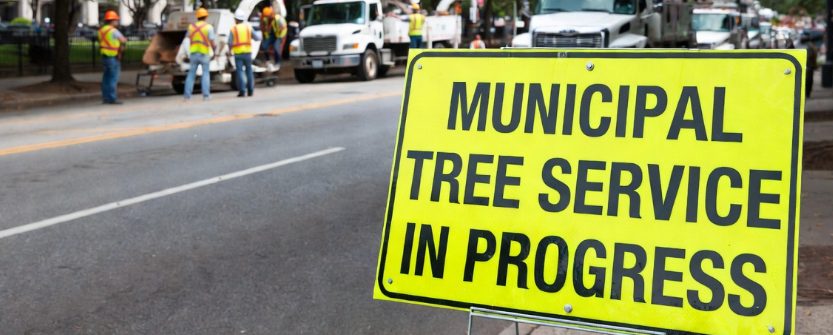
Public entity contracts often bring certificate requirements, higher limits, additional insured wording, waiver requirements, auto limits, workers compensation scrutiny, and performance expectations that ordinary residential jobs do not.
What Is Municipal Tree Service Insurance?
Coverage for tree contractors performing public-sector tree work under municipal contracts, public property assignments, road clearance jobs, parks work, storm response, and right-of-way maintenance.
Municipal Tree Service Insurance is commercial insurance structured for tree contractors working for public entities. These jobs may involve streets, parks, public buildings, schools, sidewalks, utility areas, cemeteries, public rights-of-way, storm cleanup, and high-visibility community spaces.
Municipal work is different from residential tree work because the contract requirements are usually more formal. Public entities often require specific limits, additional insured status, waiver of subrogation, primary and noncontributory wording, commercial auto limits, workers compensation compliance, and certificates that match bid or contract language.
The correct insurance program may include General Liability, Workers Compensation, Commercial Auto, Inland Marine, Equipment Coverage, Umbrella or Excess Liability, Pollution Liability, and careful review of subcontractor and certificate requirements.
Do The Intake First
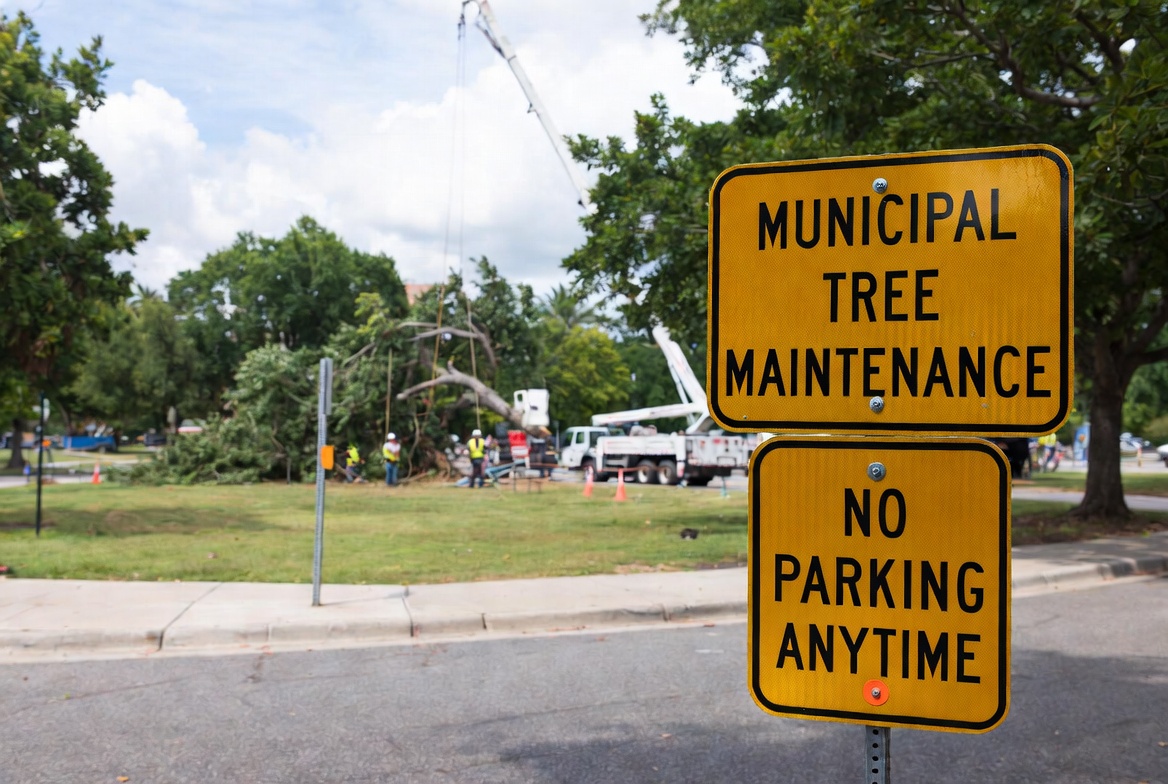
Municipal tree service underwriting needs clean details: contract requirements, public entity work, payroll, vehicles, equipment, certificates, additional insured requests, subcontractors, storm cleanup, and prior claims.
Complete The Tree Service Intake FormWho Needs Municipal Tree Service Insurance?
If your tree service performs work for public entities or bids public contracts, your insurance program needs to be built around contract compliance and public-property exposure.
Coverage Pieces For Municipal Tree Work
Municipal tree service insurance needs to satisfy both the operational risk and the written contract requirements.
General Liability
Protection for third-party bodily injury and property damage involving public property, parks, sidewalks, roads, buildings, vehicles, pedestrians, and municipal assets.
Workers Compensation
Coverage for employee injuries during tree removal, trimming, storm cleanup, chipping, bucket truck work, climbing, and public-property operations.
Commercial Auto
Coverage for trucks, chip trucks, bucket trucks, trailers, dump trucks, and vehicles working around streets, public roads, parks, and municipal properties.
Inland Marine
Protection for chainsaws, chippers, loaders, stump grinders, aerial lifts, trailers, tools, and mobile equipment moved between public jobsites.
Umbrella & Excess
Higher limits for municipal contracts, public entity requirements, severe injury potential, auto accidents, and high-value public property claims.
Certificate Compliance
Support for additional insured, waiver of subrogation, primary and noncontributory wording, specific limits, and certificate formatting.
Pollution Considerations
Potential coverage needs involving herbicides, pesticides, hydraulic fluid leaks, fuel spills, debris disposal, mulch, and environmental exposures.
Subcontractor Review
Municipal contracts may restrict uninsured subcontractors or require specific insurance from every tier of contractor involved in the work.
Where Municipal Tree Insurance Gets Dangerous
The contract can create insurance obligations that your normal tree service policy may not automatically satisfy.
Municipal tree service insurance is not only about the work. It is about the contract. A city, township, borough, county, or school district may require specific limits, endorsements, and certificate language before the job can begin.
The biggest problems usually come from missing additional insured wording, inadequate auto limits, workers compensation gaps, exclusions for certain operations, failure to disclose storm cleanup or road work, and umbrella policies that do not match the underlying requirements.
Tree contractors should not assume a standard residential tree service policy will satisfy public entity contracts. The insurance requirements need to be reviewed before bidding, binding, or starting work.
Common Municipal Tree Service Claims
Public property claims can create extra scrutiny because pedestrians, traffic, municipal property, and public contracts are involved.
Claim Scenario
Public Park Property Damage
A tree contractor damages fencing, walkways, playground equipment, lighting, benches, turf, landscaping, or public structures during removal or pruning.
Claim Scenario
Pedestrian Injury Allegation
A pedestrian, visitor, student, resident, or member of the public alleges injury from falling debris, worksite conditions, traffic controls, or equipment movement.
Claim Scenario
Roadside Tree Work Accident
A bucket truck, chipper, trailer, debris pile, or lane closure contributes to a vehicle accident near municipal roadside tree work.
Claim Scenario
Storm Cleanup Dispute
After a storm, a contractor clears trees or debris for a municipality and a dispute develops over property damage, delays, debris handling, or responsibility.
Claim Scenario
Certificate Requirement Failure
A contractor wins or starts municipal work but cannot satisfy required endorsements, limits, waiver wording, or additional insured wording.
Claim Scenario
Subcontractor Coverage Problem
A subcontracted climber, crane operator, or cleanup crew causes a loss, and the municipality questions whether the insurance requirements were satisfied.
Do Not Bid Blind
Municipal tree work can require specific insurance before the job starts. If you are bidding public contracts, the insurance requirements should be reviewed before you promise compliance.
Go To The Tree Service Intake FormRelated Tree Service Insurance Pages
Stay inside the tree service insurance cluster and review the pages that connect directly to municipal contracts, public work, certificates, higher limits, and operations.
Other Kelly Insurance Group Resources
Useful supporting pages for public contracts, contractors, certificates, liability limits, workers compensation, commercial auto, and umbrella coverage.
Frequently Asked Questions
Municipal tree service insurance questions contractors should ask before bidding public work.
Do Municipal Tree Contracts Require Special Insurance?
Often, yes. Public contracts may require specific General Liability, Commercial Auto, Workers Compensation, Umbrella, additional insured, waiver of subrogation, and certificate wording before work begins.
Is Municipal Tree Work Different From Residential Tree Work?
Yes. Municipal work often involves public property, pedestrians, roads, parks, public buildings, formal contracts, and stricter certificate requirements. The insurance structure needs to reflect that.
Can A Tree Contractor Bid Municipal Work Before Reviewing Insurance?
They can, but it is risky. Insurance requirements should be reviewed before bidding because some contracts require limits or endorsements that may not be available, affordable, or included on the current policy.
Do Municipal Jobs Require Umbrella Insurance?
Many do. Public entities may require total limits higher than standard General Liability or Commercial Auto limits. Umbrella or Excess Liability may be needed to satisfy the contract.