Storm Cleanup Tree Service Insurance
Insurance for tree service companies, arborists, emergency response crews, debris removal contractors, and storm cleanup operations working after windstorms, ice storms, hurricanes, tornadoes, downed trees, blocked roads, damaged roofs, fallen limbs, and utility-related tree events.
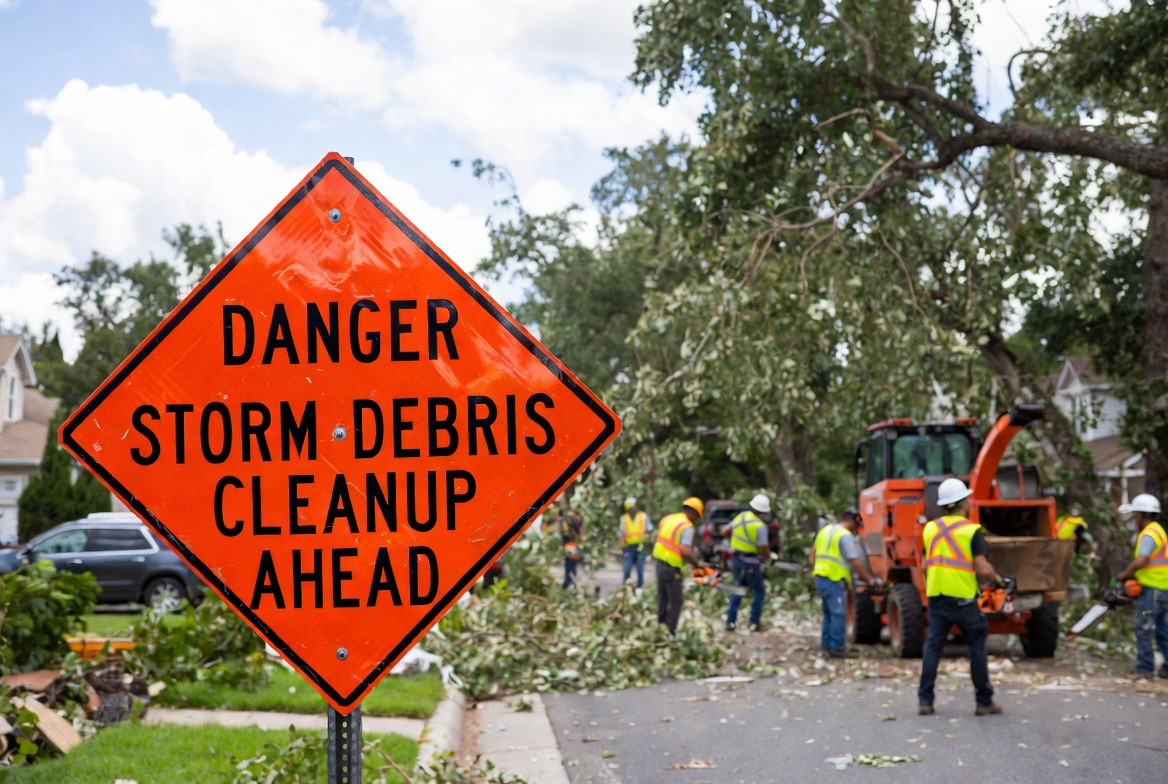
Storm Cleanup Is High-Pressure Tree Work
Storm jobs move fast. Crews work around damaged property, blocked roads, unstable trees, downed limbs, utilities, vehicles, homeowners, and emergency access issues. The insurance needs to match the urgency and exposure.
What Is Storm Cleanup Tree Service Insurance?
Coverage for tree contractors responding to storm-damaged trees, fallen limbs, emergency removals, debris cleanup, blocked access, and hazardous property conditions after severe weather.
Storm Cleanup Tree Service Insurance is a coverage structure for tree companies that respond after wind, rain, ice, snow, hurricanes, tornadoes, or other storm events create tree damage and debris removal needs.
Storm cleanup can include removing trees from roofs, clearing driveways, opening roads, cutting dangerous limbs, removing trees from vehicles, hauling debris, coordinating with property owners, and sometimes working near utilities, traffic, emergency responders, or municipal crews.
The insurance structure may involve General Liability, Workers Compensation, Commercial Auto, Inland Marine, Equipment Coverage, Umbrella or Excess Liability, and special attention to subcontractors, temporary workers, catastrophe deployment, and out-of-area operations.
Do The Intake First
Storm cleanup underwriting needs real details: emergency response work, service radius, payroll spikes, vehicles, equipment, debris hauling, subcontractors, prior claims, certificate needs, and whether crews deploy outside their normal territory.
Complete The Tree Service Intake FormWho Needs Storm Cleanup Tree Service Insurance?
Any tree contractor responding to damaged trees, emergency removals, debris, and weather-related hazards needs the operation described correctly.
Coverage Pieces For Storm Cleanup Tree Work
Storm cleanup creates a stack of exposures because crews are often working fast, under pressure, and around already-damaged property.
General Liability
Protection for third-party bodily injury and property damage claims involving storm-damaged trees, debris removal, emergency cutting, and jobsite damage.
Workers Compensation
Coverage for employee injuries involving chainsaws, unstable trees, slips, falls, struck-by hazards, cleanup debris, traffic exposure, and fatigue-driven incidents.
Commercial Auto
Coverage for trucks, trailers, chip trucks, dump trucks, bucket trucks, and vehicles traveling to storm jobs or hauling debris.
Inland Marine
Protection for chainsaws, chippers, loaders, stump grinders, trailers, climbing gear, and mobile equipment used during cleanup operations.
Umbrella & Excess
Higher limits for severe property damage, injury claims, municipal contracts, commercial accounts, or storm response work with larger exposure.
Subcontractor Review
Storm demand often leads to subcontractors or temporary crews. Certificates, contracts, workers comp, and liability limits need to be reviewed.
Debris Hauling
Hauling limbs, logs, and storm debris can create auto, cargo, equipment, dumping, and property damage considerations.
Certificate Requirements
Municipalities, property managers, HOAs, commercial clients, and general contractors may require certificates before cleanup work begins.
Where Storm Cleanup Insurance Gets Dangerous
Storm response can turn a normal tree service account into a catastrophe-style operation overnight.
The biggest problem is operational change. A tree service that normally works local residential jobs may suddenly add long hours, extra labor, emergency response, debris hauling, work near damaged structures, blocked roads, and out-of-area deployments after a major storm.
Insurance carriers care about this. They may ask whether you work under emergency declarations, travel across state lines, subcontract crews, hire temporary workers, operate near utilities, or accept municipal debris removal work.
Storm cleanup should not be casually described as ordinary tree work if the reality includes emergency removals, unstable trees, traffic exposure, power line proximity, damaged roofs, catastrophe response, or temporary payroll spikes.
Common Storm Cleanup Tree Service Claims
Storm cleanup claims often involve urgency, unstable conditions, damaged property, and multiple parties blaming each other.
Claim Scenario
Tree Removed From Roof Causes More Damage
A crew removes a storm-damaged tree from a structure and the homeowner alleges additional roof, gutter, siding, or interior water damage.
Claim Scenario
Blocked Road Clearance Accident
A crew clearing limbs near a road is involved in a traffic-related claim involving vehicles, pedestrians, cones, signage, or poor visibility.
Claim Scenario
Unstable Tree Fails During Work
A storm-damaged tree shifts, splits, falls, or drops limbs unexpectedly while the crew is cutting, rigging, or staging the cleanup.
Claim Scenario
Employee Injury During Emergency Work
An employee is injured during long storm-response hours involving chainsaws, wet ground, debris piles, unstable trees, or low-light conditions.
Claim Scenario
Debris Hauling Auto Claim
A truck or trailer hauling storm debris causes an accident or debris falls from the vehicle and damages another vehicle or property.
Claim Scenario
Subcontractor Coverage Dispute
A subcontracted storm crew causes damage or injury, and the property owner, contractor, and subcontractor dispute responsibility and insurance response.
Storm Work Needs Clean Underwriting
If your tree service performs storm cleanup, emergency response, debris hauling, municipal cleanup, or out-of-area catastrophe work, the insurance application needs to say it clearly.
Go To The Tree Service Intake FormRelated Tree Service Insurance Pages
Stay inside the tree service insurance cluster and review the pages that connect directly to storm cleanup, emergency work, equipment, auto, workers comp, and high-risk tree operations.
Other Kelly Insurance Group Resources
Useful supporting pages for contractors, liability, workers compensation, certificates, umbrella limits, commercial auto, and broader commercial insurance planning.
Frequently Asked Questions
Storm cleanup insurance questions tree service contractors should ask before taking emergency work.
Does Normal Tree Service Insurance Cover Storm Cleanup?
It depends on the policy and the actual work performed. Emergency cleanup, debris hauling, out-of-area deployments, subcontractors, and municipal work should be disclosed and reviewed before assuming coverage applies.
Do I Need Different Insurance For Hurricane Or Catastrophe Response?
Possibly. Catastrophe response may involve different territories, payroll spikes, contracts, debris hauling, temporary labor, and higher-risk job conditions. These details should be reviewed with the carrier.
Are Temporary Storm Workers Covered?
Temporary workers, subcontractors, and day labor can create serious Workers Compensation and General Liability issues. Classification, payroll, employment status, and certificates from subcontractors matter.
Does Insurance Cover Damage While Removing A Tree From A Roof?
A properly structured policy may respond to covered property damage caused by the contractor, subject to policy terms, exclusions, and the facts of the claim. Storm-damaged property can be complicated because some damage existed before the contractor arrived.