
Residential Tree Service Insurance
Insurance for tree service companies, arborists, trimming crews, removal contractors, stump grinding businesses, and bucket truck operators working around homes, garages, driveways, fences, vehicles, roofs, pools, landscaping, and neighboring residential property.
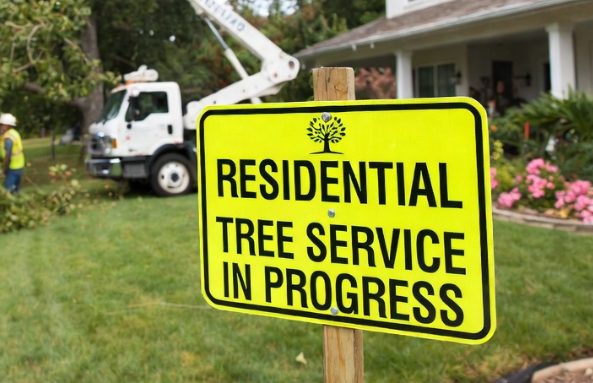
Residential Tree Work Still Carries Big Claims
Working around homes does not make the job simple. Give us the details on trimming, removals, climbing, bucket trucks, stump grinding, equipment, employees, subcontractors, and prior claims so the policy matches the operation.
What Is Residential Tree Service Insurance?
Coverage for tree contractors performing trimming, removal, pruning, stump grinding, and related work at private homes and residential properties.
Residential Tree Service Insurance is a commercial insurance program for tree contractors working on homeowners’ properties. The exposure may look smaller than commercial or municipal work, but residential tree claims can be severe.
Residential jobs often involve tight spaces, rooflines, driveways, fences, garages, parked cars, pools, patios, landscaping, irrigation, septic areas, and neighbors close to the work area. One dropped limb, wrong cut, equipment movement, or backing accident can become a costly property damage claim.
The right program may include General Liability, Workers Compensation, Commercial Auto, Inland Marine, Equipment Coverage, Umbrella or Excess Liability, and proper certificate handling when homeowners, property managers, HOAs, or contractors request proof of insurance.
Do The Intake First
Residential tree service underwriting needs the real details: pruning, removals, climbing, bucket trucks, stump grinding, employees, payroll, vehicles, equipment, subcontractors, and whether you work around high-value homes.
Complete The Tree Service Intake FormWho Needs Residential Tree Service Insurance?
If your crew works on private residential property, the policy needs to contemplate the actual work and the property damage potential.
Coverage Pieces For Residential Tree Work
Residential tree service insurance needs to protect the contractor from jobsite property damage, employee injuries, vehicle claims, equipment losses, and certificate issues.
General Liability
Protection for third-party bodily injury and property damage claims involving homes, garages, roofs, fences, vehicles, decks, lawns, pools, and neighboring property.
Workers Compensation
Coverage for employee injuries involving climbing, chainsaws, ladders, bucket trucks, falls, struck-by hazards, chippers, stump grinders, and jobsite accidents.
Commercial Auto
Coverage for trucks, trailers, chip trucks, bucket trucks, service vehicles, and accidents while driving to or backing around residential jobsites.
Inland Marine
Protection for chainsaws, ropes, climbing gear, stump grinders, chippers, loaders, and tools that move from home to home.
Equipment Coverage
Physical damage protection for owned or financed equipment used on residential tree jobs, including chippers, grinders, trailers, and loaders.
Umbrella & Excess
Higher limits for severe claims involving high-value homes, serious injury, large removals, auto accidents, or contract requirements.
Certificates Of Insurance
Homeowners, HOAs, property managers, and general contractors may request proof of insurance before work starts.
Subcontractor Issues
Coverage problems can develop when uninsured climbers, 1099 workers, or subcontracted crews are used on residential jobs.
Where Residential Tree Insurance Gets Dangerous
The mistake is thinking residential equals low risk. It does not.
Residential tree claims can be ugly because the work happens close to expensive property. Roofs, gutters, siding, windows, decks, fences, pools, pavers, irrigation, vehicles, and neighboring homes are often inches away from the work zone.
Tree contractors also need to be careful when they present themselves as “insured.” A certificate means little if the actual policy excludes tree work, climbing, removal, subcontractors, or the equipment being used.
The insurance application should clearly explain whether the company performs trimming, pruning, full removals, climbing, rigging, stump grinding, bucket truck work, storm cleanup, or any crane-assisted residential work.
Common Residential Tree Service Claims
Residential claims are often about property damage, jobsite safety, and whether the contractor’s insurance actually fits the work.
Claim Scenario
Limb Hits Roof Or Gutter
A cut limb swings or drops into a roof, gutter, fascia, skylight, chimney, siding, or window during trimming or removal.
Claim Scenario
Tree Falls Toward House
A removal goes wrong and damages the home, garage, deck, fence, pool, parked vehicle, or neighboring property.
Claim Scenario
Driveway Or Lawn Damage
Bucket trucks, loaders, chippers, trailers, or stump grinders damage concrete, asphalt, pavers, turf, sprinkler systems, or landscaping.
Claim Scenario
Neighbor Property Dispute
Branches, debris, equipment, or falling sections damage a neighbor’s fence, vehicle, lawn, roof, shed, or landscaping.
Claim Scenario
Homeowner Injury Allegation
A homeowner, visitor, tenant, or bystander alleges injury from debris, wood chips, trip hazards, equipment movement, or unsafe jobsite conditions.
Claim Scenario
Uninsured Subcontractor Problem
A hired climber, subcontractor, or 1099 worker causes damage or gets injured, creating a dispute over coverage and responsibility.
Do Not Sell “Insured” If The Policy Is Wrong
Residential customers may not know how to read a policy, but a claim will expose weak coverage fast. Make sure your tree service insurance matches the work you actually perform.
Go To The Tree Service Intake FormRelated Tree Service Insurance Pages
Stay inside the tree service insurance cluster and review the pages that connect directly to residential tree work, removals, trimming, equipment, and claims.
Other Kelly Insurance Group Resources
Useful supporting pages for contractors, liability, workers compensation, certificates, commercial auto, umbrella limits, and business insurance planning.
Frequently Asked Questions
Residential tree service insurance questions contractors should ask before relying on a basic policy.
Do Residential Tree Services Need Commercial Insurance?
Yes. Residential tree work is commercial contractor work. Homeowner jobs can still create major property damage, bodily injury, auto, equipment, and employee injury claims.
Is Landscaping Insurance Enough For Residential Tree Work?
Not always. Tree removal, climbing, rigging, bucket truck work, and stump grinding may need to be specifically disclosed and approved. A landscaping policy may not properly cover true tree service operations.
Should Homeowners Ask For A Certificate Of Insurance?
Yes. A certificate should come directly from the insurance agent or broker, not just from a contractor’s phone photo or old document. The certificate should match the business doing the work.
Does Insurance Cover Damage To A Neighbor’s Property?
A properly structured General Liability policy may respond to covered third-party property damage, including neighbor property damage, subject to policy terms, exclusions, and the facts of the claim.