Garment Contractor Insurance
A garment contractor sits in the regulatory crosshairs of the apparel supply chain. Two federal regimes — the Fair Labor Standards Act with its "hot goods" enforcement tool, and OSHA's general-industry standards covering industrial sewing operations — apply directly to every U.S. garment contractor. California layers a third regime on top: the Garment Worker Protection Act (Senate Bill 62), the only state law of its kind in the country, making brand guarantors jointly and severally liable with their contractors for wage violations and banning piece-rate pay outright.
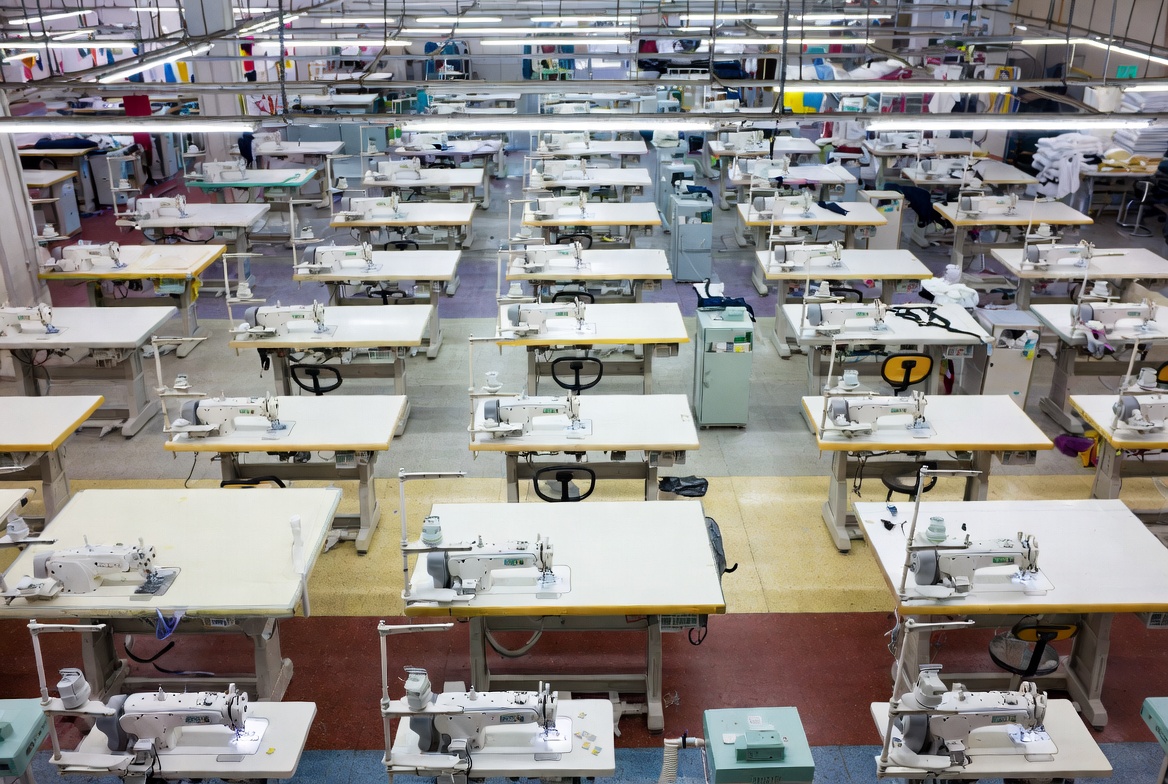
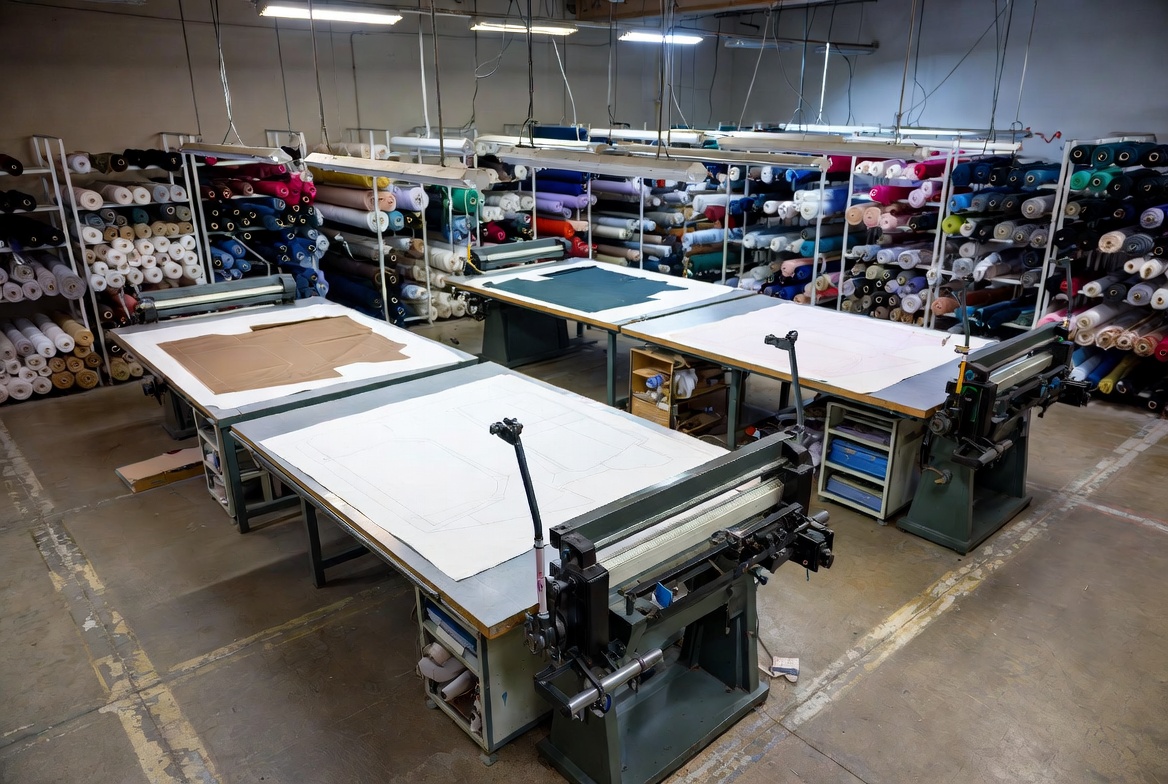
The brokerage places programs purpose-built for contractors in this class — full-package cut-make-trim operations, sewing-only subcontractors, specialty operations including dyeing and finishing, sample rooms, LA Garment District operators, and multi-state production houses. Coverage respects three structural realities most generic apparel-manufacturer programs were never written to address: machinery and ergonomic exposure on the production floor, customer-owned fabric and trim held in the contractor's custody, and the wage-and-hour audit risk that comes with every contracted job.
Why a garment contractor isn't a generic manufacturer account.
A generic small-manufacturer policy is rated against a generic exposure model — machinery on a production floor, owned raw materials, an in-house workforce. A garment contractor's working reality has all of those plus a regulatory layer no other manufacturing class carries. The Department of Labor can seek a court order halting the interstate shipment of finished goods if the contractor violated minimum wage, overtime, or child-labor rules during production. California has its own statutory machinery, the Garment Worker Protection Act, that holds brand guarantors and retailers jointly and severally liable with the contractor for wage violations — and creates a rebuttable presumption of liability based on something as minimal as a brand label found on the finished garment.
That asymmetry — a contractor exposure where the contracted-with parties (the brand, the retailer) carry direct legal liability for the contractor's wage-and-hour posture — is what makes garment contracting a specialty insurance account. The contractor's own EPLI, workers' comp, and CGL aren't enough. The brand or retailer's purchasing decisions depend on the contractor's regulatory posture; an SB 62 audit reaching the brand's general counsel can end the production relationship before any wage claim is fully adjudicated.
A garment contractor's program has to respond to machinery injury, customer-owned fabric in custody, a wage-and-hour audit reaching the brand, a hot-goods shipment halt, and the OSHA inspection that frequently follows.This page is the contractor's view of how the program gets built: the six operating types contractors run today, the four-tier brand-guarantor liability cascade that SB 62 actually creates, the ten-line coverage panel that anchors a clean account, the six dominant loss patterns the specialty market sees on contractor files, and the four federal-and-state regulatory pillars (SB 62, FLSA, OSHA, DIR Registration) that frame the entire compliance posture. The compliance status board on the right side of the hero is the literal submission artifact the brokerage works toward at every renewal.
How garment contractors actually structure operations.
"Garment contractor" describes at least six distinct operating models. Each rates differently, schedules differently, and concentrates exposure in a different place. The cards below map what each operating type actually is and the dominant coverage line that tends to drive the rating.
Full-Package Cut-Make-Trim
End-to-end contractor — receives pattern and fabric from brand or manufacturer, handles cutting, sewing, finishing, and packaging. Highest aggregate exposure across the cluster — machinery, customer-owned goods, full SB 62 brand-guarantor cascade.
Cut-Make-Trim Sewing Only
Sewing-focused subcontractor receiving cut goods from cutting houses or brand. Concentrated machinery exposure — industrial sewing machines, overlock stations, bartack and buttonhole equipment. Customer-owned WIP held throughout the production cycle.
Specialty Operations
Dyeing, screen-printing, embroidery, garment washing, finishing. SB 62's expanded definition explicitly includes dyeing and altering garment design — the specialty contractor sits inside the same statutory framework as the cutting and sewing operations.
Sample Room Contractor
Pre-production sample maker working from designer specifications. Smaller staff, often higher-skill workforce, lower aggregate production but high customer-relationship value. Bailee exposure on irreplaceable proprietary sample fabrics.
LA Garment District Operator
One of roughly 2,000 manufacturers operating in the Los Angeles garment district. Operates squarely inside SB 62 jurisdiction; the highest underwriting scrutiny in the country on the compliance-posture audit. Brand-guarantor exposure flows fully through the operation.
Multi-State Production House
Operations across multiple states — frequently including California, Texas, New York, North Carolina, or border-region operations. Compliance complexity multiplies: each state's wage and registration rules apply independently to the workforce in that state.
Four tiers. How joint-and-several liability actually flows.
California Senate Bill 62 creates a four-tier liability cascade for garment-manufacturing wage violations. Joint and several liability means a worker can recover the full amount of unpaid wages from any party in the chain — not just the direct employer. The diagram below maps the four tiers and how SB 62 connects them.
Joint-And-Several Liability · CA Labor Code via SB 62
4 Tiers · Joint LiabilityBrand Guarantor
Any person contracting for the performance of garment manufacturing — including brand owners and retailers selling under their own label. SB 62 created the expanded "brand guarantor" definition to close the AB 633 loopholes. Liable for the full amount of unpaid wages owed by anyone downstream.
Garment Manufacturer
The entity contracting with the contractor to have garments produced. Frequently a separate entity from the brand but increasingly the same legal person under SB 62's expanded scope. Liable as guarantor for the full amount of unpaid wages.
Garment Contractor
The factory itself — directly employing the workers performing cutting, sewing, dyeing, finishing, or label affixing. The first party with the direct compliance obligation under FLSA §§ 6 & 7 and CA Labor Code. Always in the cascade.
Subcontractor
Any further sub-tier contractor the primary contractor may use for specialty operations (button sewing, embroidery, finishing). SB 62 explicitly reaches subcontractors; liability does not stop at the first contracting layer.
Under SB 62, an employee may establish a presumption of liability with minimal evidence — a brand label "or other credible information." A rebuttable presumption arises that the garment manufacturer or brand guarantor is jointly and severally liable with the contractor for any amounts found owed. The Labor Commissioner's expedited timeline produces a decision or award within 90 to 120 days of claim receipt — far faster than typical state-court wage litigation.
If the FLSA hot-goods provision at 29 USC § 215(a)(1) is invoked, the Department of Labor can seek a court order — including a temporary restraining order — preventing interstate shipment of any goods produced in violation. DOL must show violations occurred within 90 days before the goods were removed from the establishment. A "good-faith purchaser" exception under 29 CFR Part 789 requires a written assurance from the producer. The downstream brand or retailer in possession of hot goods is exposed to the same shipment-halt order as the producing contractor.
Ten lines that anchor a clean garment contractor account.
The panel on the right is the ten-line coverage build for a typical garment contractor account. The structure recognizes the three structural exposures that make this class specialty: machinery on the floor, customer-owned property in the contractor's custody throughout production, and the wage-and-hour audit risk that flows upstream to brand guarantors.
Underwriters reading the submission pay particular attention to the EPLI scope, the wage-and-hour endorsement structure, and the bailee or customer-goods coverage limits. Sample carriers that historically wrote generic apparel-manufacturer accounts have specifically excluded California exposures from new submissions since SB 62 became effective in 2022; the brokerage works specialty markets that explicitly accept the exposure.
Standard EPLI policies often exclude or sub-limit wage-and-hour claims. Specialty wage-and-hour endorsements (sometimes branded "California Wage & Hour" or "Labor Code Compliance") respond to defense costs in DLSE proceedings and limited indemnity for certain class-action exposures. The brokerage reviews the exact endorsement language against the specific California Labor Code exposures the contractor carries.
BPP
Business Personal Property
Production floor equipment — industrial sewing machines, cutting tables, overlock and coverstitch stations, pressers, fusing equipment, racks, dollies, finishing stations. Owned WIP and finished inventory separate from customer-owned goods.
CGL
Commercial General Liability
Premises and operations, products-completed operations, personal & advertising injury. The certificate-issuing form for landlords, customers, and brand-side compliance audits. ISO CG 00 01 is the standard base form for the class.
Products
Products Liability
Bodily injury or property damage caused by the finished garment. Includes flammability claims under 16 CFR 1610, dye-reaction allergic-contact claims, and labor-defect claims (seams failing in use, fasteners detaching). Frequently bundled inside CGL.
WC
Workers' Compensation & Employer's Liability
Statutory. Most contractors classified under NCCI Code 2501 (cloth, canvas, and related goods manufacturing). Ergonomic exposure — repetitive sewing motion — and machinery injury are the dominant claim frequencies in this class.
EPLI
Employment Practices Liability
Discrimination, harassment, retaliation, wrongful termination. For California operators, the wage-and-hour endorsement scope matters as much as the underlying form — specialty endorsements respond to DLSE-proceeding defense costs and certain class exposures.
W&H End.
Wage & Hour Endorsement
Specialty endorsement riding on EPLI or standalone. Defense costs in DLSE proceedings, Labor Commissioner hearings, and certain wage-and-hour litigation. For California contractors, the only mechanism for any insurance response to SB 62 audit defense.
Bailee
Bailee / Customer Goods
Customer-owned fabric, trim, patterns, and WIP held in the contractor's custody throughout production. Per-customer schedule for higher-value engagements. Specialty sample-room operators frequently carry the entire program around this line.
Inland Marine
Inland Marine / Transit
Customer goods and finished production in transit between customer locations, the contractor's facility, and subcontractors. Per-shipment limits scaled to highest-value run. Multi-state production frequently needs dedicated transit programs.
Cyber
Cyber & Privacy
Breach response, social-engineering and funds-transfer fraud. Garment contractors hold customer pattern IP, production schedules, supplier banking data — the operating layer that targeted cyber-criminals attack via vendor-impersonation fraud.
Umbrella
Umbrella / Excess Liability
Sits above CGL and Employer's Liability. $1M–$5M typical first layer. Larger contractors with major-retailer accounts frequently carry $5M–$10M total liability tower required by underlying production agreements.
Six incident classes. How they actually land on a contractor file.
The patterns below are composite illustrations of the claim categories the specialty market sees on garment contractor files. They are educational — they do not describe specific clients. Actual coverage outcomes depend on the specific policy form, sub-limits, and exclusions in force at the time of loss.
Wage-And-Hour Audit Reaching The Brand
A former contractor employee files a DLSE complaint alleging unpaid overtime and minimum-wage shortfalls over a multi-year period. SB 62's rebuttable presumption brings the brand guarantor and the manufacturer into the proceeding. EPLI's wage-and-hour endorsement responds to defense costs in the Labor Commissioner proceeding.
Hot-Goods Shipment Halt
A DOL investigation finds FLSA minimum-wage violations during a recent production run. The Department invokes 29 USC §215(a)(1) and obtains a temporary restraining order halting interstate shipment. The brand in possession of the finished goods cannot ship until violations are remediated. The contractor faces back wages, liquidated damages, and the loss of the customer relationship.
Piece-Rate Penalty Cascade
A California contractor compensates workers on a per-garment basis through what the operation labels as "incentive pay" alongside hourly wages. A DLSE investigation determines the structure violated SB 62's piece-rate ban. $200/employee per pay period statutory damages compound rapidly across the workforce; brand guarantor liability flows upstream.
Industrial Sewing Machine Injury
A worker on the production floor sustains a finger injury at an industrial sewing station with inadequate machine guarding under OSHA 29 CFR 1910.212. Workers' comp engages immediately; an OSHA inspection follows; the contractor may face citations for general-industry machinery-guarding violations.
Customer-Owned Fabric Loss
A water incident at the production facility damages a customer's proprietary fabric received for an upcoming run — the fabric is custom-developed and not commercially available. Bailee or customer-goods coverage responds at the valuation method agreed in advance; sample-room exposure typically carries higher per-customer limits than CMT operations.
OSHA General-Industry Inspection
An unannounced OSHA inspection — triggered by a worker complaint, a referral from another agency, or programmed inspection priorities — produces citations across multiple 29 CFR Part 1910 subparts: machinery guarding (1910.212), power transmission (1910.219), walking-working surfaces (Subpart D), and electrical (Subpart S). The contractor faces remediation costs and potential repeat-violation classifications.
Scenarios above are composite illustrations drawn from publicly documented claim categories in the specialty garment contractor class. Actual coverage outcomes are determined by the specific policy forms, endorsements, sub-limits, deductibles, and exclusions in force at the time of loss. OSHA citations and certain wage-and-hour statutory penalties are generally not insurable under standard policy forms; the brokerage points contractors to the documented carrier responses available for each exposure.
SB 62 · FLSA · OSHA · DIR Registration.
A garment contractor's regulatory posture sits on four pillars: SB 62 (California's expanded brand-guarantor and piece-rate framework, effective January 1, 2022), the FLSA (federal minimum wage, overtime, and child labor under 29 USC, with the hot-goods enforcement tool at §215(a)(1)), OSHA (general-industry standards at 29 CFR Part 1910 covering machinery guarding, walking-working surfaces, electrical, and emergency preparedness), and California-specific DIR Registration (annual registration under Labor Code §2675 with surety bond).
Compliance with all four pillars is the floor for any specialty carrier appetite. Documented compliance — written policies, annual training records, posted notices, current registrations — is the underwriting artifact the brokerage's submission carries to market.
The California Department of Industrial Relations maintains a publicly searchable list of registered garment manufacturers under Labor Code §2675. Brand guarantors performing supplier due diligence frequently check this list before placing orders; an active DIR registration is the entry-level signal that the contractor is operating within the formal compliance framework.
SB 62
Garment Worker Protection Act
// Signed Sept 27, 2021 · Eff. Jan 1, 2022Bans piece-rate pay. Creates brand-guarantor joint and several liability. $200/employee penalty per pay period. 4-year recordkeeping requirement covering contracts, invoices, purchase orders, work orders, and style or cut sheets. Expanded definition reaches dyeing, altering garment design, and label affixing. 90–120 day Labor Commissioner expedited timeline.
1938
Fair Labor Standards Act
// 29 USC §§ 201 et seq.Federal minimum wage ($7.25/hour), overtime (§7), and child labor (§12) protections. Hot-goods provision at § 15(a)(1) (codified at 29 USC § 215(a)(1)) allows DOL to seek court order halting interstate shipment of goods produced in violation. 90-day look-back. Good-faith purchaser exception requires written assurance under 29 CFR Part 789.
1910
OSHA General Industry
// 29 CFR Part 1910Machinery guarding (1910.212), mechanical power-transmission apparatus (1910.219), walking-working surfaces (Subpart D), electrical (Subpart S), and emergency preparedness. Industrial sewing and cutting equipment falls squarely under the general-industry rules. Inspections triggered by worker complaint, agency referral, or programmed-inspection priorities.
§2675
DIR Registration
// CA Labor Code §2675California-specific. Garment manufacturers must register annually with the Division of Labor Standards Enforcement. Surety bond required. Publicly searchable registration list maintained by DIR. Operating without active registration creates direct exposure and is a frequent finding in DLSE wage investigations.
Pages that connect to a garment contractor file.
A garment contractor account sits at the intersection of three clusters: the fashion industry vertical, the broader manufacturing and supply-chain coverage book, and the core compliance and liability lines that anchor any commercial account.
// Fashion Industry Cluster
// Compliance & Liability Coverage
Garment contractor insurance FAQ.
Does a standard small-manufacturer policy cover my contracting operation?
What does California SB 62 actually require of my operation?
What is the FLSA "hot goods" provision?
29 USC § 215(a)(1) (FLSA § 15(a)(1)) prohibits the interstate shipment of goods produced in violation of the Act's minimum wage, overtime, or child-labor provisions. DOL can seek a court order — including a temporary restraining order — to halt shipment. DOL must show violations occurred within 90 days before the goods were removed from the producer's establishment. A "good-faith purchaser" exception under 29 CFR Part 789 protects downstream purchasers who received written assurance from the producer that the goods were produced in compliance — but the burden of producing that documentation falls on the purchaser.Do I need to register with the California DIR?
What does my workers' comp class code typically look like?
NCCI Code 2501 — Cloth, Canvas, and Related Products Manufacturing — which covers cutting, sewing, finishing, and assembling soft-goods operations. Specialty operations (dyeing, screen printing) may pick up separate class codes; multi-state operations may carry different state-specific codes for the same operating function. NCCI 2501 is rated higher than retail or office classifications because of the ergonomic exposure and machinery-injury frequency on industrial sewing equipment.What OSHA rules apply to industrial sewing operations?
1910.212 (machinery guarding general requirements); 1910.219 (mechanical power-transmission apparatus); Subpart D (walking-working surfaces); Subpart S (electrical); and Subpart L (fire protection). Industrial sewing machines, cutting equipment, presses, fusing equipment, and finishing machinery all engage one or more of these provisions. The brokerage works with contractors on documented machine-guarding posture as part of the submission package.Does my EPLI policy cover SB 62 wage-and-hour exposures?
What if my contractor relationship is with a brand outside California?
How does customer-owned fabric coverage work?
What if I've been declined or non-renewed by another carrier?
How long does the submission process take?
What about subcontractor exposure?
Start the garment contractor submission.
Use the intake portal to begin the submission, or schedule a discovery call to walk through the operating type, machinery roster, compliance posture, and customer-relationship structure before any paperwork moves. Clean submissions reach first carrier indication within five to ten business days.