FASHION TRADE SHOW VENDOR INSURANCE
Fashion trade show vendor insurance for apparel exhibitors, designer market booths, showroom vendors, seasonal collection launches, accessory tables, sample-rack displays, wholesale market events, fashion convention booths, trunk show sellers, jewelry and handbag exhibitors, and fashion brands that need venue certificates, inventory transit review, booth property coverage, product liability, staff coverage, cyber and POS review, and commercial umbrella support.
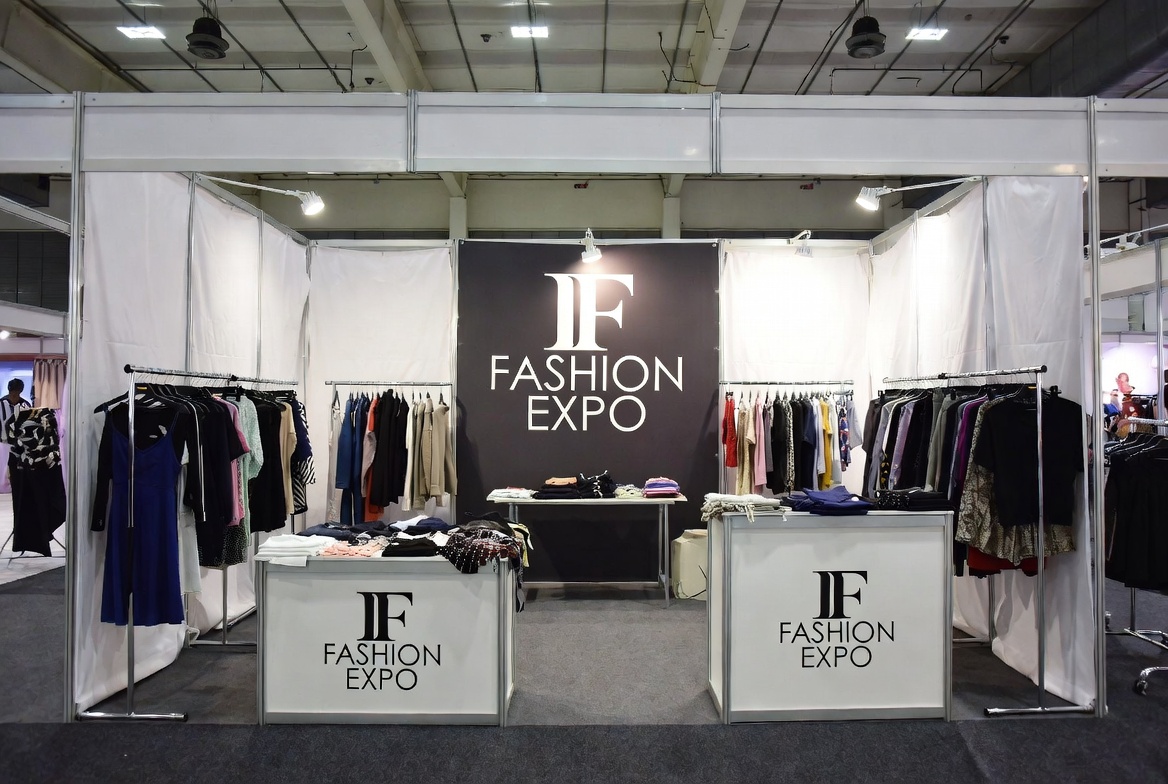 EXHIBITOR COI
START YOUR FASHION TRADE SHOW VENDOR QUOTE WITH THE INTAKE FORM
Trade show insurance becomes time-sensitive when the organizer requires additional insured wording, waiver language, primary and non-contributory wording, booth property coverage, inventory in transit, workers compensation, exhibitor setup dates, load-in access, or proof of coverage before badges are issued. Start with the intake so the submission can be organized around the contract, booth, goods, people, and movement.
COMPLETE THE TRADE SHOW VENDOR INTAKECOVERAGE FOR THE BOOTH, THE CONTRACT, THE INVENTORY, THE STAFF, AND THE GOODS IN MOTION
FASHION TRADE SHOW VENDOR INSURANCE is a commercial insurance program built around temporary exhibitor activity: booth setup, sample racks, product tables, buyer appointments, venue contracts, certificates of insurance, load-in/load-out, product displays, staff, temporary workers, POS systems, influencer activity, inventory transit, and post-show shipment. Depending on the operation, the program may include general liability, special event liability, commercial property, inland marine, property of others, product liability, workers compensation, hired and non-owned auto, cyber, crime, and umbrella or excess liability.
WHAT IS FASHION TRADE SHOW VENDOR INSURANCE?
A specialty coverage stack for fashion brands and exhibitors that temporarily move products, fixtures, people, and sales activity into a convention or market environment.
Fashion trade show vendors operate in a compressed insurance environment. A booth may only be open for a few days, but the exposure starts before the show begins: inventory is packed, samples are pulled, rolling racks are loaded, fixtures are shipped, badges are assigned, venue contracts are signed, certificates are requested, and staff travel to the exhibition hall.
The underwriting question is not simply whether the business sells clothing. The better question is: what is being exhibited, who owns it, how is it transported, what does the venue contract require, who is staffing the booth, are products sold on site, is cash or digital payment accepted, does the booth include jewelry or high-value accessories, and what happens if goods are stolen, damaged, delayed, or returned in disputed condition?
Fashion trade show vendor insurance should be coordinated with adjacent KIG pages such as Special Event Insurance, Fashion Pop-Up Shop Insurance, Fashion Showroom Insurance, Sample Garment Insurance, High-Value Fashion Inventory Insurance, and Certificates Of Insurance.
FASHION TRADE SHOW VENDOR COVERAGE AREAS
Each coverage area solves a different part of the exhibitor workflow. The right program depends on booth type, venue contract, product mix, staffing, inventory values, and how goods move to and from the event.
GENERAL LIABILITY FOR BOOTH & EXHIBITOR OPERATIONS
Premises and operations liability for buyers, attendees, venue staff, neighboring exhibitors, installers, couriers, models, stylists, brand reps, and guests interacting with the booth, racks, displays, and product tables.
VENUE CERTIFICATES & ADDITIONAL INSURED REVIEW
Trade show organizers, venues, property managers, convention centers, landlords, and event producers may request certificates showing specific wording. The actual policy must support the certificate wording.
BOOTH PROPERTY, FIXTURES & DISPLAY EQUIPMENT
Coverage review for racks, mirrors, signage, lighting, mannequins, POS devices, garment bags, fixtures, booth walls, display tables, storage bins, promotional materials, and rented or borrowed display property.
INVENTORY, SAMPLES & INLAND MARINE TRANSIT
Fashion goods may move from warehouse, showroom, sample room, designer studio, boutique, 3PL, or prior event into the exhibition hall. Location-only property may not follow goods during shipment, load-in, booth display, or return transit.
WORKERS COMPENSATION & TEMPORARY STAFFING
Employees, brand ambassadors, temporary workers, installers, sales reps, and setup helpers may create workers compensation, OSHA, staffing-agency, and host-employer questions during setup, show hours, and tear-down.
CYBER, CRIME, POS & PAYMENT EXPOSURE
Mobile point-of-sale devices, QR checkout, customer lists, wholesale portals, buyer data, deposits, shipping labels, vendor payments, and card transactions can create cyber, crime, and funds-transfer exposure.
Have the exhibitor agreement or venue COI wording? Send the contract language before the certificate is requested.
Complete The Trade Show Vendor Intake →BOOTH SETUP, LOAD-IN, LOAD-OUT & EXHIBITOR CONTRACTS
The highest-risk moments often happen before the first buyer arrives: setup, rack placement, freight movement, badge access, electrical cords, signage, and delivery handoffs.
WHEN THE BOOTH BECOMES A TEMPORARY BUSINESS LOCATION
A fashion trade show booth may include rolling racks, garment bags, mirrors, mannequins, shelving, lights, signage, promotional displays, samples, finished goods, buyer books, QR payment signage, POS devices, chairs, rugs, temporary flooring, and rented booth fixtures.
The insurance file should separate the booth by responsibility: owned property, rented property, venue property, contractor-installed property, inventory for sale, samples for display, property belonging to other designers, and goods that leave the booth with buyers, stylists, or couriers.
The strongest submissions include exhibitor agreement, certificate wording, booth number, load-in dates, show dates, product categories, inventory values, staffing plan, shipping method, and whether goods are sold, sampled, loaned, or displayed only.
FASHION TRADE SHOW VENDOR POLICY STRUCTURE
A trade show vendor program works best when built in layers: exhibitor liability, booth property, inventory movement, staffing, product exposure, and contract-driven limit requirements.
EXHIBITOR LIABILITY
General liability or special event liability for booth operations, attendee interaction, venue requirements, setup activity, booth traffic, and certificate requests.
BOOTH PROPERTY
Owned and rented fixtures, display equipment, rolling racks, POS devices, product tables, booth signage, samples, high-value display goods, and temporary property on site.
TRANSIT & STOCK
Inland marine, off-premises property, inventory in transit, shipment to and from the exhibition hall, load-in/load-out, courier pickup, and unsold inventory return.
DIGITAL & STAFFING
Workers compensation, temporary staffing review, cyber, crime, funds-transfer fraud, mobile POS, influencer activity, product liability, and umbrella/excess where required.
THE HARD PART: THE EVENT CONTRACT IS NOT THE SAME AS THE POLICY
A certificate request can look simple, but the policy has to actually support what the contract asks for.
THE EXHIBITOR AGREEMENT CONTROLS THE FIRST INSURANCE QUESTION. A venue may ask for additional insured status, waiver of subrogation, primary and non-contributory wording, specific limits, proof of workers compensation, or coverage for setup and tear-down dates.
A certificate of insurance is evidence of insurance; it does not rewrite the policy. The coverage form, endorsements, named insured, effective dates, limits, exclusions, and actual endorsement language need to match the request. That is why KIG asks for the contract language before treating a trade show certificate as a routine admin task.
This is especially important when the booth includes high-value fashion inventory, jewelry, watches, designer samples, rented booth property, temporary staff, live styling, models, influencers, media activity, product demonstrations, or on-site sales.
PRODUCT DISPLAY TABLES, ACCESSORIES & SEASONAL COLLECTIONS
A product table can carry more exposure than it appears to carry: jewelry, accessories, samples, prototype pieces, buyer information, and products being handled by many people in a crowded venue.
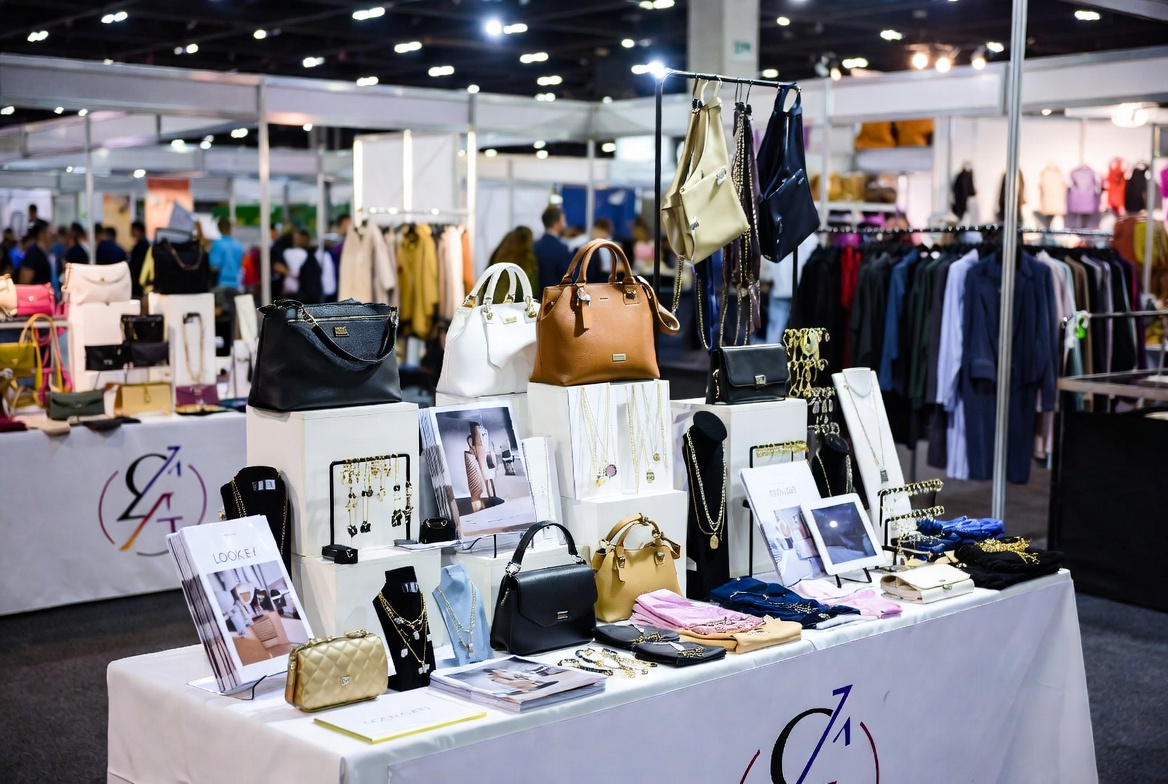
WHEN DISPLAY INVENTORY IS HANDLED LIKE RETAIL BUT STORED LIKE EVENT PROPERTY
Trade show displays may include accessories, handbags, footwear, jewelry, watches, seasonal samples, prototype pieces, line sheets, packaging, QR checkout cards, tablets, order forms, and promotional giveaways.
The value story should separate product categories because a rack of apparel, a table of fine jewelry, a case of watches, a prototype handbag, and a borrowed accessory collection do not create the same theft, valuation, transit, or product liability issue.
A clean trade show submission explains whether products are for sale, display only, wholesale sample only, buyer demo only, borrowed, rented, consigned, or shipped back to a warehouse after the event.
SOURCE-BACKED TRADE SHOW VENDOR RISK NOTES
These are not cost estimates or legal opinions. They are factual source anchors that explain why fashion trade show vendors need more than a generic event certificate.
TEXTILE FIBER LABELING
The FTC Textile Fiber Rule requires certain textile products sold in the United States to disclose fiber names and percentages, manufacturer or marketer identity, and processing or manufacturing country. Official FTC source
CARE LABELING FOR APPAREL SOLD OR DISPLAYED FOR SALE
The FTC Care Labeling Rule applies to manufacturers and importers of textile wearing apparel and certain goods and requires regular care instructions through labels or other permitted methods. Official FTC source
CLOTHING TEXTILE FLAMMABILITY
CPSC’s 16 CFR Part 1610 standard states that Class 3 textiles exhibit rapid and intense burning, are dangerously flammable, and shall not be used for clothing. Official eCFR source
TEMPORARY WORKERS & BOOTH STAFF
OSHA states that temporary staffing agencies and host employers share control over temporary workers and are jointly responsible for worker safety and health. Official OSHA source
PUBLIC ACCESS & BOOTH LAYOUT
ADA Title III regulations address nondiscrimination on the basis of disability by public accommodations and commercial facilities. Booth layout, aisles, counters, and displays should be considered in the venue context. Official ADA source
INFLUENCERS, ENDORSEMENTS & BOOTH CONTENT
FTC Endorsement Guides address the application of Section 5 of the FTC Act to endorsements and testimonials in advertising, which can matter when creators, models, influencers, or paid brand ambassadors promote the booth. Official eCFR source
FASHION TRADE SHOW CONTRACT & CERTIFICATE REQUIREMENTS — EXAMPLES
Fashion vendors often receive certificate requests from convention centers, trade show organizers, market hosts, property managers, event producers, booth contractors, and showroom operators. Exact wording should always be reviewed before issuing a certificate.
TRADE SHOW ORGANIZER ADDITIONAL INSURED
Exhibitor shall maintain commercial general liability insurance covering booth setup, exhibitor operations, product display, load-in, load-out, and related activities. Trade show organizer, venue, event producer, property manager, and their respective affiliates may be required to be named as additional insureds where required by written contract.
LOAD-IN / LOAD-OUT PROPERTY & VENUE DAMAGE
Vendor shall be responsible for damage caused by its booth property, rolling racks, signage, product displays, fixtures, carts, freight, equipment, employees, contractors, or representatives during move-in, show hours, and move-out, subject to applicable policy terms and the exhibitor agreement.
INVENTORY, SAMPLES & PROPERTY IN TRANSIT
Exhibitor should separately review coverage for apparel, samples, accessories, jewelry, fixtures, display equipment, and goods in transit to or from the venue, including carrier shipment, courier, hand-carry, warehouse transfer, and post-show return shipment.
TEMPORARY WORKERS, STAFFING & CONTRACTORS
Vendor should disclose employees, temporary workers, booth staff, brand ambassadors, installers, security, sales representatives, and contractors working at the booth, including setup and tear-down duties, so workers compensation and vendor certificate requirements can be reviewed correctly.
RELATED FASHION, EVENT, INVENTORY & COMMERCIAL COVERAGE
Sitemap-aware internal links that keep the fashion trade show vendor page connected to the broader KIG specialty library.
FASHION EVENT, POP-UP & TRADE SHOW COVERAGE
FASHION INVENTORY, SAMPLES & BRAND OPERATIONS
APPAREL, ACCESSORIES, JEWELRY & PRODUCT CATEGORIES
FASHION TRADE SHOW VENDOR INSURANCE FAQ
Common questions from apparel exhibitors, market vendors, designers, accessory brands, showroom operators, and brands preparing for fashion trade shows.
What does fashion trade show vendor insurance cover?
Fashion trade show vendor insurance is a commercial insurance program for temporary exhibitor operations. Depending on the booth and contract, it may include general liability, special event liability, booth property, commercial property, inland marine, inventory in transit, property of others, product liability, workers compensation, hired and non-owned auto, cyber, crime, and umbrella or excess liability.
Why does the trade show organizer ask for a certificate of insurance?
The organizer, convention center, venue, or property manager usually wants evidence that the vendor carries active insurance for booth operations. The certificate may need to show a certificate holder, additional insured wording, waiver of subrogation, primary and non-contributory wording, or specific limits if required by contract.
Does my regular business policy cover trade show inventory?
Sometimes, but not automatically. A standard property policy may be limited to scheduled locations and may not follow inventory during shipment, load-in, booth display, overnight venue storage, post-show packing, or return transit. Inland marine or off-premises property review may be needed.
What if we display samples but do not sell products at the show?
Sample-only booths still need review. Samples may be owned by the brand, borrowed from designers, held on consignment, or used for wholesale appointments. The submission should explain sample values, ownership, movement, sign-out procedures, condition documentation, and whether any pieces leave the booth with buyers or stylists.
What if we display jewelry, watches, handbags, or luxury accessories?
High-value goods should be disclosed clearly. Jewelry, watches, handbags, designer accessories, and luxury samples can create theft-sensitive inventory, appointment-only traffic, safe or security requirements, special transport procedures, and underwriting that differs from standard apparel display racks.
Do we need workers compensation for booth staff?
Workers compensation requirements depend on state law, employee status, and staffing structure. Employees, temporary workers, brand ambassadors, setup crews, sales reps, and contractor relationships should be disclosed because injury exposure and legal requirements may differ by arrangement.
Does trade show vendor insurance cover load-in and load-out?
Load-in and load-out must be reviewed specifically. These periods can involve rolling racks, carts, freight elevators, contractors, rented fixtures, delivery vehicles, venue property, and employee injury exposure. The event dates, setup dates, and tear-down dates should be included in the submission.
What information is needed to start a fashion trade show vendor insurance submission?
Useful information includes legal entity, event name, venue address, booth number, event dates, setup and tear-down dates, exhibitor agreement, certificate wording, inventory values, sample values, product categories, staffing plan, transportation method, current policies, and prior loss history.
Can one policy cover multiple trade shows?
Sometimes an annual program can support multiple shows, but each venue, certificate holder, contract wording, product category, and inventory movement still needs to be reviewed. A fashion market booth, jewelry trade show, outdoor vendor market, and luxury showroom event may require different endorsements or certificates.
What makes a fashion trade show vendor account hard to place?
Hard-to-place factors can include late certificate requests, high-value goods, jewelry or watches, prior theft, outdoor exposure, incomplete exhibitor agreements, unclear staffing, frequent inventory transit, poor sample documentation, live demonstrations, influencer events, sales of children’s products, or contract wording that does not match the current policy.
Does cyber insurance matter for a trade show booth?
It can. Mobile POS devices, customer contact capture, QR checkout, wholesale portals, buyer lists, digital order forms, payment links, shipping labels, and vendor payment systems can create cyber and crime exposure. Cyber and crime coverage should be reviewed when the booth uses digital sales or payment workflow.
Is this page legal, compliance, product-safety, or coverage advice?
No. This page is insurance education and underwriting preparation only. Legal, venue, labor, product safety, textile labeling, ADA, event, contract, and coverage questions should be reviewed with qualified counsel, compliance professionals, the venue, or a licensed insurance advisor reviewing the actual policy.
START THE FASHION TRADE SHOW VENDOR INSURANCE SUBMISSION
Send the exhibitor story first: venue contract, certificate wording, booth number, setup dates, show dates, product categories, sample values, inventory movement, staffing plan, vendor partners, POS workflow, and any high-value goods.
OPEN THE INSURANCE INTAKE FORMS PORTAL