Garment District Business Insurance
Garment District business insurance is built for the mixed-use fashion ecosystem around Manhattan’s showroom floors, sample rooms, apparel contractors, buyer appointments, freight elevators, fabric racks, delivery trucks, cutting tables, alterations, production offices, and high-turnover inventory. A Garment District business is rarely one clean class code. It is usually a building-stack of operations compressed into a few blocks.
Kelly Insurance Group structures these accounts by workflow: what happens in the showroom, what happens in the back room, what happens at the contractor, what moves through the loading dock, what is borrowed or consigned, what is stored offsite, what travels to buyers or trade shows, and what contracts require before the certificate is accepted.
Garment District Alliance materials describe the district area as roughly 35th to 41st Streets, Fifth to Ninth Avenues.
New York State says apparel industry manufacturers and contractors must register annually by January 15.
OSHA identifies sewing, cutting, gluing, and stitching as apparel and footwear activities with workplace exposure.
NYC DOT identifies loading zones as a freight-management tool supporting deliveries and curb access.
The Block Is The Business Model
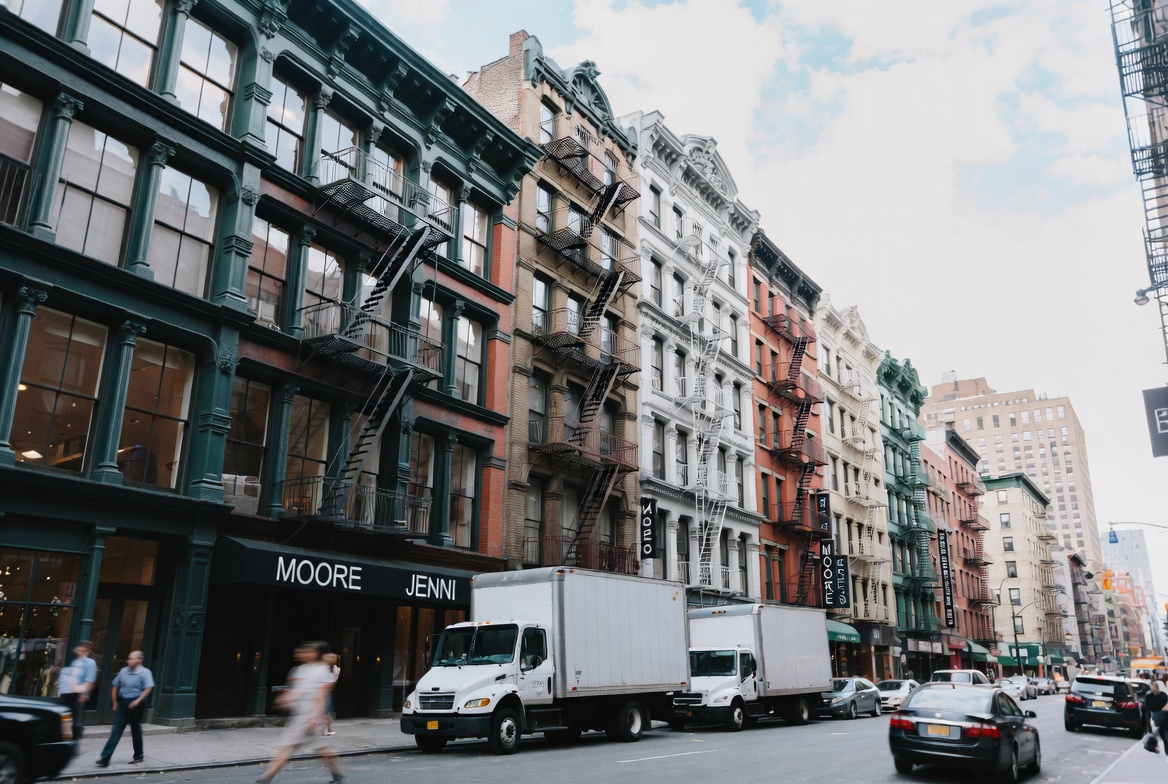
The Garment District insurance conversation does not start with “retail” or “manufacturing.” It starts with the building. A showroom may be on one floor, a sample room two floors up, a small contractor down the hall, a fabric vendor across the street, a freight elevator shared with non-fashion tenants, and a delivery truck idling outside while garment racks move through the lobby.
That compression changes the underwriting file. A suburban apparel warehouse is usually a warehouse. A Garment District address may be a showroom, office, sample library, buyer meeting space, small production room, storage closet, contractor coordination office, fulfillment point, and event staging location. Each layer may require different coverage language.
A strong Garment District business insurance submission explains the daily traffic pattern: employee count, buyer appointments, sample movement, freight deliveries, property of others, contractor relationships, landlord requirements, sales channels, inventory values, and whether the business makes, sells, represents, imports, alters, stores, ships, or loans garments.
Choose The Floor Where The Exposure Lives
A Garment District business can change class by floor, hallway, or freight elevator. Use the directory below to see how different operations create different underwriting concerns. Core text remains crawlable; the interaction adds routing and usability.
Fashion Showroom
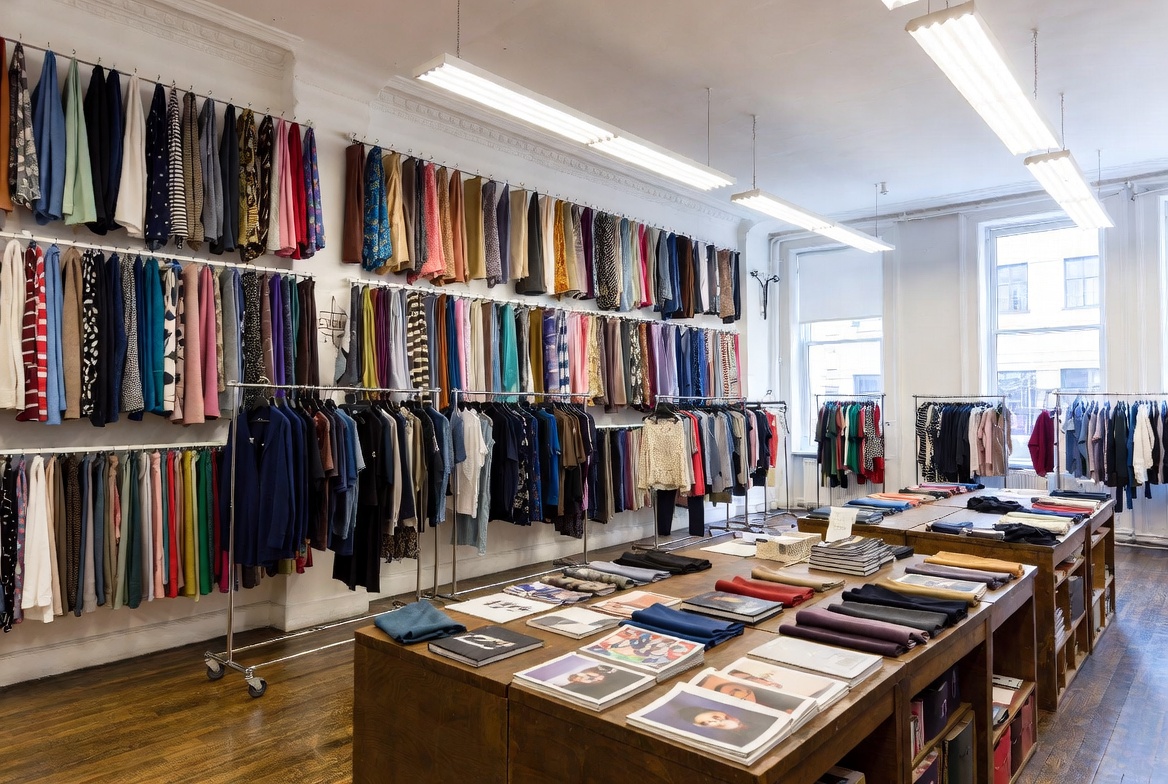
The showroom is a sales environment, but it is not ordinary retail. It may hold samples owned by the brand, samples owned by other labels, consigned pieces, swatches, buyer lists, appointment traffic, and property that moves out to stylists, editors, photographers, or retail buyers.
Rules That Shape Garment District Underwriting
The goal is not to turn an insurance page into legal advice. The goal is to show the underwriter that the business understands the environment it operates in: apparel registration, worker protection, product labeling, flammability, building use, and freight movement.
DOLArticle 12-A
Apparel Industry Registration
New York State DOL states Apparel Industry Manufacturers and Contractors must register each year by January 15; registration is tied to workers compensation/disability insurance, unemployment insurance, and civil-penalty status.
Official NYSDOL SourceBizRegistration
Contractors, Jobbers, Manufacturers
NYC Business states businesses that make clothes must register annually with NYSDOL, including contractors, jobbers, and manufacturers; it also notes cleaning and tailoring businesses are exempt if they do not sell clothes themselves.
Official NYC Business SourceSewing, Cutting, Gluing, Stitching
OSHA’s apparel and footwear hazard resources discuss exposures for employees making finished apparel and footwear, including sewing, cutting, gluing, and stitching activities.
Official OSHA SourceErgonomics & Sewing Stations
OSHA’s sewing eTool notes that workers involved in sewing activities may be at risk of musculoskeletal disorders and references sewing stations, fine work, scissor work, and material handling.
Official OSHA eToolTextile Fiber Rule
The FTC Textile Fiber Rule requires certain textiles sold in the United States to carry labels disclosing fiber names and percentages, manufacturer or marketer identity, and where the product was processed or manufactured.
Official FTC SourceCare Labeling Rule
The FTC Care Labeling Rule requires manufacturers and importers of textile wearing apparel and goods to provide regular care instructions and prohibits deceptive failure to disclose care instructions.
Official FTC SourceClothing Textile Flammability
16 CFR Part 1610 provides the federal standard for the flammability of clothing textiles, including test methods and classification requirements for textiles intended for clothing use.
Official eCFR SourceLoading Zones & Freight Movement
NYC DOT describes loading zones as a freight-management tool for facilitating deliveries in commercial contexts and notes that they can reduce double parking pressure on congested or narrow streets.
Official NYC DOT SourceSix Rails That Keep A District Account From Falling Between Forms
Garment District accounts often fail when one policy is expected to solve six different problems. This page separates the rails so the submission can be matched to the correct markets and forms.
RAIL 01
Premises & Building Traffic
Buyer appointments, lobby traffic, freight-elevator use, shared corridors, fitting spaces, showroom visitors, and delivery personnel.
RAIL 02
Property & Inventory
Samples, racks, fabric bolts, trim, finished garments, office contents, showroom fixtures, sewing equipment, and seasonal peaks.
RAIL 03
Property Of Others
Consigned samples, borrowed wardrobe, buyer-held goods, customer garments, designer samples, stylist pulls, and repair or alteration intake.
RAIL 04
Transit & Loading
Rolling racks, garment bags, couriers, truck loading, trade show shipments, hotel deliveries, last-mile handoffs, and off-premises inventory.
RAIL 05
Workers & Contractors
Employees, sewing operators, cutters, contractors, delivery helpers, fittings, repetitive work, classification questions, and state requirements.
RAIL 06
Digital & Contract Risk
Buyer lists, wholesale portals, vendor payments, ecommerce orders, shipping labels, invoice fraud, contracts, and certificate wording.
What Makes These Blocks Different
Vertical Supply Chain
In a single building, one business may design, another may sew, another may sell, and another may represent the line. Insurance has to follow the contract relationships, not the elevator directory.
Showroom Time
Market week, appointments, trunk shows, sample rack movement, and buyer meetings create seasonal spikes in visitor traffic, borrowed property, and certificate requests.
Sidewalk Logistics
Racks, boxes, carts, hand trucks, and delivery vans put the business into the curb lane. That creates transit, auto, premises, and contract issues that do not appear on a simple property application.
Paper Trail Risk
Garment IDs, sample logs, worker registration, invoices, buyer contracts, care labels, testing records, and shipping proofs can decide whether a claim is clean or disputed.
What Makes A Garment District Submission Move Cleanly
Entity & Location
- Legal entity, DBA, website, and operating trade names.
- Full address, floor, suite, building type, and landlord requirements.
- Showroom, office, sample room, cutting space, storage, and offsite locations.
- Lease insurance clauses and certificate wording requests.
Operations
- Showroom, wholesale, design, ecommerce, contractor, jobber, manufacturing, or storage activity.
- Whether the business makes garments, sells garments, represents brands, or coordinates contractors.
- Buyer appointments, market week activity, trunk shows, pop-ups, or trade shows.
- In-house alterations, sewing, cutting, pressing, cleaning, or finishing.
Values & Custody
- Owned inventory values by location and peak season.
- Samples, prototypes, customer garments, consignment pieces, and property of others.
- Fabric, trim, racks, garment bags, display fixtures, and office equipment.
- Inventory logs, sample sign-out records, and condition documentation.
Movement & Delivery
- Courier, hand-carry, truck delivery, freight elevator, and loading dock procedures.
- Goods sent to contractors, showrooms, buyers, stylists, productions, trade shows, or storage.
- Hired and non-owned auto exposure for employees using personal vehicles.
- Shipping accounts, tracking records, signatures, and return workflows.
Registration & Labor
- NY apparel registration status where applicable.
- Employee count, payroll by class, contractors, temporary workers, and remote staff.
- Workers compensation and disability coverage details.
- Contractor certificates and written agreements.
Loss History & Controls
- Current policies, renewal dates, and carrier loss runs.
- Theft, transit loss, sample loss, water damage, building loss, or contractor disputes.
- Alarm, camera, access control, locked storage, safe, and after-hours procedures.
- Cyber controls, invoice verification, and funds-transfer approval process.
Related KIG Pages For Garment District Businesses
These internal links connect the Garment District page to the larger Kelly Insurance Group fashion, apparel, inventory, production, event, and business insurance library. Static links remain crawlable even if the live sitemap search does not load.
Garment, Apparel & Production Cluster
Showroom, Brand & Designer Cluster
Supporting Commercial Coverage Lines
Live Sitemap Search
Search the Kelly Insurance Group sitemap by fashion, garment, showroom, sample, manufacturing, inventory, cyber, crime, certificate, or hard-to-place risk. The static links above remain crawlable for SEO and AI-platform retrieval.
How The Account Gets Presented
The submission should not force the carrier to guess whether the applicant is a showroom, contractor, jobber, office, brand, wholesaler, sample room, designer, or warehouse. The best approach is to create a district map for the account: address, floor, operations, goods owned, goods belonging to others, deliveries, contractor relationships, registration status, leases, certificates, and loss history.
Kelly Insurance Group is positioned for hard-to-place and non-standard commercial accounts. A Garment District business often becomes hard-to-place when it has mixed operations, prior losses, property of others, frequent sample movement, NY apparel registration issues, shared building risks, incomplete contracts, or carrier uncertainty around whether the business is primarily retail, wholesale, manufacturing, or logistics-adjacent.
Use the insurance intake forms portal, book through book an appointment, or start through the contact page. Direct line: (412) 212-2800.
Garment District Business Insurance FAQ
What does Garment District business insurance cover?
Is this different from ordinary clothing store insurance?
Who should consider this page?
Do New York apparel businesses have registration requirements?
Does general liability cover samples or garments that are stolen?
What if we only have an office and showroom but no sewing?
What if we use outside garment contractors?
Do freight elevators and loading docks matter for insurance?
What information is needed to start a Garment District insurance submission?
Does cyber insurance matter for a showroom or apparel office?
What makes a Garment District account hard to place?
Is this page legal, labor, zoning, or compliance advice?
Start The Garment District Business Insurance Submission
Start with the operating map: showroom, contractor, sample room, office, inventory, property of others, freight movement, landlord requirements, certificates, registration status, and loss history. That structure gives underwriters a real picture of the account before they decide whether it fits.