
SHORT FILM INSURANCE
FOR SHORTS, FESTIVALS, STUDENT, AND THESIS PRODUCTIONS
Coverage built for short-form productions. Whether you're shooting a one-day proof-of-concept, a weekend festival short, a thesis film, or a senior project — we place real production coverage that satisfies permits, locations, equipment houses, and film school requirements.
- FESTIVAL & PROOF-OF-CONCEPT SHORTS
- WEEKEND & ONE-DAY PRODUCTIONS
- STUDENT & THESIS FILMS
- FILM SCHOOL SENIOR PROJECTS
- PILOT EPISODES & PRESENTATIONS
- MUSIC VIDEOS & BRANDED SHORTS
- SHORT-FORM DOCUMENTARIES
- WEB SERIES PILOTS
SHORT-FORM PRODUCTIONS HAVE THEIR OWN RULES
Short films aren't just smaller features — they have their own carrier appetite, their own underwriting expectations, and their own typical coverage structure. The right policy is built around how shorts actually shoot.
Short film coverage is about practicality. A short shoots fast — sometimes a single day, often a weekend, rarely more than a couple of weeks. The crew is leaner, the equipment package is smaller, and the budget is tight. The policy needs to match.
That means short-term general liability, equipment coverage scaled to what's actually rented, and certificate of insurance language that satisfies the location, permit office, or equipment rental house holding things up. For festival-bound shorts, the policy structure is also expected to support film festival exhibition deliverables.
We place coverage for short-form productions of every kind — from independent festival shorts through film school producer-led projects, music videos, pilots, and short documentaries that need E&O for distribution.

WHO WE WRITE COVERAGE FOR
Short film is a category, not a single project type. Each format below carries its own production patterns, location needs, and insurance requirements.
FESTIVAL SHORTS
Narrative shorts produced for film festival submission and competition. Short shoot windows, small crews, location-heavy shooting.
NARRATIVEPROOF-OF-CONCEPT
Shorts produced to pitch a feature, series, or branded project. Often higher production value than budget suggests, with named cast or crew.
DEVELOPMENTSTUDENT FILMS
Coursework, capstone, and senior thesis productions. Typically governed by film school requirements that mandate specific insurance limits.
FILM SCHOOLMFA THESIS
Graduate thesis productions with longer shoot schedules, professional-grade equipment packages, and faculty oversight.
GRADUATEMUSIC VIDEOS
Single-day or multi-day music video productions with location, equipment, and on-camera talent exposures.
SHORT-FORMSHORT DOCS
Documentary shorts for festival, broadcast, and online distribution. Subject release, archival clearance, and E&O become relevant for distribution.
DOCUMENTARYWEB SERIES PILOTS
Pilot episodes for web series, vertical platforms, and streaming-targeted short-form. Often produced as standalone shorts before series greenlight.
EPISODIC PILOTBRANDED SHORTS
Sponsored or brand-funded short films with commercial deliverables. Carry both production and content-side exposures.
COMMERCIALEXPERIMENTAL FILMS
Non-narrative, art-driven, and experimental short-form productions. Often festival-bound with unconventional production methods.
FESTIVALWHAT'S IN A SHORT FILM POLICY
A typical short film insurance program is structured around what's actually being shot — short shoot windows, smaller equipment packages, leaner crews. Here are the coverage components that come up most often on shorts.
SHORT-TERM GENERAL LIABILITY
Third-party bodily injury and property damage at every shoot location. The line that satisfies permits, locations, and additional insured requirements.
RENTED EQUIPMENT COVERAGE
Cameras, lenses, lights, grip, and audio gear while in your care, custody, and control. Required by every equipment rental house.
THIRD-PARTY PROPERTY DAMAGE
Damage to locations, rented spaces, and property in your care during the shoot — separate from the primary location liability.
PROPS, SETS & WARDROBE
On-camera items used in the production — including rented and built items. Often included as a sublimit within the production package.
HIRED & NON-OWNED AUTO
Liability for vehicles rented or driven by crew on production business — relevant for shoots with location moves or transport.
WORKERS COMPENSATION
Statutory coverage for on-set crew injuries — required by law and by most location and equipment contracts even on short shoots.
CAST INSURANCE (OPTIONAL)
Extra expense if a covered cast member can't perform. Typically only included on shorts with named talent or pay-or-play obligations.
ERRORS & OMISSIONS (DISTRIBUTION)
Distribution-required E&O for shorts heading to streamers, festivals with sales agents, or branded distribution paths.
WHY EVEN A SHORT FILM NEEDS COVERAGE
A weekend shoot still triggers requirements from third parties who can shut down your production if you don't have the right paperwork. Here's who typically asks for a Certificate of Insurance.
CITY & PERMIT OFFICES
Most municipal film offices require proof of insurance before issuing a shoot permit — even for one-day shoots in public spaces.
LOCATION OWNERS
Restaurants, businesses, homes, and private locations almost always require additional insured language on a COI before signing a location release.
EQUIPMENT RENTAL HOUSES
Rental houses won't release cameras, lenses, lighting, or grip packages without a current COI naming them as additional insured.
FILM SCHOOLS
Most film school programs require students to carry production insurance for off-campus shoots, with the school named as additional insured.
SAG-AFTRA SIGNATORIES
Short film SAG agreements require specific insurance coverage and union additional insured language before talent will be cleared.
FESTIVAL DELIVERY
Festivals selecting shorts may require proof of E&O coverage as part of festival delivery — particularly for sales agent representation.
BRAND CLIENTS
Brand-funded short productions almost always carry contractual insurance requirements that the production company must satisfy.
CREW & VENDOR CONTRACTS
Stunt coordinators, weapons handlers, drone operators, and specialty vendors typically require proof of production insurance before joining the call sheet.
COVERAGE FOR FILM SCHOOL & STUDENT PRODUCTIONS
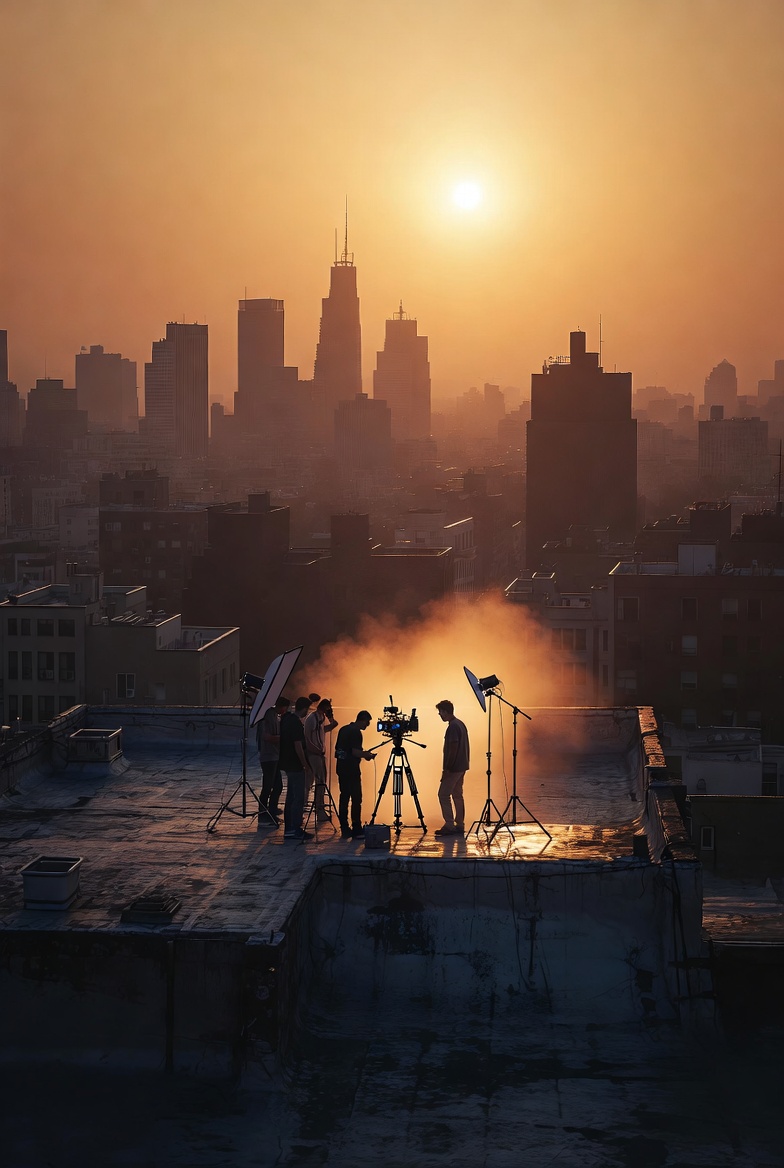
STUDENT FILMS HAVE THEIR OWN INSURANCE LANDSCAPE
Student film insurance isn't a discount version of professional coverage — it's a structured policy that needs to satisfy the film program, the location, and the law. Most film schools maintain their own master insurance programs that students operate under for on-campus and on-equipment production. Off-campus shoots, off-program shoots, and personal projects typically fall outside that umbrella.
That's where short-term student film coverage comes in. We place policies for thesis projects, senior films, capstone productions, and personal student work that needs proof of insurance for permits, locations, and rental houses outside the school's coverage.
-
UNDERGRADUATE PROJECTS Coursework, senior films, and short narrative projects produced outside the film school's direct coverage.
-
MFA & GRADUATE THESIS Larger graduate productions with higher equipment values and longer shoot schedules.
-
POST-GRADUATION SHORTS Recently graduated filmmakers producing shorts to pitch features or build directorial reels.
-
FILM PROGRAM REQUIREMENTS Coverage structured to satisfy specific film school insurance requirements with the program named as additional insured.
FROM INTAKE TO CERTIFICATE
A clear, four-step path from first call to bound coverage and certificate in your inbox.
SUBMIT INTAKE
Complete the short-term film production intake form with project details, schedule, locations, and equipment list.
UNDERWRITE
We market the project to specialty short-form carriers, identify the best fit, and structure coverage to your shoot.
QUOTE & BIND
Review the quote, bind the policy, and the coverage is in force on your effective date.
CERTIFICATE OF INSURANCE
Issue COIs to locations, rental houses, permit offices, and film school programs — including additional insureds.
QUESTIONS SHORT FILMMAKERS ASK
DO SHORT FILMS NEED INSURANCE?
HOW MUCH DOES SHORT FILM INSURANCE COST?
CAN I GET INSURANCE FOR JUST ONE SHOOT DAY?
DOES MY FILM SCHOOL'S INSURANCE COVER MY THESIS?
DO I NEED INSURANCE TO FILM IN PUBLIC PLACES?
CAN I GET A CERTIFICATE OF INSURANCE FAST?
WHAT IF I NEED COVERAGE FOR A FESTIVAL-BOUND SHORT?
DO I NEED WORKERS COMP FOR A SHORT FILM SHOOT?
SHORT FILM. REAL COVERAGE.
Whether you're shooting a thesis film this weekend, a festival short next month, or a proof-of-concept tomorrow — we structure coverage that fits the production. Submit the intake form and we'll move on your quote today.
THE COMPLETE FEATURE FILM INSURANCE LIBRARY
FEATURE FILM INSURANCE
The complete overview of feature film coverage — every spoke, every policy type, every budget tier.