
DOCUMENTARY FILM PRODUCTION
INSURANCE BUILT FOR REAL-WORLD RISK
Documentaries don't fit feature templates. Fair use claims, archival footage clearances, defamation exposure, foreign filming, subject releases, and streamer delivery requirements all need a coverage program built around how documentaries actually get made — and how they actually get sued.
- FEATURE-LENGTH DOCUMENTARIES
- DOCUMENTARY SERIES & LIMITED SERIES
- SHORT-FORM & FESTIVAL DOCS
- STREAMER-COMMISSIONED PROJECTS
- BROADCAST & PBS DOCUMENTARIES
- INVESTIGATIVE & TRUE CRIME
- BIOGRAPHICAL & HISTORICAL
- FOREIGN-LOCATION DOCUMENTARIES
DIFFERENT PRODUCTION. DIFFERENT RISKS.
A documentary's biggest exposures aren't on set. They're in the cutting room and at delivery — fair use defenses, archival clearances, defamation claims, and platform delivery requirements that bind or break a project.
Documentary insurance is more about content than crew. A narrative feature's biggest claims usually come from on-set incidents and equipment damage. A documentary's biggest claims come from what's in the film: real people, archival footage, music, copyrighted imagery, and the editorial choices made in the cut.
That means documentary errors and omissions coverage carries different weight than on a narrative. Fair use endorsements, clearance procedures, and chain-of-title documentation matter more than equipment limits. Distribution platforms like Netflix, Amazon, Hulu, Apple TV+, and PBS each have their own E&O delivery requirements that need to be met before a doc can be accepted.
For working documentary producers running multiple projects across the year, an annual DICE policy often makes more sense than project-by-project coverage. Either way, the program needs to be built for documentary risk — not feature risk dressed up in different clothes.
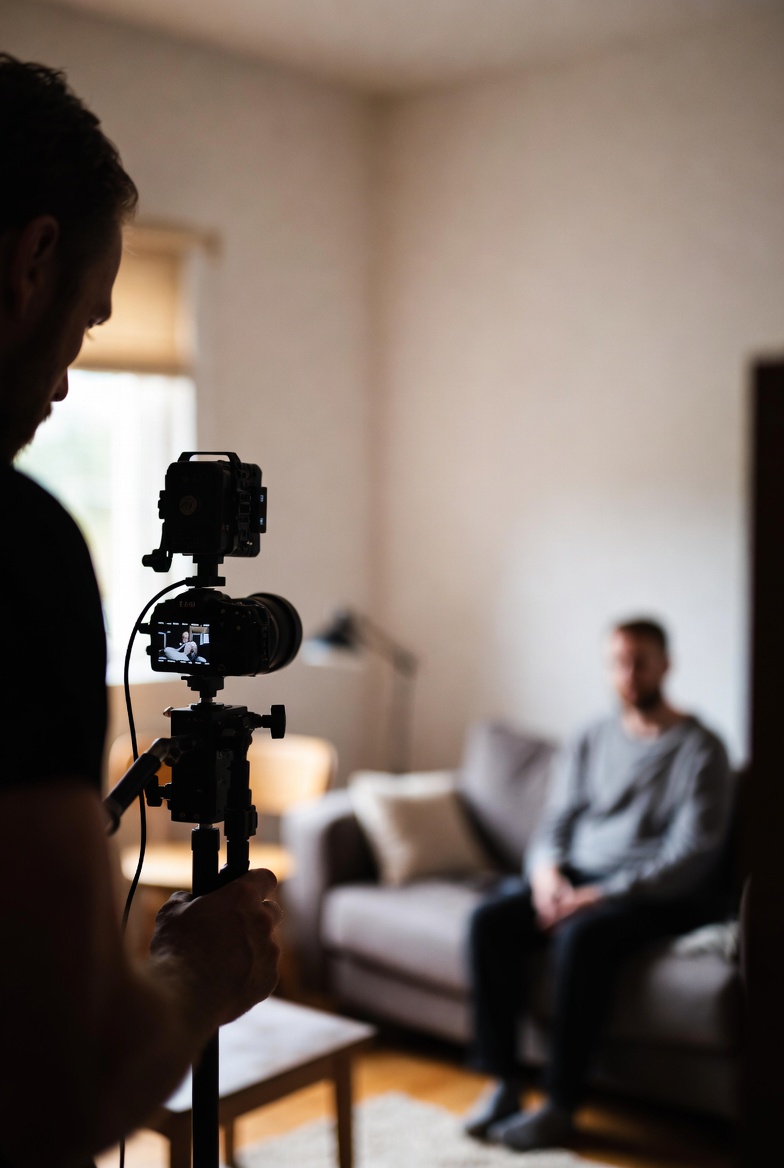
NINE EXPOSURES UNIQUE TO DOCUMENTARIES
These are the claim categories carriers see most often on doc productions — exposures that simply don't exist on a typical narrative feature shoot.
FAIR USE CHALLENGES
Copyright holders dispute the documentary's fair use defense for archival clips, music, photographs, or excerpts — even when a fair use opinion was secured.
E&O TERRITORYARCHIVAL CLEARANCE GAPS
Footage, photos, or music that wasn't fully cleared at delivery — or where the original license terms don't actually permit the use in the doc.
DELIVERY RISKDEFAMATION CLAIMS
Subjects (or their estates) claim the documentary defamed them through editorial choices, voiceover characterizations, or factual assertions.
HIGH SEVERITYSUBJECT RELEASE DISPUTES
Participants who signed releases later claim the release was misleading, didn't authorize the actual use, or was obtained under duress.
COMMON CLAIMPRIVACY & FALSE LIGHT
Real individuals shown or referenced allege invasion of privacy, false light, or misappropriation — particularly common in true crime and biographical docs.
E&O TERRITORYFOREIGN-LOCATION RISK
Filming abroad introduces visa, location, kidnap & ransom, political risk, and territorial coverage gaps — especially in conflict zones or restrictive countries.
SPECIALTY RISKVERITÉ INCIDENTS
Verité or run-and-gun shooting puts crew, subjects, and bystanders in unscripted situations — injury and property damage risks scale with the unpredictability.
LIABILITY TERRITORYPLATFORM DELIVERY FAILURES
Netflix, Amazon, Hulu, Apple TV+, and broadcast networks each have their own E&O delivery checklists. Fail to meet one and delivery is rejected.
DELIVERY RISKMUSIC SYNC ISSUES
Music licensed in temp form, used beyond the negotiated scope, or synced without proper master and publishing clearances brings post-delivery claims.
CLEARANCE RISKEVERY POLICY LINE A DOCUMENTARY NEEDS
A documentary insurance program is structured differently from a narrative feature. Here's the typical coverage stack — sized to the project type.
PRODUCTION PACKAGE
GL, third-party property damage, equipment, and extra expense — sized for verité, interview-driven, or hybrid documentary shooting styles.
DOCUMENTARY E&O
Distribution-grade errors and omissions with fair use endorsements, structured to meet streamer and broadcast delivery requirements.
DEFAMATION COVERAGE
E&O extension covering defamation, libel, slander, false light, and privacy claims tied to documentary subjects and their estates.
FAIR USE ENDORSEMENT
Specific E&O provision that responds to fair use challenges over archival footage, music, and copyrighted imagery used under fair use opinion.
FOREIGN COVERAGE
Territorial extensions for international shooting — including foreign GL, kidnap & ransom, war/political risk, and emergency evacuation.
HIRED & NON-OWNED AUTO
Vehicle liability for crew driving rented or personal vehicles to and from locations — particularly relevant for road-heavy documentary shoots.
WORKERS COMPENSATION
Statutory coverage for crew injuries — required by law and standard contract requirements regardless of doc length or format.
DICE ANNUAL OPTION
For working documentary producers — annual coverage spanning Documentary, Industrial, Commercial, and Educational projects under one premium.
EVERY KIND OF DOCUMENTARY
Each documentary subgenre carries its own risk profile. We structure coverage around the editorial and production realities of each format.
INVESTIGATIVE
Defamation and source-protection-heavy. Foreign filming common. High E&O scrutiny on every assertion.
TRUE CRIME
Privacy, defamation, and victim-family claims dominate. Subject releases and clearance work are intense.
BIOGRAPHICAL
Life rights, archival photo and footage clearances, and estate disputes carry the largest exposure on bio docs.
HISTORICAL
Heavy fair use reliance on archival content. Strong fair use opinion and endorsement are non-negotiable.
MUSIC DOCUMENTARY
Music sync and master clearance is everything. One uncleared track can sink a delivery.
SPORTS DOCUMENTARY
League rights, broadcast footage, and athlete subject releases shape the entire E&O conversation.
NATURE & SCIENCE
Foreign filming, expedition risk, drone work, and remote-area production drive specialty coverage needs.
SOCIAL ISSUE
Vulnerable subjects, sensitive topics, and political pushback elevate defamation and privacy exposures.
SEVEN STEPS TO E&O-READY DELIVERY
-
1
SCRIPT & TREATMENT REVIEW
Identify defamation, privacy, and IP exposure points before any footage is shot or licensed.
-
2
SUBJECT RELEASE FRAMEWORK
Standardize releases that protect against later participant disputes — including minors and vulnerable subjects.
-
3
ARCHIVAL CLEARANCE LOG
Document every photo, footage clip, music cue, and graphic with rights, licenses, and term limits per use.
-
4
FAIR USE OPINION LETTER
Secure formal fair use legal opinion from qualified IP counsel before locking the cut and submitting for E&O.
-
5
MUSIC SYNC AUDIT
Confirm both master and publishing rights for every cue, with scope of use that matches actual delivery territories.
-
6
CHAIN-OF-TITLE PACKET
Build the documentation packet that distributors and E&O carriers need to validate clean title to the finished film.
-
7
PLATFORM-SPECIFIC E&O PLACEMENT
Place the E&O policy that meets your specific distribution platform's checklist — limits, tail, endorsements, named insureds.
QUESTIONS EVERY DOC PRODUCER ASKS
DO DOCUMENTARIES NEED THEIR OWN INSURANCE?
WHAT INSURANCE DO STREAMING PLATFORMS REQUIRE FOR DOCUMENTARIES?
HOW MUCH DOES DOCUMENTARY INSURANCE COST?
WHAT IS A FAIR USE ENDORSEMENT AND DO I NEED ONE?
DO I NEED INSURANCE TO FILM A SUBJECT IN PUBLIC?
WHAT'S THE DIFFERENCE BETWEEN DOCUMENTARY AND NARRATIVE E&O?
DOES INSURANCE COVER FILMING IN DANGEROUS LOCATIONS?
WHAT HAPPENS IF MY DOC USES MUSIC THAT WASN'T FULLY CLEARED?
YOUR DOCUMENTARY DESERVES COVERAGE BUILT FOR DOCUMENTARIES.
Generic feature templates miss what doc producers actually need: fair use, archival, defamation, and platform-specific E&O. Submit the intake form and we'll build a program around your actual project, your actual subjects, and your actual distribution path.
THE COMPLETE FEATURE FILM INSURANCE LIBRARY
FEATURE FILM INSURANCE
The complete overview of feature film coverage — every spoke, every policy type, every budget tier.