Indoor Arena Drone Show Insurance
Specialized event production coverage review for indoor drone shows, arena activations, halftime performances, touring productions, brand launches, concerts, sports venues, and GPS-denied drone show environments.
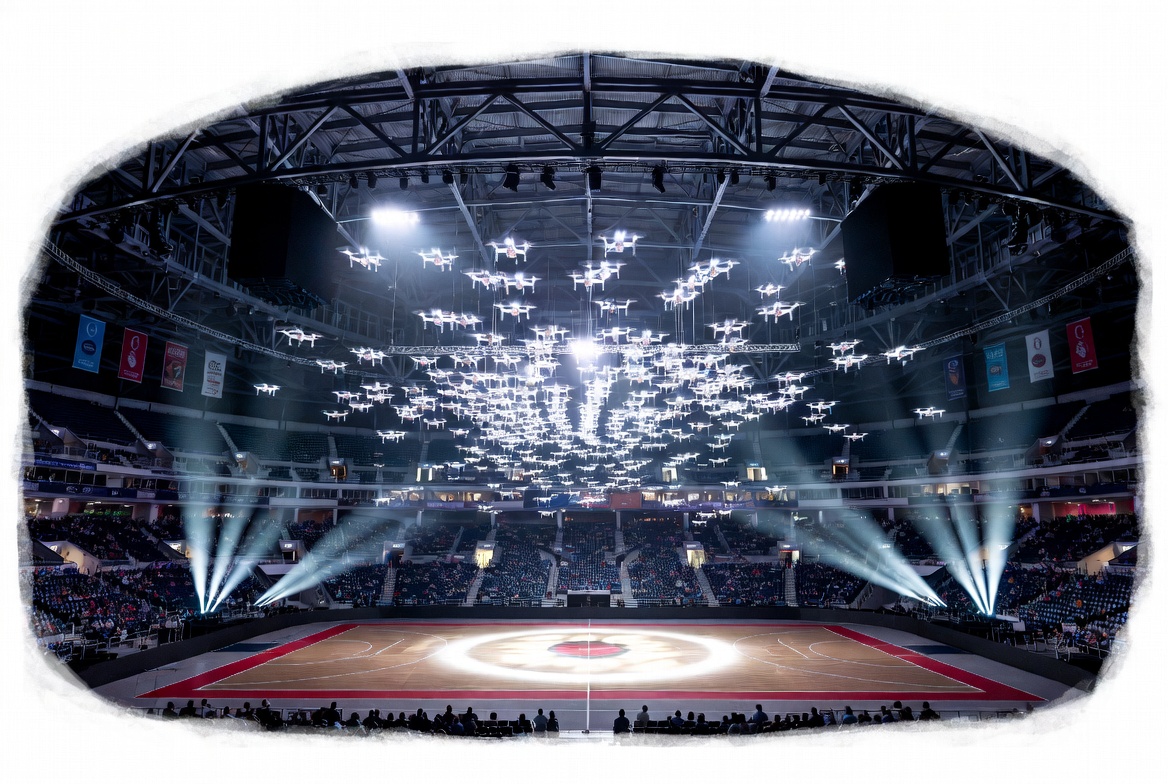
Indoor arena drone shows are not just outdoor drone shows moved under a roof. The insurance review changes when the operation moves inside a stadium, arena, theater, convention center, casino, resort, expo hall, or concert venue. GPS may be unavailable, the FAA operating framework may not control the indoor flight itself, the venue’s authority having jurisdiction becomes central, and the risk shifts toward audience proximity, rigging, show control, emergency shutdown, property damage, contract language, and certificate compliance.
Pick the control point. See what the venue and carrier need to understand.
Indoor drone show underwriting is built around the show environment, not just the drone count. Use the deck below to isolate the risk area that can delay the quote, the certificate, or the venue approval.
Indoor drone show insurance should start with the venue’s contract, certificate requirements, additional insured wording, primary and noncontributory language, waiver of subrogation, liability limits, rehearsal rules, load-in access, crew credentials, and required safety documentation.
Indoor drone shows are aviation, event production, venue compliance, and audience safety in one file.
A drone show inside an arena has a different risk profile than an outdoor public display. The show may use indoor positioning systems instead of satellite navigation. It may operate near video boards, truss, scoreboards, lighting arrays, rigging, seating bowls, broadcast equipment, performers, athletes, and event staff. It may also need to satisfy venue risk managers, a fire marshal, building officials, event producers, league or team compliance, and the insurance requirements in the contract.
The insurance review should separate aviation liability, excess liability, drone hull, equipment, inland marine, event cancellation, workers’ compensation, hired and non-owned auto, cyber, event liability coordination, pyrotechnic exposure where applicable, and certificate issuance. The wrong policy structure can leave the operator with limits that look right but endorsements that do not satisfy the venue.
Indoor arena drone show details to identify early
- Venue type, show date, rehearsal date, load-in schedule, audience size, and venue contract requirements
- Drone count, drone model, show envelope, flight ceiling, standoff zones, and emergency shutdown procedure
- Indoor positioning system, calibration process, redundancy, fail-safe behavior, and rehearsal documentation
- Rigging, overhead equipment, launch area, charging area, battery storage, show control systems, and crew access
- Additional insured wording, waiver of subrogation, primary/noncontributory wording, COI deadline, and required limits
- Aviation liability, excess liability, hull, equipment, WC, auto, event cancellation, cyber, and production coverage needs
- Prior claims, drone losses, venue incidents, near misses, equipment damage, or carrier restrictions
Where the insurance questions usually surface
Venue insurance specs, additional insured language, limits, COI deadline.
Rigging, launch zone, charging, batteries, UWB anchors, crew access.
Calibration, show envelope, emergency stop, spacing, AHJ review.
Audience separation, live show control, shutdown logic, event operations.
Equipment removal, incident reports, claims notice, certificate records.
Coverage categories to review for indoor arena drone shows
Indoor drone show insurance should be built around the whole event production file. The carrier and venue may care about more than aviation liability limits. They may ask about equipment, batteries, workers, autos, event cancellation, rigging, cybersecurity, and the certificate wording.
Drone Show Aviation Liability
Reviews third-party bodily injury and property damage arising from drone operations, venue requirements, additional insured status, primary/noncontributory wording, waiver of subrogation, and aviation-following excess.
Drone aviation liabilityExcess / Umbrella Liability
Large venues may require higher limits. Excess coverage should be reviewed to confirm it follows the aviation primary, not just a standard commercial liability policy.
Event umbrella liabilityDrone Hull & Equipment
Reviews damage to drones, charging stations, batteries, launch equipment, positioning anchors, show control hardware, cases, tablets, controllers, and production equipment.
Drone swarm hull insuranceStaging, Rigging & Production
Indoor drone shows often connect to truss, anchors, lighting grids, scoreboards, show control, load-in, teardown, production vendors, and venue operations.
Staging & rigging insuranceWorkers’ Compensation
Reviews technicians, pilots, production crew, rigging crew, warehouse staff, battery handlers, setup crew, teardown crew, tour staff, and rehearsal exposure.
Drone show workers’ compEvent Cancellation & Delay
Indoor venue productions can be affected by arena shutdowns, equipment failure, venue access issues, power loss, show-control failure, travel delays, or contract requirements.
Drone show event cancellationIndoor and venue-based drone show accounts where the insurance file needs detail
Information to prepare before an indoor drone show insurance review
- Legal entity name, operator experience, prior shows, drone count, drone model, and crew structure
- Venue name, event date, rehearsal date, load-in schedule, show duration, and expected attendance
- Venue contract, insurance specifications, COI sample, additional insured requirements, and required limits
- Show envelope, launch zone, landing zone, standoff areas, audience separation, and emergency stop procedures
- Positioning system, calibration plan, redundancy, signal failure procedure, and rehearsal documentation
- Drone hull values, batteries, chargers, controllers, computers, cases, UWB anchors, and production equipment values
- Workers’ compensation exposure, employee roles, subcontracted crew, riggers, technicians, drivers, and tour staff
- Loss runs, prior claims, drone damage, venue incidents, equipment losses, cancellations, or carrier restrictions
The indoor show file has to satisfy both the carrier and the venue.
Venue compliance teams do not want a vague certificate. They want exact insured names, additional insured wording, limits, waiver of subrogation, primary/noncontributory status, policy dates, and proof that the coverage matches the contract. Underwriters want a complete show story: drone count, flight environment, safety plan, indoor positioning, prior experience, equipment values, crew roles, and incident history.
Kelly Insurance Group helps organize the insurance file so the coverage is not treated like a basic event policy or a simple drone policy. Indoor arena drone shows sit at the intersection of aviation, event production, venue contracts, rigging, audience safety, equipment coverage, and certificate compliance.
What usually has to clear before the show can move forward
Venue contract, limits, additional insured, waiver, primary/noncontributory, certificate deadline.
Show envelope, audience separation, emergency stop, rehearsal, battery handling, crew roles.
Positioning method, calibration, redundancy, show control, software, hardware, and fail-safe behavior.
Load-in, rigging, fire marshal, security, house production, scoreboard, lighting, sound, and broadcast.
Use the right page for the actual drone show exposure
Indoor arena drone show insurance often connects to drone light show liability, event production, staging and rigging, pyrotechnics, event cancellation, certificates, umbrella liability, and workers’ compensation.
Find related drone, event, aviation, production, and venue insurance pages
Indoor Arena Drone Show Insurance Questions
Does Part 107 apply to indoor drone shows?
FAA guidance says Part 107 does not apply to operations conducted indoors; FAA rules apply to operations conducted outdoors in the National Airspace System. Indoor shows still need venue approval, contract compliance, safety planning, and insurance that matches the event requirements.
What insurance should an indoor arena drone show operator review?
An indoor arena drone show operator may need aviation liability, aviation-following excess liability, drone hull, equipment coverage, inland marine, workers’ compensation, hired and non-owned auto, cyber, event cancellation, general event coordination, and venue-specific certificate wording.
Why is indoor positioning important for insurance?
Indoor drone shows may operate in GPS-denied environments. The submission should explain the positioning system, calibration, redundancy, signal failure procedure, show envelope, rehearsal process, and emergency shutdown behavior.
What usually delays certificates for indoor arena drone shows?
Common delays include missing additional insured wording, missing primary and noncontributory language, waiver of subrogation conflicts, limits that do not match the contract, unclear venue names, late COI requests, and carrier forms that do not match the venue’s required language.
Can Kelly Insurance Group help with hard-to-place drone show accounts?
Yes. Hard-to-place drone show accounts should be organized with prior claim history, drone count, operating experience, venue contracts, safety procedures, equipment values, current policies, carrier restrictions, and the reason for any declination or coverage issue.
Send the venue contract before the certificate deadline becomes the emergency.
Tell us where the show is being held, what the venue requires, how many drones are flying, how the indoor positioning works, what coverage limits are required, and whether the production involves rigging, pyrotechnics, touring equipment, subcontracted crew, or prior claims.