Zoo, Safari Park & Aquarium Insurance
Wildlife attraction coverage for animal parks, aquariums, sanctuaries, safari parks, encounters, and exotic animal operations.
Wildlife attractions are not ordinary hospitality or entertainment accounts. A zoo, safari park, aquarium, wildlife sanctuary, exotic animal farm, animal encounter facility, or marine life attraction can combine public visitor exposure, animal escape risk, dangerous animal liability, animal care operations, property values, specialized equipment, food service, tram or vehicle movement, volunteers, staff injury, exhibit structures, water systems, life-support systems, cyber systems, events, and weather-related shutdown concerns. Kelly Insurance Group helps organize these exposures before the account reaches the market.
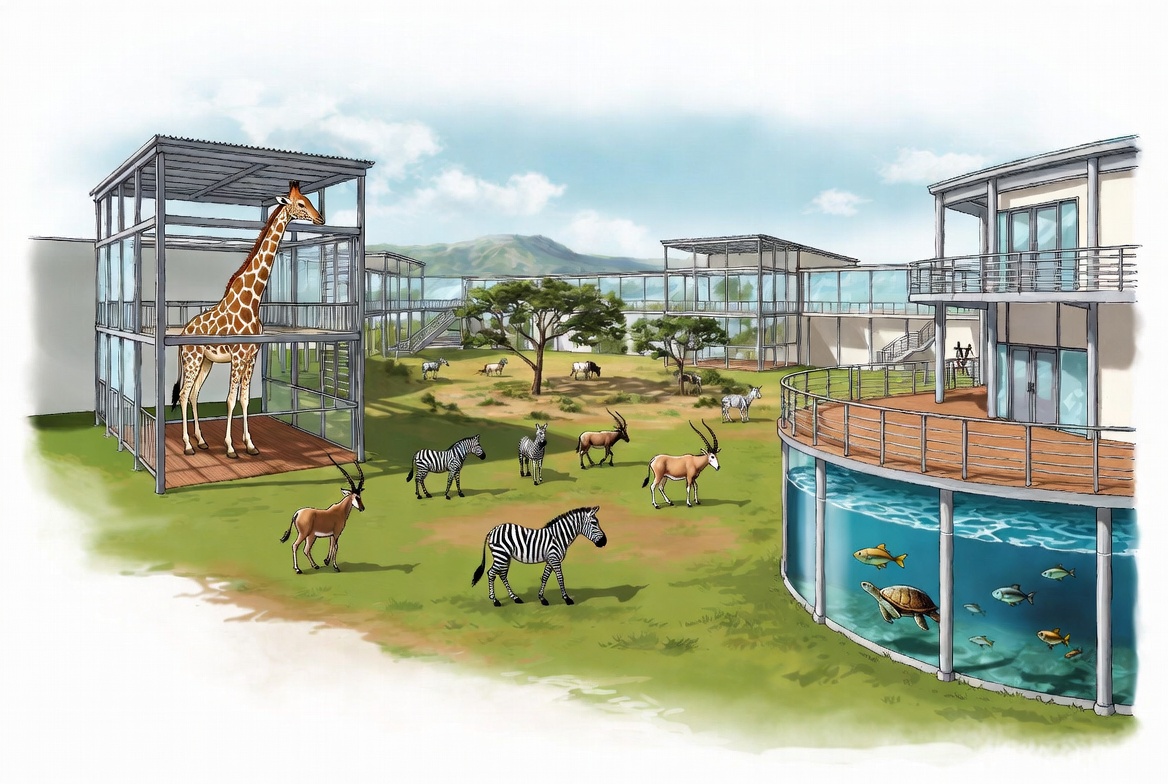
A wildlife attraction is part animal care operation, part public venue, part property exposure
A zoo, aquarium, safari park, or wildlife sanctuary can look like a public attraction from the guest side, but the insurance review has to go deeper than admissions and attendance. The operation may include dangerous animals, animal transport, feeding programs, keeper areas, exhibit barriers, touch tanks, drive-through routes, gift shops, concessions, educational programs, camps, private events, veterinary care, volunteers, contractors, and specialized mechanical systems.
That is why the account should be presented by exposure category. Visitor liability, dangerous animal liability, animal care, property, equipment breakdown, workers’ compensation, commercial auto, cyber, event exposure, abuse/molestation safeguards, employment practices, and umbrella or excess liability may all need separate review.
Wildlife attraction details to identify early
- Animal species, dangerous animal exposure, exhibit design, and animal containment
- Guest flow, tours, walkways, viewing areas, encounters, feeding areas, and interactive exhibits
- Aquarium tanks, marine life systems, filtration, pumps, refrigeration, water quality, and backup systems
- Safari routes, tram rides, guest vehicles, staff vehicles, carts, shuttles, and parking areas
- Animal care staff, volunteers, seasonal workers, keepers, trainers, divers, educators, and guides
- Food service, gift shops, special events, school programs, camps, private tours, and fundraisers
- Property values, business income, equipment breakdown, weather exposure, and emergency procedures
- Prior claims, animal incidents, visitor injuries, employee injuries, property losses, or carrier restrictions
Choose the attraction type. See what coverage questions move forward.
Wildlife attraction insurance changes by species, visitor access, animal contact, water systems, vehicle movement, property values, and staff responsibilities. Click the operation that fits the account.
Zoo and animal park insurance should review animal species, containment, guest pathways, exhibit barriers, animal keeper procedures, public feeding rules, education programs, events, food service, volunteers, property values, and prior animal or visitor incidents.
Coverage categories that should not be mashed into one generic venue policy
Wildlife attraction insurance may require multiple coverage lines. The right structure depends on species, guest access, animal contact, property values, employee duties, vehicles, contracts, events, and prior claims.
General Liability
Reviews visitor injury, vendor injury, premises liability, guest flow, walking surfaces, parking areas, tours, viewing areas, events, concessions, and non-professional third-party liability allegations.
General liability informationDangerous Animal Liability
Dangerous animal exposure should be reviewed when species, containment, animal contact, escape potential, barriers, keeper procedures, and guest proximity create a higher liability concern.
Dangerous animal liability pageProperty & Equipment Breakdown
Wildlife attractions may depend on habitats, enclosures, fencing, tanks, pumps, filtration, HVAC, refrigeration, lighting, security systems, backup power, tram systems, and specialized equipment.
Property & equipment pageAnimal Bailee / Animal Care
Animal care exposure should be reviewed when animals are transported, boarded, rescued, rehabilitated, transferred, held, treated, displayed, or otherwise in the operation’s care, custody, or control.
Animal bailee pageWorkers’ Compensation
Staff may face animal handling injuries, bites, scratches, lifting, diving, cleaning, chemical exposure, slips, vehicle movement, equipment hazards, and guest-facing workplace risk.
Review employee exposureCommercial Auto & Umbrella
Safari vehicles, carts, shuttles, trams, maintenance vehicles, animal transport, hired/non-owned auto, and higher liability limits may all need to be reviewed.
Commercial auto informationAnimal attraction accounts where the insurance review needs detail
Information to prepare before a wildlife attraction market review
- Entity name, location count, operating season, attendance, and attraction type
- Species list, dangerous animals, exhibit controls, animal handling, and escape procedures
- Visitor access, tours, animal contact, interactive exhibits, feeding programs, and school groups
- Animal care, veterinary relationships, transport, quarantine, rescue, rehabilitation, and transfer procedures
- Buildings, habitats, tanks, pumps, filtration, HVAC, refrigeration, fencing, backup power, and equipment values
- Vehicle use, safari routes, trams, carts, shuttles, parking, hired/non-owned auto, and animal transport
- Employees, volunteers, seasonal staff, guides, keepers, trainers, divers, educators, and contractors
- Loss runs, animal incidents, visitor injuries, employee injuries, property losses, non-renewals, or restrictions
A wildlife attraction account should never be submitted as a plain public venue
A public venue application usually misses the real underwriting story. Wildlife attractions need to explain species, containment, guest interaction, animal care, staff procedures, property values, life-support systems, vehicles, emergency plans, weather exposure, and past incidents. The more unusual the operation, the more important the submission becomes.
Kelly Insurance Group helps separate the risk into coverage lanes so underwriters can understand the operation instead of reacting to an incomplete description. That matters for zoos, safari parks, aquariums, sanctuaries, animal encounters, exotic animal farms, and declined or hard-to-place wildlife accounts.
Related wildlife attraction insurance pages
This hub page organizes the broader wildlife attraction coverage path. Use the specific pages below when the exposure is dangerous animals, aquariums, safari parks, sanctuaries, animal encounters, property, or hard-to-place wildlife operations.
How to make a wildlife attraction submission easier to understand
Identify attraction type, species, visitor access, animal contact, vehicles, events, food service, and special programs.
General liability, dangerous animal liability, property, WC, auto, cyber, EPLI, and umbrella should be reviewed separately.
Containment, staffing, barriers, supervision, emergency plans, animal care, maintenance, and incident procedures matter.
The submission should make the operation understandable before the carrier decides it is too unusual.
Zoo, Safari Park & Aquarium Insurance Questions
What insurance should a zoo, safari park, or aquarium review?
A wildlife attraction may need general liability, dangerous animal liability, commercial property, equipment breakdown, business income, workers’ compensation, commercial auto, cyber liability, employment practices liability, abuse/molestation safeguards, event liability, animal bailee or animal care coverage, and umbrella or excess liability depending on the operation.
Why is dangerous animal liability important for wildlife attractions?
Dangerous animal liability should be reviewed when species, containment, visitor proximity, animal contact, handling, escape potential, bite exposure, or injury potential creates a heightened liability concern.
Are aquariums and marine life attractions different from land-based animal parks?
Yes. Aquariums may depend heavily on tanks, filtration, pumps, water quality, HVAC, refrigeration, electrical systems, backup power, marine life care, touch tanks, and equipment breakdown protection. Those exposures should be reviewed separately from ordinary venue property coverage.
What information helps quote wildlife attraction insurance?
Helpful information includes species lists, visitor attendance, attraction type, animal contact details, property values, equipment values, containment procedures, employee roles, vehicle use, emergency plans, loss runs, and any carrier restrictions.
Can Kelly Insurance Group help with a declined or hard-to-place wildlife attraction?
Yes. Declined or restricted wildlife attraction accounts should be organized with the reason for declination, current policies, loss runs, species details, containment procedures, operations description, corrective action, and current risk controls.
Send the wildlife attraction details before the account is treated like a basic venue.
Tell us what animals are involved, how visitors interact with the attraction, what property and equipment need coverage, whether vehicles or tours are used, what staff and volunteers do, and whether there are prior claims, restrictions, or hard-to-place issues.