Dangerous Animal Liability Insurance for Wildlife Attractions
Coverage review for zoos, safari parks, wildlife attractions, animal encounters, sanctuaries, exotic animal farms, and public animal exhibits.
Dangerous animal liability is one of the first coverage issues that can separate a wildlife attraction from a standard public venue. A zoo, safari park, sanctuary, aquarium, exotic animal farm, animal encounter facility, or wildlife education center may need to explain animal species, containment, guest proximity, handler procedures, escape protocols, feeding programs, staff training, visitor barriers, volunteer involvement, animal transport, and prior incidents before an underwriter can understand the account.
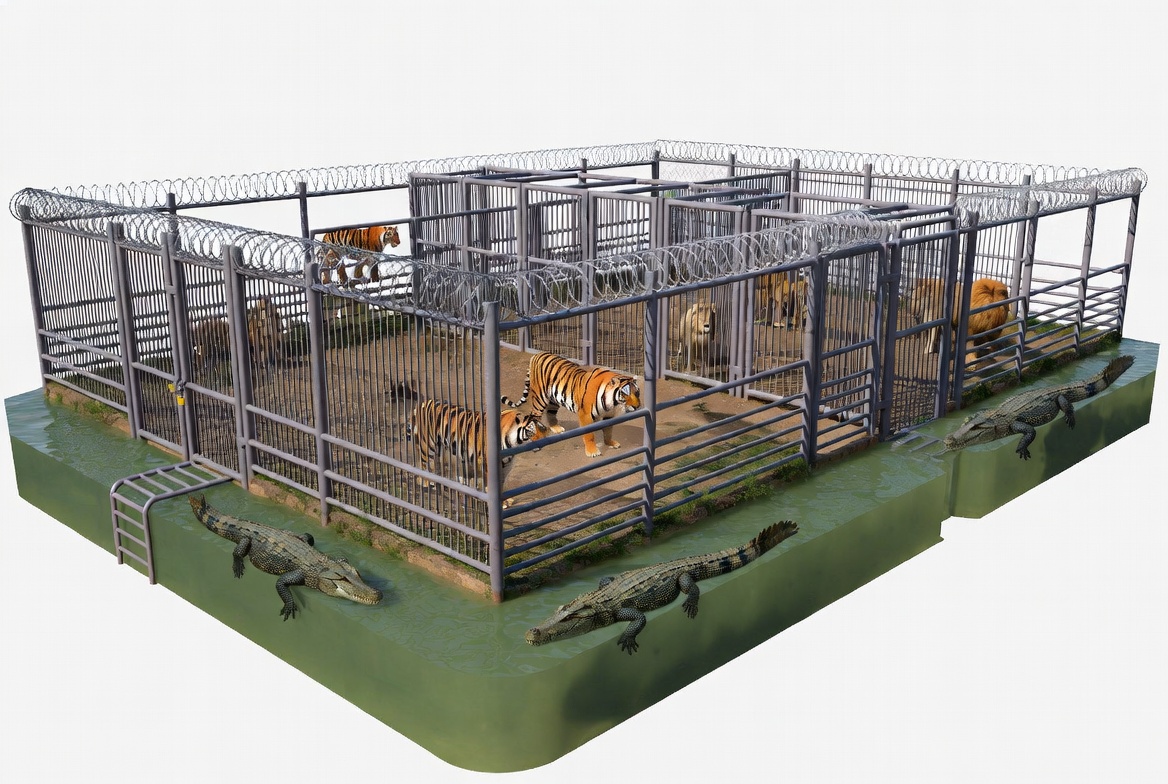
Dangerous animal exposure changes the entire wildlife attraction submission
A dangerous animal liability review is not limited to whether an animal is “wild” or “exotic.” The underwriting issue is how the animal can injure people, escape containment, damage property, injure other animals, trigger a shutdown, or create a public safety incident. Species, temperament, exhibit design, barriers, public proximity, keeper access, feeding, training, transfer, and emergency planning all matter.
The same animal can create different risk depending on the setting. A behind-the-scenes habitat, public viewing area, drive-through safari route, educational encounter, private feeding program, animal photo opportunity, or temporary transport can each create a different liability question. The account needs to explain the operation clearly before the carrier decides the risk is too unusual.
Dangerous animal details carriers may want to understand
- Species list, animal count, age, size, temperament, and public-facing role
- Containment type, fencing, barriers, gates, locks, secondary containment, and signage
- Visitor proximity, tours, encounters, feeding programs, photos, and educational demonstrations
- Keeper, handler, trainer, volunteer, and staff access rules
- Escape response, bite response, injury response, emergency drills, and incident documentation
- Animal transport, transfer, quarantine, veterinary care, and off-exhibit holding areas
- Prior animal incidents, visitor injuries, employee injuries, near misses, and carrier restrictions
Choose the dangerous animal exposure. See what the underwriter needs to know.
Dangerous animal liability is built around control: containment, contact, keeper procedures, visitor access, animal movement, and incident response. Click a pressure point below.
Dangerous animal accounts should explain primary and secondary containment, fencing, gates, locks, viewing barriers, staff-only access, maintenance procedures, inspection routines, signage, and how the attraction prevents unauthorized guest access.
Dangerous animal liability should be reviewed beside the rest of the wildlife attraction program
Dangerous animal liability is a focused coverage issue, but it rarely stands alone. The same account may need general liability, property, workers’ compensation, commercial auto, animal bailee, cyber, event liability, employment practices, and umbrella or excess liability reviewed at the same time.
Dangerous Animal Liability
Reviews injury, attack, bite, scratch, escape, guest contact, visitor proximity, handler control, containment, and animal-related liability issues involving dangerous species or higher-risk animal exposures.
Start intakeGeneral Liability
Reviews public premises liability, visitor injury, vendor injury, tours, walkways, parking, events, non-animal incidents, and broader third-party liability allegations.
General liability informationAnimal Bailee / Animal Care
Animal custody should be reviewed when animals are transported, transferred, held, boarded, rehabilitated, quarantined, displayed, treated, or otherwise in the operation’s care.
Animal bailee pageCommercial Property
Enclosures, habitats, fencing, gates, barriers, viewing structures, signage, security systems, animal buildings, and specialized property values should be part of the review.
Wildlife park property pageWorkers’ Compensation
Keepers, handlers, trainers, volunteers, maintenance workers, guides, and animal care staff may face bite, scratch, crush, kick, restraint, slip, lifting, and equipment-related injuries.
Review employee exposureUmbrella / Excess Liability
Higher liability limits may need to be reviewed when the account has dangerous species, public exposure, tours, encounters, vehicle movement, school groups, or contractual requirements.
Umbrella informationWildlife attraction accounts where animal exposure needs its own coverage discussion
Information to prepare before a dangerous animal liability review
- Complete species list, animal count, dangerous species, and public-facing animals
- Containment details, fencing, gates, locks, barriers, staff-only areas, and secondary containment
- Visitor access, tours, encounters, feeding programs, photo opportunities, and school groups
- Keeper, trainer, handler, volunteer, and staff procedures
- Animal transport, transfer, quarantine, veterinary care, and emergency procedures
- Escape response, bite response, injury response, incident reporting, and emergency drills
- Property values for enclosures, exhibits, fencing, security systems, and animal buildings
- Loss runs, prior bites, escapes, animal incidents, employee injuries, visitor claims, or carrier restrictions
A dangerous animal account needs to be submitted with control, not panic
Dangerous animal exposure can make carriers nervous when the submission is thin. A species list alone does not explain the risk. The account needs to show how animals are contained, how guests are separated, how staff access is controlled, how encounters are supervised, how incidents are handled, and what has changed after any prior loss.
Kelly Insurance Group helps organize the account so the dangerous animal exposure is not buried or exaggerated. The strongest presentation separates the animal exposure from general venue risk, property values, staff injury exposure, vehicle use, events, and prior claims.
How a dangerous animal account becomes understandable
List the animals, public-facing roles, animal count, dangerous species, and any restricted or higher-concern animals.
Describe barriers, fencing, gates, locks, signage, secondary containment, inspection routines, and staff-only controls.
Separate viewing-only exhibits, guided tours, feeding programs, encounters, photos, school groups, and private events.
Explain emergency plans, response procedures, training, documentation, corrective action, and prior claim history.
Use the right page for the actual animal attraction exposure
Dangerous animal liability is one coverage lane inside the broader zoo, safari park, aquarium, and wildlife attraction insurance cluster. Use the related pages below when the account includes aquariums, safari routes, animal encounters, sanctuaries, property systems, or hard-to-place issues.
Dangerous Animal Liability Insurance Questions
What is dangerous animal liability insurance for wildlife attractions?
Dangerous animal liability insurance is a coverage review for operations with animals that may create heightened injury, escape, containment, bite, attack, handling, or visitor-contact concerns. It is commonly reviewed for zoos, safari parks, sanctuaries, exotic animal farms, animal encounter facilities, and wildlife attractions.
What information matters most for dangerous animal underwriting?
Important information includes the species list, animal count, containment, barriers, visitor access, animal contact, handler procedures, emergency response, prior incidents, employee roles, animal transport, and any carrier restrictions or prior claims.
Is dangerous animal liability the same as general liability?
No. General liability is broader premises and third-party liability coverage. Dangerous animal liability is a focused review of animal-related injury, contact, containment, escape, handling, and public-exposure concerns. Both may need to be reviewed together.
Do animal encounters need dangerous animal liability review?
Yes, animal encounters should be reviewed carefully because guest contact changes the exposure. Species, supervision, handler procedures, guest rules, feeding, photos, waivers where used, and prior incident history should be explained.
Can Kelly Insurance Group help with a declined dangerous animal account?
Yes. Declined or restricted wildlife attraction accounts should be organized with the reason for declination, current policies, loss runs, species list, containment controls, incident history, corrective action, and updated procedures.
Send the species, containment, and visitor-contact details before the market fills in the blanks.
Tell us what animals are involved, how they are contained, how close guests get, whether encounters or feeding programs exist, what staff and volunteers do, and whether there are prior animal incidents, claims, restrictions, or declinations.