Animal Encounter & Interactive Exhibit Insurance
Coverage review for animal encounters, petting zoos, interactive exhibits, touch experiences, educational animal programs, and public-facing animal attractions.
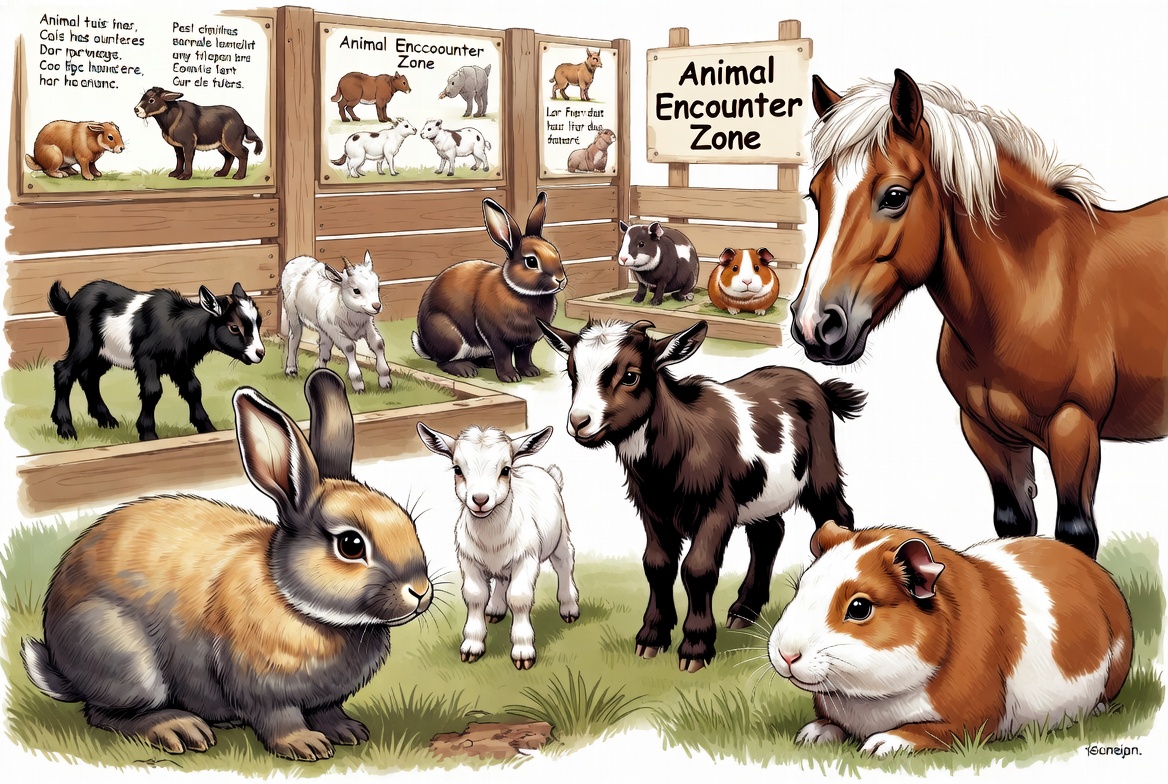
Animal encounters are built around public interaction, and that changes the insurance review immediately. Rabbits, goats, mini ponies, reptiles, birds, exotic animals, farm animals, small mammals, mobile petting zoos, school programs, birthday party exhibits, fair attractions, sanctuary encounters, and educational animal demonstrations can all create liability questions involving guest contact, animal behavior, supervision, handwashing, animal rotation, waivers, handlers, transport, event contracts, staff injury, animal care, and prior incidents.
Interactive animal exhibits need more detail than a standard attraction application
A walk-through animal area, mobile petting zoo, pony interaction, reptile presentation, small animal exhibit, goat feeding station, rabbit handling area, or educational wildlife demonstration creates a different liability profile than a viewing-only attraction. Guests are closer. Children may be involved. Animals may be touched, fed, held, startled, tired, or moved between locations.
The insurance review should separate general liability, animal encounter liability, dangerous animal liability when applicable, animal bailee or animal care, commercial auto, hired and non-owned auto, workers’ compensation, event liability, property, equipment, cyber, and umbrella or excess liability. The submission should explain exactly how the public interacts with animals.
Animal encounter details to identify early
- Species list, animal count, animal temperament screening, and animals used for public contact
- Type of guest contact: petting, feeding, holding, photos, demonstrations, walking through, or supervised handling
- Handlers, staff, volunteers, trainers, guides, attendants, and employee supervision procedures
- Guest rules, signage, handwashing, age restrictions, food restrictions, and line or crowd control
- Waivers, event contracts, venue requirements, school program requirements, and certificates of insurance
- Animal rest areas, rotation schedules, removal procedures, containment, carriers, and transport
- Mobile setup, tents, pens, fencing, gates, trailers, vehicles, and off-site event exposure
- Prior bites, scratches, kicks, allergic reactions, escapes, animal injuries, visitor claims, or restrictions
Choose the encounter style. See what the insurance submission needs to explain.
Animal encounter underwriting changes by how close guests get, who supervises them, how animals are handled, and whether the exhibit is fixed, mobile, or event-based.
Petting and feeding areas should explain animal species, handler supervision, guest instructions, handwashing, food-control rules, animal rest periods, crowd control, containment, signage, and what happens when an animal becomes stressed or a guest ignores the rules.
Coverage categories that should be reviewed for animal encounters and interactive exhibits
Animal encounter insurance can involve several coverage lines. The right structure depends on the species, guest contact, location, event contracts, employee duties, transport, animal care procedures, prior incidents, and whether the attraction is permanent or mobile.
General Liability
Reviews visitor injury, guest contact, premises liability, event liability, school groups, birthday parties, fairs, festivals, guest rules, and third-party bodily injury or property damage allegations.
General liability informationDangerous Animal Liability
Should be reviewed when species, animal behavior, guest proximity, animal handling, bite potential, escape potential, or injury severity creates higher animal-related liability concerns.
Dangerous animal liability pageAnimal Bailee / Animal Care
Reviews animals in the operation’s care, custody, or control, including transported animals, event animals, animals held between shows, animal rotation, and injury to animals during the encounter operation.
Animal bailee pageCommercial Auto / Hired & Non-Owned Auto
Important for mobile animal encounters, trailers, vans, employee driving, hired vehicles, animal transport, off-site events, school programs, fairs, festivals, and private parties.
Commercial auto informationWorkers’ Compensation
Employees and handlers may face bites, scratches, kicks, lifting injuries, animal restraint injuries, setup injuries, trailer loading injuries, cleaning exposure, and event-site hazards.
Review employee exposureEvent Contracts & Umbrella
Venues, schools, municipalities, fairs, festivals, and private event hosts may require specific insurance language, certificates, additional insured status, or higher liability limits.
Special event insurance informationInteractive animal accounts where the details matter
Information to prepare before an animal encounter insurance review
- Entity name, location, event territory, fixed site or mobile operation, and annual attendance or event count
- Species list, animal count, animal temperament, animal rest rules, and public-contact animals
- Guest contact type: petting, feeding, holding, photos, walking through, demonstrations, or guided interaction
- Handlers, staff, volunteers, trainers, supervisors, employee roles, and handler-to-guest procedures
- Handwashing, signage, guest instructions, food rules, age restrictions, waivers, and incident procedures
- Mobile setup, fencing, pens, gates, carriers, trailers, vehicles, tents, event layout, and transport procedures
- Venue contracts, school requirements, municipal requirements, certificate requirements, and additional insured needs
- Loss runs, prior bites, scratches, kicks, escape incidents, allergic reactions, animal injuries, or carrier restrictions
An animal encounter should never be submitted as a generic entertainment vendor
Interactive animal exhibits are not just “fun activities.” The underwriting file needs to explain how guests interact with animals, how animals are selected for contact, how handlers supervise the experience, how sanitation is handled, how animals are transported, and how incidents are documented.
Kelly Insurance Group helps separate the account into coverage lanes: public liability, animal contact, animal care, dangerous animal exposure when applicable, event contracts, mobile transport, employee injury, and umbrella coverage. That structure can matter when a venue, school, fair, festival, or carrier asks questions beyond a standard event application.
How to make an interactive animal exhibit easier to underwrite
Identify species, animal count, public-contact animals, temperament controls, animal rotation, and rest procedures.
Separate petting, feeding, holding, photos, demonstrations, walking through, school programs, and event setups.
Explain handlers, guest rules, handwashing, signage, barriers, waivers where used, and incident response.
Describe trailers, vehicles, off-site event layouts, pens, carriers, transport, setup, teardown, and venue requirements.
Use the right page for the actual animal attraction exposure
Animal encounter insurance sits inside the broader zoo, safari park, aquarium, and wildlife attraction cluster. Use the related pages below when the account includes dangerous animals, sanctuaries, exotic farms, aquarium exhibits, property systems, or hard-to-place issues.
Animal Encounter & Interactive Exhibit Insurance Questions
What insurance should an animal encounter or interactive exhibit review?
An animal encounter may need general liability, animal encounter liability, dangerous animal liability where applicable, animal bailee or animal care coverage, workers’ compensation, commercial auto, hired and non-owned auto, event liability, property coverage, cyber liability, and umbrella or excess liability depending on the operation.
Why does guest contact change the insurance review?
Guest contact changes the risk because visitors may touch, feed, hold, photograph, or stand near animals. Handler supervision, animal temperament, guest instructions, handwashing, signage, barriers, waivers where used, and incident response should all be explained.
Do mobile petting zoos need commercial auto review?
Yes. Mobile animal encounter operations should review vehicle use, trailers, employee driving, hired and non-owned auto, animal transport, setup and teardown, and event-site access before assuming a standard liability policy addresses the full operation.
What information helps quote animal encounter insurance?
Helpful information includes species list, animal count, guest contact type, event locations, handler procedures, handwashing controls, signage, waivers where used, transport details, employee roles, prior losses, and venue requirements.
Can Kelly Insurance Group help with a hard-to-place animal encounter account?
Yes. Hard-to-place animal encounter accounts should be organized with loss runs, prior incident details, species list, current safety procedures, handler controls, event contracts, transport details, and the reason for any declination or restriction.
Send the species, guest-contact, handler, event, and transport details before the account gets treated like a basic attraction.
Tell us what animals are involved, how guests interact with them, where the encounter takes place, who supervises the exhibit, whether vehicles or trailers are used, and whether there are prior incidents, restrictions, contracts, or certificate requirements.