Exotic & Game Farm Insurance
Coverage review for rare animal farms, game farms, exotic animal breeding facilities, public-access farms, private animal collections, and wildlife-adjacent agricultural operations.
Exotic and game farms can be difficult to place because the operation often sits between agriculture, animal care, wildlife attraction, breeding facility, public venue, and private property risk. A rare animal breeding facility may involve animal custody, dangerous species, fencing, gates, barns, animal transport, public tours, farm vehicles, employees, volunteers, veterinarians, visitors, escape exposure, animal mortality concerns, property values, and prior carrier restrictions. Kelly Insurance Group helps organize exotic and game farm insurance submissions so the market understands the animals, the facility, the people, and the real operation.
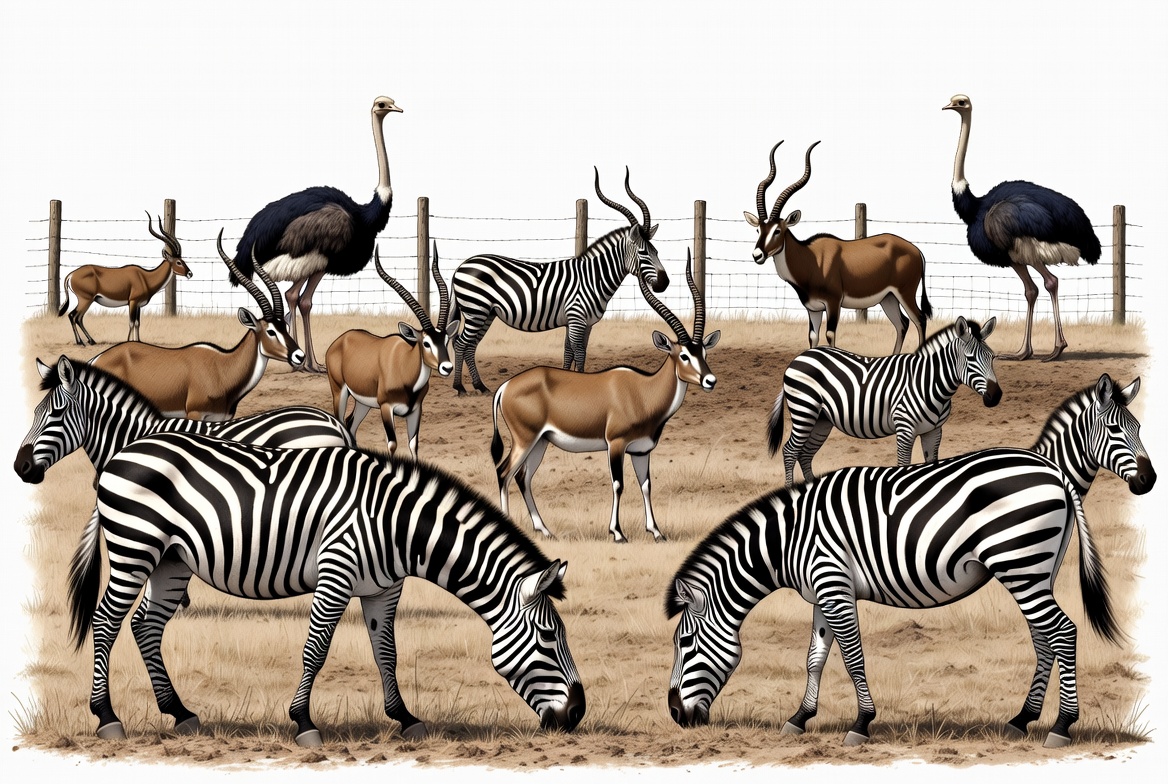
Exotic and game farms cannot be treated like ordinary farm property
An exotic animal farm may have breeding stock, rare animals, imported animals, game animals, private collections, enclosures, public visits, animal sales, animal transport, farm equipment, feed storage, veterinary relationships, employees, volunteers, contractors, and property values that do not fit a basic agricultural submission.
The insurance review should separate general liability, dangerous animal liability, animal bailee or animal care, property, farm equipment, commercial auto, hired and non-owned auto, workers’ compensation, cyber, event liability, employment practices, and umbrella or excess liability. The submission should explain the animal operation clearly before the account is classified too broadly or declined too quickly.
Exotic and game farm details to identify early
- Species list, animal count, dangerous species, breeding animals, game animals, and animal values where available
- Animal acquisition, sales, transport, transfer, quarantine, veterinary care, and recordkeeping procedures
- Fencing, gates, barns, paddocks, stalls, shelters, enclosures, signage, and secondary containment
- Public access, tours, educational visits, private events, buyers, vendors, photographers, and school groups
- Farm vehicles, trailers, equipment, tractors, ATVs, maintenance equipment, and animal transport vehicles
- Employees, volunteers, handlers, caretakers, seasonal workers, contractors, and family labor exposure
- Feed storage, water systems, lighting, security, backup power, weather exposure, and property values
- Prior bites, escapes, animal deaths, visitor injuries, employee injuries, property losses, or carrier restrictions
Choose the farm exposure. See what the insurance submission needs to explain.
Exotic and game farm insurance changes by species, fencing, animal movement, public access, breeding activity, vehicle use, and prior incidents. Click a pressure point below.
Rare animal breeding facilities should explain species, breeding stock, animal acquisition, quarantine, veterinary relationships, housing, animal records, transport, sale or transfer procedures, and whether the public, buyers, or vendors enter animal areas.
Coverage categories that should be reviewed for exotic and game farms
Exotic and game farm insurance can involve multiple policies or coverage parts. The right structure depends on the animals, the farm layout, the public-access model, the sale or breeding operation, the vehicles, the employees, and the prior claim history.
General Liability
Reviews visitor injury, buyer visits, vendor access, private tours, farm premises liability, public events, parking areas, and non-professional third-party liability allegations.
General liability informationDangerous Animal Liability
Should be reviewed when species, containment, handler controls, public proximity, escape potential, bite potential, trampling, charging, or animal injury risk creates heightened liability concern.
Dangerous animal liability pageAnimal Bailee / Animal Care
Reviews animals in the operation’s care, custody, or control, including breeding stock, transported animals, boarded animals, transferred animals, quarantined animals, or animals held for sale.
Animal bailee pageFarm Property & Equipment
Reviews barns, shelters, fencing, gates, paddocks, enclosures, feed storage, machinery, tools, security systems, water systems, lighting, and farm equipment.
Wildlife park property pageCommercial Auto & Trailers
Reviews farm trucks, trailers, animal transport, hired and non-owned auto, employee driving, ATVs, utility vehicles, and vehicles used for farm operations.
Commercial auto informationWorkers’ Compensation
Employees, handlers, caretakers, seasonal workers, maintenance staff, and volunteers may face bites, kicks, trampling, lifting, equipment, vehicle, and animal handling injuries.
Review employee exposureAnimal farm accounts where the insurance review needs specific detail
Information to prepare before an exotic or game farm insurance review
- Entity name, location, acreage, operating structure, public access, and farm purpose
- Species list, animal count, dangerous animals, breeding stock, animal values where available, and animal records
- Animal acquisition, sale, transfer, transport, quarantine, veterinary care, and animal handling procedures
- Fencing, gates, barns, paddocks, enclosures, shelters, feed storage, water systems, and security controls
- Farm vehicles, trailers, tractors, ATVs, utility vehicles, employee driving, and animal transport vehicles
- Employees, handlers, caretakers, seasonal workers, volunteers, contractors, and family labor duties
- Public tours, school visits, buyer visits, photography sessions, private events, and guest rules
- Loss runs, prior escapes, animal deaths, bites, kicks, visitor injuries, employee injuries, auto claims, or restrictions
An exotic farm account needs an animal inventory story, not a generic farm application
A standard farm insurance submission may miss the issues that matter most: species, animal value, containment, breeding activity, public access, transport, dangerous animal exposure, staff handling, and prior animal incidents. The more unusual the farm, the more important it is to explain the operation before the carrier reacts to the words “exotic animal.”
Kelly Insurance Group helps organize exotic and game farm accounts by separating animal exposure, public access, farm property, vehicles, employees, fencing, transport, and prior claims. That structure can help underwriters understand what the farm actually does and what coverage questions need attention.
How to make an exotic or game farm account easier to underwrite
Identify species, animal count, dangerous animals, breeding stock, animal records, acquisitions, sales, and transfers.
Document fencing, gates, barns, paddocks, enclosures, shelters, secondary containment, inspection routines, and signage.
Clarify tours, buyers, vendors, events, school groups, photography sessions, guest rules, parking, and visitor pathways.
Provide loss runs, animal incidents, escapes, injuries, property losses, corrective action, and current controls.
Use the right page for the actual animal operation
Exotic and game farm insurance sits inside the broader wildlife attraction and animal operation cluster. Use the related pages below when the account includes public animal attractions, dangerous animals, sanctuaries, animal encounters, property systems, or hard-to-place issues.
Exotic & Game Farm Insurance Questions
What insurance should an exotic or game farm review?
An exotic or game farm may need general liability, dangerous animal liability, animal bailee or animal care coverage, farm property, equipment coverage, commercial auto, hired and non-owned auto, workers’ compensation, cyber liability, event liability, employment practices liability, and umbrella or excess liability depending on the operation.
Why is an exotic animal farm different from a standard farm?
Exotic animal farms may involve unusual species, breeding stock, animal transport, specialized containment, public access, dangerous animal exposure, animal sales, animal values, veterinary relationships, and carrier appetite issues that are not usually addressed by a basic farm description.
Does a game farm need dangerous animal liability insurance?
Dangerous animal liability should be reviewed when species, animal behavior, containment, guest proximity, staff handling, escape potential, or injury potential creates higher animal-related liability concerns.
What information helps quote exotic and game farm insurance?
Helpful information includes species list, animal count, public access details, fencing and enclosure information, farm vehicles, employee duties, animal transport, property values, prior losses, and any carrier restrictions or declinations.
Can Kelly Insurance Group help with a declined exotic farm account?
Yes. Declined or restricted exotic farm accounts should be organized with the reason for declination, current policies, loss runs, species details, fencing and containment controls, animal incident history, corrective action, and current risk controls.
Send the species, fencing, breeding, public-access, and farm operation details before the account gets boxed into the wrong category.
Tell us what animals are involved, whether animals are bred or sold, how animals are contained, whether the public visits the farm, what vehicles and equipment are used, who handles the animals, and whether there are prior claims, restrictions, or declinations.