Aquarium & Marine Life Attraction Insurance
Coverage review for aquariums, marine life exhibits, ocean tank attractions, touch tanks, aquatic education centers, and public marine animal displays.
Aquariums and marine life attractions are not ordinary museums, venues, or animal attractions. A large ocean tank exhibit may depend on water quality, filtration, pumps, HVAC, refrigeration, electrical systems, backup power, life-support equipment, animal care protocols, visitor walkways, acrylic viewing panels, touch tanks, divers, educators, volunteers, food service, gift shops, school groups, and business income protection if a covered loss interrupts operations. Kelly Insurance Group helps organize these exposures so the account is not treated like a simple public attraction.
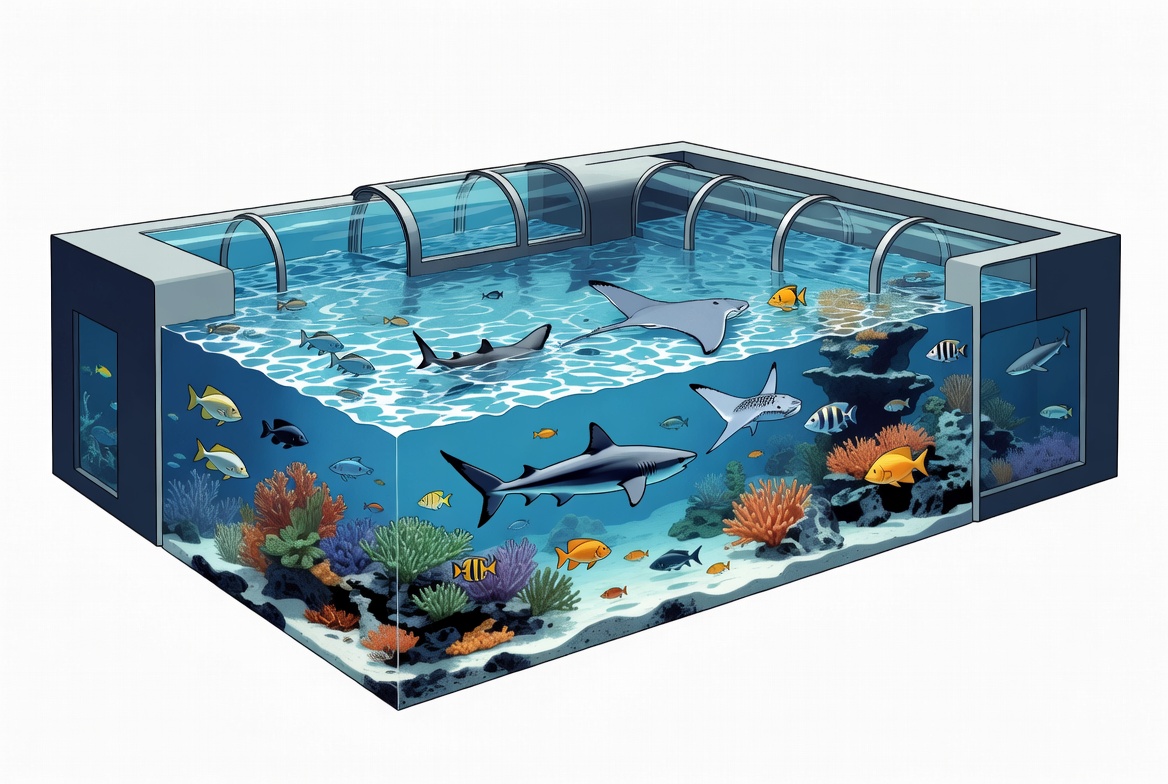
Aquarium insurance needs to account for the systems behind the exhibit
From the guest side, an aquarium may look like a beautiful public attraction. From the insurance side, it can be a facility that depends on tanks, pumps, filtration, water quality, electrical service, temperature control, water chemistry, specialized equipment, animal care procedures, divers, educators, touch points, crowd control, and business income continuity after a covered property loss.
Aquarium and marine life attraction insurance should separate the major coverage conversations: general liability, dangerous animal or marine animal exposure, property, equipment breakdown, business income, workers’ compensation, cyber, commercial auto where applicable, event exposure, and umbrella or excess liability.
Aquarium details to identify early
- Tank sizes, exhibit types, acrylic panels, viewing areas, and guest pathways
- Pumps, filtration, life-support systems, oxygenation, HVAC, refrigeration, and backup power
- Marine species, animal care procedures, quarantine, transport, veterinary relationships, and feeding programs
- Touch tanks, animal encounters, interactive exhibits, school groups, tours, and private events
- Divers, aquarists, animal care staff, volunteers, educators, maintenance staff, and contractors
- Water damage exposure, equipment breakdown, electrical interruption, business income, and extra expense
- Prior tank failures, water losses, animal losses, visitor injuries, employee injuries, or carrier restrictions
Choose the aquarium exposure. See what the insurance review needs to address.
Aquariums can be underwritten around the systems that keep the attraction operating. Click a pressure point below.
Large ocean tank exhibits should be reviewed by tank construction, acrylic or glass panels, pumps, filtration, electrical systems, viewing areas, visitor barriers, maintenance procedures, animal care, water damage exposure, and emergency response procedures.
Coverage categories that matter for aquarium and marine life attractions
Aquarium insurance should be reviewed with the physical exhibit, animal care operation, guest experience, employee exposure, and system dependency in mind. The right coverage structure depends on how the attraction actually operates.
General Liability
Reviews visitor injury, guest walkways, slip and fall concerns, school groups, tours, viewing areas, touch tanks, concessions, gift shops, vendors, and event-related premises exposure.
General liability informationProperty & Equipment Breakdown
Reviews tanks, pumps, filtration, electrical systems, HVAC, refrigeration, oxygenation, backup power, water systems, acrylic panels, lighting, monitoring systems, and specialized marine life equipment.
Aquarium property pageBusiness Income & Extra Expense
A covered property or equipment loss can interrupt attendance, events, school programs, gift shop sales, food service, animal care operations, and the ability to reopen quickly.
Review business incomeMarine Animal Care & Animal Bailee
Animal care exposure should be reviewed when marine animals are displayed, transported, quarantined, transferred, treated, rescued, rehabilitated, or otherwise in the operation’s care.
Animal bailee pageWorkers’ Compensation
Aquarists, divers, animal care staff, maintenance workers, educators, guides, volunteers, and concession employees may have very different injury exposures within the same attraction.
Review employee exposureCyber, Crime & Umbrella
Ticketing, donor systems, membership databases, payment systems, security systems, employee data, higher liability limits, and contractual requirements should be reviewed as part of the overall program.
Cyber liability informationAquatic operations where the insurance review needs detail
Information to prepare before an aquarium insurance market review
- Entity name, location count, attraction type, annual attendance, and operating schedule
- Tank sizes, exhibit values, acrylic panels, viewing areas, touch tanks, and public access points
- Species list, marine animal care procedures, quarantine, transport, veterinary support, and feeding programs
- Pumps, filtration, oxygenation, water quality systems, HVAC, refrigeration, backup power, and monitoring systems
- Employees, aquarists, divers, volunteers, educators, guides, maintenance workers, and contractors
- Food service, gift shop, private events, camps, school groups, birthday parties, and special programs
- Property values, equipment values, business income needs, extra expense concerns, and continuity planning
- Loss runs, prior water losses, equipment failures, animal losses, visitor injuries, employee injuries, or restrictions
Aquarium accounts need an equipment-and-systems story, not just a venue description
A basic venue submission can miss the real exposure. Aquariums depend on physical systems that protect marine life, support public access, keep water quality stable, and preserve revenue. When those systems fail, the issue can become property, equipment breakdown, animal care, business income, visitor safety, and reputation all at once.
Kelly Insurance Group helps present the account by separating tanks, equipment, visitors, staff, marine animal care, events, property values, business income, and prior losses. That matters for standard aquariums, marine life attractions, touch tank exhibits, large ocean tank facilities, and hard-to-place aquatic operations.
How to make an aquarium insurance submission easier to understand
Identify tanks, viewing areas, touch points, guest flow, barriers, public programs, and animal interaction.
Document pumps, filtration, HVAC, refrigeration, water quality, backup power, electrical systems, and monitoring controls.
General liability, property, equipment breakdown, business income, workers’ compensation, cyber, and umbrella need separate review.
Show what happens after a covered equipment or property loss and how the attraction protects animals, visitors, and revenue.
Use the right page for the actual wildlife attraction exposure
Aquarium insurance is one coverage path within the broader zoo, safari park, aquarium, and wildlife attraction cluster. Use these pages when the account also involves dangerous animals, safari routes, animal encounters, sanctuaries, property systems, or hard-to-place issues.
Aquarium & Marine Life Attraction Insurance Questions
What insurance should an aquarium or marine life attraction review?
An aquarium or marine life attraction may need general liability, commercial property, equipment breakdown, business income, workers’ compensation, cyber liability, animal care or animal bailee coverage, event liability, employment practices liability, commercial auto where applicable, and umbrella or excess liability.
Why is equipment breakdown important for aquariums?
Aquariums often depend on pumps, filtration, oxygenation, temperature control, water quality systems, electrical systems, refrigeration, monitoring systems, and backup power. A failure can affect animal care, visitor access, and the ability to continue operations.
Are touch tanks and animal encounters a separate insurance concern?
Yes. Touch tanks and marine animal encounters can change the liability review because guests have closer contact with animals, staff supervision becomes more important, and handwashing, guest rules, animal rotation, and incident procedures may need to be explained.
What information helps quote aquarium insurance?
Useful information includes tank values, species lists, visitor attendance, exhibit details, equipment schedules, water systems, backup power, employee roles, animal care procedures, property values, prior losses, and any carrier restrictions.
Can Kelly Insurance Group help with a hard-to-place aquarium?
Yes. Hard-to-place aquarium accounts should be organized with loss runs, prior equipment failures, animal loss details, water damage history, property schedules, systems information, current risk controls, and the reason for any declination or restriction.
Send the tank, system, visitor, and marine animal details before the account gets treated like a basic venue.
Tell us what exhibits are involved, what marine animals are displayed, what systems support the operation, what property and equipment values need coverage, and whether there are prior equipment failures, visitor injuries, animal losses, or carrier restrictions.