Safari Park & Drive-Through Animal Park Insurance
Coverage review for drive-through animal parks, safari routes, wildlife drive experiences, animal preserves, exotic animal attractions, and public vehicle-based wildlife operations.
Safari parks and drive-through animal parks are not ordinary outdoor attractions. The public is moving through animal territory in vehicles, staff may be directing traffic around live animals, gates and fencing separate zones, and the attraction may involve guest vehicles, staff vehicles, trams, shuttles, animal crossings, feeding rules, emergency response, dangerous animal exposure, property values, workers’ compensation, commercial auto, and business income concerns. Kelly Insurance Group helps organize the safari park insurance submission so the route, animals, vehicles, guests, staff, and property are reviewed as one connected operation.
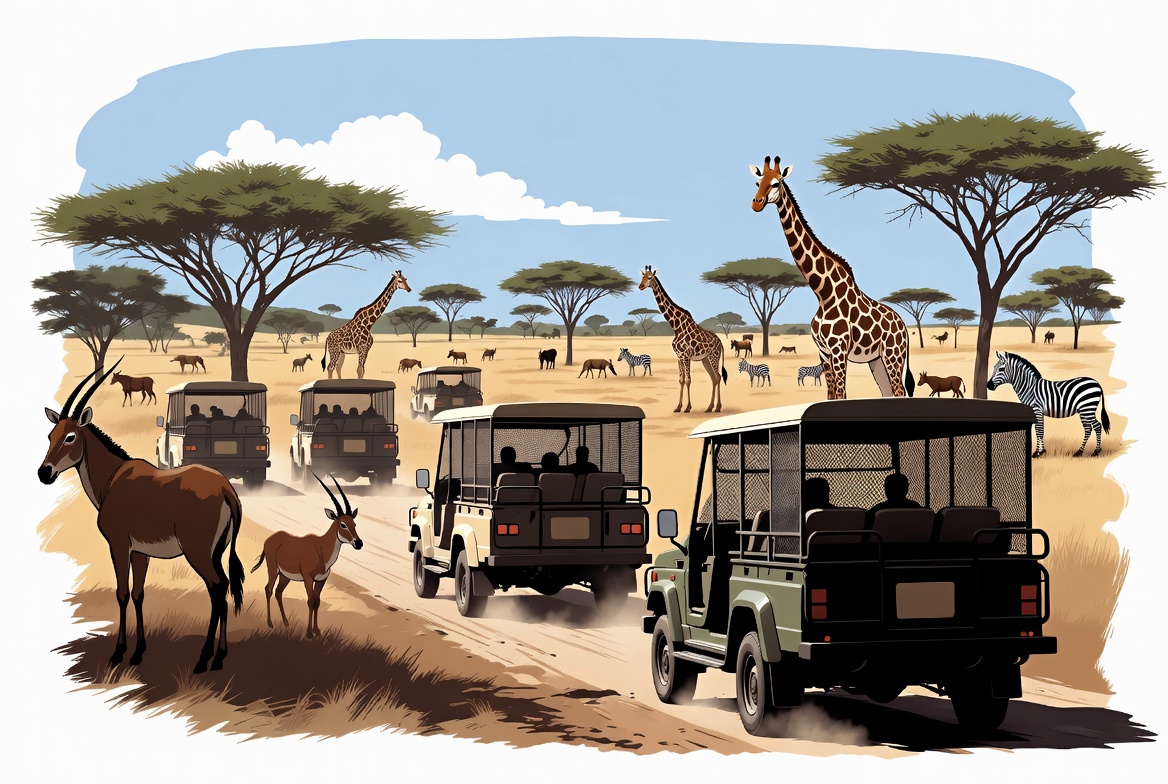
A safari park is a public attraction, animal operation, and vehicle route all at once
A drive-through animal park creates a different insurance problem than a walk-through zoo. Visitors may be inside their own vehicles. Animals may approach vehicles, cross routes, damage mirrors or paint, block traffic, or interact with guests in ways that need strict controls. Staff may use vehicles, gates, radios, fencing, signage, and emergency plans to keep the route moving safely.
The insurance review should separate general liability, dangerous animal liability, commercial auto, hired and non-owned auto, property, equipment breakdown, workers’ compensation, business income, cyber, event liability, animal care, and umbrella or excess liability. A safari park submission should explain the actual route instead of describing the business as a generic animal attraction.
Safari park details to identify early
- Drive-through route layout, route length, traffic controls, gates, barriers, signage, and exits
- Animal species, dangerous animals, animal zones, crossings, containment, and separation controls
- Guest vehicle rules, windows, feeding restrictions, speed limits, supervision, and emergency instructions
- Staff vehicles, trams, shuttles, carts, maintenance vehicles, animal transport, and parking areas
- Keeper, guide, trainer, maintenance, volunteer, concession, ticketing, and seasonal employee duties
- Animal escape response, vehicle breakdown response, guest injury response, and route closure plans
- Fencing, gates, habitats, buildings, ticket booths, concessions, gift shops, and property values
- Prior guest injuries, vehicle damage, animal incidents, employee injuries, auto losses, or carrier restrictions
Choose the route exposure. See what the insurance review needs to address.
Safari park underwriting changes by animal zones, route design, guest vehicles, staff controls, traffic flow, and emergency response. Click a pressure point below.
The submission should explain route layout, animal zones, gates, signage, speed limits, turnarounds, emergency exits, staff monitoring, vehicle spacing, barriers, and what happens when guests stop, break down, ignore rules, or animals block the route.
Coverage categories that should be reviewed for safari and drive-through animal parks
Safari park insurance may require several coverage lines working together. The route, animals, visitors, vehicles, staff, property, business interruption, and prior losses should all be reviewed before the account is placed.
General Liability
Reviews visitor injury, premises liability, guest vehicle incidents, parking areas, admissions, concessions, walkways, gift shops, events, and non-auto third-party liability allegations.
General liability informationDangerous Animal Liability
Reviews animal contact, escape, bite, attack, vehicle damage caused by animals, guest proximity, containment, animal zones, and animal-related public safety concerns.
Dangerous animal liability pageCommercial Auto / Hired & Non-Owned Auto
Reviews park-owned vehicles, staff vehicles, shuttles, trams, carts, animal transport, employee driving, hired vehicles, and route-support vehicles used in the operation.
Commercial auto informationProperty & Equipment
Reviews fencing, gates, barriers, habitats, barns, ticket booths, signage, roads, lighting, security systems, animal buildings, concessions, gift shops, and maintenance equipment.
Wildlife park property pageWorkers’ Compensation
Reviews employee exposure for keepers, guides, drivers, maintenance workers, gate attendants, animal care staff, concession employees, volunteers, seasonal workers, and route-support staff.
Review employee exposureBusiness Income & Extra Expense
A covered property loss, route closure, gate damage, weather-related property event, or equipment issue can interrupt admissions, tours, concessions, events, and guest access.
Review business incomeDrive-through animal operations where insurance needs sharper detail
Information to prepare before a safari park insurance review
- Entity name, location, operating season, annual attendance, and route type
- Route map, animal zones, guest vehicle rules, speed limits, gates, signage, and emergency exits
- Species list, dangerous animals, animal count, containment, crossings, and feeding procedures
- Staff vehicles, trams, shuttles, carts, animal transport, maintenance vehicles, and employee driving
- Fencing, gates, barriers, roads, habitats, ticket booths, gift shops, concessions, and property values
- Employee roles, keeper duties, guide duties, maintenance work, volunteers, and seasonal staff
- Emergency procedures for vehicle breakdowns, guest rule violations, animal escape, injury, and route closure
- Loss runs, vehicle damage claims, animal incidents, visitor injuries, employee injuries, or carrier restrictions
A drive-through animal park should not be submitted like a normal outdoor venue
Safari parks need a submission that explains how vehicles and animals interact. A generic venue description does not explain guest behavior, route design, animal proximity, vehicle breakdowns, feeding rules, containment, gates, staff monitoring, emergency response, or the possibility of animal-related vehicle damage.
Kelly Insurance Group helps separate the account into clear coverage lanes: public liability, dangerous animal exposure, auto, property, workers’ compensation, business income, animal care, and excess liability. That structure gives carriers a better chance to understand the operation instead of rejecting it as too unusual.
How to make a drive-through safari account easier to underwrite
Show the route, animal zones, gates, exits, speed controls, signage, staff stations, and emergency access points.
Identify species, dangerous animals, animal movement, crossings, feeding rules, containment, and separation procedures.
Separate guest vehicles, staff vehicles, shuttles, trams, carts, maintenance vehicles, and animal transport.
Provide emergency procedures, staff training, route closure plans, guest instructions, incident reporting, and loss history.
Use the right page for the actual wildlife attraction exposure
Safari park insurance is one path inside the broader wildlife attraction insurance cluster. Use the related pages below when the account includes dangerous animals, aquariums, animal encounters, sanctuaries, property systems, or hard-to-place issues.
Safari Park & Drive-Through Animal Park Insurance Questions
What insurance should a safari park or drive-through animal park review?
A safari park may need general liability, dangerous animal liability, commercial property, equipment breakdown, business income, workers’ compensation, commercial auto, hired and non-owned auto, cyber liability, animal care or animal bailee review, employment practices liability, and umbrella or excess liability depending on the operation.
Why is a drive-through animal park different from a walk-through zoo?
Drive-through parks involve guest vehicles, route controls, animal crossings, gates, vehicle breakdown procedures, animal proximity to cars, staff vehicles, and traffic flow. Those details create a different liability and auto review than a walk-through attraction.
Does safari park insurance need commercial auto coverage?
Commercial auto or hired and non-owned auto should be reviewed when the operation uses staff vehicles, shuttles, trams, carts, maintenance vehicles, animal transport vehicles, or employee driving. Guest vehicle exposure should also be discussed as part of the overall liability review.
What information helps quote safari park insurance?
Useful information includes the route map, species list, dangerous animal details, guest vehicle rules, staff vehicle schedule, gates, fencing, signage, property values, employee roles, emergency procedures, and prior loss history.
Can Kelly Insurance Group help with a hard-to-place safari park?
Yes. Hard-to-place safari park accounts should be organized with the reason for declination, current policies, loss runs, animal incident history, route controls, vehicle procedures, containment details, corrective action, and current risk controls.
Send the route, animal, vehicle, and containment details before the account gets treated like a basic attraction.
Tell us how the route works, what animals are involved, how guest vehicles are controlled, what staff vehicles are used, what fencing and gates protect the park, and whether there are prior vehicle damage claims, animal incidents, injuries, restrictions, or declinations.