Tree Service Commercial Auto Insurance
Commercial Auto insurance for tree service trucks, chipper trucks, bucket trucks, dump trucks, service vehicles, trailers, grapple trucks, crew vehicles, and fleets used by arborists, tree removal companies, trimming crews, and storm cleanup contractors.
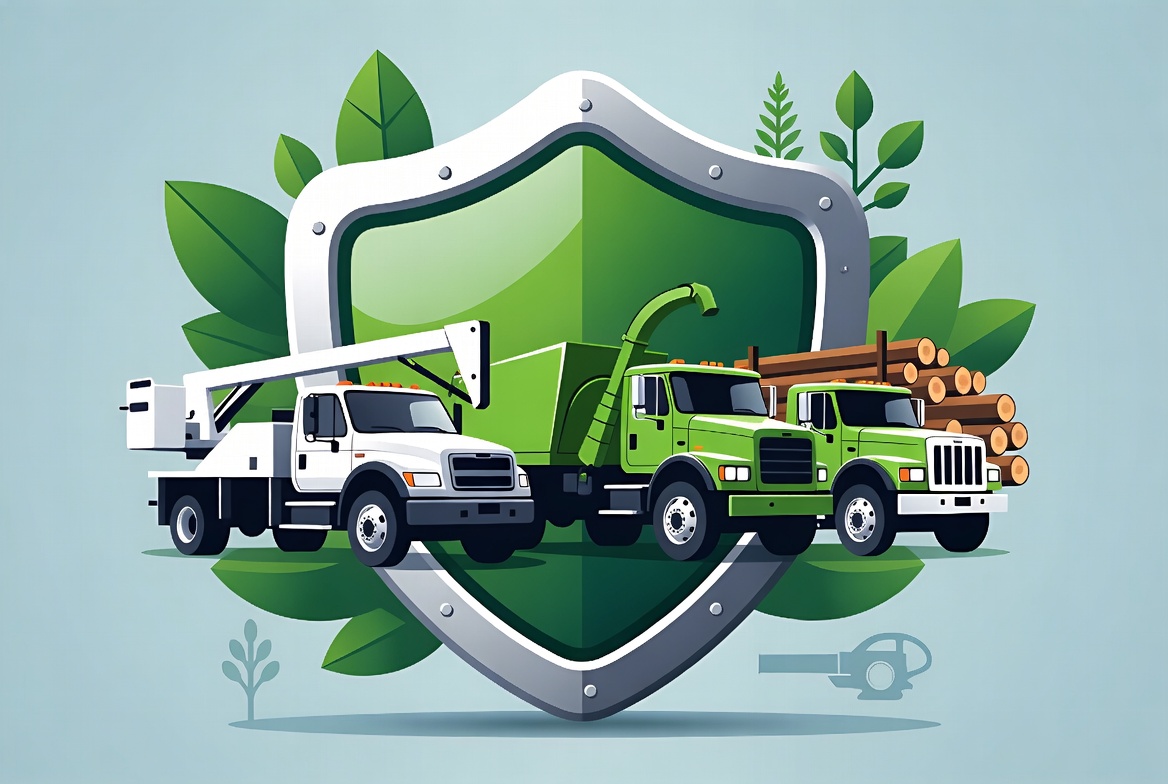
Tree Trucks Are Not Personal Vehicles
Tree service vehicles carry equipment, crews, trailers, debris, tools, and jobsite exposure. Commercial Auto has to match the actual use — not just the title on the vehicle.
What Is Tree Service Commercial Auto Insurance?
The policy that protects business vehicles used in tree service operations, including liability claims and physical damage protection when properly structured.
Tree Service Commercial Auto Insurance is designed for vehicles used by arborists, tree contractors, removal crews, trimming companies, stump grinding businesses, and storm cleanup operations.
Tree service vehicles are often heavier, more specialized, and more dangerous than ordinary contractor vehicles. A chip truck, bucket truck, dump truck, grapple truck, or truck towing a chipper creates a very different risk profile than a pickup used for estimates.
The policy may include auto liability, physical damage, uninsured and underinsured motorist coverage, hired and non-owned auto, medical payments or PIP where applicable, and trailer-related considerations depending on the vehicles, state, carrier, and operations.
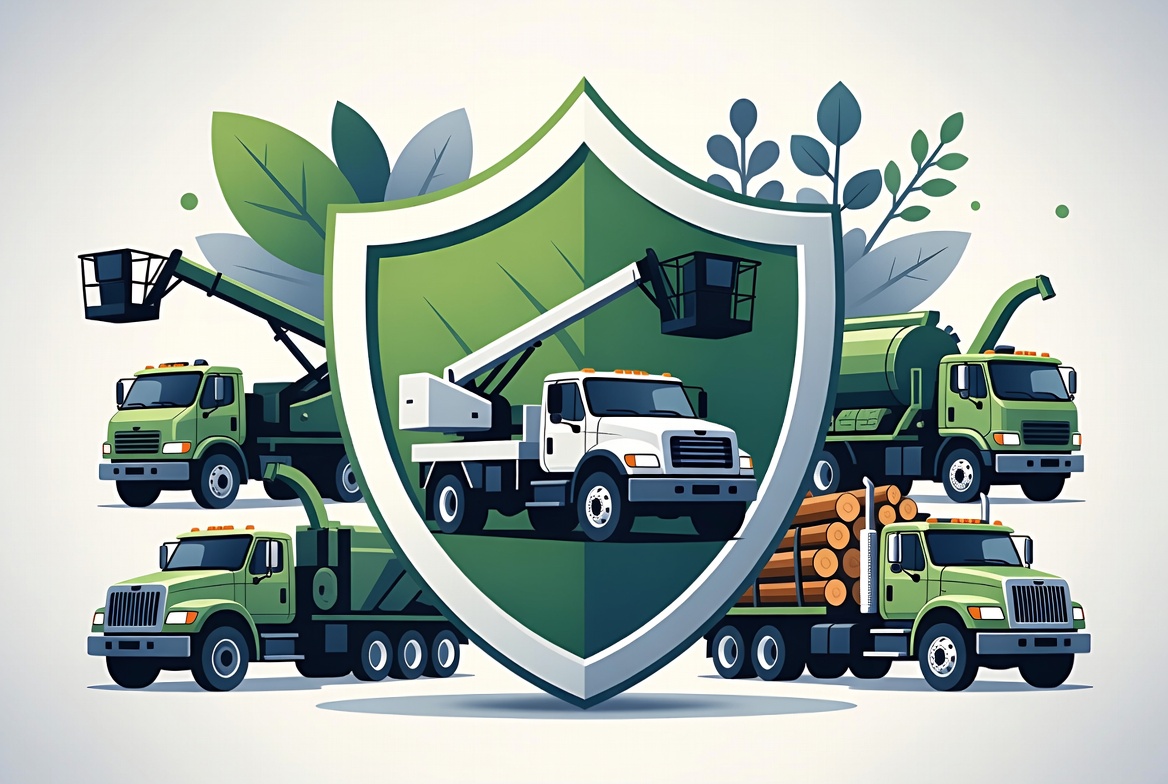
Auto Can Break The Account
Bad driver history, wrong vehicle classification, missing trailers, young drivers, heavy trucks, bucket trucks, and DOT exposure can turn a simple tree service submission into a serious placement problem.
Talk To Kelly Insurance GroupTree Service Vehicles That Need Commercial Auto
If the vehicle is owned, leased, hired, borrowed, or used for business operations, the insurance structure needs to be reviewed.
What Commercial Auto Can Cover
Tree service auto coverage is not just about whether the truck is insured. It is about how the vehicle is used, who drives it, what it tows, and what limits the contracts require.
Bodily Injury Liability
Protection when a covered business vehicle causes injury to another driver, passenger, pedestrian, cyclist, or third party.
Property Damage Liability
Coverage for damage to another vehicle, building, fence, sign, utility pole, guardrail, driveway, or other property caused by a covered auto accident.
Comprehensive
Physical damage coverage for theft, vandalism, fire, falling objects, certain weather events, and other non-collision losses to covered vehicles.
Collision
Physical damage coverage for covered vehicles damaged in a crash, rollover, impact, or collision with another vehicle or object.
Uninsured Motorist
Protection when another driver causes injury and has no insurance or insufficient insurance, subject to state requirements and policy terms.
Hired & Non-Owned Auto
Coverage for certain liability exposures involving rented, hired, borrowed, or employee-owned vehicles used for business purposes.
Trailer Considerations
Tree services often tow chippers, stump grinders, equipment trailers, and dump trailers. Trailer liability and physical damage must be reviewed separately.
Contract Limit Requirements
Commercial clients, municipalities, and general contractors may require specific auto liability limits and certificate wording before work begins.
Where Tree Service Auto Gets Expensive
Commercial Auto is often the pressure point in a tree service insurance program.
Tree service auto is underwritten harder than people expect. Carriers look at vehicle size, radius, driver age, MVRs, DOT exposure, garaging location, prior accidents, trailers, heavy equipment, and whether vehicles are used for debris hauling, storm response, or long-distance jobs.
A clean General Liability submission can still fall apart if the auto side is ugly. Young drivers, DUIs, at-fault accidents, suspended licenses, heavy trucks, poor maintenance, or unclear vehicle ownership can restrict options fast.
The biggest mistake is assuming a personal auto policy or basic business auto setup is enough. Tree service vehicles are business tools, jobsite assets, and moving liability exposures.
Common Tree Service Commercial Auto Claims
The claim does not have to happen while cutting a tree. The drive to and from the job can be just as financially dangerous.
Claim Scenario
Chipper Truck Rear-End Accident
A loaded chip truck rear-ends another vehicle while traveling between jobs, creating bodily injury and vehicle damage claims.
Claim Scenario
Bucket Truck Hits Property
A bucket truck backs into a parked vehicle, building overhang, fence, gate, garage, or utility pole at a residential or commercial property.
Claim Scenario
Trailer Detaches
A trailer carrying equipment detaches or swings during transit, causing damage to vehicles, property, or road users.
Claim Scenario
Employee Uses Personal Vehicle
An employee uses a personal vehicle for company errands or jobsite movement, creating a hired and non-owned auto issue.
Claim Scenario
Storm Response Travel
Crews travel outside the normal service area after a storm, increasing radius, fatigue, traffic, and unfamiliar road exposure.
Claim Scenario
Vehicle Theft Or Vandalism
A truck is stolen, vandalized, burned, or damaged while parked at a yard, jobsite, hotel, or staging area.
Do Not Treat The Trucks As An Afterthought
For many tree contractors, the vehicles are the exposure that controls pricing, eligibility, certificate compliance, and carrier appetite.
Contact Kelly Insurance GroupRelated Tree Service Insurance Pages
Stay inside the tree service insurance cluster and move to the page that matches your next coverage issue.
Other Kelly Insurance Group Resources
Useful supporting pages for commercial vehicles, contractors, certificates, umbrella limits, and broader business insurance programs.
Frequently Asked Questions
Commercial Auto questions tree service contractors should ask before buying or renewing coverage.
Do Tree Service Trucks Need Commercial Auto Insurance?
Yes. Vehicles used for tree service operations should be insured under a Commercial Auto policy, not a personal auto policy. This includes vehicles used for crews, equipment, tools, hauling, estimates, and jobsite travel.
Are Chippers And Trailers Automatically Covered?
Not always. Liability for a trailer while attached may be treated differently than physical damage to the trailer or equipment itself. Chippers, trailers, and mobile equipment should be specifically reviewed.
Why Do Driver Records Matter So Much?
Commercial Auto carriers review MVRs because driver history is a major predictor of future claims. DUIs, suspensions, at-fault accidents, speeding, young drivers, and frequent violations can reduce available markets.
Does Commercial Auto Cover Tools In The Truck?
Usually not the way contractors assume. Tools, chainsaws, climbing gear, and equipment are generally handled through Inland Marine or equipment coverage, not the auto policy itself.