Making it happen
NEED WELDING LIABILITY COVERAGE? COMPLETE THE INTAKE FORM.
The fastest way to get your welding account reviewed is to complete the welders liability insurance intake form. Tell us what you weld, where you work, what certificates you need, and whether your operation is mobile, shop-based, structural, or subcontracted.
WELDING
GENERAL LIABILITY
INSURANCE
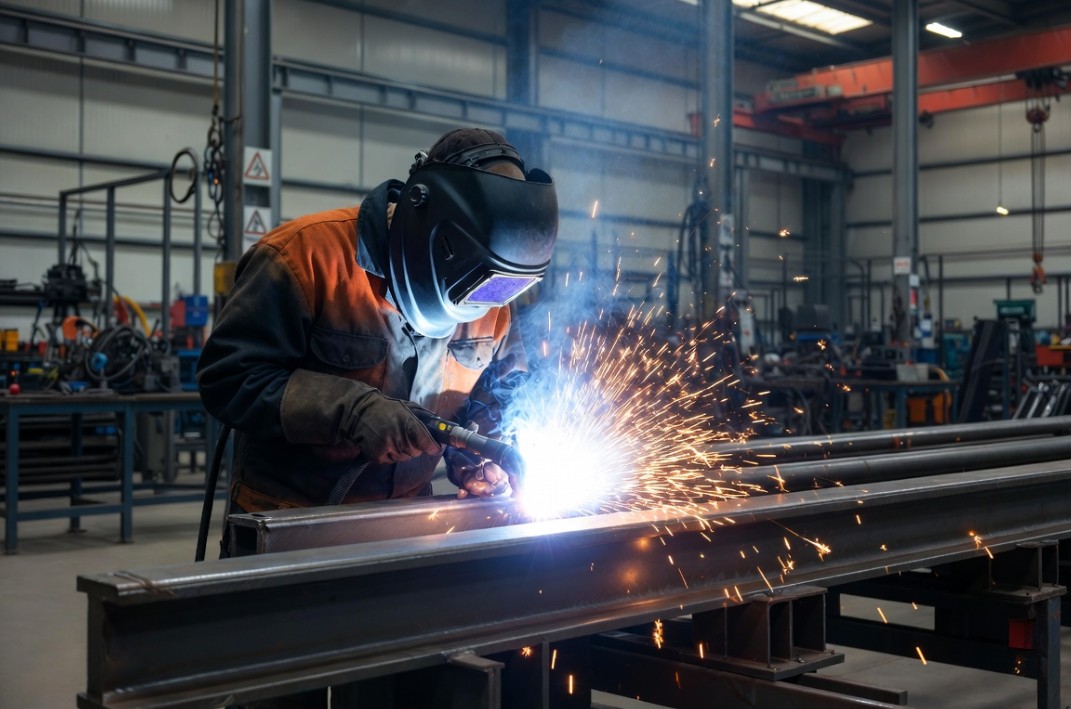
Welding general liability insurance helps protect your business when welding work causes third-party injury, third-party property damage, or a liability claim connected to completed work. For welders, this coverage often supports certificates of insurance, customer requirements, and contract compliance.
- Third-party bodily injury and property damage protection
- Completed operations considerations for work after the job is finished
- Certificate support for contractors, customers, and project owners
- Coverage guidance for mobile welders, shops, independent welders, and structural work
Liability Coverage For Real Welding Work
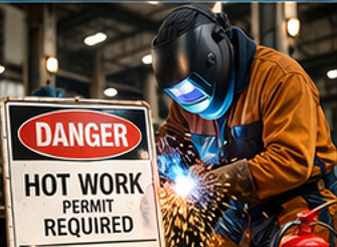
Welding is not clean desk work. Sparks, heat, grinding, customer property, jobsite conditions, installed components, and post-job failures all matter when structuring liability coverage.
What Welding General Liability Insurance Covers
General liability is often the starting point for welding business insurance. It addresses claims made by people or businesses outside your company. It does not replace every policy a welder may need, but it is often the coverage customers and contractors ask for first.
Third-Party Bodily Injury
If a customer, visitor, contractor, property owner, or other non-employee is injured because of your welding operations, general liability may be the first coverage reviewed.
Third-Party Property Damage
Welding, cutting, grinding, and hot work can damage buildings, machinery, vehicles, finished surfaces, jobsite materials, or customer equipment.
Products & Completed Operations
Claims can happen after the job is done. A railing, bracket, gate, stair, support, guard, or fabricated component may fail later and create liability.
Why Completed Operations Matters For Welders
Welding Claims Can Show Up Later
A welded item can look finished when the job closes and still create a claim later. If a weld fails, cracks, separates, or causes a finished product to fail, the claim may involve completed operations rather than active jobsite work.
A Certificate Is Not Enough By Itself
The policy needs to fit the work being performed. Fabrication, repair, installation, mobile welding, structural work, and contract language can all change how the coverage should be reviewed.
Who Needs Welding General Liability Insurance?
Different welding businesses need liability coverage for different reasons. The type of work, jobsite, contract, customer, and finished product all affect the conversation.
Independent Welders
Self-employed welders and one-man welding businesses often need liability coverage to satisfy customers, contractors, landlords, or jobsite requirements.
Mobile Welders
Mobile welders work on customer property and around customer equipment, which can increase the importance of property damage coverage and certificate accuracy.
Welding Shops
Fabrication shops may need liability coverage for customer visits, premises exposure, fabricated products, completed work, and customer property.
Structural Steel Welders
Structural welding can involve higher-severity claims, elevated work, stronger contracts, and more demanding insurance requirements.
Repair Welders
Repair work may involve welding on machinery, vehicles, trailers, gates, frames, equipment, or property owned by someone else.
Metal Fabrication Contractors
Fabricated parts, custom metal work, railings, supports, guards, brackets, and assemblies can create liability after delivery or installation.
Common Liability Exposures For Welders
Hot Work Fire Exposure
Sparks, slag, heat, and grinding can damage nearby property or cause fire-related claims, especially on customer sites, inside buildings, or near finished surfaces.
Customer Property Damage
A welding contractor may be working directly on someone else’s equipment, structure, vehicle, machinery, trailer, or finished property.
Post-Job Failure
If a welded component fails after completion, the claim can be much larger than the original job price.
Additional Insured Requests
Contractors, landlords, municipalities, commercial customers, and project owners may request additional insured wording on your certificate.
Waiver Of Subrogation
Some contracts require waiver wording. Whether it can be provided depends on the policy, carrier, endorsement, and coverage structure.
Primary & Non-Contributory
Some project owners and general contractors require your policy to respond before other available insurance.
What General Liability Does Not Usually Replace
General liability is important, but it is not the only coverage a welding business may need.
Tools & Equipment Coverage
General liability generally does not protect your own welders, torches, leads, grinders, generators, portable machines, or shop equipment from theft or damage.
Commercial Auto
If you use a truck, trailer, or service vehicle for welding work, auto-related exposure may need separate commercial auto coverage.
Workers Compensation
Employee injuries are typically addressed through workers compensation, not general liability.
Shop Property Coverage
Building, contents, stock, business income, and fabrication shop property exposures usually require separate property coverage.
Start Here: Complete The Welders Liability Insurance Intake Form
The intake form gives us the information needed to review your welding operation. Include the type of welding performed, whether you work mobile or in a shop, tools and equipment values, vehicles, certificate needs, and contract requirements.
Welding General Liability Questions
Is public liability insurance the same as general liability?
Many people use the terms similarly, but the policy language matters. For welding businesses, the bigger question is whether the policy fits the actual welding work performed.
Does general liability cover my tools?
Usually, no. Tools and equipment generally require separate coverage. General liability is primarily for third-party claims.
Why do customers ask for certificates?
Certificates help customers and project owners confirm that your business carries insurance before work begins.
Why does completed operations matter?
A welding claim can arise after the job is complete if a welded part, support, railing, or fabricated component fails later.
Get Help With Welding General Liability Insurance
Whether you work independently, run a shop, handle mobile repair welding, or perform structural work, we can help you organize the coverage conversation and work toward the certificates your jobs require.