For solo welding businesses
READY TO GET QUOTED? COMPLETE THE WELDERS INTAKE FORM.
The fastest way to move forward is to complete the welding insurance intake form. It gives us the details needed to understand your work, tools, vehicles, contracts, and certificate requirements.
INDEPENDENT
WELDING
CONTRACTOR INSURANCE
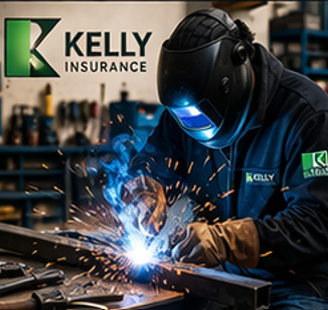
Independent welding contractor insurance is built for welders who work for themselves, run a small welding LLC, subcontract for other contractors, or perform mobile and jobsite welding work. The right coverage helps protect against liability claims, damage to customer property, post-job weld failures, tool losses, and contract insurance requirements.
- Coverage for self-employed welders and solo welding businesses
- General liability and completed operations considerations
- Tools, equipment, welding trucks, and jobsite exposure
- Certificate support for contractors, customers, and project owners
Built For Solo Welding Work
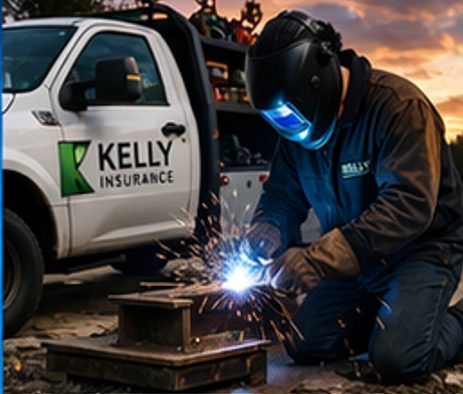
A solo welder has a different risk profile than a large fabrication shop. You may be working alone, moving between jobsites, carrying expensive tools, using a truck or trailer, and being asked for certificates before a project starts.
Who Needs Independent Welding Contractor Insurance?
This page is for welders who work independently or operate a small welding business. That includes full-time welding contractors, side-business welders, mobile welders, subcontractors, and small welding LLCs.
Self-Employed Welders
If you quote jobs, invoice customers, and perform welding work under your own name or business name, you should understand your liability and equipment exposure.
1099 Welding Contractors
If you subcontract for another contractor, you may still be asked for your own certificate of insurance and your own liability coverage.
Welding LLCs
Forming an LLC does not replace insurance. A welding LLC may still need liability coverage, tools coverage, auto coverage, and contract-compliant certificates.
Coverage Independent Welders May Need
The right insurance package depends on how you work, where you work, what you weld, whether you drive for the business, and what your contracts require.
Welding General Liability
Helps protect against third-party injury and property damage claims connected to your welding operations.
Completed Operations
Important when a weld, bracket, railing, support, gate, stair, or fabricated component could fail after the job is complete.
Tools & Equipment
Portable welders, torches, leads, grinders, helmets, generators, and shop or mobile equipment may need separate protection.
Commercial Auto
If you use a truck, trailer, or work vehicle for your welding business, personal auto coverage may not fit the exposure.
Umbrella / Excess Liability
Some contracts require higher limits than a base liability policy provides, especially for commercial jobs.
Certificate Requirements
Customers, contractors, and project owners may require additional insured wording, waiver language, or specific insurance limits.
Common Independent Welder Risk Areas
Working On Customer Property
Independent welders often work directly on customer equipment, customer structures, or customer premises. That can create property damage exposure if sparks, heat, grinding, or welding work causes damage.
Hot Work Exposure
Welding, cutting, grinding, and related hot work can create fire and property damage concerns, especially when the work is performed away from your own shop.
Post-Job Weld Failure
A job may appear complete, but a weld or fabricated part can fail later. Completed operations coverage is one of the key coverage issues for welding contractors.
Tools In Transit
Mobile welders frequently move expensive equipment between jobs. Theft, damage, or loss of tools can interrupt work quickly.
Related Welding Insurance Pages
Choose the page that best fits your operation or coverage question.
Start Here: Complete The Welders Liability Insurance Intake Form
The intake form helps us understand your welding work before we talk coverage. Tell us whether you are mobile, shop-based, independent, structural, or subcontracting; include vehicles, tools, certificates, and any contract requirements.
Independent Welding Contractor Questions
Do I need insurance if I work alone?
Working alone does not remove liability. A solo welder can still damage customer property, face contract requirements, or be responsible for completed work that fails later.
Does an LLC replace insurance?
No. An LLC is not an insurance policy. Customers and contractors may still require proof of coverage before allowing work to begin.
What if I only do small jobs?
Small jobs can still create large claims if welding work causes fire, property damage, injury, or a post-job failure.
What documents help with quoting?
Helpful items include contract insurance requirements, current policies, loss runs if available, vehicle details, tools and equipment values, and a description of the welding work performed.
Get Help With Independent Welding Contractor Insurance
Whether you work alone, subcontract for larger contractors, run a welding LLC, or perform mobile welding work, we can help you organize the coverage conversation and work toward the certificates and protection your jobs require.