
The Costs of Liquor Liability Insurance
Liquor liability pricing follows the risk. A licensed bartender working a private wedding reception is a different underwriting conversation than a late-night bar with entertainment and a prior assault claim. Understanding why those two quotes look nothing alike — and what drives the difference — is the purpose of this page.
Go to the page that matches your operation
Why two alcohol-serving operations can receive completely different quotes
The most common misunderstanding about liquor liability insurance pricing is treating it like a commodity with a predictable rate. It isn't. Two businesses that both serve alcohol can receive quotes that look nothing alike — because the risk isn't alcohol itself, it's everything that surrounds the alcohol service.
Underwriters evaluating a liquor liability submission aren't just asking whether alcohol is served. They're asking what kind of alcohol service, under what conditions, to what crowd, at what hours, managed by whom, with what history. A restaurant serving wine with dinner on a Friday night is not the same exposure as a bar with a DJ, a 2 a.m. close, a dance floor, and a bouncer. Both serve alcohol. The underwriting conversations are completely different.
This page explains the mechanics of how liquor liability pricing actually works — the underwriting factors, the legal framework that drives severity, the coverage structures that apply to different operations, and what a well-prepared submission looks like compared to a disorganized one.
The Legal Foundation: Dram Shop Liability
To understand why liquor liability insurance is priced the way it is, it helps to understand the legal exposure it's designed to address. Most states have dram shop laws — statutes that create civil liability for businesses or individuals who sell or serve alcohol to a visibly intoxicated person who then causes injury or death to a third party. The specific provisions vary significantly by state, but the core concept is consistent: when an alcohol-serving operation contributes to a person's intoxication and that person causes harm, the serving establishment can be held legally responsible for the consequences.
Dram shop claims can be substantial. When a seriously intoxicated patron leaves a bar and causes a DUI accident with significant injuries, the damages involved — medical costs, lost wages, pain and suffering — can be severe. That severity potential is what underwriters are pricing when they evaluate a liquor liability account. They are not pricing the probability of a small incident; they are pricing the possibility of a large one.
The operation matters more than the keyword.
"Liquor liability" covers restaurants, weddings, bartenders, breweries, nightclubs, liquor stores, and festivals. The price changes when the facts change — sometimes dramatically.
The submission that wins the best terms is the one that gives the underwriter a clear, honest picture of the operation — not the one that leaves blank spaces.
Host Liquor Liability vs. Commercial Liquor Liability — These Are Not the Same Policy
Host liquor liability typically applies when an organization or individual hosts an event at which alcohol is provided but is not in the business of selling or serving alcohol. A company hosting a holiday party or a homeowner hosting a backyard gathering may have host liquor exposure. The coverage is often provided through a general liability policy as an extension rather than as a standalone policy.
Commercial liquor liability applies to businesses that are in the business of manufacturing, distributing, selling, or serving alcoholic beverages — bars, restaurants, breweries, caterers, mobile bartenders, and similar operations. These operations need a standalone commercial liquor liability policy, not a host liquor extension. Using the wrong form for the actual exposure is one of the most common coverage gaps in this class — and it tends to surface at claim time rather than at renewal.
The underwriting factors that move liquor liability pricing
These are the elements that underwriters evaluate when building a liquor liability quote. Understanding them is useful whether you're preparing a submission for the first time or trying to understand why your renewal came back differently than expected.
| Underwriting Factor | How It Affects the Evaluation | Impact on Submission |
|---|---|---|
| Type of operation | A restaurant, bar, brewery, mobile bartender, festival, liquor store, and wedding event are classified and rated differently. Operation type is the starting framework for the entire evaluation. | Clearly described operations get faster, cleaner quotes |
| Alcohol-to-food revenue ratio | Operations where alcohol is the primary revenue driver typically present higher intoxication risk than food-heavy operations where alcohol is supplementary. Underwriters ask for percentage breakdowns. | High alcohol % requires stronger control documentation to offset |
| Hours of operation | Late-night service — particularly past midnight — correlates with higher patron impairment levels at time of departure and historically higher rates of DUI and assault claims. Hours are a direct risk factor. | Late hours narrow the carrier market and typically affect pricing |
| Entertainment and dance floor | Entertainment draws larger crowds, extends patron stay duration (and therefore consumption), and can escalate tension in ways that increase assault and battery exposure. | Entertainment typically triggers additional underwriting scrutiny |
| Event size and attendance | Larger events — particularly public-attendance events like festivals and concerts — involve more people, more variables, and more potential for serious incidents. Crowd size affects severity potential directly. | Larger events require more detailed submissions and often higher limits |
| Prior claims and incidents | Alcohol-related claims, assault allegations, overserving incidents, or prior carrier non-renewals are the most significant negative signals in a liquor liability submission. They narrow market options materially. | Prior claims require accurate disclosure and often specialist placement |
| Server training and controls | TIPS or ServSafe certification, documented ID verification procedures, written alcohol service policies, and professional security are positive signals that demonstrate operational risk management. | Documented controls improve submission quality and can offset other factors |
| Venue and location | Some venues have their own insurance requirements that affect what limits and endorsements are needed. Location affects state-specific dram shop law exposure. Physical space affects crowd control capacity. | Venue requirements should be reviewed before binding coverage |
| Security staffing | Professional licensed security — particularly for operations with entertainment, late hours, or large capacity — is a meaningful risk control signal. Its presence or absence affects how the account is viewed. | Professional security strengthens high-volume or late-night submissions |
Different operations, different underwriting conversations
Liquor liability pricing is operation-specific. Here's how the underwriting conversation differs across the most common buyer types — and what underwriters focus on for each one.
Bars & Nightclubs
Core Underwriting Focus
Hours of operation, entertainment, security staffing, crowd capacity, prior incidents, alcohol revenue concentration, and neighborhood context all factor heavily. Late-night operations with entertainment represent the most complex placement in this class.
What Helps the Submission
Professional security documentation, written alcohol service policies, clear description of entertainment type, accurate capacity information, and clean loss history. See the high-risk liquor liability page for difficult placements.
Restaurants
Core Underwriting Focus
Food-to-alcohol revenue ratio, hours, kitchen versus bar emphasis, whether there's a separate bar area, late-night service, and prior claims. A food-forward restaurant with moderate alcohol service is typically a cleaner submission than a bar-restaurant hybrid with late hours.
What Helps the Submission
Accurate food/alcohol revenue split, operating hours documentation, description of service style. See the restaurant liquor liability page for detail.
Festivals & Large Events
Core Underwriting Focus
Public attendance, multiple vendors, beer garden setup, security plans, outdoor exposure, crowd management procedures, municipality or venue requirements, and whether alcohol is sold or hosted. Large outdoor events involve more moving parts than any other category.
What Helps the Submission
Event plan documentation, security staffing details, vendor management procedures, venue contract requirements. See the festivals & concerts page.
Mobile Bartenders
Core Underwriting Focus
Whether alcohol is sold, served, or provided by the host; event type (private vs. ticketed vs. public); bartender licensing and training; how many events per year; and whether work is performed at private residences, venues, or public spaces.
What Helps the Submission
Clear description of service model, bartender certification, typical event types. See the mobile bartending insurance page for specifics.
Weddings & Private Events
Core Underwriting Focus
Guest count, venue requirements, bartender licensing, whether alcohol is sold or simply served, event duration, and whether a licensed professional is serving. Short-term event coverage is available but underwriters still want the basic facts about the event.
What Helps the Submission
Accurate guest count, venue contract, clear description of alcohol service arrangement, bartender information if applicable.
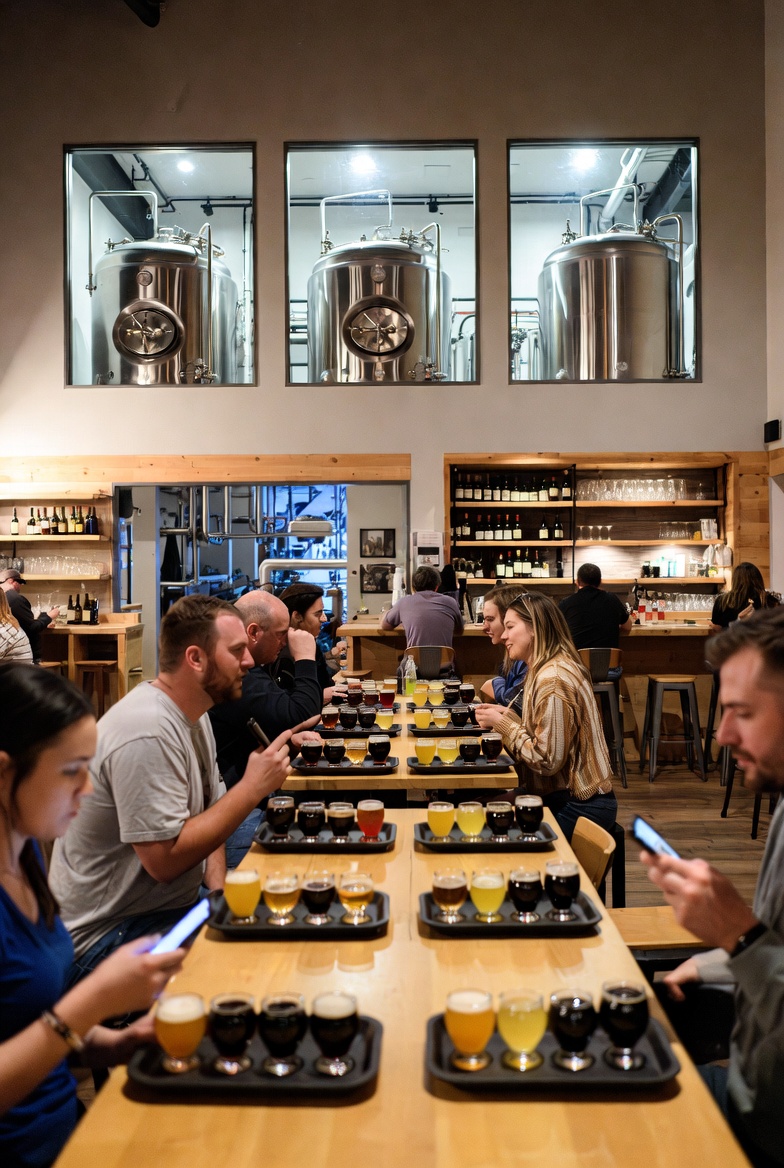
Breweries, Wineries & Taprooms
Core Underwriting Focus
On-site consumption versus off-premises retail versus both; taproom hours; food service or lack thereof; event programming; and whether the facility hosts third-party events or private rentals. Manufacturing operations that also serve on-premises have layered exposure.
What Helps the Submission
Clear description of on-premises vs. retail split, taproom hours, food offering, and any event programming. Each element affects the classification.
Annual vs. short-term liquor liability — different structures, different underwriting questions
Annual liquor liability policies are written for ongoing businesses that serve or sell alcohol continuously throughout the year — bars, restaurants, breweries, caterers, and mobile bartending companies. The policy term is twelve months, and the underwriting is based on the sustained risk profile of the operation over that period: revenue, hours, staffing, controls, and history.
Short-term or event-specific liquor liability is written for discrete events — a wedding reception, a corporate fundraiser, a private party, or a temporary beer garden at a festival. The policy may cover a single day, a single event, or a defined event series. The underwriting conversation is narrower but not absent: carriers still want to know attendance, venue, service arrangement, whether alcohol is sold or hosted, and who is responsible for serving.
Why "Shorter" Doesn't Mean "Simpler"
Short-term event liquor liability is often faster to bind than an annual policy, but the risk factors still apply. A 5,000-person outdoor festival with multiple beer vendors is not a clean, simple account just because it runs for one weekend. The underwriting focuses on the event instead of the ongoing operation, but the questions about security, crowd management, vendor oversight, and venue requirements are just as relevant.
For most ongoing alcohol-serving businesses, short-term coverage is not a substitute for an annual policy — it doesn't address the liability that arises from the day-to-day operation between events.
A clean submission isn't just about lower pricing — it's about getting a quote at all.
Some liquor liability accounts are declined not because the risk is too high, but because the submission is too vague for underwriters to evaluate it. Incomplete applications, missing loss runs, and unexplained prior incidents push accounts to harder markets — not because the facts are necessarily bad, but because the underwriter can't tell.
What a complete liquor liability submission looks like
Better information creates a better submission. It may not automatically result in lower premium, but it gives underwriters the context to evaluate the account accurately — and a well-organized submission signals that the operation itself is organized.
- Clear, specific description of the business or event — including what is served, how it is served, and who serves it
- Estimated annual alcohol revenue or estimated alcohol sales for the event
- Food sales percentage, if applicable to the operation
- Operating hours, including how late alcohol service runs
- Guest count, capacity, or average nightly attendance
- Server training certifications (TIPS, ServSafe, or equivalent)
- Security staffing description — professional licensed security where applicable
- Written alcohol service and cut-off procedures, if they exist
- Prior claims, incidents, or carrier non-renewals — disclosed accurately and completely
- Venue, landlord, or municipal insurance requirements — confirmed before binding
Why large events get priced and placed differently
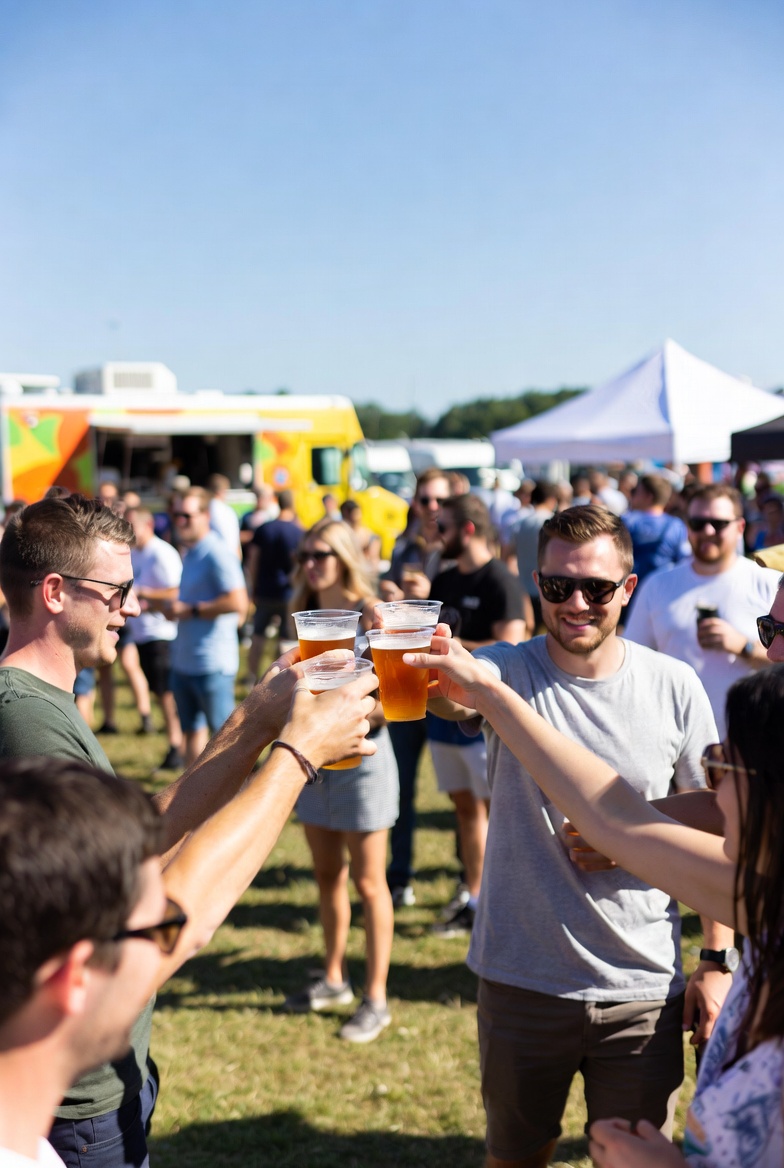
When an alcohol-serving event reaches a certain scale, the underwriting conversation shifts significantly. A 5,000-person outdoor festival with a beer garden isn't evaluated the same way as a 75-person private fundraiser — and it shouldn't be. The risk profile is categorically different, and the carrier market reflects that.
Large public events introduce variables that smaller events don't face: multiple vendors, crowd movement between serving areas, alcohol consumption that the event operator cannot directly monitor across all service points, parking and DUI exit risk, and the complexity of coordinating security across a large physical space. Any one of those factors in isolation is manageable. Combined, they create an environment where a single incident can become a significant claim.
What Underwriters Focus On for Large Events
For festivals, concerts, and large-attendance events, underwriters typically want to understand the security plan — not just that security exists, but how it's staffed, what the ratio is relative to expected attendance, and what the procedures are for managing intoxicated patrons. They also want to know how vendor alcohol service is monitored and whether there are policies in place to prevent off-premises alcohol removal from the event perimeter.
Municipal requirements and venue contracts also matter for large events. Some jurisdictions require specific liquor liability limits or endorsements as a condition of the permit. Those requirements should be in hand before coverage is placed, not after.
Liquor liability insurance cost — frequently asked questions
These are the questions that come up most often from bar owners, restaurant operators, event planners, mobile bartenders, and other alcohol-serving businesses sorting out their liquor liability coverage.
What factors affect the cost of liquor liability insurance?
Liquor liability insurance pricing is driven by the type of operation, the alcohol-to-food revenue ratio, hours of operation, event size and attendance, prior claims history, the presence of server training and ID verification controls, and whether the operation involves late-night service or entertainment. A private event with a licensed bartender and a defined guest count is a fundamentally different underwriting conversation than a bar with entertainment, late hours, and prior incidents. The more complete and organized the submission, the more accurately underwriters can evaluate the actual risk.
What is the difference between host liquor liability and commercial liquor liability?
Host liquor liability typically applies when an organization or individual hosts an event at which alcohol is provided but is not in the business of selling or serving alcohol — such as a corporate office party or private gathering. Commercial liquor liability applies to businesses that are in the business of selling, distributing, or serving alcoholic beverages — bars, restaurants, breweries, caterers, mobile bartenders, and similar operations. Using a host liquor form when commercial coverage is actually needed creates a coverage gap that surfaces at claim time rather than at renewal.
What is dram shop liability and how does it affect pricing?
Dram shop laws are statutes that create civil liability for businesses or individuals who sell or serve alcohol to a visibly intoxicated person who then causes injury or death to a third party. Most states have some form of dram shop law, though the specific provisions vary by jurisdiction. Dram shop liability is one of the primary severity drivers in liquor liability underwriting — claims arising from serious alcohol-related accidents can result in substantial damages. Operations with late-night service, high-volume alcohol sales, or inadequate server training present higher dram shop exposure to underwriters.
Does prior claims history affect liquor liability pricing?
Yes, significantly. Prior liquor liability claims, assault allegations tied to the establishment, overserving incidents, or prior carrier non-renewals and cancellations all affect both pricing and the range of carriers willing to quote the account. Operations with prior claims may find their options narrowed to surplus lines markets, may face higher retentions, or may be required to demonstrate specific risk management improvements before coverage is offered. Disclosing prior incidents accurately is essential — misrepresentation on a liquor liability application can void coverage at claim time.
What is the difference between annual and short-term liquor liability insurance?
Annual liquor liability policies are written for ongoing businesses — bars, restaurants, breweries, caterers, and mobile bartenders — that serve alcohol continuously throughout the year. Short-term or event-specific liquor liability is written for discrete events: weddings, fundraisers, festivals, or temporary alcohol-serving arrangements. Underwriting focuses on the specific event for short-term coverage — attendance, venue, service method, and who is serving — while annual coverage evaluates the sustained risk profile of the ongoing operation.
How does alcohol-to-food revenue ratio affect underwriting?
The ratio of alcohol sales to total revenue is a meaningful underwriting factor because it affects how the operation is characterized. A restaurant where food represents the majority of revenue and alcohol is secondary is typically viewed differently than an operation where alcohol drives most revenue. Higher alcohol revenue concentration correlates with higher intoxication risk, later operating hours, and a different customer experience profile. Operations with high alcohol concentration need to be able to demonstrate strong service controls to counterbalance that factor in the underwriting evaluation.
What controls can help improve a liquor liability submission?
Server training programs, documented ID verification procedures, written alcohol service policies, visible cut-off procedures for visibly intoxicated guests, and professional security staff for high-volume or late-night operations all represent risk controls that underwriters consider. These controls don't guarantee lower pricing, but they give underwriters a more complete picture of how the operation manages its alcohol service risk. A well-documented, organized submission is more likely to result in competitive terms than a sparse or incomplete one.
Why is late-night bar and nightclub liquor liability harder to place?
Late-night bars and nightclubs present a combination of risk factors concentrated in a single operation: high-volume alcohol service, late hours when patron impairment levels are typically higher, entertainment that can escalate tension, large crowds in confined spaces, and historically higher rates of assault and DUI-related claims. These operations are not uninsurable, but the carrier market is narrower, underwriting scrutiny is higher, and the submission needs to demonstrate meaningful risk controls to attract competitive terms. Specialist brokers with access to surplus lines markets are often the appropriate resource for these accounts. See our high-risk liquor liability page for more.
Other relevant insurance pages
Special Event Insurance
For Events Involving Alcohol
Many events that serve alcohol also need broader special event coverage — for cancellation, general liability beyond the alcohol exposure, and vendor coordination. See our special event coverage types page.
General Liability Insurance
The Foundation Beneath Liquor Liability
Liquor liability works alongside general liability — not as a replacement for it. Operations serving alcohol typically need both, structured correctly so each policy responds to the right claims. See our general liability page.
Entertainment & Bars / Nightclubs
High-Volume Alcohol Environments
Bars, nightclubs, and venues with entertainment have insurance considerations that go beyond liquor liability alone. See our entertainment & bars insurance page.
Certificates of Insurance
For Venue and Licensing Requirements
Venues, landlords, and municipalities often require certificates showing liquor liability limits. Certificate issuance and endorsement requirements are part of the placement process. See our certificates of insurance page.
Ready to discuss your alcohol-serving operation?
The quote process starts with the details of the operation — what you serve, how you serve it, where, when, and under what controls. The more specific the information, the more accurately we can match the account to the right markets and structure coverage that reflects the actual risk. Use the form below or reach out directly.
Coverage availability, terms, conditions, and eligibility vary by carrier, state, operation type, and individual risk characteristics. This page describes coverage concepts and underwriting considerations generally. It is not a policy document, binding offer, guarantee of coverage, or representation of specific pricing for any operation. Contact Kelly Insurance Group directly to discuss your specific liquor liability situation and coverage needs.