
HIGH-RISE
CONDO INSURANCE
CONCENTRATED VALUES, COMPLEX SYSTEMS, AND WIND AT EVERY FLOOR.
A single high-rise building can carry replacement cost values that dwarf an entire garden-style campus. One building, one policy, enormous exposure.
Upper floors face exponentially higher wind pressure. Percentage-based wind deductibles on high-value buildings can result in deductibles in the millions.
A pipe failure on the 20th floor creates damage on every floor below it. One occurrence, dozens of affected units, one large deductible.
Rebuilding a high-rise to current code after a partial loss triggers ordinance or law costs that can exceed the original construction budget.
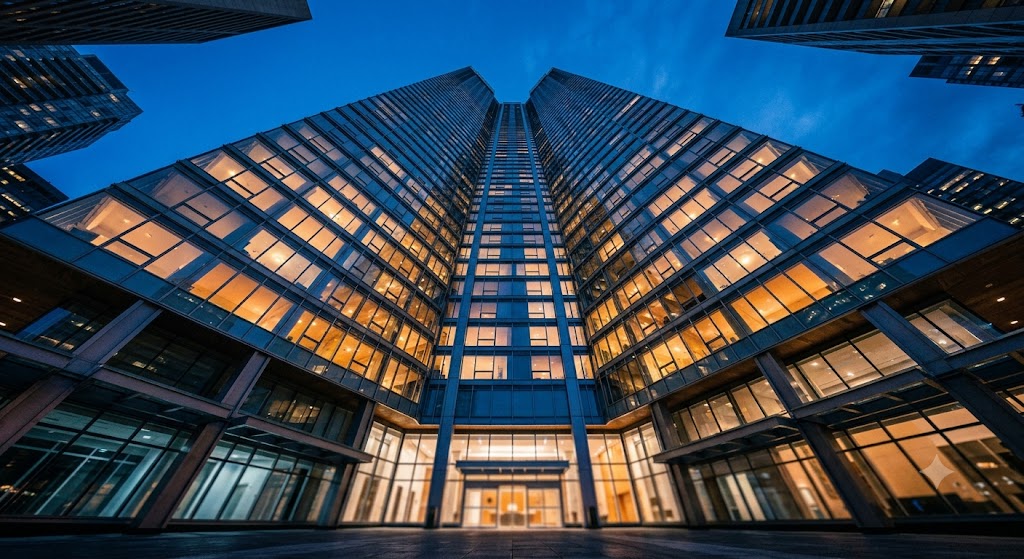
High-rise condominium associations are among the most challenging risks in community insurance. A single tower can carry total insured values exceeding fifty million dollars, with elevators, fire suppression, emergency generators, HVAC systems, and life-safety equipment that standard carriers are not comfortable quoting. Wind exposure at upper floors, percentage-based deductibles that produce six- and seven-figure retention levels, and the cascading nature of water damage through stacked units all drive the complexity.
Kelly Insurance Group places high-rise condo programs through specialty and surplus-lines markets that write tall-building risks. We coordinate the master property with equipment breakdown, ordinance or law, and umbrella and excess layers built for the values involved. For coastal towers, we access wind and named-storm markets that specialize in tall-building coastal exposure.
DRAG TO EXPLORE RISK BY BUILDING ZONE.
Move the slider from ground level to the top of the tower. Different floors carry different exposures. A general illustration — not a quote tool.
THE MECHANICAL SYSTEMS THAT MAKE A HIGH-RISE FUNCTION.
Elevators, fire suppression systems, emergency generators, pressurized stairwells, and HVAC are not optional equipment in a high-rise — they are building-code mandated life-safety systems. When any of them fails, the building can be evacuated or condemned until repairs are complete. Equipment breakdown coverage addresses sudden mechanical and electrical failures of these systems, covering repair or replacement costs and, in some forms, the business interruption impact of a shutdown.
Standard property policies often sublimit or exclude mechanical breakdown. For a high-rise, where a single elevator replacement can cost hundreds of thousands of dollars and a fire pump failure triggers a building-wide shutdown, standalone equipment breakdown coverage is essential.
MORE CONDO ASSOCIATION COVERAGE
HIGH-RISE CONDO COVERAGE — ANSWERED.
WHY IS HIGH-RISE CONDO ASSOCIATION INSURANCE MORE EXPENSIVE?
High-rises concentrate large insured values in a single structure with complex mechanical systems, elevators, life-safety equipment, and wind exposure. Replacement cost per square foot is typically higher than low-rise construction, and total insured values drive the premium.
WHAT ADDITIONAL COVERAGES DOES A HIGH-RISE NEED?
Equipment breakdown for elevators, HVAC, fire suppression, and generators. Ordinance or law coverage for code-upgrade costs after a partial loss. Careful review of water damage and mold sublimits due to cascading pipe failures across stacked units.
HOW DOES WIND EXPOSURE AFFECT HIGH-RISE INSURANCE?
Upper floors face exponentially higher wind loads. Coastal and tall-building wind deductibles can be percentage-based, meaning a two percent deductible on a high-value building can reach the millions. Separate wind policies or excess wind markets are often required.
WHAT IS THE ASSOCIATION'S EXPOSURE FOR ELEVATOR INJURIES?
Elevator injuries create GL claims against the association. The elevator contractor's insurance may also be involved. The association should carry GL limits that account for elevator exposure and require contractors to carry appropriate limits with the association as additional insured.
HOW DO HIGH-RISE DEDUCTIBLES WORK FOR WATER DAMAGE?
Water damage deductibles can be large. A pipe failure on an upper floor cascades through many units below — one occurrence, one deductible, damage on every floor. The association pays from reserves and may assess owners for their share.
DOES A HIGH-RISE NEED ORDINANCE OR LAW COVERAGE?
Critical. After a loss, current codes may require upgrades to fire suppression, elevators, electrical, and structural elements grandfathered under the original code. Without ordinance or law coverage, the association absorbs the full cost difference.
GET YOUR HIGH-RISE COVERED AT THE RIGHT LEVEL.
Kelly Insurance Group places high-rise condo programs through specialty markets built for tall-building risks. Since 1881.
The availability of coverage and eligibility for coverage can depend on numerous factors. We cannot guarantee that all customers, individuals, and businesses looking for coverage will be successful in these efforts when contacting our team. All policy coverages and terms need to be fully reviewed by the respective consumer to ensure the coverage asked for is what is specifically being quoted or provided by any insurance policy. Insurance Policies, Coverage Changes, and their terms and conditions are not bound or altered until written confirmation is provided by one of our licensed team members or underwriters. This page does not offer legal advice, legal opinions, or policy interpretations. Rather, this page is meant as a resource to help provide customers and insurance consumers with additional considerations that may help in their insurance buying or pursuit of insurance information. Kelly Insurance Group does not employ or direct attorneys.
RELATED INSURANCE PROGRAMS
Other Kelly Insurance Group coverages matched to this page