Wildlife Sanctuary & Animal Rescue Facility Insurance
Coverage review for wildlife sanctuaries, animal rescue facilities, rehabilitation centers, exotic animal rescues, and public-access animal care operations.
Wildlife sanctuaries and animal rescue facilities are not simple nonprofit property accounts. They can combine animal intake, quarantine, rehabilitation, animal custody, transport, volunteers, foster networks, public tours, donation events, dangerous animal exposure, staff injury risk, enclosures, habitats, veterinary relationships, educational programs, property values, equipment, vehicles, and hard-to-place underwriting concerns. Kelly Insurance Group helps organize the sanctuary insurance submission so carriers can understand the real animal-care operation instead of treating it like a generic public attraction.
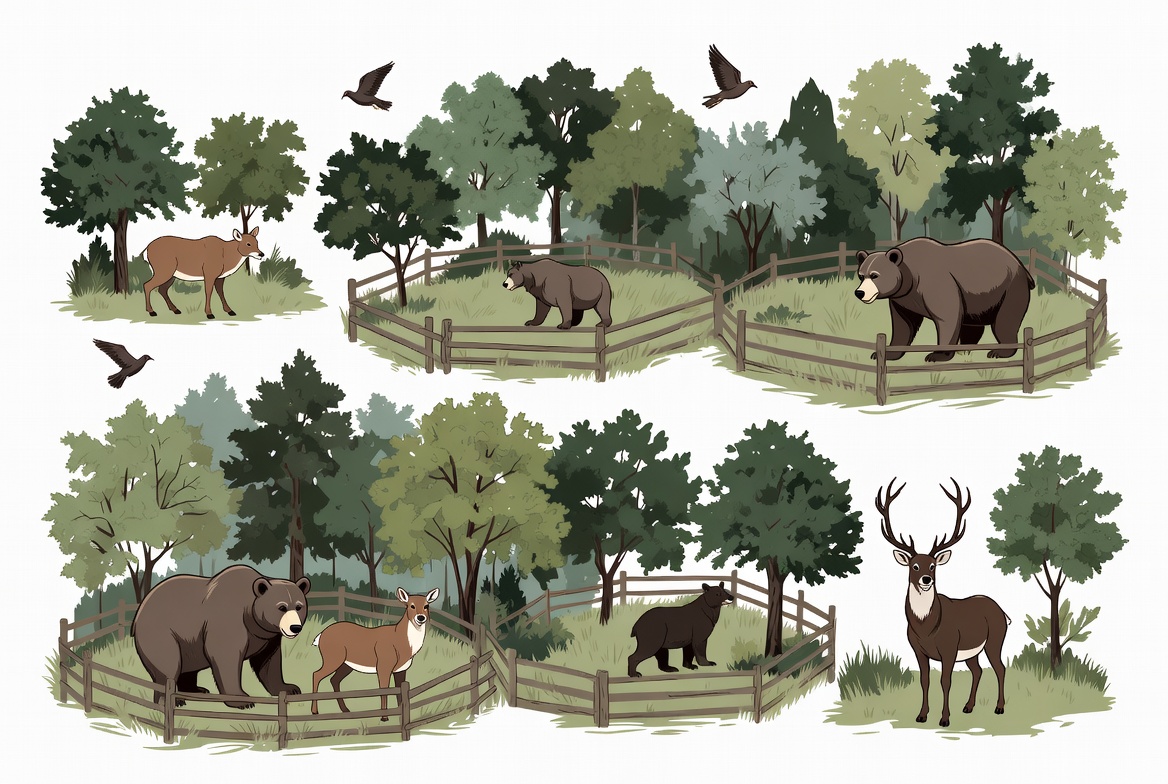
A sanctuary account is animal care, public access, property, transportation, and volunteer risk combined
A wildlife sanctuary or rescue facility may accept animals with unknown health, unknown behavior, trauma histories, incomplete records, special housing needs, quarantine requirements, transport needs, and long-term care obligations. That is a different underwriting story than a zoo, petting zoo, kennel, or ordinary nonprofit facility.
The insurance review should separate general liability, animal bailee or animal care coverage, dangerous animal liability, property, workers’ compensation, volunteer exposure, commercial auto, hired and non-owned auto, directors and officers, employment practices liability, cyber, abuse/molestation safeguards where applicable, and umbrella or excess liability.
Sanctuary and rescue details to identify early
- Animal species, animal count, dangerous species, permanent residents, and animals available for transfer or adoption
- Animal intake, surrender, rescue, quarantine, rehabilitation, treatment, isolation, and release procedures
- Enclosures, habitats, fencing, gates, locks, barriers, drainage, feeding areas, and containment controls
- Volunteers, employees, animal handlers, transport drivers, foster homes, educators, and contractors
- Public tours, donor visits, school groups, events, educational programs, and fundraising activities
- Animal transport, rescue vehicles, trailers, staff vehicles, hired vehicles, and off-site care
- Veterinary relationships, medication handling, medical records, animal custody, and incident documentation
- Prior bites, escapes, injuries, animal deaths, volunteer injuries, property losses, or carrier restrictions
Choose the sanctuary exposure. See what the submission needs to explain.
Wildlife sanctuary underwriting often turns on custody, containment, public access, transport, volunteers, and animal history. Click a pressure point below.
Rescue intake procedures should describe where animals come from, how condition is documented, who accepts custody, how temperament is assessed, how medical needs are recorded, how quarantine decisions are made, and how staff or volunteers are protected during intake.
Coverage categories that should be reviewed for wildlife sanctuaries and rescue facilities
Sanctuary and rescue insurance should be structured around the actual animal care model. A small rescue, public sanctuary, exotic animal facility, wildlife rehabilitation operation, foster-based rescue, and hard-to-place animal care account can all create different coverage questions.
General Liability
Reviews visitor injury, volunteer injury allegations outside workers’ compensation, vendor access, public tours, donor visits, parking areas, events, and non-animal premises liability concerns.
General liability informationAnimal Bailee / Animal Care
Reviews animals in the sanctuary’s care, custody, or control, including rescue, intake, quarantine, transport, transfer, rehabilitation, permanent housing, and animal custody disputes.
Animal bailee pageDangerous Animal Liability
Should be reviewed when species, containment, staff handling, public access, escape potential, bite potential, or guest proximity creates heightened animal liability concerns.
Dangerous animal liability pageProperty & Equipment
Reviews enclosures, habitats, fencing, gates, shelters, barns, quarantine areas, feeding areas, treatment rooms, vehicles, equipment, supplies, and business personal property.
Wildlife park property pageWorkers’ Compensation & Volunteer Exposure
Staff and volunteers may face bites, scratches, lifting injuries, cleaning exposure, transport injuries, animal handling injuries, equipment injuries, and facility maintenance risk.
Review staff and volunteer exposureD&O, EPLI, Cyber & Umbrella
Rescue organizations and sanctuaries may need management liability, employment practices, donor database protection, payment system review, volunteer-related controls, and higher liability limits.
D&O insurance informationAnimal rescue and sanctuary accounts where details matter
Information to prepare before a wildlife sanctuary insurance review
- Entity name, nonprofit or business structure, location count, acreage, buildings, and public-access model
- Species list, animal count, dangerous animals, permanent residents, intake volume, and transfer or adoption process
- Animal intake, surrender, rescue, quarantine, rehabilitation, isolation, treatment, and animal release procedures
- Enclosures, fencing, gates, shelters, habitats, feeding areas, quarantine areas, treatment rooms, and property values
- Employees, volunteers, foster homes, animal handlers, transport drivers, educators, contractors, and board members
- Public tours, donor events, school programs, private events, fundraising activities, camps, and visitor rules
- Vehicles, trailers, transport procedures, off-site care, veterinary relationships, and emergency response plans
- Loss runs, prior bites, escapes, animal deaths, volunteer injuries, visitor injuries, property losses, or restrictions
A sanctuary account needs an animal-care story, not just a nonprofit application
A basic nonprofit application can miss the animal operation completely. Wildlife sanctuary insurance needs to explain how animals arrive, how custody is accepted, how quarantine works, how enclosures are maintained, how volunteers are supervised, how visitors are controlled, and how emergency situations are handled.
Kelly Insurance Group helps separate the account into coverage lanes: general liability, animal care, dangerous animal liability, property, workers’ compensation, volunteer exposure, vehicles, D&O, cyber, event liability, and umbrella. That structure matters when a sanctuary has unusual species, public access, prior claims, or carrier restrictions.
How to make a wildlife sanctuary account easier to understand
Explain rescue sources, surrender procedures, quarantine, medical status, animal records, and custody acceptance.
Document species, dangerous animals, enclosures, habitats, fencing, gates, shelters, and separation procedures.
Separate staff, volunteers, visitors, donors, school groups, foster homes, contractors, and board responsibilities.
Provide loss runs, animal incidents, corrective action, emergency plans, current controls, and restricted terms.
Use the right page for the actual wildlife attraction exposure
Wildlife sanctuary insurance sits inside the broader zoo, safari park, aquarium, and wildlife attraction cluster. Use the related pages below when the account includes dangerous animals, safari routes, animal encounters, property systems, or hard-to-place concerns.
Wildlife Sanctuary & Animal Rescue Facility Insurance Questions
What insurance should a wildlife sanctuary or animal rescue facility review?
A wildlife sanctuary or animal rescue facility may need general liability, animal bailee or animal care coverage, dangerous animal liability, commercial property, workers’ compensation, commercial auto, hired and non-owned auto, directors and officers liability, employment practices liability, cyber liability, event liability, and umbrella or excess liability depending on the operation.
Why is animal intake important for sanctuary insurance?
Animal intake can create custody, quarantine, behavior, medical, transport, and employee safety concerns. The submission should explain where animals come from, how condition is documented, how animals are separated, and who controls the intake process.
Do volunteers change the insurance review?
Yes. Volunteers can create supervision, injury, training, waiver, abuse/molestation safeguard, auto, event, and public interaction questions. Volunteer duties should be separated from employee duties and public visitor exposure.
What information helps quote wildlife sanctuary insurance?
Helpful information includes species list, animal count, animal intake procedures, public access details, volunteer duties, property values, enclosures, transport procedures, staff roles, veterinary relationships, loss runs, and prior incidents.
Can Kelly Insurance Group help with a declined wildlife sanctuary account?
Yes. Declined or restricted sanctuary accounts should be organized with the reason for declination, current policies, loss runs, species details, animal intake controls, enclosure details, volunteer procedures, corrective action, and current risk controls.
Send the animal intake, enclosure, volunteer, and public-access details before the account is treated like a generic nonprofit.
Tell us what animals are involved, how animals enter the facility, how they are housed, who handles them, whether the public visits the facility, how volunteers are used, what vehicles are involved, and whether there are prior claims, restrictions, or declinations.