Veterinary Clinic General Liability & Property Insurance
Veterinary clinics and animal hospitals are not ordinary office risks. A clinic may have clients in the lobby, animals moving through exam rooms, technicians restraining pets, vendors making deliveries, controlled-access treatment areas, diagnostic equipment, medications, refrigeration, computers, records systems, and business personal property that keeps the practice running. Kelly Insurance Group helps veterinary clinics review general liability and property coverage around the actual clinic layout, workflow, animal handling, equipment, and business interruption exposure.
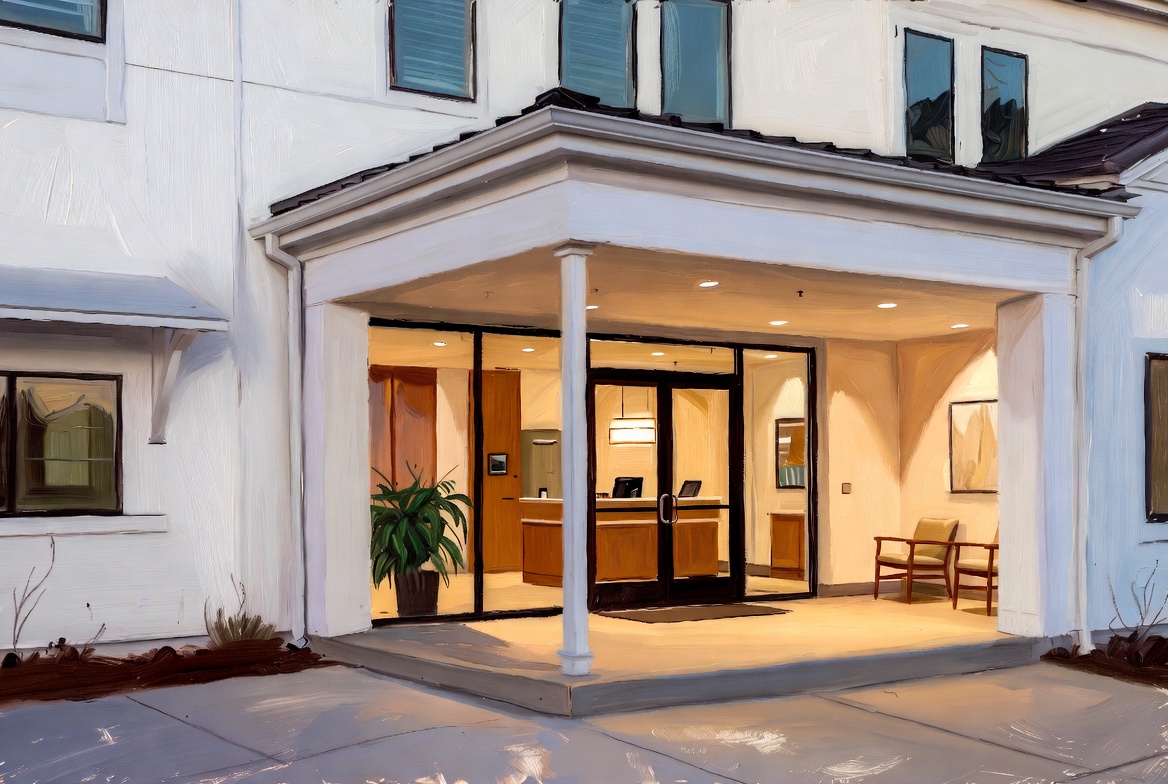
General liability and property coverage need to follow the clinic’s actual operation
A veterinary clinic has two major non-professional coverage conversations that are easy to understate. The first is general liability: client injuries, visitor injuries, property damage allegations, parking lot incidents, lobby incidents, vendor claims, and premises-related exposures that are not based on professional veterinary treatment.
The second is property: the building if owned, tenant improvements if leased, exam room contents, surgical or treatment equipment, diagnostic tools, computers, phones, practice management systems, medications, refrigeration, kennel areas, inventory, and business income after a covered property loss. These are practical operating concerns, not filler coverage lines on a proposal.
Clinic details that should be reviewed
- Owned building, leased space, tenant improvements, and signage
- Lobby flow, exam rooms, treatment areas, kennels, and animal holding areas
- Client, visitor, vendor, and delivery driver access
- Diagnostic, treatment, surgical, computer, and office equipment
- Medication inventory, refrigeration, supplies, and specialized contents
- Business income and extra expense if a covered loss shuts down the clinic
- Animal movement, bite potential, escape points, and handling procedures
- Prior slip, trip, animal injury, premises, fire, water, theft, or equipment losses
Choose the clinic exposure. See where the insurance review goes.
Veterinary clinic general liability and property insurance is not one flat conversation. Click a clinic exposure below to see the coverage area that usually needs attention.
Waiting rooms, check-in areas, hallways, parking lots, exam room entry points, and client-facing areas can create bodily injury or property damage allegations that are separate from veterinary professional services. The review should identify visitor flow, animal handling rules, flooring, lighting, parking, and prior incidents.
The clinic package should be built around what can actually shut the practice down
General liability and property coverage sit beside veterinary professional liability and animal bailee coverage. They do not replace those policies. They address different parts of the practice: the premises, property, contents, equipment, business interruption, and certain third-party liability exposures not based on professional veterinary services.
Commercial General Liability
Reviews certain bodily injury and property damage allegations involving client areas, vendors, delivery drivers, visitors, parking lots, non-professional incidents, and clinic premises exposure.
General liability informationCommercial Property
Addresses building coverage when owned, business personal property, tenant improvements, office contents, exam room contents, treatment equipment, supplies, and other covered property.
Review clinic propertyBusiness Income & Extra Expense
Helps review income interruption and extra expense concerns after a covered property loss impacts the clinic’s ability to operate, treat animals, maintain records, or reopen quickly.
Discuss business incomeEquipment Breakdown
Veterinary clinics may depend on refrigeration, diagnostic tools, oxygen-related systems, computers, sterilization equipment, and other equipment that can create operational disruption.
Review equipment exposureVeterinary Professional Liability
General liability is not a substitute for veterinary malpractice or professional liability. Treatment decisions, diagnosis, surgery, anesthesia, and medical judgment need their own review.
Professional liability pageAnimal Bailee Coverage
Care, custody, and control coverage should be reviewed when animals are hospitalized, boarded, held for treatment, recovering, transported, or otherwise in the clinic’s possession.
Animal bailee pageVeterinary practices where premises and property details matter
Information to prepare for a clinic property and liability review
- Clinic address, ownership structure, and whether the building is owned or leased
- Building value, tenant improvements, business personal property, and equipment values
- Square footage, construction type, occupancy, protection, and clinic layout details
- Lobby, exam room, treatment room, kennel, medication, and storage areas
- Diagnostic, treatment, surgical, refrigeration, computer, and office equipment
- Animal handling procedures, leash/carrier rules, and client movement controls
- Business income needs, backup plans, and reopening concerns after covered losses
- Prior liability, property, water, theft, fire, equipment, bite, or premises claims
Do not let the clinic get priced and classified like a plain office
A veterinary clinic may look like a small professional office from the street, but the insurance details are different. Animals are moving through the space. Clients may be emotional or distracted. Employees are handling animals. Equipment may be specialized. Medication inventory may require refrigeration or secure storage. A covered property loss can stop appointments, treatment, surgeries, records access, and revenue.
Kelly Insurance Group helps present those details clearly so the account is not reduced to a generic clinic description. The goal is to separate premises liability, property, professional liability, animal custody, employee injury, and business interruption concerns before the policy is placed.
When a clinic incident happens, the first question is what kind of problem it is
Premises and general liability questions may apply when the allegation is not based on veterinary treatment.
Animal bailee and care, custody, and control coverage should be reviewed when the animal is in the clinic’s possession.
Veterinary professional liability may apply when the allegation involves diagnosis, treatment, medication, surgery, or medical judgment.
Property, equipment breakdown, business income, and extra expense coverage should be reviewed when operations are interrupted.
Keep the veterinary coverage path clean
This page focuses on general liability and property. Use the related pages below when the issue is malpractice, animal bailee, emergency care, surgical care, mobile veterinary work, or hard-to-place coverage.
Veterinary Clinic General Liability & Property Insurance Questions
Is general liability the same as veterinary professional liability?
No. General liability is commonly reviewed for certain premises-related bodily injury or property damage allegations that are not based on professional veterinary services. Veterinary professional liability is focused on allegations involving diagnosis, treatment, surgery, anesthesia, medication, medical judgment, and professional veterinary services.
What property should a veterinary clinic review?
A veterinary clinic should review the building if owned, tenant improvements if leased, business personal property, exam room contents, treatment equipment, diagnostic equipment, computers, office contents, medication inventory, refrigeration, supplies, signage, and other property used to operate the clinic.
Why does business income matter for a veterinary clinic?
A covered property loss can interrupt appointments, procedures, treatment, records access, medication storage, equipment access, and revenue. Business income and extra expense coverage should be reviewed based on how the clinic would keep operating or reopen after a covered loss.
Does property insurance cover animal injury claims?
Animal injury allegations usually require a separate coverage review. Depending on the facts, the issue may involve animal bailee coverage, professional liability, general liability, or another policy provision. Property insurance is focused on covered property, not every animal-related allegation.
Can Kelly Insurance Group help with a veterinary clinic that has prior property or liability claims?
Yes. Prior claims should be explained clearly with loss runs, current status, what happened, and what changed afterward. A clean explanation can help carriers understand the current clinic operation instead of guessing from limited loss data.
Send the clinic details before the property and liability issues get blended together.
Tell us whether the clinic owns or leases the space, what equipment and property values need review, whether animals are boarded or held overnight, what prior claims exist, and whether the current policy has exclusions or restrictions that need attention.