Mobile & House-Call Veterinarian Insurance
Mobile veterinarians and house-call veterinary practices do not fit neatly inside a standard clinic insurance review. The work moves from homes to farms, barns, boarding facilities, shelters, events, rescue locations, and client property. That means the insurance conversation has to address professional liability, animal bailee, general liability, off-site treatment, vehicle use, mobile equipment, medication transport, employee driving, records, scheduling, and hard-to-place account concerns.
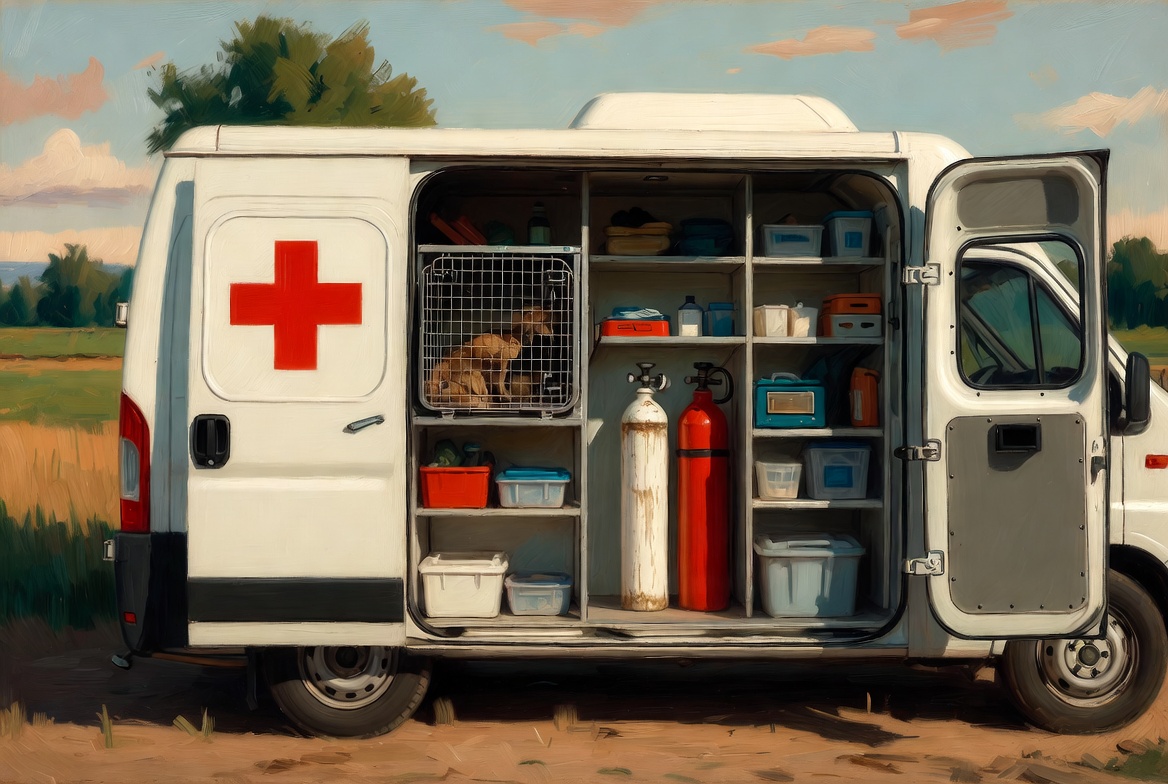
Mobile veterinary work changes where the claim can happen
A fixed veterinary clinic controls its building, treatment space, equipment storage, client flow, animal handling areas, and employee movement. A mobile veterinarian often works inside someone else’s property, around unfamiliar animals, in private homes, barns, farms, shelters, rescue settings, or temporary treatment locations. The practice may carry medication, supplies, records, diagnostic tools, laptops, payment devices, and veterinary equipment from stop to stop.
That creates a different coverage map. A mobile veterinarian may need veterinary professional liability, animal bailee, general liability, hired and non-owned auto, commercial auto, inland marine or equipment coverage, cyber liability, workers’ compensation, business property, and umbrella or excess liability reviewed together.
Mobile veterinarian exposures to identify early
- House calls, farm calls, shelter visits, rescue work, and client-location services
- Whether the veterinarian operates from a vehicle, home office, leased space, or shared clinic
- Use of personally owned vehicles, business vehicles, or employee vehicles
- Mobile equipment, medication inventory, refrigeration needs, and diagnostic tools
- Animal transport, animal holding, sedation, euthanasia, and after-care procedures
- Client property access, premises damage, bite potential, and animal handling procedures
- Records, scheduling, payment systems, laptops, tablets, and phone-based business operations
- Prior professional liability, auto, bite, premises, equipment, theft, or animal custody claims
Pick the visit type. See what coverage questions follow the veterinarian.
Mobile veterinary claims are often shaped by location, travel, equipment, animal handling, and who controls the premises. Click a visit type below to see the insurance pressure points that usually need to be addressed.
House calls create off-site professional liability and premises concerns. The review should address services performed, client property access, animal handling, bite exposure, equipment brought into the home, medication handling, records, payment collection, and whether employees or assistants accompany the veterinarian.
The policy review should follow the veterinarian from stop to stop
Mobile veterinarian insurance is not just a professional liability policy with a different address. The account may involve driving, portable equipment, client-location services, medication inventory, records, employee travel, animal handling, and care performed outside the practice’s own premises.
Veterinary Professional Liability
Reviews allegations involving diagnosis, treatment, medication, advice, euthanasia, sedation, animal health decisions, discharge instructions, and professional services performed away from a clinic.
Professional liability pageGeneral Liability
Addresses certain non-professional bodily injury or property damage allegations involving client locations, mobile visits, vendor situations, and premises-type claims separate from veterinary medical judgment.
GL & property pageCommercial Auto / Hired & Non-Owned Auto
Vehicle use matters when the veterinarian, staff, or employees drive to appointments, transport supplies, use personal vehicles for business, or operate a dedicated mobile veterinary vehicle.
Commercial auto informationMobile Equipment & Inland Marine
Portable diagnostic tools, laptops, tablets, exam equipment, medication inventory, refrigeration units, and supplies may need to be reviewed differently than property kept at a fixed office.
Review mobile equipmentAnimal Bailee / Care, Custody & Control
Animal bailee should be reviewed when the mobile veterinarian transports, temporarily holds, boards, transfers, or otherwise has animals in the practice’s care, custody, or control.
Animal bailee pageCyber, Records & Payment Systems
Mobile practices may rely heavily on phones, scheduling apps, cloud records, email, mobile payments, tablets, laptops, and portable digital systems that need a cyber and business-continuity review.
Cyber liability informationVeterinary practices where the location keeps changing
Information to prepare before a mobile veterinarian insurance review
- Services performed away from a fixed veterinary clinic
- Species treated, visit types, and service radius
- Whether services are performed in homes, farms, barns, shelters, rescues, or events
- Vehicle ownership, employee driving, personal vehicle use, and mobile unit details
- Portable equipment, medication inventory, refrigeration needs, and property values
- Animal handling, restraint, transport, temporary holding, and custody procedures
- Use of assistants, technicians, employees, contractors, or relief veterinarians
- Current policies, prior claims, non-renewals, declinations, or carrier restrictions
A mobile veterinarian should not be underwritten like a clinic that never leaves the building
A house-call veterinarian may be performing professional services in a client’s living room. A farm-call veterinarian may be working around livestock, barns, gates, trailers, unstable footing, and owner-controlled property. A mobile wellness provider may use equipment, supplies, records, and payment systems from a vehicle or temporary setup. These details matter.
Kelly Insurance Group helps organize the account so the carrier can understand where the veterinarian works, how animals are handled, how the vehicle is used, what equipment moves with the practice, and which coverage lines need to be reviewed before a claim exposes a gap.
Where the insurance questions appear during a house call
Auto, hired/non-owned auto, employee driving, and mobile equipment questions start before the veterinarian arrives.
Premises access, client-property damage, animal handling, bite exposure, and visitor safety need to be reviewed.
Professional liability can involve treatment, medication, diagnosis, advice, euthanasia, sedation, or discharge instructions.
Digital records, mobile payment systems, scheduling, prescriptions, follow-up instructions, and data security matter.
Keep the veterinary coverage path specific
Mobile veterinarian insurance belongs inside the broader veterinary insurance cluster, but the off-site work, vehicle use, and portable equipment exposure deserve their own coverage conversation.
Mobile & House-Call Veterinarian Insurance Questions
What insurance should a mobile veterinarian review?
A mobile veterinarian should review veterinary professional liability, general liability, commercial auto or hired and non-owned auto, portable equipment coverage, animal bailee, cyber liability, workers’ compensation, and umbrella or excess liability depending on the actual operation.
Is house-call veterinarian insurance different from clinic insurance?
Yes. House-call veterinarians perform services away from a fixed clinic, often on client property. That can create different questions involving vehicle use, portable equipment, client-location liability, animal handling, records, medication transport, and professional services performed outside a controlled clinic setting.
Does a personal auto policy cover mobile veterinary work?
Personal auto policies may not be designed for business use. A mobile veterinarian should review business vehicle use, employee driving, hired and non-owned auto, commercial auto, and mobile equipment with an insurance professional before assuming a personal auto policy is sufficient.
Why does portable equipment matter for a mobile veterinarian?
Mobile practices often carry equipment, medication, supplies, laptops, tablets, payment devices, refrigeration units, and diagnostic tools away from a fixed location. Those items may need a different property review than contents that remain inside a clinic.
Can Kelly Insurance Group help with a mobile veterinarian that has prior claims or a non-renewal?
Yes. Prior claims, declinations, non-renewals, and restricted terms should be explained clearly with loss runs, claim status, what happened, and what changed afterward. Mobile veterinary accounts are often easier to review when the service model and risk controls are organized up front.
Send the mobile practice details before the account gets treated like a fixed clinic.
Tell us where you perform services, what species you treat, what vehicles are used, what equipment and medication travel with the practice, whether employees drive, whether animals are transported or held, and whether there are prior claims or current carrier restrictions.