
Builders Risk & Soft Costs Insurance
Project-specific construction insurance review for owners, developers, general contractors, lenders, real estate investors, construction managers, and specialty contractors.
Builders risk insurance protects the construction project while work is underway. Soft costs coverage addresses the indirect expenses that can follow when a covered physical loss delays completion. The right review needs more than a construction value. It needs the project schedule, lender requirements, contract structure, construction type, stored materials, renovation exposure, income expectations, and the handoff from construction coverage to permanent property coverage.
work in place, materials, fixtures, temporary works
interest, taxes, fees, extended expenses, opening delay
long-lead materials, off-site storage, shipping risk
completion, occupancy, permanent property transition
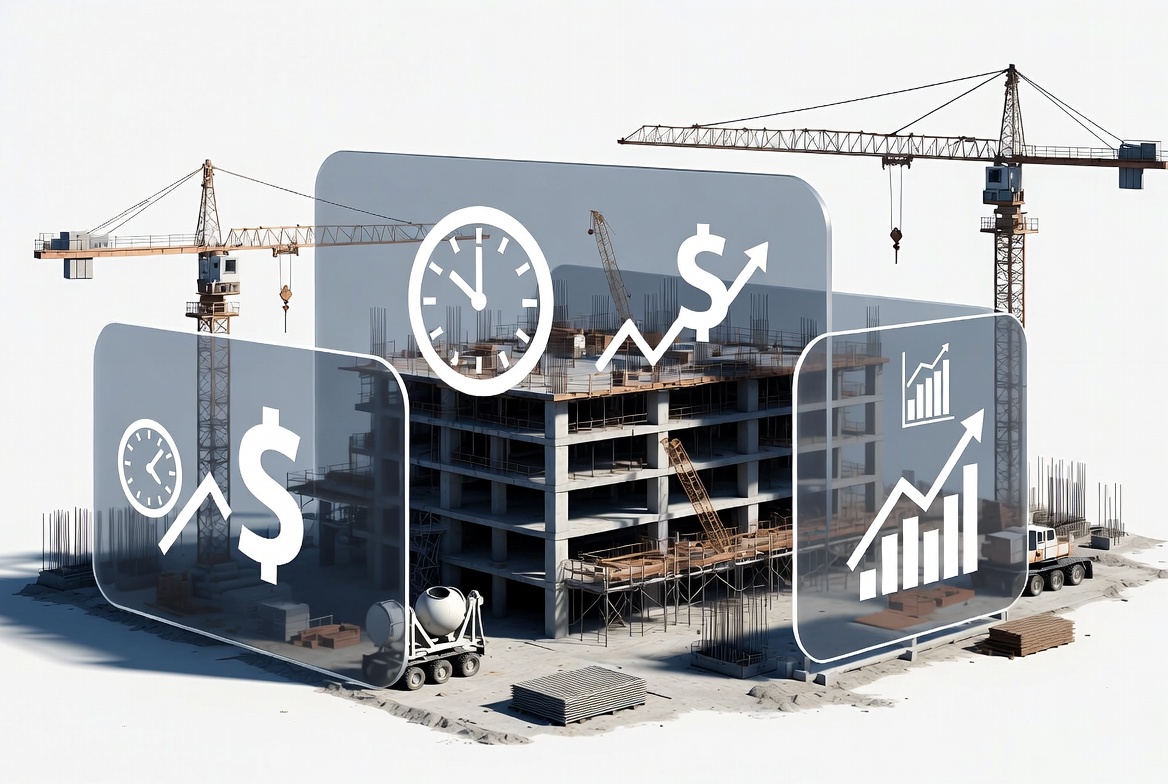
Choose the project event. See which costs need to be discussed before the loss.
A covered physical loss can trigger more than repair work. It can affect financing, professional fees, lease-up, taxes, insurance premiums, opening dates, general conditions, and permanent property timing.
A fire or smoke loss can trigger demolition, cleanup, repair work, professional review, reinspection, schedule recovery, delayed completion, extended general conditions, and extra carrying costs. The soft-cost schedule should be reviewed before the project starts.
Soft costs are not the damaged building. They are the financial drag created by the delay.
A covered builders risk loss may force a project to stay open longer than planned. The building needs repair, but the owner may also face additional loan interest, professional fees, insurance premiums, taxes, marketing expenses, leasing costs, extended general conditions, and income timing problems. Those categories should be identified before the loss, not reconstructed after the project is already behind schedule.
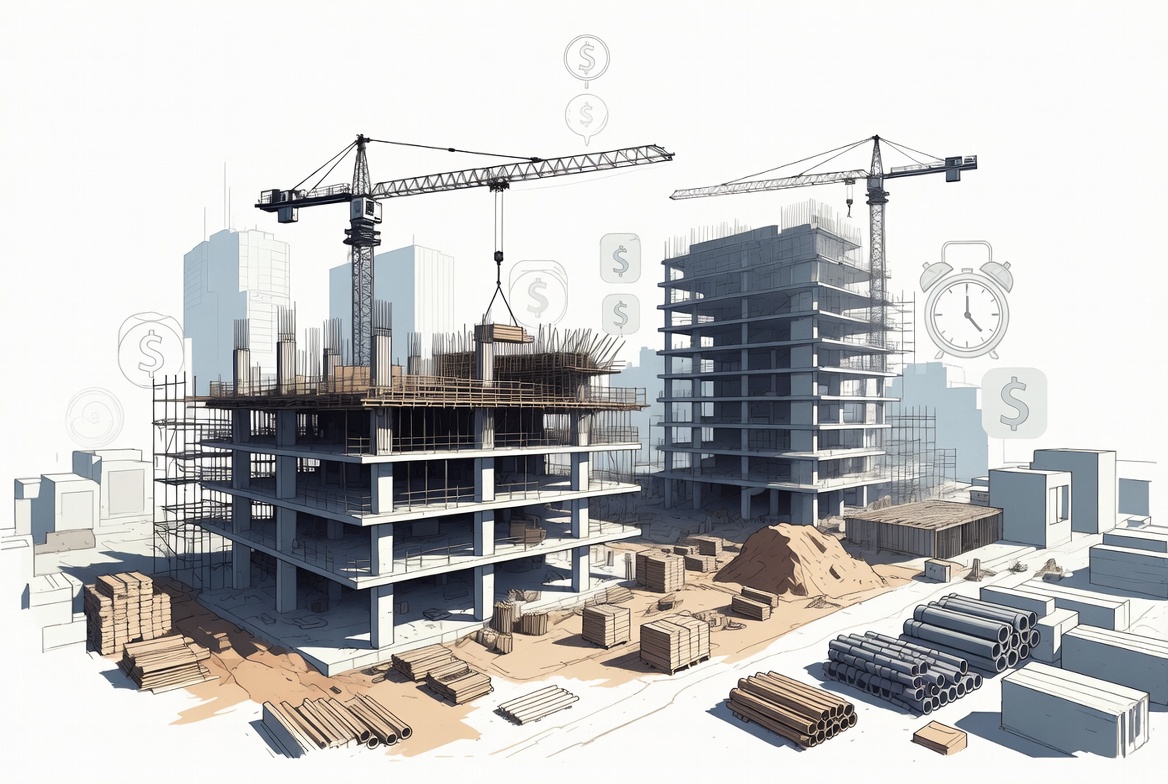
Coverage questions change as the project moves toward completion
Site work may involve lower completed values but still includes lender requirements, site security, stored materials, temporary works, grading, excavation, utilities, and downstream schedule impact.
Builders risk protects the project. Soft costs protect the delay story.
Builders risk is project property coverage for work under construction. It can address damage to the project itself, materials, fixtures, and covered property during the policy term. Soft costs coverage is different. It is designed to address certain indirect expenses that may arise when a covered physical damage loss delays completion.
The problem is that many projects only review the physical construction value. That leaves the owner, developer, lender, or contractor exposed to expenses that may not look like damaged lumber, wiring, pipe, fixtures, windows, steel, or concrete. The better review schedules the expense categories that can matter if the completion date moves.
Project details to identify early
- Project address, project type, construction type, renovation status, occupancy plan, and completed use
- Total hard costs, soft-cost categories, income exposure, tenant improvement values, and existing structure values
- Project schedule, start date, completion date, substantial completion, occupancy, and permanent property handoff
- Owner, developer, general contractor, subcontractors, lender, and other parties with insurable interest
- Materials in transit, off-site storage, long-lead equipment, temporary works, site security, and protection controls
- Contract requirements, lender requirements, certificate wording, waivers, deductibles, and policy term needs
- Flood, wind, water damage, fire protection, hot work, renovation, demolition, and vacant-property concerns
Coverage categories to review for builders risk and soft costs
Builders risk coverage is project-specific. The right structure depends on the project value, construction method, policy term, insured parties, contract requirements, delay exposure, renovation work, storage locations, and income expectations.
Builders Risk / Course of Construction
Reviews project property, work in place, materials, fixtures, temporary works, covered causes of loss, deductibles, policy term, insured interests, and the construction contract.
Builders risk insuranceSoft Costs
Reviews additional interest, professional fees, taxes, insurance premiums, extended general conditions, marketing or leasing costs, and other scheduled delay-related expenses.
Review soft costsRental Income / Business Income Delay
Income-producing projects may need delay in completion, rental income, or business income review when a covered loss can push back occupancy or opening.
Commercial property insuranceExisting Structure / Renovation
Renovation, tenant improvement, additions, adaptive reuse, and work inside existing buildings need careful review of existing structure, ordinance or law, water damage, and occupancy issues.
Contractor insuranceMaterials in Transit / Off-Site Storage
Long-lead materials, staged equipment, custom fixtures, and property moving to the jobsite may need separate sublimits, locations, and documentation.
Inland marine insuranceOCIP / CCIP / Contract Coordination
Builders risk should be coordinated with general liability, OCIP/CCIP, pollution, professional liability, umbrella, workers’ compensation, and certificate requirements.
OCIP & OCP insuranceWhere builders risk and soft costs usually get stuck
Hard costs, soft costs, income exposure, existing structure, and materials.
Owner, developer, lender, GC, subcontractors, and insured interests.
Transit, off-site storage, staging, long-lead equipment, and site delivery.
Waiting periods, sublimits, scheduled expenses, and delay measurement.
Substantial completion, occupancy, closeout, and permanent property transition.
Construction projects where builders risk and soft costs need detail
Information to prepare before a builders risk review
- Project name, address, owner, developer, lender, general contractor, and construction manager
- Project type, construction type, completed use, renovation work, existing structure exposure, and occupancy plans
- Hard costs, soft-cost categories, income exposure, existing structure value, and materials or equipment values
- Estimated start date, completion date, substantial completion, certificate requirements, and permanent property handoff
- Construction contract, lender requirements, insured interests, waiver language, deductibles, and certificate wording
- Site security, fire protection, hot work controls, water controls, flood/wind exposure, and vacant-property concerns
- Transit, off-site storage, staging areas, long-lead equipment, custom materials, and supplier custody details
- Current policies, loss history, project delays, prior property claims, non-renewals, or carrier restrictions
The project file should connect construction value, schedule, delay exposure, and handoff timing.
A weak builders risk submission gives a project value and a start date. A stronger submission explains the project itself: what is being built, who owns it, who is performing the work, what the lender requires, where materials move, what delay costs matter, whether an existing structure is involved, and when permanent property coverage needs to begin.
Kelly Insurance Group helps organize the construction insurance file so the carrier understands the full project path. That matters for builders risk, soft costs, rental income delay, business income delay, materials in transit, off-site storage, renovation work, existing structures, OCIP/CCIP coordination, pollution, professional liability, and certificates.
Use the right page for the actual project risk
Builders risk and soft costs often connect to OCIP, railroad protective liability, pollution, professional liability, construction safety, materials in transit, umbrella, and certificates.
Find related project, construction, contractor, certificate, and umbrella pages
Builders Risk & Soft Costs Insurance Questions
What is builders risk insurance?
Builders risk insurance is project-specific property coverage for a building or structure while it is under construction. It is generally reviewed around the work in place, materials, fixtures, covered property, policy term, project location, insured parties, and contract requirements.
What are soft costs in builders risk insurance?
Soft costs are indirect expenses that may arise when a covered physical loss delays completion. They can include categories such as additional interest, professional fees, taxes, insurance premiums, leasing or marketing costs, and extended general conditions, depending on the policy wording.
Are soft costs automatically included?
Not always. Soft costs may need to be scheduled, endorsed, sublimited, or separately described. Waiting periods, definitions, documentation requirements, and covered expense categories can vary by carrier and policy form.
How is builders risk different from general liability?
Builders risk is first-party property coverage for damage to the project itself. General liability addresses third-party bodily injury or property damage claims. A meaningful construction project usually needs both reviewed, along with other project-specific coverage.
What information helps quote builders risk and soft costs insurance?
Helpful information includes project address, project description, hard costs, soft costs, schedule, construction type, contracts, lender requirements, insured parties, renovation details, existing structure value, off-site storage, transit, site protection, and prior loss history.
Send the project file before the delay expense becomes the surprise.
Tell us what is being built, where it is located, who owns it, who is building it, what the lender requires, what the schedule looks like, whether soft costs or income delay should be reviewed, and how permanent property coverage will take over.