CONDO CONVERSION
ASSOCIATION INSURANCE
AN OLD BUILDING WITH NEW OWNERSHIP AND INHERITED PROBLEMS.
Plumbing, electrical, HVAC, and roofing may be decades old and designed for rental use, not long-term owner occupancy.
Issues the landlord deferred for years become the new association's problem the moment ownership transfers.
Older buildings may be grandfathered under outdated codes. After a loss, current codes apply and the cost difference can be substantial.
Many standard carriers decline conversion risks due to the combination of age, system condition, and claims history. Specialty and E&S markets are often required.
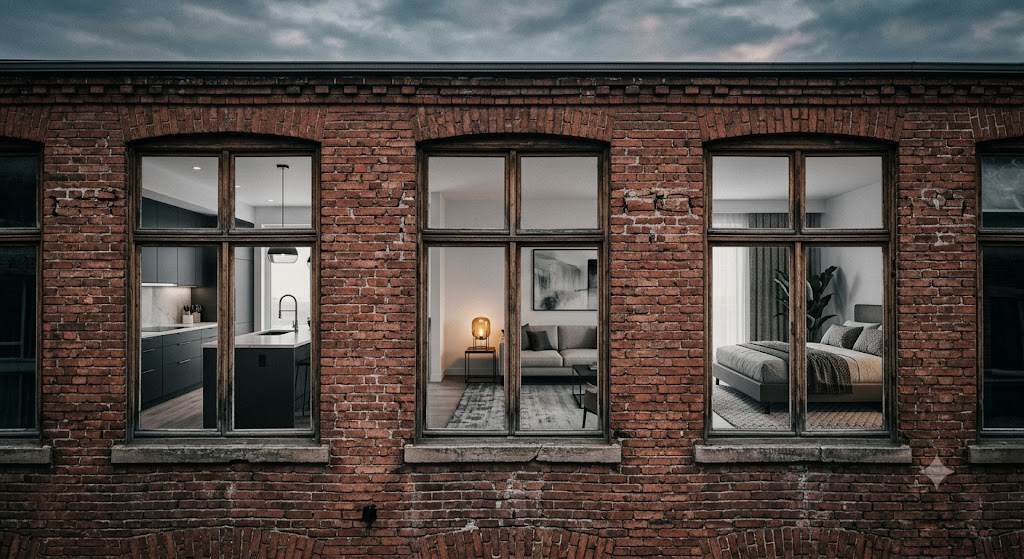
A condo conversion takes a building that was built, maintained, and operated as rental apartments and transforms it into individually owned condominium units governed by an association. The building's age, the condition of its mechanical systems, and the quality of the conversion renovation all affect insurability. Carriers that comfortably write new-construction condos often decline conversions because the underlying structure carries decades of wear that a cosmetic renovation cannot erase.
Kelly Insurance Group places condo conversion programs through specialty and surplus-lines markets that understand older buildings. We structure master property with appropriate equipment breakdown for aging mechanical systems, ordinance or law for code-upgrade costs, and GL limits that account for the premises liability of an older structure.
TAP A CONVERSION STAGE TO SEE THE INSURANCE CHALLENGE.
Each stage of a condo conversion creates different risk. Tap to explore.
WHAT THE RENOVATION DID NOT FIX IS WHAT CREATES THE CLAIMS.
Conversion renovations typically focus on unit interiors — kitchens, bathrooms, flooring, fixtures — because those are what sell units. The building's core systems — main plumbing risers, electrical panels, the roof, elevator equipment, and HVAC — may be left in their original condition if they are still functional. Functional does not mean insurable. A forty-year-old cast-iron waste stack that is still flowing is a ticking claim. An original electrical panel that meets grandfathered code is an ordinance or law liability waiting for a loss to trigger a full upgrade.
Kelly Insurance Group reviews the building's system inventory during the placement process, identifies the high-risk components, and structures the property and equipment breakdown coverage around the actual condition of the building — not the cosmetic finish of the renovation.
MORE ASSOCIATION COVERAGE
CONDO CONVERSION COVERAGE — ANSWERED.
WHY ARE CONVERSIONS HARDER TO INSURE THAN NEW CONSTRUCTION?
Converted buildings carry accumulated wear from rental use. Plumbing, electrical, HVAC, and roofing may be decades old. Deferred maintenance surfaces after conversion. Many carriers view conversions as higher risk because systems are older and the renovation may not have addressed underlying issues.
WHAT BUILDING SYSTEM RISKS ARE UNIQUE TO CONVERSIONS?
Aging plumbing (cast iron, galvanized), outdated electrical panels, original HVAC, and roofs past expected lifespan. These were designed for rental use and may not have been upgraded. Equipment breakdown and ordinance or law coverage become especially important.
HOW DOES DEFERRED MAINTENANCE AFFECT COVERAGE?
Insurance covers sudden and accidental losses, not gradual deterioration. A corroded pipe that finally bursts may be denied as a maintenance issue. The association should document system conditions at conversion and budget for replacement of aging components.
CAN A CONVERSION ACHIEVE WARRANTABLE STATUS?
Yes, but Fannie Mae and Freddie Mac apply additional scrutiny. Requirements include evidence that conversion is complete, systems meet current standards, and insurance meets all minimums. Some lenders impose additional requirements beyond agency guidelines.
WHAT ORDINANCE OR LAW EXPOSURE DOES A CONVERTED BUILDING FACE?
Older buildings may be grandfathered under outdated codes. After a loss, current codes apply — fire suppression, accessibility, electrical, structural upgrades. Ordinance or law coverage pays the cost difference between original standard and current code.
DOES THE CONVERSION DEVELOPER CARRY DIFFERENT INSURANCE?
The conversion developer should carry CGL, completed operations for the renovation, and professional liability. The scope must address both renovation work and pre-existing conditions the renovation was supposed to correct.
COVER YOUR CONVERSION THE RIGHT WAY.
Kelly Insurance Group places condo conversion programs through specialty markets that understand older buildings. Since 1881.
The availability of coverage and eligibility for coverage can depend on numerous factors. We cannot guarantee that all customers, individuals, and businesses looking for coverage will be successful in these efforts when contacting our team. All policy coverages and terms need to be fully reviewed by the respective consumer to ensure the coverage asked for is what is specifically being quoted or provided by any insurance policy. Insurance Policies, Coverage Changes, and their terms and conditions are not bound or altered until written confirmation is provided by one of our licensed team members or underwriters. This page does not offer legal advice, legal opinions, or policy interpretations. Rather, this page is meant as a resource to help provide customers and insurance consumers with additional considerations that may help in their insurance buying or pursuit of insurance information. Kelly Insurance Group does not employ or direct attorneys.
RELATED INSURANCE PROGRAMS
Other Kelly Insurance Group coverages matched to this page