
Industrial Manufacturing Insurance
Industrial manufacturing insurance is built for high-severity production environments where property values, equipment dependency, products liability, pollution exposure, workers compensation, business interruption, contract requirements, and excess liability all matter. Kelly Insurance Group works with complex manufacturers that need more than a generic business policy, including metals operations, CNC machining, chemical and petrochemical facilities, concrete and aggregate operations, heavy fabrication, component manufacturing, and production companies with hard-to-place exposures.
Insurance for Heavy Industrial Manufacturers, Metals Producers, Chemical Facilities, CNC Shops, Concrete Yards, and Complex Production Operations
Industrial manufacturing insurance becomes difficult when the operation involves heat, pressure, chemicals, heavy equipment, forklifts, cranes, machine tools, product components, high-value inventory, environmental exposure, large payroll, contract requirements, or customers that demand high limits and specific endorsements.
A strong manufacturing submission should explain what is made, how it is made, where products go, what equipment is mission-critical, whether products become components in larger systems, what materials are used, what hazards exist, what contracts require, and how the company controls quality, safety, fire, pollution, and business interruption risk.
Kelly Insurance Group focuses on commercial placements where the underwriting story matters. Industrial manufacturers often need coordinated review of property, equipment breakdown, general liability, products liability, product recall, pollution liability, workers compensation, commercial auto, cargo, inland marine, cyber liability, and umbrella or excess liability.
Industrial Manufacturing Insurance Commonly Involves
- Large property values, specialized machinery, stock, raw materials, and finished goods
- Products liability and component failure exposure
- Equipment breakdown, utility interruption, and business income exposure
- Pollution liability for chemicals, fuels, dust, emissions, waste, runoff, and site conditions
- Workers compensation driven by machinery, heat, lifting, cranes, forklifts, and production hazards
- Commercial auto, hired/non-owned auto, fleet, delivery, and cargo exposure
- Customer contract requirements, vendor onboarding, certificates, and additional insured requests
- Umbrella and excess liability for high-severity manufacturing operations
Industrial Manufacturing Risk Environment
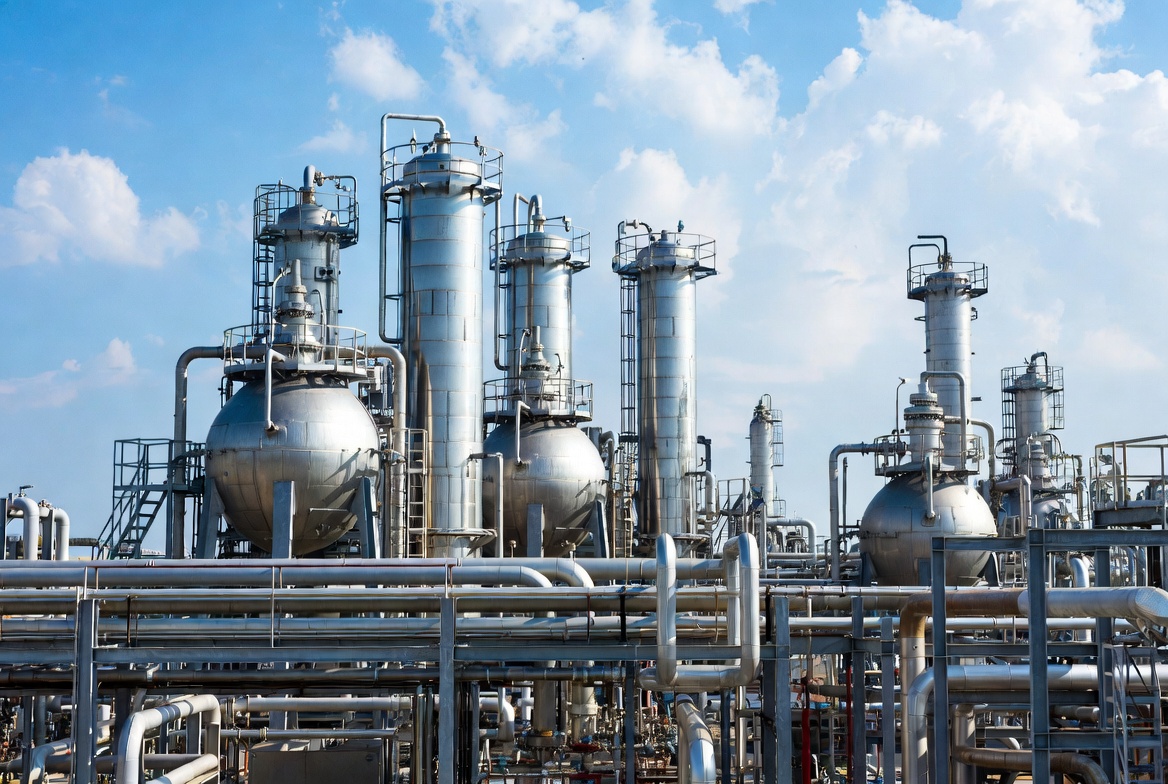
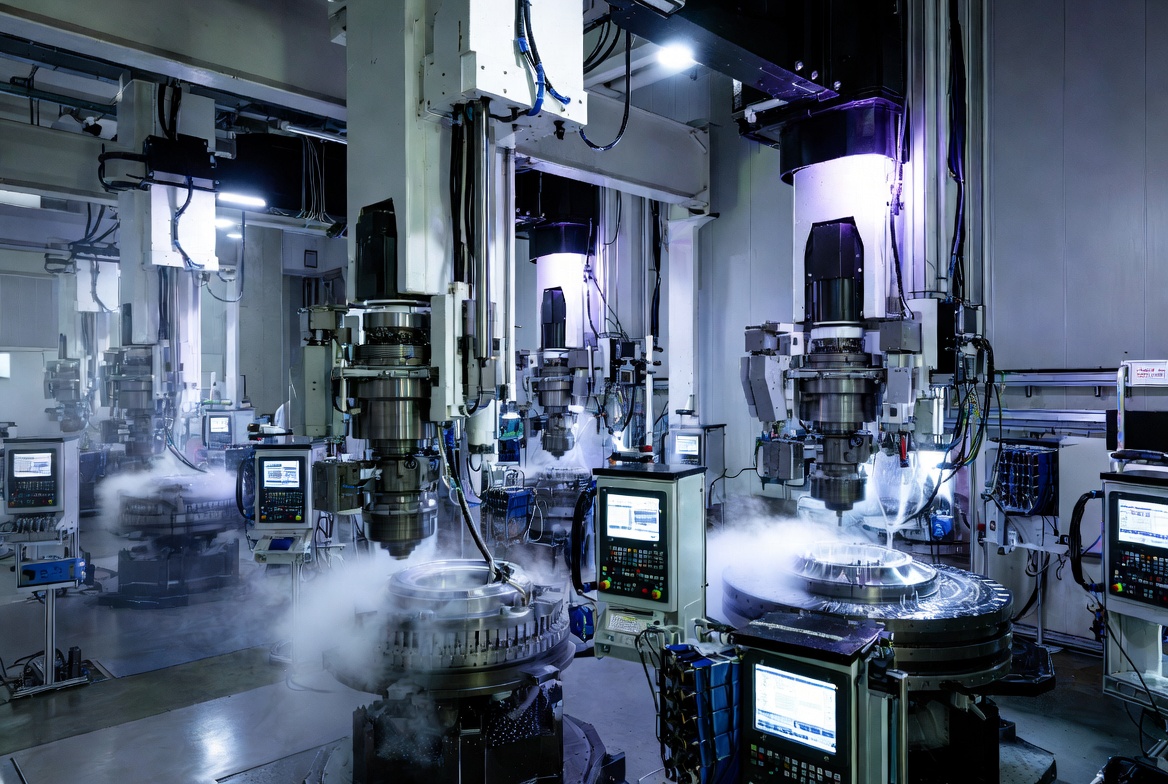
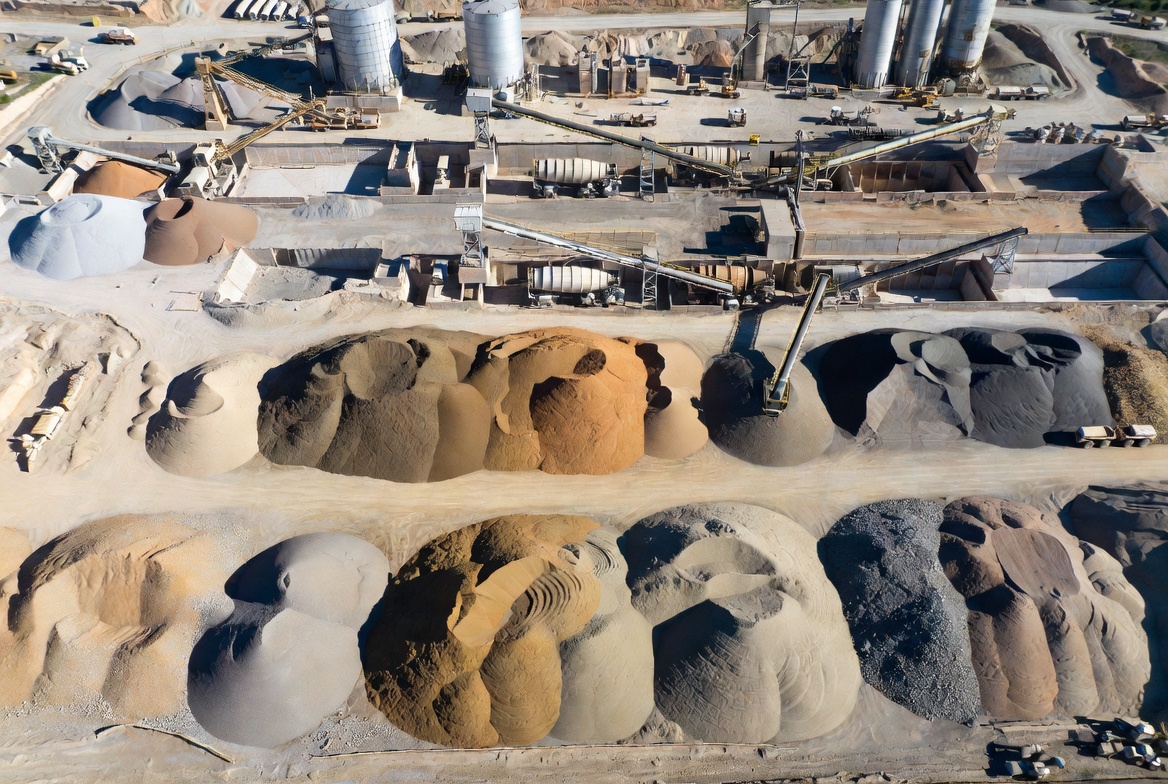
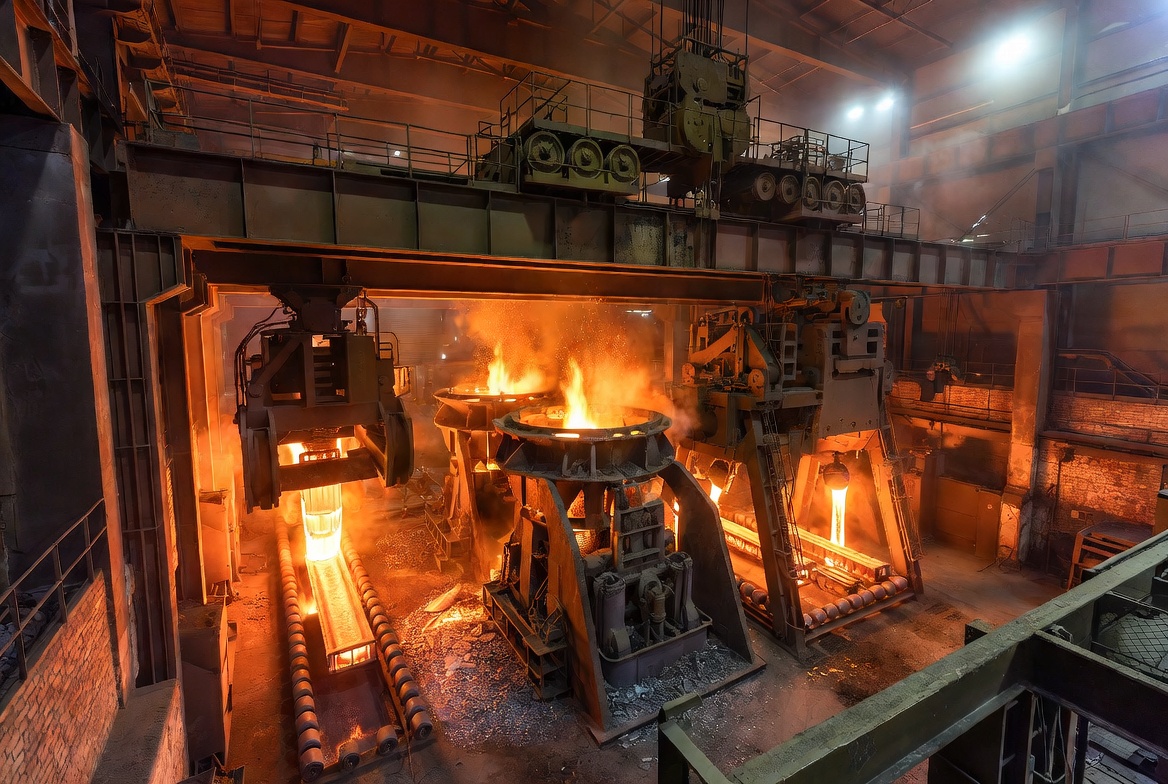
Industrial manufacturers are not all the same risk. A petrochemical facility, CNC machine shop, concrete yard, and steel production operation each requires a different underwriting story. The images below are used once to show the range of heavy industrial operations this hub is built to support.
Who This Insurance Hub Is Built For
This page is designed for industrial manufacturers, heavy production companies, metals facilities, CNC and machining operations, concrete and aggregate businesses, chemical processors, plastics manufacturers, component manufacturers, fabrication shops, and production businesses that have outgrown ordinary commercial insurance.
Interactive Industrial Plant Risk Map
Click a risk point to see how a manufacturing operation can change the insurance structure. Industrial manufacturing accounts are rarely one-policy placements. The real exposure often sits between property, products, equipment, pollution, supply chain, contracts, and high-limit liability.
Property & Business Income
Industrial property insurance should address buildings, machinery, stock, raw materials, finished goods, tooling, electrical systems, fire protection, cranes, forklifts, and the financial impact of downtime after a loss.
- Building and equipment values should be current and detailed.
- Business income and extra expense should reflect real recovery time.
- Fire protection, housekeeping, maintenance, and utility dependency affect underwriting.
- Older buildings, heat processes, dust, chemicals, and storage conditions should be disclosed clearly.
Industrial Manufacturing Insurance Specialization Blocks
These supporting sections are built directly into the hub page so the page is substantial, useful, and customer-facing without creating thin standalone pages prematurely.
Chemical & Petrochemical Manufacturing Insurance
Chemical and petrochemical manufacturing operations may involve flammable materials, pressure vessels, reactors, storage tanks, process controls, pollution exposure, product liability, business interruption, and strict customer or regulatory-adjacent requirements.
A strong submission should explain the chemicals handled, production process, storage conditions, fire protection, spill controls, waste handling, environmental procedures, end-use of products, and whether the facility has prior losses, violations, or cleanup concerns.
Process Risk Needs a Clear Underwriting Story
Chemical operations may require property, general liability, products liability, pollution liability, equipment breakdown, workers compensation, commercial auto, cargo, and umbrella or excess liability review. The exact operation matters because chemical processing can vary dramatically by material, use, storage, and customer base.
Common Review Areas
- Chemicals, materials, and finished products
- Storage tanks, pressure vessels, and process equipment
- Fire protection, housekeeping, and emergency procedures
- Pollution controls, waste handling, and spill response
- Products liability and customer contract requirements
- Business income, equipment breakdown, and utility dependency
CNC Machining & Precision Component Insurance
CNC machining and precision component manufacturers may serve aerospace, defense, medical, energy, robotics, automotive, industrial, or technology customers. The insurance program should reflect what is manufactured, who designs it, customer specifications, tolerances, quality control, end use, and whether components become part of critical systems.
Expensive machinery, customer-owned materials, tooling, equipment breakdown, business income, products liability, contractual requirements, and cyber exposure can all matter for precision manufacturing accounts.
Small Components Can Carry Large Liability
A machined part may look small, but its end use can create serious liability if it becomes part of aircraft, defense systems, medical equipment, industrial machinery, vehicles, or mission-critical equipment.
Important Details
- Products manufactured and end-use industries
- Design responsibility versus manufacturing to specification
- Quality-control, inspection, and traceability procedures
- Machine values, tooling, and customer-owned materials
- Business income exposure from equipment breakdown
- Customer contract insurance requirements
Concrete, Aggregate & Ready-Mix Operation Insurance
Concrete, aggregate, ready-mix, quarry-adjacent, and materials yard operations can involve mobile equipment, heavy trucks, silos, conveyors, loaders, dust, product quality, premises liability, environmental issues, auto liability, equipment breakdown, workers compensation, and contract requirements.
Underwriters need to understand whether the business mines, crushes, sells material, delivers ready-mix, operates batch plants, owns trucks, leases equipment, performs installation, or only supplies materials.
Materials Operations Mix Auto, Equipment, Property, and Product Risk
These accounts often need commercial auto, general liability, property, inland marine, equipment coverage, workers compensation, pollution liability, umbrella liability, and review of contracts for jobsites, contractors, municipalities, or large customers.
Coverage Review Areas
- Ready-mix, aggregate, quarry, batch plant, or yard operations
- Truck fleet, drivers, delivery radius, and auto exposure
- Mobile equipment, loaders, silos, conveyors, and batch equipment
- Dust, runoff, fuel, and environmental concerns
- Product quality and customer contract requirements
- Workers compensation and safety controls
Metals Production & Heavy Fabrication Insurance
Metals production and heavy fabrication operations can involve furnaces, heat, welding, cutting, cranes, hoists, forklifts, ladles, raw materials, finished product inventory, high payroll, property values, products liability, and severe workers compensation exposure.
The insurance program should explain whether the operation mills, melts, forms, fabricates, welds, machines, coats, finishes, stores, distributes, or installs metal products.
Heat, Heavy Equipment, and Products Exposure Drive Underwriting
Metals operations often require careful review of property protection, crane and lifting procedures, hot work controls, fire suppression, employee safety, product end use, and excess liability needs.
Underwriting Focus
- Processes performed and materials handled
- Hot work, furnaces, welding, cutting, or forming operations
- Cranes, forklifts, hoists, and lifting procedures
- Property protection and fire controls
- Product end use and customer industries
- Workers compensation and loss control procedures
Industrial Products Liability Insurance
Industrial products liability applies when manufactured goods, components, materials, assemblies, or equipment can cause bodily injury, property damage, financial loss, or downstream failure after leaving the manufacturer’s control.
Product liability review should address what is made, how it is tested, who uses it, whether the insured designs it, whether it becomes part of another product, and what warranties, contracts, or specifications apply.
End Use Matters More Than Product Name
A manufacturer making parts for critical infrastructure, aerospace, defense, medical, energy, automotive, or industrial systems may need a different insurance approach than a manufacturer selling low-severity products.
Products Review Areas
- Product type and end-use industry
- Design responsibility versus customer specifications
- Testing, quality control, and traceability
- Contractual warranties and indemnity obligations
- Product recall or withdrawal exposure
- Excess liability and required limits
Industrial Pollution Liability Insurance
Industrial manufacturers can create pollution exposure through chemicals, fuels, oils, dust, emissions, wastewater, stormwater runoff, waste handling, storage tanks, raw materials, finished goods, and historical site conditions.
Pollution liability should be reviewed when contracts require it, when site conditions matter, when manufacturing uses environmentally sensitive materials, or when a spill, release, cleanup, odor, runoff, or contamination issue could create third-party claims.
Environmental Exposure Should Not Be an Afterthought
Standard property and general liability policies may not be enough for pollution-related losses. Manufacturing accounts should review whether pollution coverage is needed for site conditions, operations, transportation, products, waste, or contractor activity.
Pollution Review Points
- Chemicals, oils, fuels, wastewater, dust, and emissions
- Storage tanks, drums, silos, and containment systems
- Stormwater, runoff, and waste handling
- Historical site conditions and cleanup concerns
- Transportation or cargo pollution exposure
- Customer or lender pollution liability requirements
Industrial Equipment Breakdown & Business Income Insurance
Industrial manufacturers often rely on specialized machinery that may be difficult, expensive, or slow to replace. Equipment breakdown and business income exposure can become one of the most important parts of the insurance program.
A breakdown involving electrical systems, boilers, compressors, CNC machines, production lines, conveyors, cranes, furnaces, refrigeration, controls, or utilities may create operational disruption even when there is limited traditional property damage.
Downtime Can Be the Real Loss
Business income and extra expense should reflect how long it would actually take to repair or replace key equipment, obtain parts, relocate production, outsource work, or recover customer commitments.
Important Details
- Mission-critical machinery and replacement timelines
- Maintenance procedures and service contracts
- Utility dependency and backup systems
- Business income and extra expense estimates
- Equipment breakdown coverage terms
- Production bottlenecks and outsourcing options
Industrial Manufacturing Excess Liability Insurance
Industrial manufacturers may need umbrella or excess liability because of product severity, auto exposure, contracts, property-adjacent operations, workers compensation severity, customer requirements, and high-limit vendor onboarding requirements.
Excess liability should be reviewed carefully because exclusions, underlying carrier requirements, products limitations, pollution exclusions, professional liability gaps, and auto limitations can change how useful a high-limit structure actually is.
High Limits Need Clean Underlying Coverage
A larger umbrella limit is only useful if the underlying program fits the operation. Industrial manufacturers should review how the excess policy responds to products, completed operations, auto, employer’s liability, pollution, professional liability, and contractual requirements.
Excess Review Areas
- Customer and contract required limits
- Underlying general liability, auto, and employer’s liability
- Products and completed operations limitations
- Pollution and professional liability exclusions
- Layering strategy for larger limits
- Carrier acceptability and follow-form wording
Industrial Manufacturing Coverage Structure
Industrial manufacturing insurance is usually a coordinated program, not one policy. The correct structure depends on facility values, machinery, products, contracts, vehicles, pollution exposure, employee duties, cargo, customers, and whether the operation supplies components to higher-severity industries.
What Underwriters Need To Understand
Industrial manufacturing submissions need to explain the operation clearly. A generic manufacturer description is not enough when the account involves heavy machinery, product components, environmental exposure, customer contracts, high payroll, or business interruption severity.
| Issue | Why It Matters | Helpful Information |
|---|---|---|
| Products manufactured | End use and severity drive product liability underwriting. | Product list, customers, industries served, and end-use explanation. |
| Production process | Heat, chemicals, machinery, dust, pressure, and heavy equipment affect risk. | Process description, materials used, safety procedures, and loss control details. |
| Property values | Industrial facilities may have large equipment and inventory values. | Building, machinery, stock, raw material, finished goods, and equipment schedules. |
| Business interruption | Downtime may exceed the physical damage loss. | Business income worksheet, critical equipment, replacement timelines, and utility dependency. |
| Pollution exposure | Industrial materials, storage, runoff, and waste can create environmental claims. | Chemicals, tanks, waste handling, spill controls, and site information. |
| Contracts | Customers may require specific limits, endorsements, insurance terms, or vendor compliance. | Insurance sections of contracts, certificate requirements, required limits, and customer agreements. |
Client Service, Certificates, Team Depth, and Long-Term Support
Industrial manufacturing accounts often need more than policy placement. They may need certificates for customers, vendors, landlords, lenders, project owners, municipalities, distributors, contractors, and large accounts with strict vendor onboarding requirements.
Kelly Insurance Group is proud of its team of agents and the long history behind the agency. You can learn more about the people behind the agency on the Meet The Team page and the agency story on the History page.
Once you are a customer, most customers are given access to a custom client portal where certificates of insurance can be generated at any time. That is especially helpful for manufacturers dealing with customer contracts, vendor portals, project requirements, distributors, landlords, lenders, and certificate-heavy business relationships.
Start With The Manufacturing Details That Actually Matter
Industrial manufacturing submissions need enough detail to avoid being treated like a generic manufacturer. The more clearly the operation is described, the better the chance of identifying markets willing to evaluate the account seriously.
Use the form to start the conversation. For industrial manufacturing accounts, include what is manufactured, end-use industries, property values, equipment schedules, payroll, vehicles, contracts, pollution exposure, products liability concerns, and any customer certificate requirements.
FIND RELATED COVERAGE FAST
Search by industry, coverage type, contract requirement, or hard-to-place exposure.
Industrial Manufacturing Insurance FAQs
What makes industrial manufacturing insurance different from ordinary business insurance?
Industrial manufacturing insurance is different because the account may involve large property values, specialized machinery, products liability, equipment breakdown, business interruption, pollution exposure, workers compensation severity, commercial auto, customer contracts, and excess liability requirements.
Do manufacturers need product recall insurance?
Product recall insurance should be reviewed when a product defect, contamination issue, component failure, labeling issue, or customer contract could require withdrawal, replacement, notification, disposal, crisis response, or related recall expenses.
Why does equipment breakdown matter for industrial manufacturers?
Many manufacturers depend on specialized machinery that may be expensive or slow to repair or replace. Equipment breakdown can create significant downtime even when the physical damage appears limited.
Can industrial manufacturers need pollution liability?
Yes. Chemicals, fuels, oils, dust, emissions, wastewater, stormwater runoff, waste handling, storage tanks, and site conditions can create pollution exposure depending on the operation.
Can Kelly Insurance Group help with customer insurance requirements?
Kelly Insurance Group can help review customer insurance requirements and identify what may require underwriting approval, policy changes, endorsements, certificates, additional coverage, or a different placement strategy.
Have an Industrial Manufacturing, CNC, Chemical, Concrete, Metals, or Heavy Production Risk?
Industrial manufacturing insurance requires more than a generic manufacturer application. The underwriting conversation often depends on products, equipment values, property protection, machinery, chemicals, pollution exposure, customer contracts, payroll, auto exposure, quality controls, business interruption, and excess liability needs. Kelly Insurance Group works with difficult commercial insurance placements involving complex manufacturing and production operations.