Critical Infrastructure Contractor Insurance
Insurance review for contractors working around essential facilities, utilities, power systems, SCADA environments, broadband infrastructure, transportation assets, battery energy storage, rail corridors, water systems, and secure sites.
Critical infrastructure contractors do not work in ordinary jobsite environments. The contract may involve restricted access, shutdown windows, high-limit insurance requirements, cyber-sensitive systems, operational continuity, security procedures, owner-controlled requirements, environmental exposure, professional liability questions, and completed operations risk tied to systems that cannot fail quietly.
badges, access lists, escorted work, facility rules
downtime, outage work, interruption, public impact
limits, AI wording, waivers, indemnity, COIs
SCADA, automation, power, networked equipment
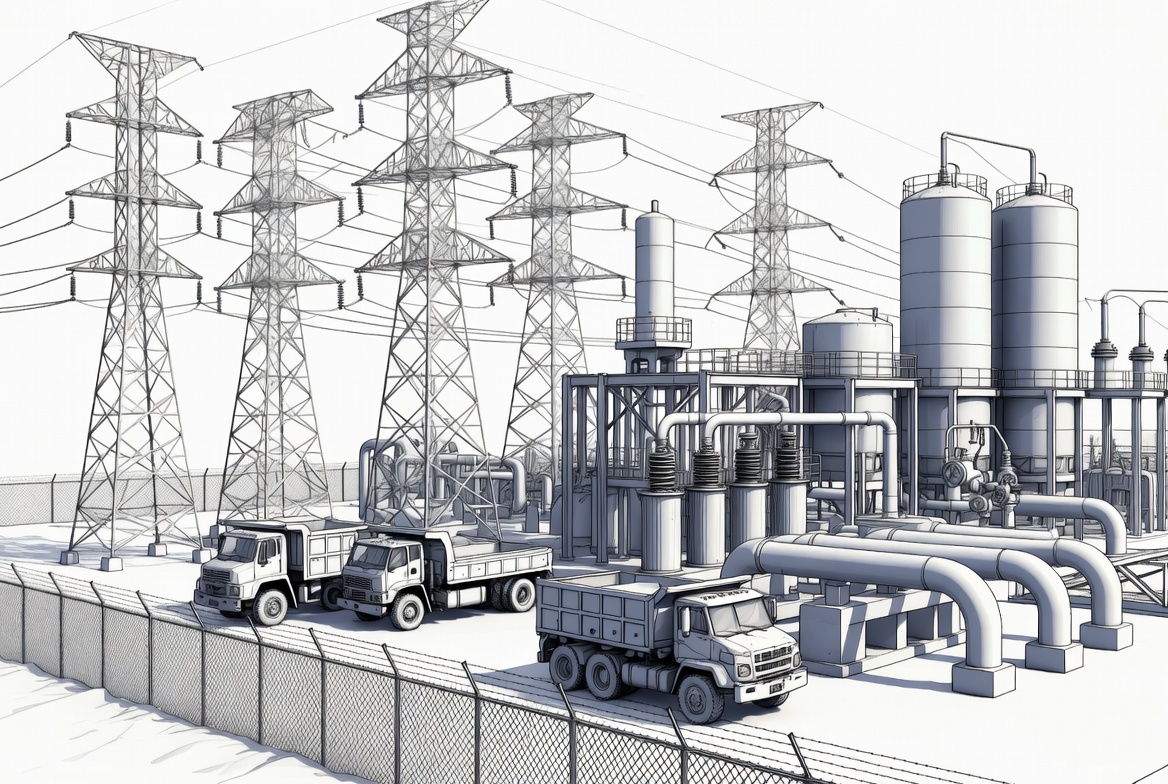
Choose the contractor mission. See what changes in the insurance file.
Critical infrastructure work should be reviewed by mission type. The risk profile changes when the contractor is touching energy systems, secure facilities, automation networks, rail corridors, underground utilities, or battery storage.
Utility and power infrastructure contractors should explain the system touched, outage window, energized or de-energized work, subcontractors, equipment, environmental exposure, traffic control, security requirements, and contract-required limits.
Critical infrastructure work is measured by consequence, not just trade classification.
A contractor may be performing electrical, mechanical, utility, automation, fiber, drilling, safety, inspection, generator, rail, or security work. The difference is where the work occurs and what happens if the work fails. A mistake at an essential facility can create more than property damage. It can interrupt power, water, communications, transport, healthcare, production, security, public access, or emergency services.
CISA identifies 16 critical infrastructure sectors whose assets, systems, and networks are considered vital to U.S. security, economic security, public health, or public safety. Contractor insurance should reflect that environment, especially when contracts reference security requirements, continuity obligations, cyber controls, high liability limits, pollution responsibilities, or restricted site access.
Critical infrastructure details to identify early
- Facility type, sector served, owner requirements, access restrictions, badges, escorts, and security procedures
- Scope of work, system touched, shutdown windows, live-system exposure, outage consequence, and subcontractor roles
- Contract insurance requirements, certificate wording, additional insured language, waivers, indemnity, and required limits
- Cyber, SCADA, OT, automation, building controls, network access, credentials, or connected equipment exposure
- Pollution, fuel, battery, chemical, wastewater, confined space, excavation, underground utility, and site-condition risks
- Vehicles, mobile equipment, rented equipment, tools, materials in transit, off-site storage, and staging areas
- Prior losses, shutdown incidents, near misses, utility strikes, property damage, pollution claims, or carrier restrictions
Tap a sector group. See what the contractor file needs to explain.
Contractors serving lifeline utilities should explain outage windows, service interruption consequence, utility owner requirements, excavation or energized work, environmental exposure, emergency response procedures, and contract-required liability limits.
Coverage categories to coordinate for critical infrastructure contractors
Critical infrastructure contractor insurance should be assembled around the site, contract, system touched, consequence of failure, and work method. A standard contractor policy may be only one piece of the required program.
General Liability & Completed Operations
Reviews bodily injury, property damage, completed operations, utility owner requirements, premises work, subcontractor work, damage to critical systems, and contract-required endorsements.
General liability insuranceCommercial Umbrella / Excess Liability
High-limit excess coverage should be reviewed against contract requirements and the severity of work around essential systems, not merely against ordinary contractor limits.
Commercial umbrella & excessContractor Pollution Liability
Reviews fuel, chemicals, battery systems, excavation, wastewater, mold, soil disturbance, environmental cleanup, contamination allegations, and site-specific pollution requirements.
Contractor pollution liabilityProfessional Liability / E&O
Important when the contractor performs design-build work, engineering support, system recommendations, commissioning, integration, inspection, testing, automation, or technical consulting.
Professional liabilityCyber Liability
Reviews SCADA, OT, networked equipment, credentials, remote access, connected systems, data handling, vendor portals, ransomware, social engineering, and technology-dependent work.
Cyber liability insuranceWorkers’ Comp, Auto & Inland Marine
Reviews employee hazards, driving exposure, service fleets, heavy equipment, tools, rented equipment, mobile equipment, material movement, staging yards, and off-site storage.
Workers’ compensationWhere critical infrastructure contractor insurance usually gets stuck
High limits, exact COI wording, additional insured, waivers, primary/noncontributory language.
SCADA, OT, networked equipment, restricted systems, credentials, shutdown windows.
Electrical, confined space, excavation, rail corridors, fuel, chemicals, water, battery systems.
Lower-tier insurance, certificates, exclusions, indemnity, controlled access, scope separation.
Completed operations, warranties, testing records, incident reports, claims notice, renewal deadlines.
Contractor accounts where the insurance file needs more detail
Information to prepare before a critical infrastructure contractor review
- Legal entity name, trade classification, project types, sectors served, customer types, and service territory
- Scope of work, systems touched, live-system work, outage windows, shutdown schedule, and consequence of failure
- Contract insurance requirements, certificate wording, additional insured wording, waiver language, and required limits
- Cyber, SCADA, OT, automation, building controls, remote access, credentials, and technology integration exposure
- Pollution, fuel, battery, wastewater, chemical, excavation, confined space, rail, underground utility, or environmental exposures
- Payroll, employee duties, subcontractor usage, safety programs, training records, and workers’ compensation history
- Vehicle schedule, driver list, mobile equipment, tools, rented equipment, materials in transit, and staging areas
- Current policies, loss runs, prior utility strikes, outage incidents, property damage, pollution claims, or carrier restrictions
The account should explain the system, the contract, and the consequence of failure.
A weak submission says “electrical contractor,” “utility contractor,” or “automation contractor.” A stronger submission explains the facility type, the system touched, the shutdown procedure, the contract requirements, the cyber-sensitive exposure, the pollution or site hazard, the subcontractor structure, and the owner’s certificate requirements.
Kelly Insurance Group helps organize critical infrastructure contractor accounts so the market can understand the real operation. That matters when carriers are deciding whether the account belongs in a standard contractor program, a specialty contractor program, a high-limit excess structure, or a more carefully manuscripted placement.
Use the right page for the actual infrastructure exposure
Critical infrastructure contractor insurance often overlaps with utility power work, SCADA automation, directional drilling, battery storage, railroad protective liability, data center contracting, temporary power, and secure facility vendor work.
Find related contractor, utility, cyber, pollution, umbrella, and certificate pages
Critical Infrastructure Contractor Insurance Questions
What insurance should critical infrastructure contractors review?
Critical infrastructure contractors may need general liability, workers’ compensation, commercial auto, inland marine, contractor pollution liability, professional liability, cyber liability, commercial umbrella or excess liability, crime, equipment coverage, builders risk coordination, and contract-specific endorsements depending on the work performed.
Why is critical infrastructure contractor insurance different from standard contractor insurance?
The work often involves essential systems, restricted facilities, high-limit contracts, shutdown windows, cyber-sensitive equipment, environmental exposure, operational continuity, and higher severity if the work causes an outage, interruption, property damage, public-safety issue, or system failure.
What are the 16 critical infrastructure sectors?
CISA identifies 16 critical infrastructure sectors, including energy, water and wastewater, communications, transportation, healthcare and public health, information technology, defense industrial base, critical manufacturing, emergency services, government facilities, financial services, chemical, dams, food and agriculture, commercial facilities, and nuclear reactors, materials, and waste.
Do critical infrastructure contractors need cyber liability?
Cyber liability should be reviewed when the contractor has access to networks, SCADA systems, industrial controls, building automation, credentials, connected equipment, remote access, customer portals, sensitive project data, or technology-dependent operations.
What information helps quote critical infrastructure contractor insurance?
Useful information includes the contract, facility type, system touched, scope of work, sector served, access requirements, shutdown window, cyber exposure, pollution exposure, vehicle schedule, equipment values, payroll, subcontractor usage, current policies, loss runs, and certificate requirements.
Send the contract before the certificate requirement becomes the emergency.
Tell us what critical facility you serve, what system you touch, what limits are required, whether cyber-sensitive or pollution-sensitive work is involved, and what certificate wording the owner needs before mobilization.