
Industrial & Heavy Equipment Rental Insurance
Insurance review for heavy equipment rental fleets, industrial machinery rental yards, bare rentals, operated rentals, equipment delivery, generator rentals, aerial lifts, forklifts, cranes, excavators, compressors, and specialty rental operations.
Heavy equipment rental companies have a different insurance problem than ordinary contractors. The business owns expensive equipment, rents that equipment to other parties, may deliver it to jobsites, may provide operators, may service customer equipment, may collect damage-waiver fees, and may lose rental income when a machine is damaged or stolen. The insurance program has to match the rental agreement, the fleet, the yard, the delivery operation, and the way customers actually use the equipment.
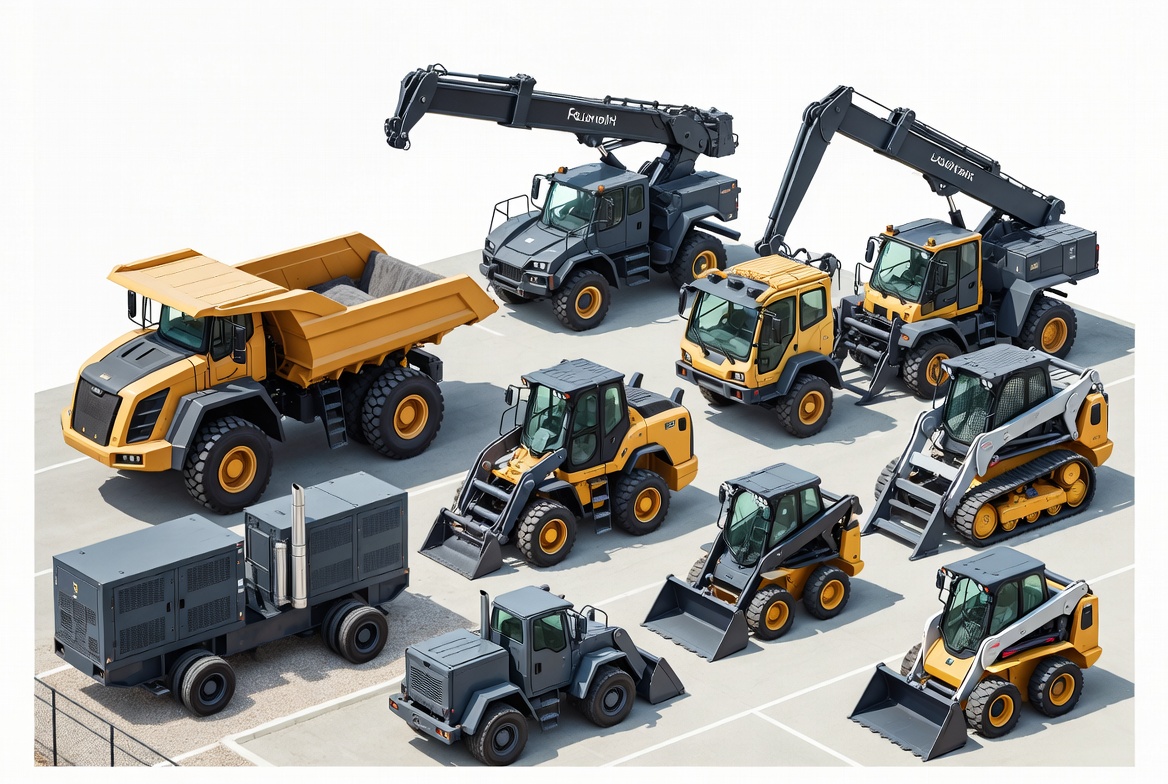
Choose the rental scenario. See what the insurance file needs to prove.
Heavy equipment rental insurance changes by who operates the machine, who delivers it, who is responsible for damage, and whether the machine generates lost rental income after a covered loss.
Bare rental usually means the customer provides the operator. The rental company still needs coverage for equipment condition, maintenance allegations, rental agreement terms, customer-caused equipment damage, theft, loss of rents, and disputes over who was responsible when the machine caused damage or injury.
The insurance file should follow the machine from yard to jobsite and back.
Customer, contract terms, certificate requirements, damage waiver, rental rate.
Condition report, maintenance record, photos, safety checks, attachment schedule.
Loading, hauling, route, driver, unloading, site access, delivery documentation.
Bare rental or operated rental, customer instructions, jobsite use, incident reporting.
Damage inspection, missing attachments, downtime, repairs, loss-of-rents review.
Heavy equipment rental is property risk, liability risk, contract risk, and income risk in one business.
A contractor may own equipment to perform its own work. A rental operator owns equipment so other people can use it. That difference changes the insurance file. The equipment leaves the yard, enters jobsites the rental company may not control, is used by customers with different skill levels, and comes back damaged, missing parts, late, or involved in a claim.
The program should connect the rental agreement to the insurance policy. Damage-waiver terms, customer indemnity, loss-of-rents provisions, certificates, additional insured language, delivery responsibilities, operated rental services, equipment values, and maintenance documentation all matter when a machine is damaged or an injury claim follows the rental.
Rental operation details to identify early
- Equipment schedule, replacement values, attachments, serial numbers, annual rental revenue, and utilization
- Bare rental vs operated rental split, operator payroll, customer industries, and jobsite types
- Rental agreement language, damage-waiver terms, indemnity, insurance requirements, and customer certificate process
- Loss-of-rents need, daily rental rates, repair lead time, high-demand machines, and replacement availability
- Delivery trucks, trailers, lowboys, drivers, route exposure, loading and unloading procedures, and hired/non-owned auto
- Rental yard security, cameras, fencing, key control, theft history, service bay work, and customer property on-site
- Prior losses, customer damage disputes, theft, rollovers, transport losses, operator claims, or carrier restrictions
Coverage categories to coordinate for industrial and heavy equipment rental companies
Equipment rental insurance should be built around the actual fleet, the rental agreement, the customer base, the delivery operation, the yard, and whether the company supplies operators.
Inland Marine / Rental Equipment
Reviews scheduled equipment, blanket fleet values, attachments, theft, vandalism, customer damage, equipment in transit, equipment at jobsites, and equipment stored at the rental yard.
Inland marine insuranceGeneral Liability
Reviews rental operations, premises liability, products-completed operations, customer allegations, equipment condition allegations, operated rental liability, and contract requirements.
General liability insuranceLoss of Rents
Reviews rental income lost while a covered piece of equipment is out of service due to damage, theft, or another covered cause of loss, subject to policy wording and waiting periods.
Review loss-of-rents coverageCommercial Auto / Delivery Fleet
Reviews delivery trucks, service trucks, trailers, lowboys, equipment hauling, loading, unloading, drivers, hired auto, non-owned auto, and customer-site delivery exposure.
Commercial auto insuranceWorkers’ Compensation
Reviews mechanics, yard staff, drivers, equipment operators, service technicians, rental counter staff, delivery staff, and operated rental payroll classifications.
Workers’ compensationUmbrella / Excess Liability
Industrial customers, municipalities, utilities, contractors, and project owners may require higher limits for equipment rental agreements and operated rental work.
Commercial umbrella & excessDifferent rental equipment classes create different underwriting questions
Equipment rental businesses where the insurance file needs detail
Information to prepare before a heavy equipment rental insurance review
- Legal entity name, locations, rental yard addresses, states served, annual rental revenue, and customer industries
- Equipment schedule, replacement values, attachments, serial numbers, high-value items, and unscheduled equipment values
- Bare rental percentage, operated rental percentage, operator payroll, delivery revenue, service revenue, and repair work
- Rental agreement, damage waiver terms, customer insurance requirements, indemnity language, and certificate procedures
- Delivery truck schedule, trailer schedule, drivers, hauling radius, loading procedures, and hired/non-owned auto exposure
- Yard security, fencing, cameras, key controls, GPS tracking, theft history, service bays, and customer property exposure
- Loss runs, theft history, customer damage disputes, rollover claims, transport claims, employee injuries, and current policies
- Carrier restrictions, excluded equipment, required endorsements, loss-of-rents limits, deductibles, and lender requirements
The rental agreement and insurance program should not be fighting each other.
The strongest equipment rental insurance file explains the fleet, the contract, the customer base, the rental mix, the delivery operation, and the loss history. If the rental agreement says the customer is responsible for damage, the insurance program still needs to show how claims, subrogation, damage waiver, loss of rents, and customer certificates are handled.
Kelly Insurance Group helps organize heavy equipment rental programs around the real exposure: rental equipment values, customer use, operated rental liability, delivery auto exposure, mechanics and yard employees, high-limit contracts, customer property, theft controls, and income loss after equipment damage.
Use the right page for the actual rental operation
Heavy equipment rental insurance often connects to generator rental, utility contractors, industrial shutdown contractors, HDD contractors, builders risk, umbrella, commercial auto, and certificate requirements.
Find related rental, contractor, auto, inland marine, and umbrella pages
Industrial & Heavy Equipment Rental Insurance Questions
What insurance does an equipment rental company need?
An equipment rental company may need inland marine coverage for the rental fleet, general liability, loss-of-rents coverage, commercial auto, workers’ compensation, umbrella or excess liability, garagekeepers or customers’ goods coverage where applicable, cyber liability, crime coverage, and property coverage for the rental yard depending on the operation.
What is the difference between bare rental and operated rental insurance exposure?
Bare rental generally means the customer supplies the operator. Operated rental means the rental company supplies the machine and operator. Operated rental creates a different liability profile because the rental company’s employee may be performing work on the customer’s jobsite.
What is loss-of-rents coverage for rental equipment?
Loss-of-rents coverage addresses rental income the equipment would have generated while it is out of service due to a covered loss. It should be reviewed by equipment type, daily rental rate, repair lead time, waiting period, and policy wording.
Does heavy equipment rental insurance cover customer-caused damage?
Customer-caused damage depends on the rental agreement, damage-waiver terms, policy wording, deductibles, subrogation rights, and the facts of the claim. The insurance program should be reviewed beside the rental agreement.
What information helps quote heavy equipment rental insurance?
Helpful information includes the equipment schedule, rental agreement, rental revenue, bare vs operated rental split, delivery vehicles, loss runs, customer industries, yard security, damage waiver terms, operator payroll, and current policies.
Send the fleet schedule before the rental contract creates the claim problem.
Tell us what equipment you rent, how much is bare rental versus operated rental, how equipment is delivered, what the rental agreement says, whether damage waiver is used, and what equipment values, customer contracts, and loss history need to be reviewed.