Directional Drilling & HDD Contractor Insurance
HDD contractors work underground where the bore path is invisible, utility corridors are crowded, drilling fluid can surface unexpectedly, and a single strike can turn into a utility damage, pollution, service interruption, traffic control, equipment, and contract problem.
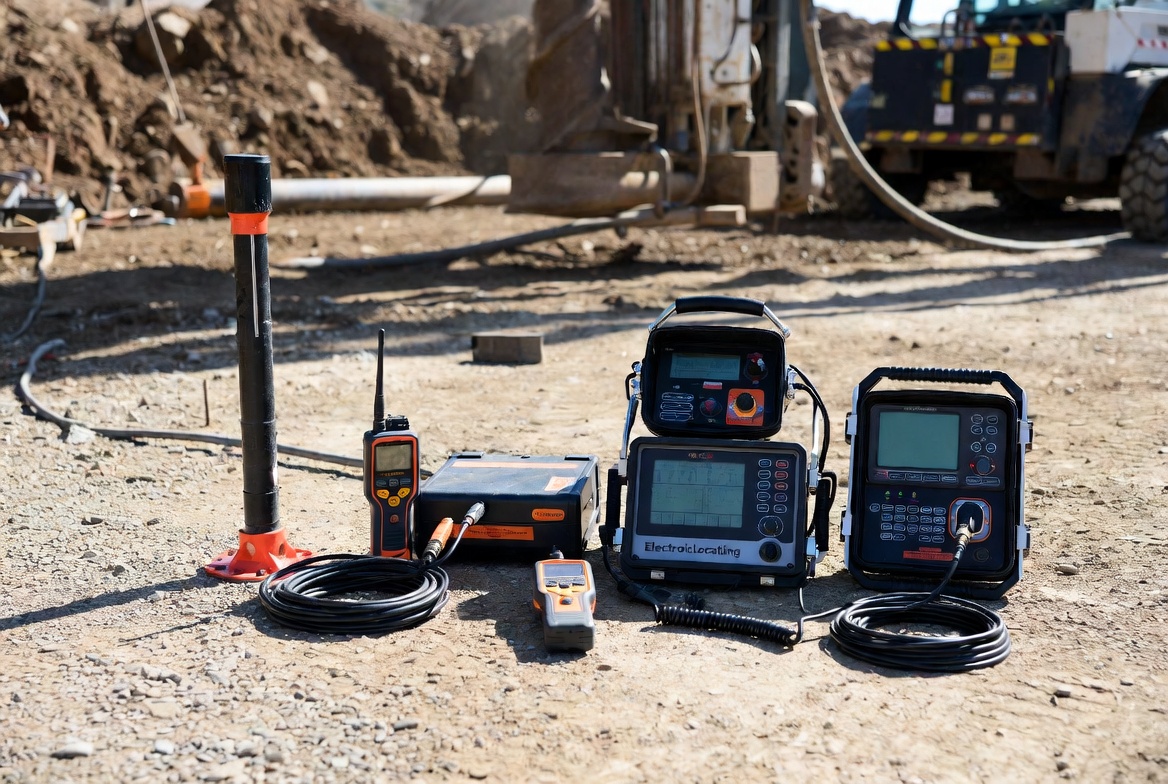
Directional drilling risk is underground, but the claim shows up everywhere.
Horizontal directional drilling and trenchless construction are not the same underwriting problem as ordinary excavation. The contractor may never see the utility, pipe, soil condition, or pressure pathway that ultimately creates the loss.
The bore path is not visible.
HDD contractors rely on locating accuracy, bore tracking, operator skill, soil conditions, depth management, and pre-bore planning. When one of those assumptions fails, the incident may involve a utility strike, surface heave, frac-out, restoration dispute, or service outage.
The contract chain matters.
HDD contractors often work under utility owners, telecom contractors, municipalities, prime contractors, public works projects, broadband build-outs, pipeline operators, and infrastructure owners. Insurance requirements can be strict before a rig ever enters the site.
Click the subsurface layer. See the HDD insurance issue.
This is a visual risk map for trenchless construction. Each layer has a different severity profile: surface restoration, shallow utility strikes, deeper water and sewer conflict, dense formation pressure, and frac-out exposure.
Built for trenchless construction contractors, not generic excavators.
The page stays narrow so it does not cannibalize fiber, utility locating, utility infrastructure, or general contractor pages.
The program has to address the strike, the fluid, the rig, the crew, and the contract.
HDD contractors need a layered program because one project can involve utility damage, pollution, traffic control, high-value equipment, commercial auto, subcontractors, workers compensation, and owner-driven insurance requirements.
Commercial General Liability
Third-party bodily injury and property damage arising from job site operations, completed work, utility damage, and restoration disputes where the policy form responds.
Contractor's Pollution Liability
Important for frac-out, inadvertent return, drilling fluid release, contaminated soil, sewer line damage, and environmental cleanup allegations.
Umbrella / Excess Liability
Often needed when utility owners, municipalities, telecom primes, public entities, and infrastructure owners require higher limits.
Commercial Auto
Pickup trucks, service trucks, trailers, water trucks, vacuum trucks, equipment hauling, and hired/non-owned auto exposure.
Inland Marine / Equipment
HDD rigs, locating equipment, tracking systems, mud systems, trailers, generators, tooling, rods, and support equipment.
Workers Compensation
Rig operators, locators, laborers, pit crews, traffic exposure, equipment handling, and underground utility construction hazards.
Professional Liability / E&O
Relevant when the contractor performs bore path design, route planning, engineering, geotechnical interpretation, or project consulting.
Installation / Builders Risk
May be relevant for materials, conduit, project property, or partially completed work depending on contract structure.
Contract Review Support
Additional insured, waiver of subrogation, primary and non-contributory wording, completed operations, and excess limit requirements.
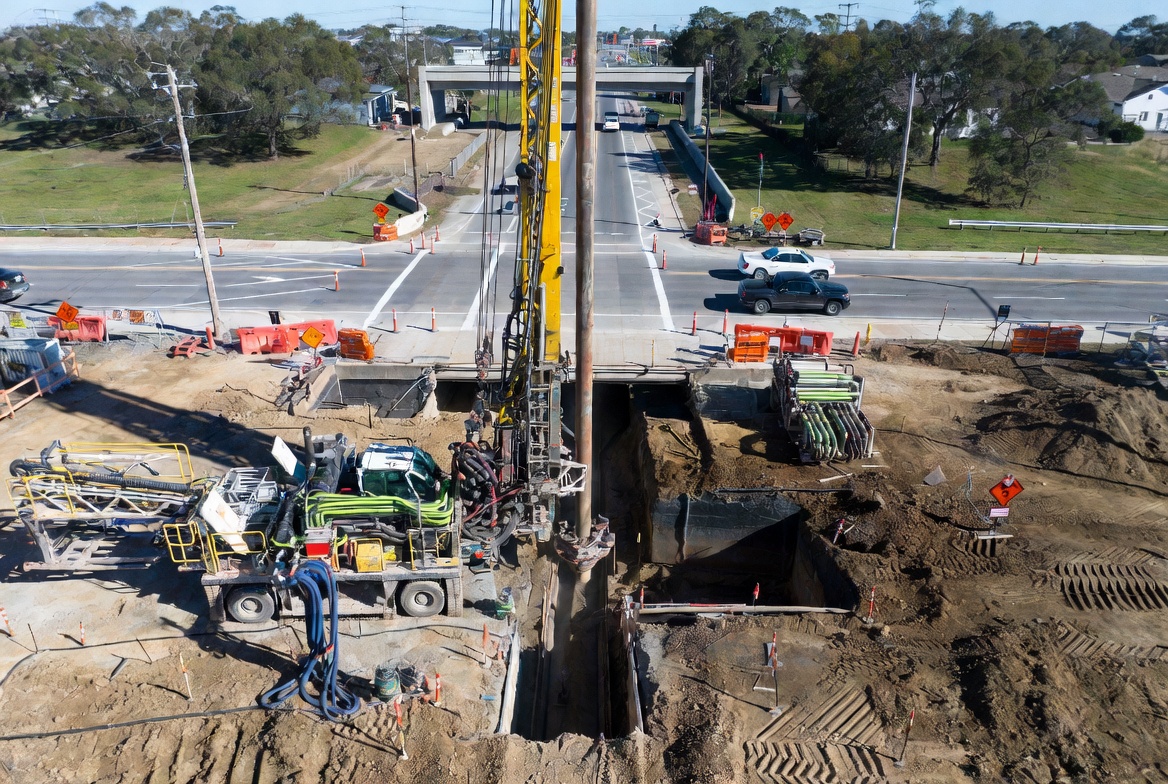
HDD claims are rarely clean. They usually compound.
The underwriting story should explain how the contractor prevents, documents, responds to, and survives these scenarios.
What carriers usually need before they can evaluate an HDD contractor correctly.
A vague "underground contractor" description is not enough. HDD operations need to be separated by work type, customer type, bore method, equipment, location controls, and utility damage prevention procedures.
Operations to break out clearly
- Percent of work involving HDD, open trench, plowing, conduit, fiber, water, sewer, power, or pipeline work.
- Average bore depth, bore length, soil conditions, and whether crossings involve roads, water, rail, or easements.
- Whether the contractor performs bore path design, engineering, route planning, or strictly field execution.
- Utility owner, municipality, telecom, pipeline, fiber, or general contractor customer mix.
- Subcontractor usage and whether subcontractors carry their own coverage and additional insured wording.
- Traffic control, restoration work, vacuum excavation, potholing, and locating procedures.
Risk controls that matter
- 811 / one-call process, private locating, ticket retention, photos, maps, and documentation.
- Potholing / soft-dig verification of marked utilities before boring through conflict zones.
- Drilling fluid management, containment, spill response, and frac-out response procedures.
- Locator training, bore tracking procedures, depth logs, and communication between drill operator and locator.
- Fleet safety, trailer safety, equipment maintenance, and driver controls.
- Contract review for additional insured, waiver, primary wording, pollution requirements, and excess limits.
Documentation is not paperwork. It is claim defense.
After a utility strike or frac-out, the question becomes what was known, what was marked, what was verified, what was documented, and whether the contractor followed a defensible procedure.
Locate tickets and damage prevention
Locate requests, ticket numbers, renewal dates, white-lining, photos, and tolerance-zone procedures help establish the pre-bore risk process.
Soft-dig verification
Exposing utilities before crossing high-risk zones can materially change defensibility after a strike allegation.
Drilling fluid containment and response
Written response procedures, containment materials, crew training, and cleanup plans matter when drilling fluid surfaces outside the bore path.
Right-of-way operations
Lane closures, flagging, signage, municipal permits, pedestrian protection, and subcontracted traffic control should be explained.
Rig, locator, tooling, and fleet documentation
Equipment schedules, maintenance records, operator training, and equipment values help structure inland marine and auto coverage.
Do not let an ordinary contractor policy pretend to understand HDD work.
The submission has to explain the bore method, utility strike controls, frac-out exposure, equipment values, fleet, contracts, customer types, and whether your operation performs design or engineering.
Broader coverage pages that support this HDD contractor hub.
Search the KIG site for related contractor, infrastructure, pollution, umbrella, or certificate topics.
The insurance placement is only as good as the people explaining the risk.
Meet the KIG team.
Kelly Insurance Group's team works with difficult, unusual, technical, and contractor-heavy risks, including infrastructure contractors that do not fit neatly inside ordinary contractor quote boxes.
Meet the TeamHistory with backbone.
KIG has a long agency history and a modern appetite for hard-to-place commercial risks, contractor risks, and specialty programs.
Read Our HistoryClient portal access for certificates.
Once you are a customer, most KIG clients are given access to our custom client portal where they can generate certificates of insurance at any time. That matters when HDD contractors are managing municipal permits, utility owners, telecom primes, public works contracts, and multiple active job sites.
Directional drilling and HDD contractor insurance questions.
What insurance does a horizontal directional drilling contractor usually need?
HDD contractors commonly need commercial general liability, commercial auto, workers compensation, inland marine, umbrella or excess liability, and contractor's pollution liability. Depending on operations, professional liability may also matter when the contractor performs bore path design, route planning, consulting, or engineering-related work.
Why is HDD contractor insurance different from ordinary excavation insurance?
HDD work is trenchless and subsurface. The bore path is not visible, utilities may be crossed underground, and drilling fluid pressure can create frac-out or inadvertent return exposure. That makes HDD different from open excavation where the work area is physically exposed.
What is a frac-out?
A frac-out, also called an inadvertent return, occurs when drilling fluid escapes the bore path and surfaces somewhere unintended. Depending on where it occurs, the incident may involve cleanup, property damage, environmental allegations, regulatory concerns, or work stoppage.
Does general liability cover every HDD utility strike?
No assumption should be made. A general liability policy may respond to covered third-party bodily injury or property damage, but economic loss, service interruption, pollution, contractual penalties, and excluded operations require careful policy review.
What information helps underwriters evaluate an HDD contractor?
Helpful information includes revenue by operation, average bore depth and length, customer types, utility locating procedures, potholing procedures, frac-out response plan, fleet details, equipment schedule, subcontractor use, contracts, loss history, and required limits or endorsements.
Can Kelly Insurance Group guarantee coverage?
No. Coverage availability, terms, exclusions, limits, and eligibility depend on carrier underwriting, state, operation type, contracts, loss history, and individual risk characteristics. This page explains coverage concepts and is not a policy, binder, quote, legal opinion, or guarantee of coverage.
Talk to KIG about your directional drilling or HDD contractor insurance program.
Send the details that matter: HDD percentage, underground utility work, frac-out controls, 811 procedures, equipment, fleet, customers, contracts, subcontractors, project types, and required certificate wording.
- Horizontal directional drilling contractors
- Directional boring crews
- Fiber and telecom HDD contractors
- Utility installation contractors
- Pipeline crossing contractors
- Microtunneling contractors
- Auger boring contractors
- Subcontracted bore crews