Maritime Industrial Insurance
Maritime industrial insurance is built for port operators, terminal contractors, stevedores, marine cargo handlers, shipyard-adjacent operations, port infrastructure contractors, commercial diving firms, dock and quay wall contractors, equipment operators, and waterfront businesses where property, liability, cargo, pollution, equipment, workers compensation, contractual, and excess liability exposure collide. Kelly Insurance Group helps complex marine and industrial accounts explain the real operation clearly so the insurance program is built around the work being performed.
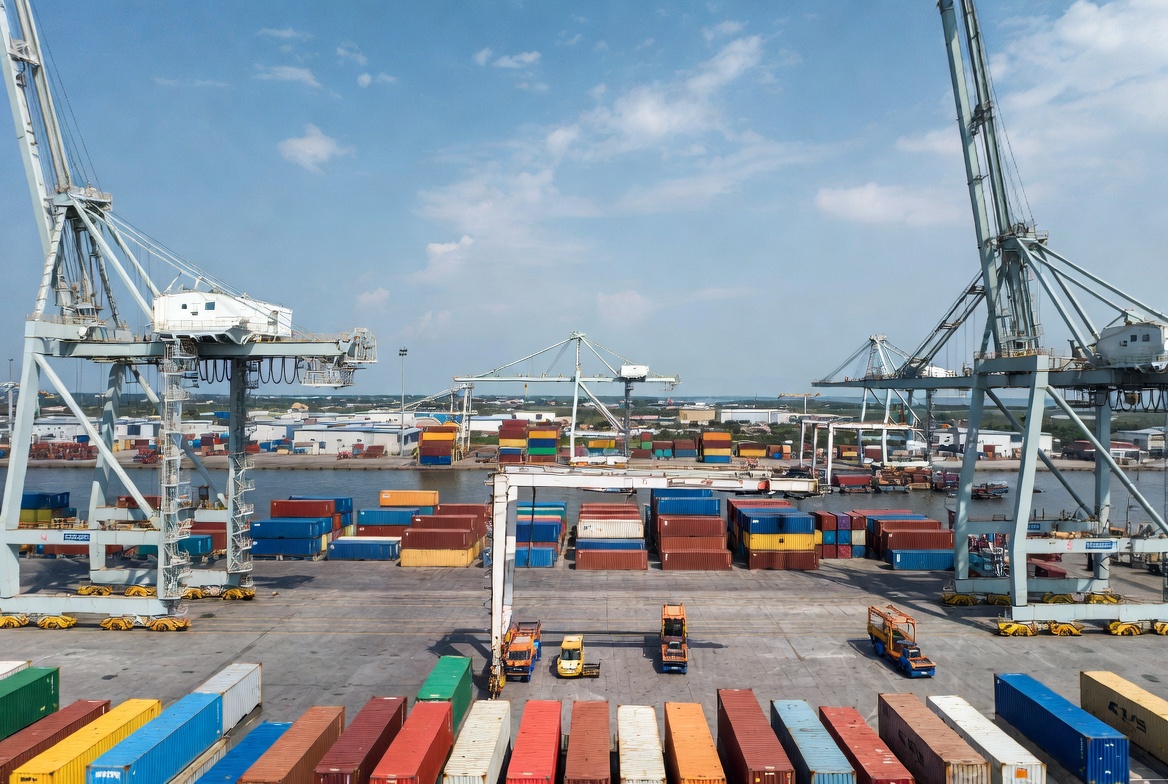
Insurance for Port Operators, Marine Terminal Contractors, Cargo Handlers, Stevedores, and Waterfront Industrial Businesses
Maritime industrial accounts are rarely simple. A single operation may involve waterfront property, owned equipment, leased terminal space, cargo handling, cranes, forklifts, trucks, subcontractors, vessel-adjacent work, pollution exposure, workers compensation complications, contractual indemnity, port authority requirements, marine general liability, inland marine, auto, and umbrella liability.
The underwriting problem is usually not the word “marine.” It is the mix of exposures. A port infrastructure contractor is different from a stevedore. A cargo terminal is different from a marina. A commercial diving contractor is different from a dock repair contractor. A marine cargo handler is different from a warehouse operator away from water.
Kelly Insurance Group works with difficult commercial insurance placements where the operation needs to be explained correctly. Maritime industrial accounts often require more detailed submission work because standard business insurance markets may not understand the jobsite, equipment, contract, cargo, vessel, water, pollution, or longshore-related exposure.
Maritime Industrial Insurance Commonly Involves
- Marine general liability, terminal liability, premises liability, and contractual liability
- Cargo handling, stevedoring, warehousing, loading, unloading, and property of others exposure
- Port equipment, cranes, forklifts, terminal tractors, service vehicles, and inland marine coverage
- Workers compensation, longshore-related concerns, maritime employee classification, and subcontractor controls
- Pollution liability involving fuel, spills, cargo, stormwater, dredging, marine construction, and waterfront operations
- Commercial auto, hired/non-owned auto, fleet, and terminal vehicle exposure
- Builders risk, marine construction, quay wall, dock, pier, bulkhead, and infrastructure project exposure
- Umbrella and excess liability driven by port authority, customer, lender, or contract requirements
Maritime Industrial Risk Environment
Marine industrial operations sit between land-based commercial insurance and marine insurance. The correct structure depends on where work occurs, what equipment is used, who owns the cargo, whether vessels are involved, whether employees work over or near water, what contracts require, and whether pollution or infrastructure work is part of the operation.
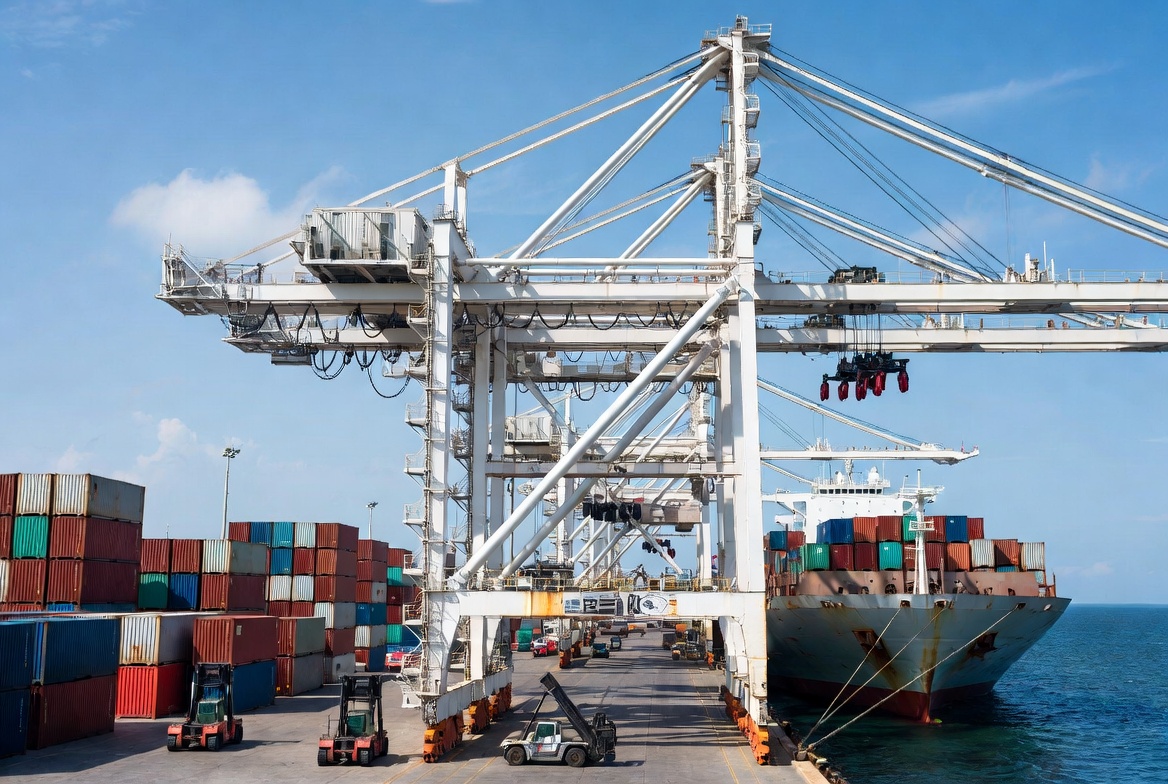
Who This Insurance Hub Is Built For
This page is designed for marine terminal operators, port contractors, stevedores, cargo handlers, waterfront industrial companies, commercial diving contractors, marine construction firms, dock and pier contractors, logistics operators, and infrastructure businesses that need more than a basic general liability policy.
Interactive Maritime Industrial Risk Map
Click a risk point to see how marine industrial exposure can change the insurance structure. Port and terminal operations are rarely one coverage problem. The real account may involve cargo, equipment, employees, vessels, contracts, pollution, construction, property, and excess liability at the same time.
Terminal Liability
Marine terminal exposure can involve premises liability, equipment operations, vendors, truckers, cargo owners, port authority requirements, tenant obligations, security, access control, and contractual risk transfer.
- Terminal agreements and port authority requirements should be reviewed early.
- Equipment, vehicle, contractor, and visitor controls matter to underwriting.
- Property of others and cargo responsibilities should be clearly described.
- Umbrella or excess limits are often driven by contracts and severity potential.
Maritime Industrial Insurance Specialization Blocks
These supporting sections are built directly into the hub page so the page is substantial, useful, and customer-facing without creating thin standalone pages prematurely.
Port & Marine Terminal Operator Insurance
Port and marine terminal operators may manage waterfront property, container handling areas, storage yards, access points, tenant spaces, loading zones, cranes, forklifts, trucks, cargo movement, security, and contracts with port authorities, vessel operators, cargo owners, or logistics customers.
Insurance placement should identify what the operator controls, what cargo is handled, what equipment is owned or leased, whether vessels are involved, who enters the site, and what contracts require.
Terminal Operations Combine Property, Liability, Equipment, and Contract Risk
Terminal operators may need general liability, marine liability, property, inland marine, equipment coverage, commercial auto, pollution liability, workers compensation, cyber liability, crime, and umbrella or excess liability review depending on the operation.
Common Review Areas
- Terminal agreements and port authority requirements
- Cargo type, volume, handling, and storage responsibilities
- Equipment schedule and mobile machinery values
- Security, access control, and contractor/vendor controls
- Pollution, stormwater, fuel, and spill exposure
- Umbrella and excess liability requirements
Stevedore & Marine Cargo Handler Insurance
Stevedores and marine cargo handlers may load, unload, move, stage, sort, lift, secure, and transfer cargo between vessels, docks, yards, trucks, rail, and warehouses. These accounts can create severe property of others, equipment, employee injury, contractual, and cargo damage exposure.
Underwriters need to understand whether the company works aboard vessels, on docks, in yards, inside warehouses, with containers, breakbulk cargo, bulk commodities, project cargo, heavy lifts, hazardous materials, refrigerated goods, or customer-owned property.
Cargo Handling Requires Precise Role Definition
The insurance answer depends on who owns the cargo, who is responsible for damage, whether loading or unloading is performed, whether vessel work occurs, what equipment is used, and what contracts require from the cargo handler.
Important Details
- Type of cargo handled
- Loading, unloading, staging, storage, and transfer responsibilities
- Vessel-adjacent or aboard-vessel work
- Forklifts, cranes, terminal tractors, and lifting equipment
- Property of others and cargo damage exposure
- Contractual liability and excess requirements
Port Infrastructure Contractor Insurance
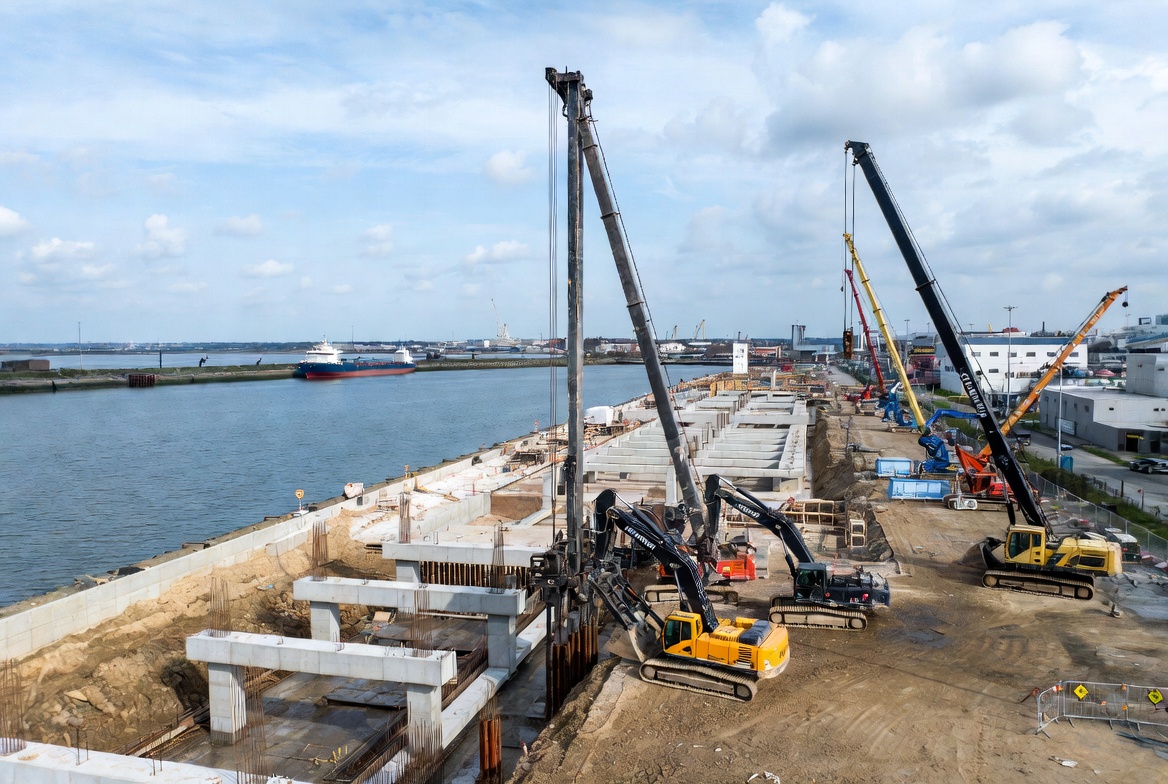
Port infrastructure contractors may work on quay walls, docks, piers, bulkheads, wharves, fender systems, mooring systems, seawalls, marine foundations, cranes, utility systems, dredging-adjacent work, concrete repair, and heavy civil construction at waterfront sites.
These accounts may require careful coordination between general liability, marine liability, workers compensation, contractor pollution liability, builders risk, inland marine, equipment, commercial auto, professional liability, and excess liability.
Waterfront Construction Is Not Standard Contracting
Port infrastructure projects often involve water, tides, heavy equipment, cranes, subcontractors, environmental controls, underwater conditions, government or port authority requirements, and project-specific insurance obligations.
Key Review Points
- Exact scope of marine construction work
- Owned, rented, and borrowed equipment values
- Work over water, near water, or on floating platforms
- Pollution, sediment, dredging, and stormwater exposure
- Builders risk and project-specific requirements
- Subcontractor controls and contract language
Commercial Diving Contractor Insurance
Commercial diving contractors may perform inspection, repair, construction support, salvage-adjacent work, underwater welding, hull work, marine infrastructure support, intake/outfall work, bridge inspection support, and underwater maintenance.
Diving contractor insurance requires very clear descriptions of depth, environment, crew structure, safety procedures, equipment, contracts, project type, and whether the work involves construction, inspection, welding, salvage, contaminated water, vessels, bridges, dams, or port infrastructure.
Diving Risk Needs Specialized Underwriting
A commercial diving account may need marine liability, general liability, professional liability, workers compensation, inland marine, equipment coverage, contractor pollution, and excess liability review. Standard contractor coverage is rarely enough by itself.
Review Areas
- Diving depth, environment, and project type
- Inspection, repair, welding, construction, or salvage-related work
- Safety procedures and employee qualifications
- Owned diving equipment and support equipment
- Water conditions and pollution exposure
- Contract requirements and required limits
Marine Cargo Terminal Property & Equipment Insurance
Marine cargo terminals may have buildings, yards, docks, cranes, forklifts, reach stackers, terminal tractors, trailers, scales, lighting, security systems, racking, containers, customer property, and specialized equipment exposed to weather, impact, theft, breakdown, and operational interruption.
Property coverage should be reviewed alongside inland marine, equipment breakdown, business income, cargo responsibility, and contract obligations. The equipment schedule is often central to the placement.
Equipment Can Be the Operational Backbone
A terminal may be unable to operate if cranes, forklifts, yard equipment, electrical systems, scales, or access systems are damaged. Equipment breakdown and business income should be evaluated with the real workflow in mind.
Important Information
- Building, yard, dock, and equipment values
- Owned, rented, leased, and borrowed equipment
- Customer property and cargo responsibility
- Business income and extra expense exposure
- Security, fire protection, and weather controls
- Equipment maintenance and inspection procedures
Marine Pollution Liability Insurance
Maritime industrial operations can create pollution exposure through fuel, hydraulic fluids, cargo spills, stormwater runoff, dredging-adjacent work, sediment disturbance, equipment leaks, vessel-adjacent operations, waste handling, and waterfront construction activity.
Pollution liability should be reviewed when contracts require it, when work occurs near water, when fuel or fluids are stored, when cargo could create environmental concerns, or when construction activity may disturb soil, sediment, or water conditions.
Waterfront Operations Need Environmental Review
Pollution issues near water can become expensive quickly because cleanup, third-party claims, regulatory involvement, and contractual obligations may all become part of the same event.
Pollution Review Points
- Fuel, oil, hydraulic fluid, and chemical storage
- Cargo spill potential
- Stormwater and runoff controls
- Marine construction or sediment disturbance
- Emergency response and spill procedures
- Contractor pollution liability requirements
Maritime Excess Liability Insurance
Maritime industrial accounts often need umbrella or excess liability because of port authority contracts, customer requirements, cargo severity, heavy equipment, environmental risk, premises exposure, and work near vessels or water.
Excess liability should be reviewed carefully because exclusions, marine limitations, pollution limitations, employer’s liability gaps, auto limitations, cargo limitations, and underlying carrier acceptability can determine whether the structure is actually useful.
High Limits Need the Right Underlying Program
Marine industrial excess liability is not just a larger number. The excess program should align with the underlying general liability, marine liability, auto, workers compensation, pollution, and other relevant policies.
Excess Review Areas
- Port authority and customer required limits
- Underlying carrier acceptability
- Marine, pollution, cargo, and auto limitations
- Employer’s liability and workers compensation coordination
- Contractual liability and indemnity obligations
- Layering strategy for larger limits
Maritime Industrial Coverage Structure
Maritime industrial insurance is usually a coordinated program, not one policy. The correct structure depends on operations, contracts, cargo, equipment, employees, vehicles, vessels, pollution exposure, and whether work occurs on land, over water, near water, aboard vessels, or inside port-controlled facilities.
What Underwriters Need To Understand
Marine industrial submissions need to be precise. “Port contractor” or “marine operation” is not enough. Underwriters need to understand what work is performed, where it is performed, who owns the cargo, what equipment is used, whether employees work over water, and what contracts require.
| Issue | Why It Matters | Helpful Information |
|---|---|---|
| Actual operation | Terminal operators, stevedores, divers, cargo handlers, and port contractors are different risks. | Detailed description of work performed and work not performed. |
| Waterfront location | Work near water, over water, or aboard vessels changes coverage needs. | Location details, site control, vessel involvement, and over-water exposure. |
| Cargo responsibility | Property of others can create significant liability and contract issues. | Cargo type, ownership, storage, handling, and contractual responsibility. |
| Equipment schedule | Marine operations often depend on costly mobile and specialized equipment. | Owned, rented, leased, and borrowed equipment values. |
| Pollution exposure | Waterfront spills and releases can become severe quickly. | Fuel, fluids, cargo, stormwater, spill response, and pollution controls. |
| Contract requirements | Port authorities, customers, and project owners may impose strict insurance terms. | Insurance sections of contracts, certificate requirements, and required limits. |
Client Service, Certificates, Team Depth, and Long-Term Support
Maritime industrial accounts often need more than policy placement. They may need certificates for port authorities, terminal operators, vessel owners, cargo customers, project owners, government entities, subcontractors, vendors, and equipment lessors.
Kelly Insurance Group is proud of its team of agents and the long history behind the agency. You can learn more about the people behind the agency on the Meet The Team page and the agency story on the History page.
Once you are a customer, most customers are given access to a custom client portal where certificates of insurance can be generated at any time. That is especially helpful for maritime accounts dealing with contract deadlines, port access, project requirements, cargo customers, and vendor certificate requests.
Start With The Marine Industrial Details That Actually Matter
Maritime industrial submissions need enough detail to avoid being treated like a generic contractor, warehouse, or trucking account. The more clearly the operation is described, the better the chance of identifying markets willing to evaluate the account seriously.
Use the form to start the conversation. For marine industrial operations, include the scope of work, contracts, location, cargo handled, equipment schedule, vessel exposure, pollution exposure, employee duties, and any certificate or port authority requirements.
FIND RELATED COVERAGE FAST
Search by industry, coverage type, contract requirement, or hard-to-place exposure.
Maritime Industrial Insurance FAQs
What makes maritime industrial insurance different from ordinary contractor insurance?
Maritime industrial insurance is different because the account may involve waterfront work, port authority requirements, cargo handling, vessel-adjacent operations, marine liability, pollution exposure, terminal equipment, workers compensation complexity, and contract-driven excess liability requirements.
Do port contractors need marine liability coverage?
Port contractors may need marine liability review depending on where the work occurs, whether vessels are involved, whether work is performed over water or near water, and what the contract requires.
Why does cargo responsibility matter?
Cargo responsibility matters because loading, unloading, storage, staging, or transfer work may involve property of others. Underwriters need to understand who owns the cargo, who controls it, and what the contract says about damage.
Can maritime industrial operations need pollution liability?
Yes. Fuel, hydraulic fluids, cargo spills, stormwater runoff, waterfront construction, dredging-adjacent work, and marine infrastructure projects can create pollution exposure depending on the operation.
Can Kelly Insurance Group help with port authority or customer insurance requirements?
Kelly Insurance Group can help review insurance requirements and identify what may require underwriting approval, policy changes, endorsements, certificates, additional coverage, or a different placement strategy.
Have a Port, Terminal, Cargo Handling, Commercial Diving, or Waterfront Industrial Risk?
Maritime industrial insurance requires more than a generic contractor or property application. The underwriting conversation often depends on location, water exposure, cargo responsibility, equipment values, employee duties, vessel involvement, pollution risk, contracts, and excess liability requirements. Kelly Insurance Group works with difficult commercial insurance placements involving complex marine and industrial operations.