Equine Veterinarian Insurance
Equine veterinarians work in a risk environment that does not look like a standard small-animal clinic. Farm calls, barns, arenas, trailers, stables, breeding farms, boarding facilities, horse shows, mobile equipment, sedation, large-animal handling, client property, and travel exposure all change the insurance conversation. Kelly Insurance Group helps equine veterinarians review professional liability, general liability, animal bailee, commercial auto, mobile equipment, workers’ compensation, cyber, and hard-to-place coverage issues in one organized review.
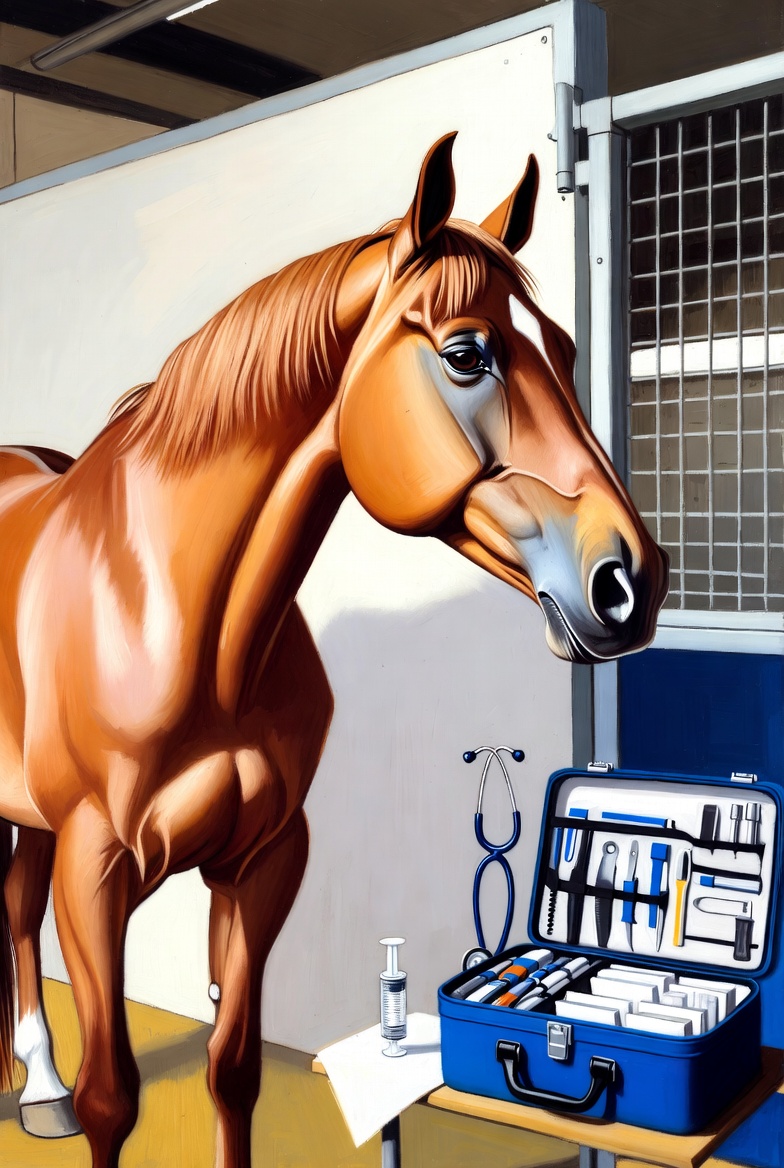
Equine veterinary work brings the clinic to the horse
Equine veterinarians often perform professional services in barns, paddocks, breeding farms, training facilities, racetracks, show grounds, boarding facilities, private farms, and client-controlled spaces. The veterinarian may not control the footing, fencing, lighting, gates, stalls, handlers, trailers, other animals, or people present during the visit.
That changes the coverage review. A horse-related claim can involve professional veterinary judgment, animal handling, client property damage, employee injury, auto exposure, mobile equipment, medication handling, animal custody, or a dispute over the horse’s condition, use, performance, value, or outcome after treatment.
Equine exposures to identify early
- Farm calls, barn calls, racetrack visits, show-ground visits, and stable visits
- Species treated and whether the practice is equine-only or mixed animal
- Services involving lameness, dentistry, reproduction, imaging, sedation, emergency care, or wellness
- Vehicle use, employee driving, mobile equipment, portable diagnostics, and medication transport
- Horse restraint, owner assistance, handler involvement, loading, transport, and injury potential
- Animal bailee concerns if horses are transported, held, boarded, or placed in the practice’s custody
- Prior malpractice allegations, horse injury claims, auto claims, bite/kick injuries, or property damage claims
Choose the equine work setting. See what coverage questions follow.
Equine veterinary insurance changes by location, service type, vehicle use, animal handling, and who controls the property. Click a field-call setting below.
Barn and stable calls can involve unfamiliar footing, stalls, gates, handlers, client property, other animals, and limited control over the treatment environment. The review should address professional services, general liability, workers’ compensation, vehicle use, and mobile equipment.
The insurance review should follow the equine veterinarian into the field
Equine veterinarian insurance should not be reduced to one generic professional liability quote. The account may involve professional services, large-animal handling, farm-call travel, client property, employee injury, mobile diagnostic equipment, animal custody, records, payment systems, and high-stakes owner disputes.
Veterinary Professional Liability
Reviews allegations involving diagnosis, treatment, lameness evaluation, sedation, medication, reproductive work, dentistry, emergency services, imaging, professional advice, and medical judgment.
Professional liability pageGeneral Liability
Reviews certain non-professional bodily injury or property damage allegations involving barns, stables, client property, vendors, visitors, and field-call environments.
GL & property pageCommercial Auto / Hired & Non-Owned Auto
Vehicle use matters when the veterinarian or employees drive to farms, barns, racetracks, events, or boarding facilities while carrying equipment, supplies, records, and medications.
Commercial auto informationMobile Equipment & Inland Marine
Portable diagnostic tools, dental equipment, imaging equipment, laptops, tablets, medical supplies, medication inventory, and other property may need a coverage review that follows the equipment away from a fixed location.
Review mobile equipmentAnimal Bailee / Care, Custody & Control
Animal bailee should be reviewed if horses are transported, temporarily held, boarded, transferred, or otherwise placed in the practice’s care, custody, or control.
Animal bailee pageWorkers’ Compensation
Equine veterinary employees can face kicks, bites, crushing injuries, lifting injuries, needle sticks, restraint injuries, vehicle-related work, and field-call hazards.
Review employee exposureEquine veterinary operations where details matter
Information to prepare before an equine veterinarian insurance review
- Services performed, including wellness, lameness, reproduction, dentistry, emergency, or specialty work
- Service territory, farm-call radius, and locations where services are performed
- Vehicle ownership, employee driving, personal vehicle use, and mobile unit details
- Portable equipment, diagnostic tools, medication inventory, refrigeration, and property values
- Whether horses are transported, held, boarded, transferred, or placed in the practice’s custody
- Use of assistants, technicians, contractors, relief veterinarians, or employees
- Horse handling, restraint, sedation, owner assistance, and field-call procedures
- Current policies, loss runs, prior claims, declinations, non-renewals, or coverage restrictions
A horse vet account should not be described like a small-animal clinic
Equine veterinary accounts can become weak when the submission does not explain the field operation. Underwriters need to understand where the veterinarian works, what services are performed, how horses are handled, whether employees travel, what vehicles are used, what equipment moves with the practice, and whether any custody or transport exposure exists.
Kelly Insurance Group helps separate professional liability, general liability, animal bailee, auto, equipment, employee injury, and property concerns before approaching markets. That matters when the practice has prior claims, high-value horse disputes, mobile diagnostic equipment, employee drivers, or unusual equine services.
Where insurance questions show up during an equine veterinary visit
Auto, hired/non-owned auto, mobile equipment, medication transport, and employee driving questions begin before arrival.
Restraint, sedation, handler involvement, footing, gates, stalls, and owner-controlled premises can influence liability.
Professional liability may involve diagnosis, treatment, imaging, lameness work, reproduction, medication, or advice.
Documentation, follow-up instructions, billing, prescriptions, digital records, and owner communication still matter after the visit.
Keep the veterinary coverage path specific
Equine veterinarian insurance belongs inside the veterinary insurance cluster, but horse-related field work, large-animal handling, and farm-call exposure deserve their own coverage conversation.
Equine Veterinarian Insurance Questions
What insurance should an equine veterinarian review?
An equine veterinarian should review veterinary professional liability, general liability, commercial auto or hired and non-owned auto, mobile equipment coverage, workers’ compensation, cyber liability, animal bailee where applicable, and umbrella or excess liability depending on the actual operation.
Is equine veterinarian insurance different from small-animal clinic insurance?
Yes. Equine veterinarians often work away from a fixed clinic, on farms, in barns, at stables, at racetracks, or on client-controlled property. Horse handling, large-animal injury potential, travel, mobile equipment, and farm-call services create different underwriting questions.
Why does vehicle use matter for an equine veterinarian?
Vehicle use matters because equine veterinarians often travel to client locations with equipment, supplies, medications, records, and sometimes employees or assistants. Commercial auto, hired and non-owned auto, and equipment coverage should be reviewed before assuming a personal auto policy is enough.
When does animal bailee matter for an equine veterinarian?
Animal bailee coverage should be reviewed when horses are in the practice’s care, custody, or control. This may include transport, temporary holding, boarding, transfer, or any situation where the practice assumes custody beyond ordinary treatment at the owner’s location.
Can Kelly Insurance Group help with a hard-to-place equine veterinary account?
Yes. Equine veterinary practices with prior claims, non-renewals, declinations, restricted coverage, high-value horse disputes, unusual services, or mobile equipment concerns should be presented with a clear explanation, loss runs, current procedures, and corrective actions.
Send the equine practice details before the account gets treated like a basic clinic.
Tell us what equine services you perform, where you perform them, what vehicles and equipment are used, whether employees travel with you, whether horses are transported or held, and whether there are prior claims or current carrier restrictions.