Emergency & 24-Hour Veterinary Hospital Insurance
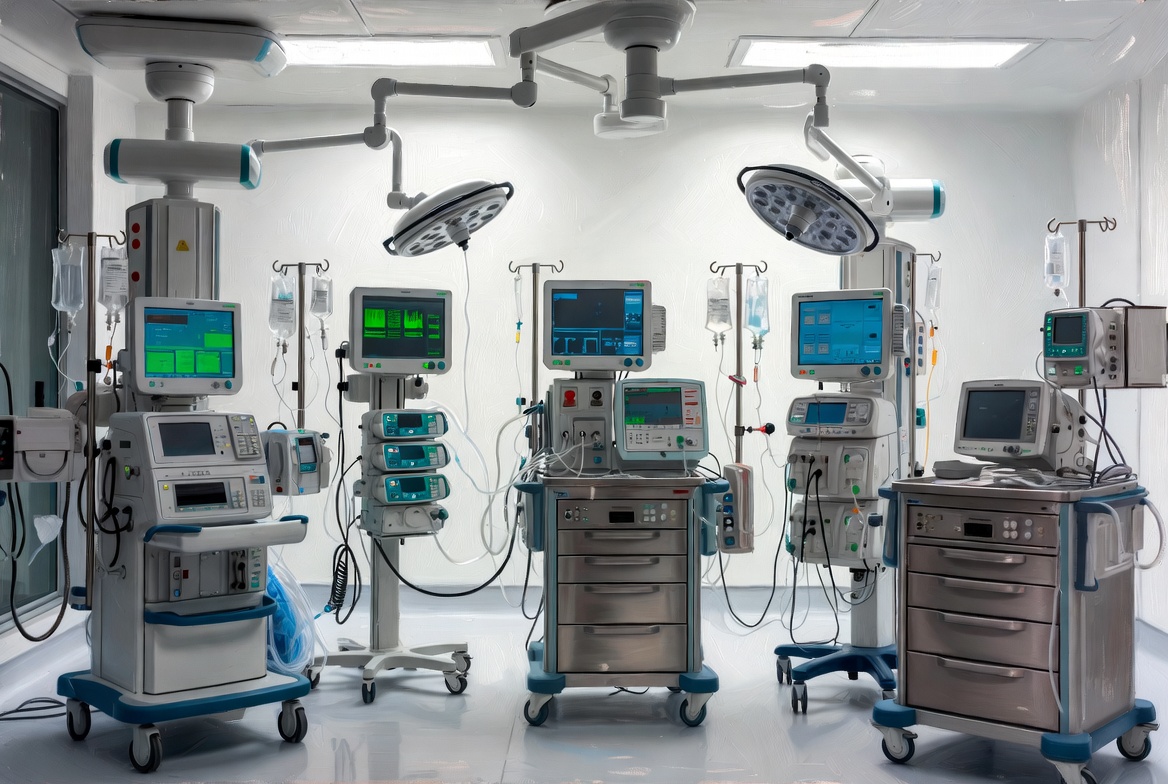
Emergency veterinary hospitals carry a sharper risk profile than a daytime clinic. The practice may handle urgent triage, overnight hospitalization, ICU-style monitoring, emergency surgery, anesthesia, critical medication, client distress, referral transfers, high-value equipment, and animals that arrive unstable before treatment even begins. Kelly Insurance Group helps emergency and 24-hour veterinary hospitals organize the coverage conversation before an underwriter fills in the blanks.
Emergency veterinary hospitals are not just open longer
A 24-hour veterinary hospital does not simply add more operating hours. It changes the type of work being performed, the condition of animals entering the facility, the way staff makes decisions, and the way animals are monitored after treatment. A claim may involve the initial triage decision, the treatment plan, communication with the owner, overnight supervision, medication, transfer instructions, or recovery handling.
That is why emergency veterinary hospital insurance should be reviewed across professional liability, animal bailee, general liability, property, workers’ compensation, cyber, commercial auto, employment practices liability, and umbrella or excess liability. The account needs to describe the actual emergency operation instead of relying on a generic veterinary clinic description.
Emergency hospital exposures to identify early
- 24-hour staffing model and overnight supervision
- Triage, stabilization, urgent treatment, and transfer procedures
- Surgery, anesthesia, sedation, and recovery handling
- ICU-style monitoring, isolation, and hospitalized animal care
- Client communication during urgent or emotionally charged situations
- Specialized equipment, oxygen systems, diagnostics, and medication inventory
- Animal bailee exposure for animals kept overnight or recovering after treatment
- Prior malpractice, animal injury, escape, bite, or custody-related claims
Choose the emergency shift pressure point
Emergency veterinary claims often turn on timing, documentation, custody, monitoring, and decision-making. Click a pressure point below to see the coverage conversation it usually creates.
Emergency hospitals should be ready to explain how animals are triaged, stabilized, documented, transferred, admitted, or discharged. Professional liability concerns can develop quickly when a client alleges the condition was not recognized, the animal was not prioritized, or the treatment plan was delayed.
Coverage areas that deserve separate attention
A 24-hour veterinary hospital may need a package of policies, endorsements, and coverage reviews. The important point is not whether a proposal uses familiar insurance words. The important point is whether the practice’s actual emergency operation is addressed.
Veterinary Professional Liability
Emergency treatment creates professional decision-making exposure involving triage, diagnosis, stabilization, surgery, anesthesia, medication, monitoring, discharge instructions, and referral decisions.
Professional liability detailsAnimal Bailee / Care, Custody & Control
Overnight hospitalization, critical care, recovery, isolation, and temporary holding can create animal custody questions that should not be ignored in the coverage review.
Animal bailee coverageGeneral Liability
Emergency hospitals have clients, vendors, delivery drivers, and visitors entering the facility at unusual hours, sometimes under stressful circumstances and with animals that may be injured, scared, or reactive.
GL & property coverageProperty, Equipment & Business Income
Emergency practices may depend on diagnostic equipment, surgical equipment, oxygen systems, refrigerators, medications, computers, practice management systems, and backup procedures to keep operating.
Review hospital property coverageWorkers’ Compensation
Emergency veterinary employees may face bites, scratches, restraint injuries, lifting injuries, needle sticks, fatigue-related hazards, cleaning exposures, and night-shift workplace injury concerns.
Discuss employee exposureCyber, Records & Payment Systems
24-hour hospitals depend on accessible records, scheduling, payment systems, email, phones, referral communication, and digital files. Cyber coverage should be reviewed as part of operational continuity.
Review cyber exposureEmergency veterinary practices with sharper underwriting questions
Details that can make the submission stronger
- Hours of operation and whether the hospital is staffed overnight
- Number of veterinarians, technicians, assistants, and overnight personnel
- Emergency services performed and any excluded procedures
- Surgery, anesthesia, sedation, oxygen, diagnostics, and recovery protocols
- How animals are monitored, separated, transferred, discharged, and documented
- Whether animals are boarded, hospitalized, isolated, or kept after treatment
- Equipment values, medication inventory, refrigeration, and business income concerns
- Prior claims, complaints, declinations, non-renewals, or restricted coverage terms
The account needs to explain the night shift, not just the daytime operation
A 24-hour veterinary hospital can look straightforward on a basic application but become complicated once the actual workflow is reviewed. The account may involve overnight staffing, critical care monitoring, emergency decisions, high-stress client communication, specialty equipment, employee safety issues, and animal custody questions that continue long after a routine clinic would be closed.
Kelly Insurance Group helps organize those details so carriers can see the real operation. That can matter when the practice has prior claims, urgent surgical exposure, animals kept overnight, emergency walk-ins, specialty referrals, or coverage restrictions from a prior policy.
Where the insurance questions show up during an emergency case
Professional liability questions can begin with intake, prioritization, owner communication, and initial documentation.
Diagnosis, stabilization, surgery, medication, anesthesia, and referral decisions need to be part of the coverage review.
Animal bailee and custody questions can arise when the animal is held, monitored, isolated, transferred, or recovering.
Instructions, timing, records, transfer notes, and follow-up communication may become important after a bad outcome.
Keep the animal insurance cluster clean
Emergency veterinary insurance belongs inside the broader veterinary hospital coverage conversation, but the underwriting details are specific enough to deserve their own page.
Emergency & 24-Hour Veterinary Hospital Insurance Questions
Why does an emergency veterinary hospital need a different insurance review?
Emergency and 24-hour veterinary hospitals often involve urgent care, overnight hospitalization, critical monitoring, surgery, anesthesia, transfer decisions, and higher-stress client communication. Those operational details can change the professional liability, animal bailee, property, workers’ compensation, and umbrella coverage conversation.
Does emergency veterinary insurance include malpractice coverage?
Veterinary malpractice is usually discussed as veterinary professional liability. Emergency practices should review professional liability for allegations involving diagnosis, triage, treatment, surgery, anesthesia, medication, monitoring, discharge instructions, and referral decisions.
Why is animal bailee coverage important for a 24-hour veterinary hospital?
Animal bailee coverage is important when animals are in the care, custody, or control of the hospital. Emergency hospitals may keep animals overnight, monitor critical patients, hold animals during recovery, or transfer animals after stabilization, all of which can create animal custody questions.
What information helps when quoting emergency veterinary hospital insurance?
Useful information includes hours of operation, staffing, emergency services performed, surgery and anesthesia details, overnight care procedures, animal handling protocols, equipment values, prior claims, current policy forms, and any carrier restrictions or declinations.
Can Kelly Insurance Group help if an emergency veterinary practice has prior claims?
Yes. Prior claims should be explained clearly with loss runs, claim status, what happened, what changed afterward, and how the practice currently manages the exposure. A clean explanation is usually stronger than letting an underwriter guess from limited information.
Send the emergency hospital details before the account gets boxed into the wrong category.
Tell us about your hours, staffing, services, surgery or anesthesia exposure, overnight care, species treated, animal custody procedures, equipment, current carrier, and any prior claims or coverage restrictions.