Energy & Utility Infrastructure Contractor Insurance
Energy and utility-scale infrastructure contractors operate in one of the most contract-heavy, hazard-sensitive, and capital-intensive insurance environments in the commercial marketplace. These accounts may involve solar farms, wind energy projects, electrical substations, transmission lines, power generation facilities, battery storage systems, natural gas midstream work, outage projects, environmental exposure, heavy equipment, fleet operations, subcontractors, and project-specific insurance requirements. Kelly Insurance Group helps complex energy and utility contractors explain the operation clearly and pursue insurance programs built around real project exposure.
Insurance for Energy Contractors, Renewable Infrastructure Firms, and Utility-Scale Project Operators
Energy infrastructure contractors do not fit inside a simple contractor insurance box. A company working on utility-scale solar may have heavy equipment, electrical installation, grading, trenching, subcontractor management, professional oversight, inland marine exposure, project deadlines, builder’s risk concerns, and contractual insurance requirements from the project owner. A transmission contractor may have vehicle fleets, bucket trucks, energized or de-energized work, rigging, right-of-way access, environmental exposure, workers compensation severity, and excess liability requirements.
These accounts are often judged by the contract before they are judged by the business description. Project owners, EPC firms, utilities, developers, lenders, and prime contractors may require specific limits, additional insured status, waiver of subrogation, primary and non-contributory wording, completed operations protection, pollution liability, professional liability, auto liability, workers compensation, equipment coverage, and umbrella or excess liability.
Kelly Insurance Group focuses on difficult commercial insurance placements where the underwriting story matters. Energy and utility infrastructure accounts usually need a submission that explains the scope of work, project type, safety controls, subcontractor structure, equipment schedule, contract requirements, and severity profile before markets can respond intelligently.
Energy Infrastructure Insurance Is Usually Driven By
- Utility, developer, EPC, or project owner contract requirements
- Electrical, civil, mechanical, environmental, and construction exposure
- Heavy equipment, mobile machinery, cranes, bucket trucks, and fleet operations
- Workers compensation severity from field work and high-hazard operations
- Subcontractor management and contractual risk transfer
- Pollution, fuel, spill, excavation, soil, water, and environmental exposure
- Builder’s risk, installation floater, equipment breakdown, and delay-sensitive project exposure
- Commercial auto, hired/non-owned auto, and transportation risk
- Umbrella and excess liability required by contract
- Project-specific insurance, OCIP, CCIP, or owner-controlled risk structures
The Energy & Utility Risk Landscape Is Built Around Project Severity
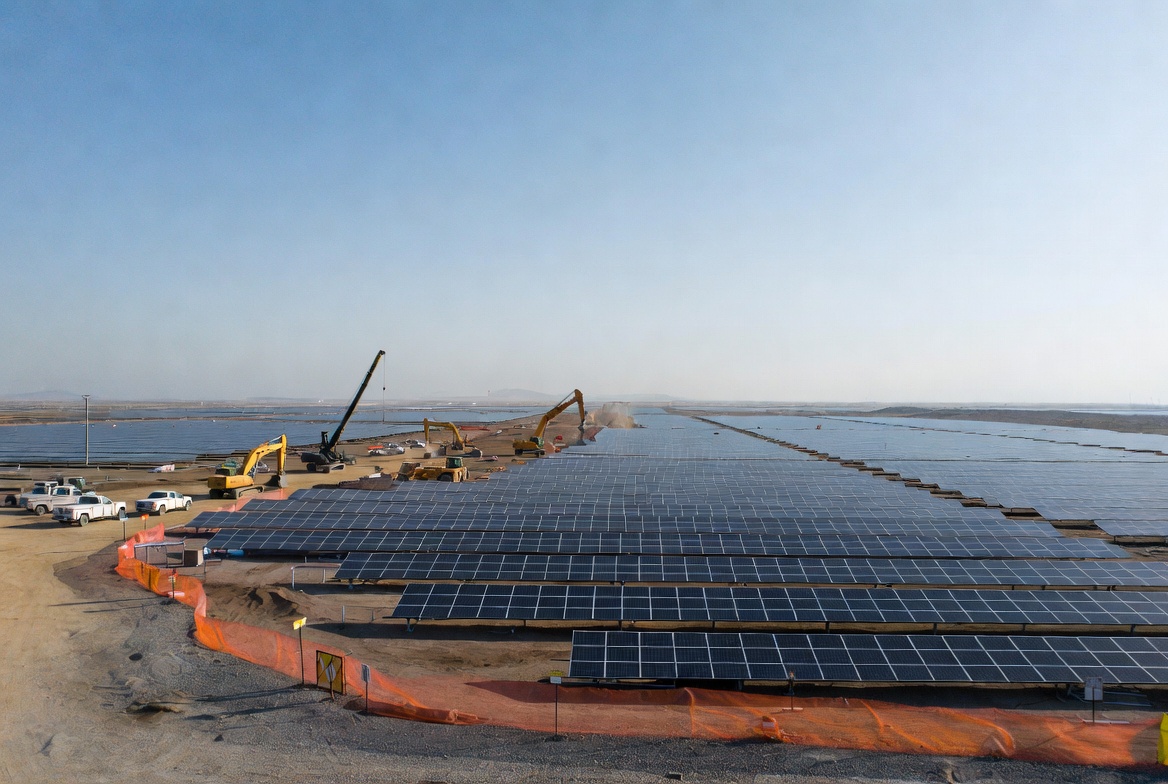
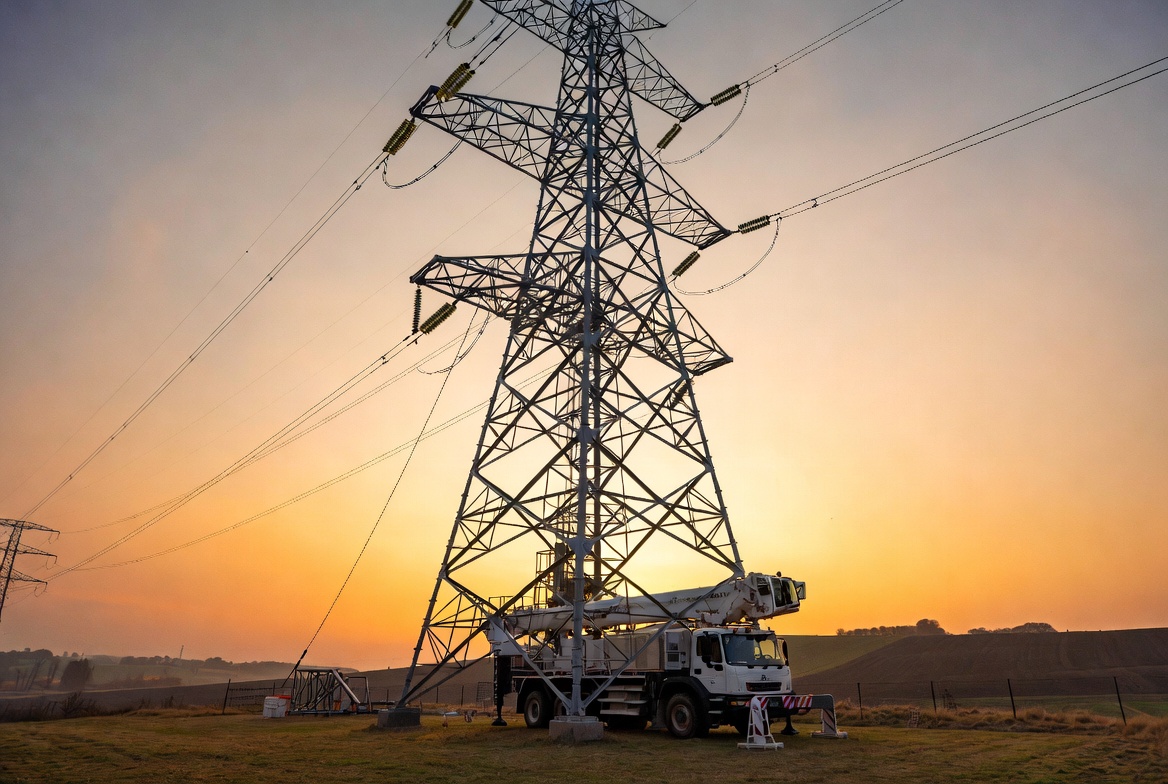
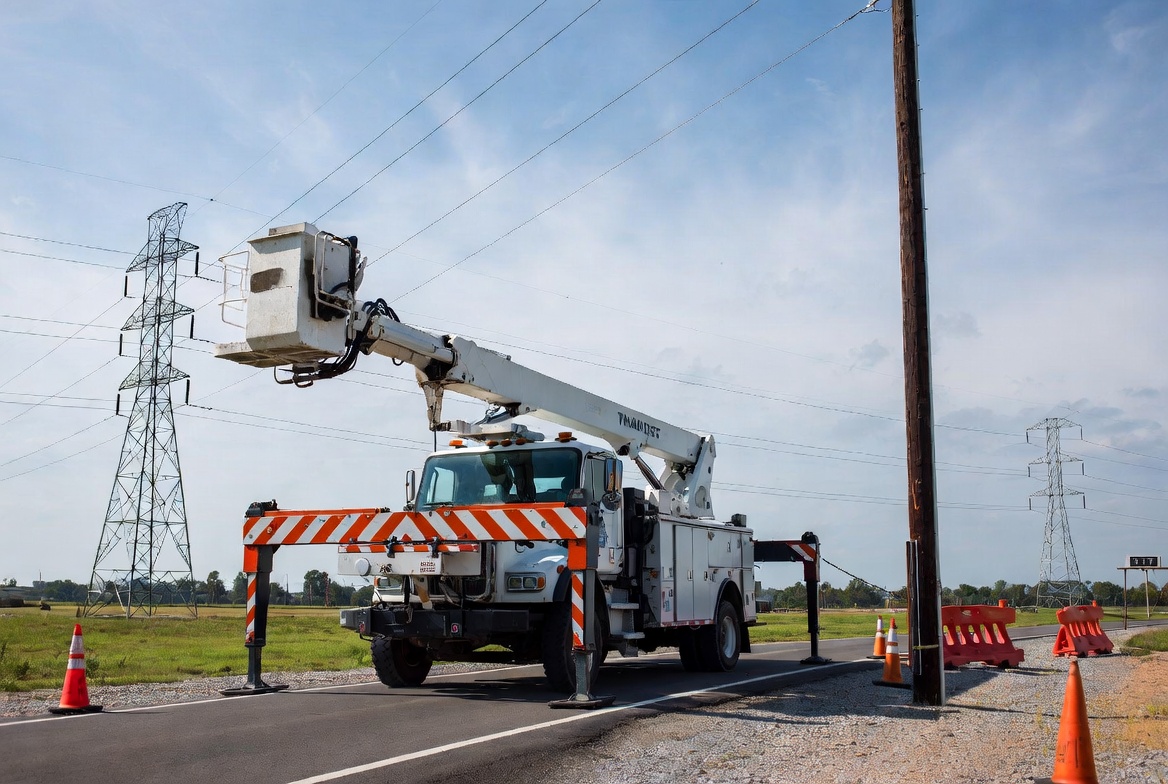
The visual risk environment for this page is utility-scale construction, transmission infrastructure, and power-line field operations. These images are used once only. The supporting blocks below remain text-focused so they do not imply the wrong operation for every energy contractor type.
Who This Page Is Built For
This hub is built for contractors and infrastructure firms working around energy production, electrical delivery, utility-scale renewable assets, power generation facilities, and high-value infrastructure projects where standard contractor insurance may not be enough.
Energy & Utility Infrastructure Insurance Specialization Blocks
These supporting pages are intentionally shown only as blocks for now. The future slugs are plain text, not links, so this hub will not create dead internal links before the supporting pages are built.
Utility-Scale Solar Contractor Insurance
Utility-scale solar contractors operate in a different risk category than small residential solar installers. Large solar projects may involve civil work, grading, trenching, racking systems, electrical installation, panel handling, inverter equipment, battery storage adjacency, subcontractors, project deadlines, property of others, and owner or EPC contract requirements.
Insurance placement depends on the contractor’s role. A contractor performing only electrical work is not the same as a full EPC contractor managing design, procurement, construction, subcontractors, and project delivery. Underwriters need to know whether the company performs design, installation, testing, commissioning, maintenance, vegetation management, trenching, or equipment transportation.
Why Solar Project Insurance Gets Complicated
Solar construction accounts can involve general liability, workers compensation, commercial auto, inland marine, installation floater, builder’s risk, professional liability, pollution liability, and umbrella or excess liability. A project delay, damaged equipment shipment, installation defect, electrical issue, subcontractor injury, or contract dispute can create a complicated insurance picture.
Key Review Points
- EPC role versus trade contractor role
- Electrical, civil, trenching, grading, and racking exposure
- Project owner insurance requirements
- Equipment in transit, stored materials, and installation floater needs
- Subcontractor controls and contract language
- Completed operations and warranty-related exposure
Wind Energy Contractor Insurance
Wind energy contractors may work on turbine installation, maintenance, inspection, electrical systems, blade repair, tower work, access roads, crane coordination, component transport, or balance-of-plant construction. These projects often combine height exposure, heavy equipment, remote locations, specialized tools, transportation, and strict owner requirements.
Underwriters need to know whether the contractor is performing tower work, blade work, electrical work, crane-supported operations, inspection-only services, maintenance, or civil construction. The height, equipment, subcontractors, and scope of responsibility can dramatically change the insurance answer.
Wind Projects Create Severity Exposure
Wind energy contractors may need general liability, workers compensation, auto liability, inland marine, contractors equipment, professional liability, pollution liability, and umbrella or excess liability. If cranes, rigging, specialized transport, or high-angle work are involved, the underwriting process becomes more detailed.
Underwriting Questions
- Does the contractor work at height or inside turbines?
- Are cranes, rigging, or specialized lifts involved?
- Is work performed during construction, maintenance, or repair?
- Are subcontractors used?
- Are components transported or stored?
- Does the contract require elevated umbrella or excess limits?
Power Generation Contractor Insurance
Power generation contractors may work around power plants, generation equipment, turbines, generators, boilers, controls, cooling systems, electrical systems, mechanical maintenance, outage projects, and facility upgrades. These accounts can create property damage severity, business interruption sensitivity, safety requirements, and contract-driven insurance demands.
The key issue is whether the contractor’s work could affect operating equipment, plant uptime, electrical delivery, or facility safety. A contractor cleaning, inspecting, repairing, modifying, or installing equipment inside a generation facility may require a more careful insurance structure than a standard trade contractor.
Plant Work Requires a Better Submission
Power generation work may require general liability, professional liability, pollution liability, contractor’s equipment, auto, workers compensation, builder’s risk or installation floater, and excess liability. The submission should describe whether work is performed during outages, shutdowns, active operations, new construction, maintenance, or emergency repair.
Information Needed
- Type of generation facility
- Work performed on active versus shut-down systems
- Mechanical, electrical, controls, or maintenance scope
- Contract requirements and required limits
- Equipment values and mobile tools
- Safety procedures and employee training
Electrical Substation Contractor Insurance
Electrical substation contractors may perform construction, maintenance, testing, controls work, equipment replacement, civil work, fencing, grounding, transformer installation, switchgear work, or site upgrades. Substations are high-value, high-severity environments where a mistake can create property damage, outage issues, contractual claims, injury exposure, and project delay.
Insurance carriers will want to understand whether work is performed on energized systems, de-energized systems, new construction, maintenance, testing, or site support. The difference matters. Substation work can involve severe electrical hazards and substantial property values.
Substation Work Is Not Ordinary Electrical Contracting
Substation contractors may need general liability, workers compensation, commercial auto, inland marine, equipment coverage, professional liability, pollution liability, and umbrella or excess liability. Work around transformers, switchgear, oil-filled equipment, grounding systems, and transmission infrastructure can add complexity.
Key Exposures
- Transformer and switchgear work
- Testing, commissioning, and maintenance
- Oil-filled equipment and pollution exposure
- High-voltage site safety
- Utility or project owner contract requirements
- Equipment, tools, cranes, and mobile machinery
Transmission Line Contractor Insurance
Transmission line contractors may work on towers, poles, conductors, right-of-way access, maintenance, storm response, vegetation-adjacent work, grounding, inspection, emergency repairs, and large-scale utility projects. These accounts often have serious auto, workers compensation, equipment, contractual, and excess liability considerations.
The underwriting process should distinguish between inspection, maintenance, construction, emergency repair, energized work, de-energized work, subcontracted work, and right-of-way services. Bucket trucks, digger derricks, cranes, trailers, tools, and mobile equipment schedules are often central to the account.
Transmission Work Brings Fleet and Field Severity
Transmission contractors often need a coordinated program involving general liability, workers compensation, auto liability, physical damage, hired and non-owned auto, contractor’s equipment, inland marine, umbrella liability, and sometimes pollution liability. Vehicle and driver underwriting can be just as important as the contracting class.
Important Details
- Bucket trucks, service trucks, and specialized vehicles
- Owned, rented, leased, or borrowed equipment
- Right-of-way access and site conditions
- Emergency response or storm restoration work
- Employee training and safety procedures
- Utility contract insurance requirements
Natural Gas Midstream Contractor Insurance
Natural gas midstream contractors may work around gathering systems, compressor stations, metering stations, processing facilities, pipeline infrastructure, maintenance projects, excavation, mechanical systems, controls, environmental exposure, and facility support. These operations can be difficult to place because they combine energy, environmental, equipment, auto, and contractual liability exposures.
Insurance review should identify whether the contractor performs excavation, welding, mechanical repair, controls work, inspection, maintenance, construction, pipeline support, transportation, or facility services. The account may require pollution liability, contractor’s equipment, auto, general liability, excess liability, and strict subcontractor controls.
Midstream Work Often Creates Environmental Questions
Contractors working around natural gas infrastructure may face spill, release, excavation, underground utility, equipment, vehicle, and jobsite hazards. The insurance submission should clearly explain whether the contractor touches pipelines, valves, compressors, tanks, controls, or only performs support work around the facility.
Coverage Areas to Review
- Contractor pollution liability
- General liability and completed operations
- Commercial auto and fleet exposure
- Workers compensation and high-hazard payroll
- Contractors equipment and inland marine
- Umbrella and excess liability requirements
Battery Energy Storage Facility Insurance
Battery energy storage facilities and related contractors can create property, fire, equipment breakdown, installation, environmental, cyber, products, and contractual risk concerns. Contractors may be involved in installation, commissioning, electrical work, controls integration, maintenance, site work, fire suppression coordination, or balance-of-plant work.
The insurance marketplace may look closely at battery chemistry, fire protection, site design, emergency response planning, equipment values, electrical systems, warranties, and responsibility for installation or operation. A contractor installing or maintaining battery systems may have a different risk profile than the facility owner.
BESS Insurance Requires Precise Role Definition
A battery storage contractor may need general liability, professional liability, cyber liability, inland marine, installation floater, property, equipment coverage, pollution liability, and excess liability review. The submission should clearly separate design, installation, commissioning, maintenance, monitoring, ownership, and operation.
Underwriting Questions
- Does the insured own, operate, install, maintain, or monitor the facility?
- Is fire suppression or thermal management involved?
- Does the contractor design or only follow specifications?
- Are controls, software, or remote monitoring services provided?
- What equipment values are involved?
- What contract requirements apply?
Power Plant Shutdown & Turnaround Insurance
Power plant shutdown and turnaround contractors often work under compressed schedules, high supervision, strict safety protocols, and substantial contractual pressure. A shutdown project may involve mechanical work, electrical work, scaffolding, crane activity, specialty trades, equipment replacement, cleaning, testing, inspection, controls work, or emergency repairs.
These projects can be difficult because the facility may lose money if the project delays restart. Contractors may face contract requirements, liquidated damages language, safety protocols, employee injury exposure, property damage severity, and coordination with multiple trades working in the same facility.
Turnaround Work Is Time-Sensitive and High-Stakes
Insurance review should focus on the exact scope of work, duration, contract requirements, equipment involved, subcontractors, safety record, prior similar jobs, and whether the contractor has professional, design, testing, or commissioning responsibility.
Important Review Areas
- Shutdown versus active plant operations
- Project duration and staffing
- Heavy equipment, cranes, rigging, and tools
- Subcontractor controls
- Contractual insurance requirements
- Umbrella or excess liability limits
Renewable Energy Environmental Liability Insurance
Renewable energy projects are not automatically “clean” from an insurance standpoint. Solar farms, wind projects, battery facilities, substations, and energy construction sites can involve soil disturbance, stormwater concerns, equipment fluids, fuel storage, battery-related issues, fire suppression systems, spill exposure, waste handling, decommissioning, and contractor pollution liability questions.
Environmental liability can matter for project owners, developers, EPC contractors, civil contractors, electrical contractors, maintenance providers, and specialty vendors. The right coverage depends on whether the business owns the site, builds the site, services the equipment, stores materials, transports waste, performs excavation, or works around pollutants.
Pollution Exposure Can Be Contractual and Operational
A contractor may need contractor pollution liability even if the core work is electrical or mechanical. Contracts may require pollution coverage because the project site, equipment, fluids, soil, runoff, or third-party property exposure creates environmental liability potential.
Environmental Review Points
- Excavation, trenching, grading, or site preparation
- Fuel, fluids, oil, battery systems, or equipment storage
- Stormwater, runoff, or soil disturbance
- Decommissioning or waste handling
- Contractor pollution liability requirements
- Project-specific environmental obligations
Coverage Structure for Energy & Utility Infrastructure Contractors
Energy infrastructure insurance is usually a coordinated program, not one policy. The structure depends on whether the business is a trade contractor, EPC contractor, maintenance provider, utility subcontractor, renewable project contractor, field service operator, or specialty vendor.
What Underwriters Need to Understand
Energy and utility infrastructure submissions need to be specific. “Energy contractor” is too broad. The better the operational detail, the better the chance of getting the right markets to evaluate the account correctly.
| Issue | Why It Matters | Helpful Information |
|---|---|---|
| Actual scope of work | Solar, wind, substation, transmission, midstream, and power plant work create different insurance answers. | Detailed description of what work is performed and what work is not performed. |
| Contract requirements | Project owners and utilities may require specific limits, coverage lines, or endorsements. | Insurance section of the contract, certificate instructions, and required limits. |
| Equipment schedule | Energy contractors often use expensive mobile equipment, tools, trucks, trailers, and rented machinery. | Owned, rented, leased, and borrowed equipment values. |
| Auto and driver exposure | Utility field work can involve substantial fleet risk. | Vehicle schedule, driver list, radius of operation, MVR standards, and driver controls. |
| Environmental exposure | Excavation, fluids, fuel, soil disturbance, and project requirements can trigger pollution concerns. | Site work, pollution controls, spill procedures, and contract requirements. |
| Subcontractors | Uncontrolled subcontractors create contract and liability gaps. | Written agreements, insurance requirements, certificate procedures, and indemnity terms. |
Project Contracts Can Control the Insurance Program
Energy and utility contractors often discover the real insurance problem inside the contract. The business may already have commercial insurance, but the project agreement may require higher limits, additional insured status, waiver of subrogation, primary and non-contributory wording, completed operations, pollution liability, professional liability, cyber liability, auto liability, inland marine, equipment coverage, or project-specific endorsements.
Some requirements are routine. Others require carrier approval. Some require a different policy. Some may be unavailable or inconsistent with the contractor’s actual operation. The certificate cannot create coverage that the policy does not provide.
The insurance requirement should be reviewed before the project deadline becomes urgent.
Send This Before Quoting
- Detailed description of operations
- Current policies and loss runs
- Contract insurance requirements
- Revenue breakdown by operation
- Payroll by employee class
- Vehicle schedule and driver list
- Equipment, tools, trailers, machinery, and rented equipment values
- Project types: solar, wind, substation, transmission, plant, midstream, BESS, maintenance
- Subcontractor controls
- Environmental or pollution exposure
- Any energized work, high-voltage work, tower work, crane work, or utility right-of-way exposure
Find Related Coverage Fast
Search by industry, coverage type, contract requirement, or hard-to-place exposure.
Related Kelly Insurance Group Specialty Programs
Energy and utility infrastructure insurance naturally overlaps with power infrastructure, HDD, utility locating, temporary power, BESS, environmental liability, equipment rental, builders risk, OCIP, and critical infrastructure contractor programs.
Energy & Utility Infrastructure Contractor Insurance FAQs
What makes energy and utility contractor insurance different from ordinary contractor insurance?
Energy and utility contractors often work around high-value infrastructure, project owner requirements, electrical systems, heavy equipment, fleet operations, environmental exposure, subcontractors, and contract-driven insurance specifications. The exposure is usually more complex than standard trade contracting.
Do utility contractors usually need umbrella or excess liability?
Many utility and energy infrastructure contractors are required by contract to carry umbrella or excess liability. The needed structure depends on the underlying policies, contract requirements, work performed, and severity profile.
Can renewable energy contractors need pollution liability?
Yes. Renewable energy projects can involve excavation, soil disturbance, runoff, fuel, equipment fluids, battery systems, waste handling, or contract-driven environmental requirements. Contractor pollution liability may be important depending on the scope of work.
Why does the equipment schedule matter so much?
Energy and utility contractors often rely on expensive mobile equipment, bucket trucks, trailers, tools, rented equipment, and installation materials. Underwriters need accurate equipment values and usage details to evaluate inland marine and equipment coverage.
Can Kelly Insurance Group review project insurance requirements?
Kelly Insurance Group can help review insurance requirements and identify what may require policy changes, underwriting approval, additional coverage, endorsements, certificate coordination, or a different placement strategy.
Have a Utility Project, Renewable Energy Contract, or Hard-to-Place Energy Infrastructure Account?
Send the details before the project insurance requirement becomes urgent. Energy and utility infrastructure contractor insurance is not about forcing a generic contractor application into the market. It is about explaining the operation clearly, separating real exposure from assumed exposure, and structuring the insurance program around the contract, project, equipment, workforce, environmental exposure, and severity profile.