
Fiber Optic & Broadband Infrastructure Contractor Insurance
Fiber contractors do not just pull cable. They work around underground utilities, public rights-of-way, traffic control, poles, conduit, vaults, carrier contracts, splicing equipment, fleet exposure, and service interruption claims.

Fiber contractor insurance has to account for what happens after the cable is cut.
The physical repair may be the easy part. The harder exposure is the outage, downstream customer impact, utility coordination, restoration work, contract requirements, and whether economic loss or service interruption is addressed by the program.
Fiber work lives in crowded corridors.
Underground broadband work often runs through right-of-way corridors already occupied by gas, electric, water, sewer, storm, and telecom infrastructure. One digging mistake can create several categories of loss.
Carrier contracts can be unforgiving.
Broadband build-outs, ISP contracts, utility work, municipal projects, and carrier master service agreements may require additional insured wording, waiver of subrogation, primary and non-contributory language, auto coverage, workers compensation, and umbrella or excess liability.
Click the network node. Watch the exposure shift.
This is a visual underwriting map for fiber and broadband contractor work. Each node represents a different operating exposure.
Built for broadband infrastructure contractors, not generic low-voltage work.
This page stays narrow so it does not cannibalize general contractor, electrician, cyber, or utility pages.
The program needs to match the build-out, not just the payroll.
A broadband contractor working with directional drills, bucket trucks, fiber reels, splicing equipment, subcontractors, traffic control, and carrier contracts should not be reduced to one generic contractor class.
Commercial General Liability
Third-party bodily injury and property damage, including job site operations and completed operations where the policy form responds.
Umbrella / Excess Liability
Often needed for ISP, carrier, municipal, utility, and infrastructure contracts requiring higher limits.
Commercial Auto
Service vans, bucket trucks, splicing trucks, pickups, trailers, reel trailers, and hired/non-owned auto exposure.
Workers Compensation
Field crews, aerial work, trenching, vault work, traffic exposure, and contractor classification review.
Inland Marine
Fusion splicers, OTDRs, locating equipment, trailers, tools, fiber reels, and mobile equipment away from the shop.
Contractor’s Pollution Liability
Relevant when digging, boring, or utility damage could involve contaminated soil, spills, sewer lines, fuel lines, or environmental cleanup.
Professional Liability / E&O
Important when the contractor performs design, route engineering, network design, project management, or consulting services.
Cyber Liability
May matter where the contractor touches active network equipment, customer data, portals, monitoring tools, or remote systems.
Equipment / Property
For owned premises, shop equipment, office systems, storage, and business personal property when applicable.
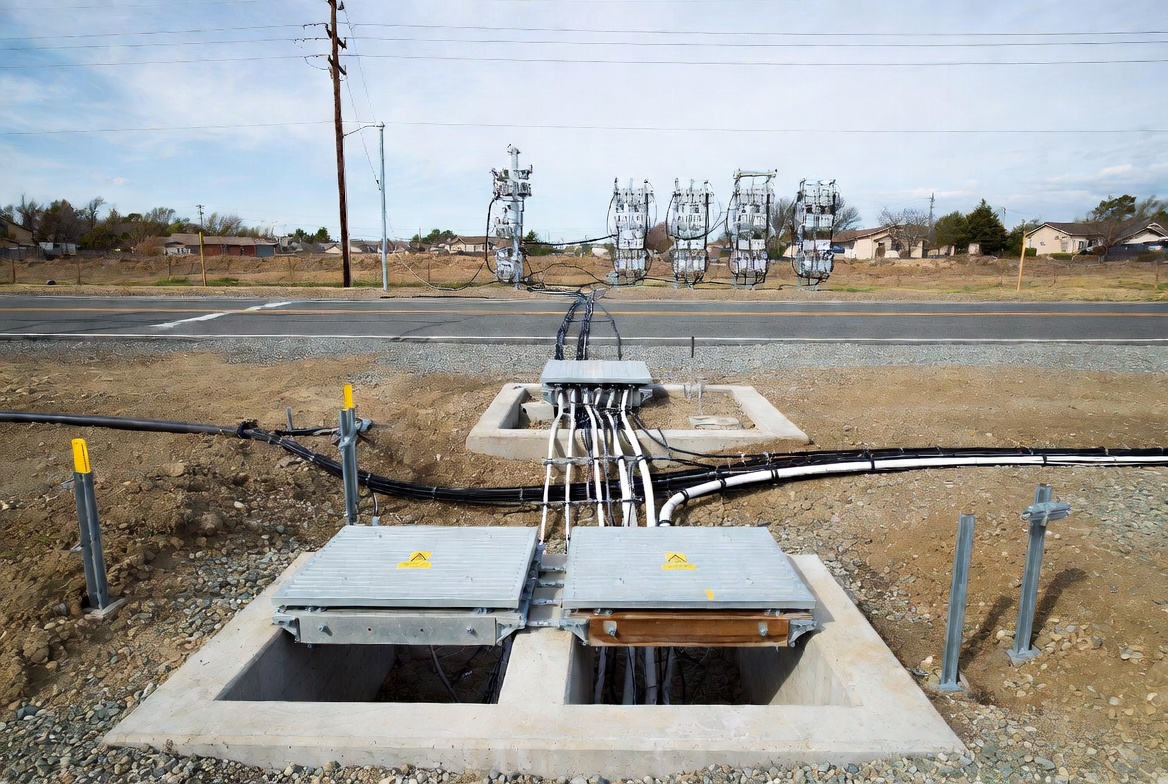
Fiber contractor claims usually start with one mistake and then spread.
These are operational situations that make the class different from ordinary contractor work.
What carriers usually need to understand before they can take the account seriously.
A weak submission says “telecom contractor.” A good submission separates the work into actual operations.
Operations to break out clearly
- Underground trenching, plowing, conduit, and direct-bury fiber work.
- Directional drilling and boring, including who performs the drill work.
- Aerial work, bucket truck work, pole attachments, strand, and lashing.
- Fusion splicing, testing, documentation, OTDR reports, and turn-up support.
- Traffic control, right-of-way work, municipal permitting, and road restoration.
- Subcontractor use, subcontractor insurance requirements, and written agreements.
Risk controls that matter
- 811 / one-call process, private locating, photos, tickets, and documentation.
- Utility damage prevention procedures and pre-bore planning.
- Traffic control plans and work zone safety procedures.
- Driver standards, vehicle maintenance, and fleet safety controls.
- Fall protection, bucket truck procedures, and energized-line proximity protocols.
- Contract review for additional insured, waiver, primary wording, and excess limit requirements.
Documentation helps underwriters understand the quality of the operation.
Compliance standards do not guarantee coverage. They help tell the underwriting story when a contractor is working in public rights-of-way, near energized utilities, in trenches, or inside vaults and manholes.
Damage prevention and locate documentation
Locate tickets, photos, tolerance zones, private locates, and dig documentation can become critical after a utility strike.
Construction safety standards
Relevant to excavation, trenching, aerial work, work zones, fall protection, and construction-site safety practices.
Aerial plant and utility coordination
Relevant where contractors perform work around joint-use poles, communications space, clearance requirements, and utility-owned infrastructure.
Manhole, vault, and underground access work
Atmospheric testing, ventilation, attendants, rescue planning, and permit-required confined space procedures may apply.
Right-of-way and roadway work
Work zones, lane closures, flagging, municipal permits, signage, and subcontracted traffic control should be explained in the submission.
Broader coverage pages that support this fiber contractor hub.
Search the KIG site for related contractor, infrastructure, environmental, umbrella, or certificate topics.
The insurance placement is only as good as the people explaining the risk.
Meet the KIG team.
Kelly Insurance Group’s team works with difficult, unusual, technical, and contractor-heavy risks.
Meet the TeamHistory with backbone.
KIG has a long agency history and a modern appetite for hard-to-place commercial risks.
Read Our HistoryClient portal access for certificates.
Once you are a customer, most KIG clients are given access to our custom client portal where they can generate certificates of insurance at any time.
Fiber optic and broadband contractor insurance questions.
What insurance does a fiber optic contractor usually need?
Fiber contractors commonly need commercial general liability, commercial auto, workers compensation, inland marine, umbrella or excess liability, and depending on the work, contractor’s pollution liability, professional liability, or cyber liability.
Why is fiber contractor insurance different from ordinary low-voltage contractor insurance?
Fiber contractors often work in public rights-of-way, near existing utilities, around roads, on poles, inside vaults, and under carrier or ISP contracts. Those exposures can involve underground utility damage, service interruption, fleet exposure, aerial work, traffic control, subcontractor issues, and strict contract requirements.
Does general liability cover a fiber cut?
General liability may respond to covered third-party property damage, but downstream service interruption, economic loss, contract penalties, and business interruption allegations require careful policy and exclusion review.
What information helps underwriters evaluate a broadband contractor?
Helpful information includes payroll by class, revenue by operation, percentage of aerial versus underground work, HDD exposure, subcontractor use, fleet details, equipment list, 811 procedures, traffic control practices, contracts, certificate requirements, loss history, and customer types.
Talk to KIG about your fiber or broadband contractor insurance program.
Send the details that matter: underground versus aerial work, directional drilling, splicing, traffic control, fleet, equipment, subcontractors, utility locating process, contract requirements, and the type of broadband projects you handle.
- Fiber optic contractors
- Broadband infrastructure contractors
- OSP construction crews
- Directional drilling contractors
- Aerial fiber crews
- Splicing contractors
- Utility locating firms
- Last-mile installers