DIGITAL ASSETS AND NFT RISK REVIEWS
Kelly Insurance Group helps high-net-worth individuals and private clients review the insurance landscape for digital assets — including cryptocurrency holdings, NFTs and digital collectibles, and digital property — addressing the specific risks that have coverage available in the evolving digital asset insurance market, the areas where coverage remains limited, and the related personal cyber coverage that addresses the most common digital asset security threats.
THE CURRENT STATE OF DIGITAL ASSET INSURANCE AND HOW TO THINK ABOUT COVERAGE FOR CRYPTO, NFTs, AND DIGITAL PROPERTY.
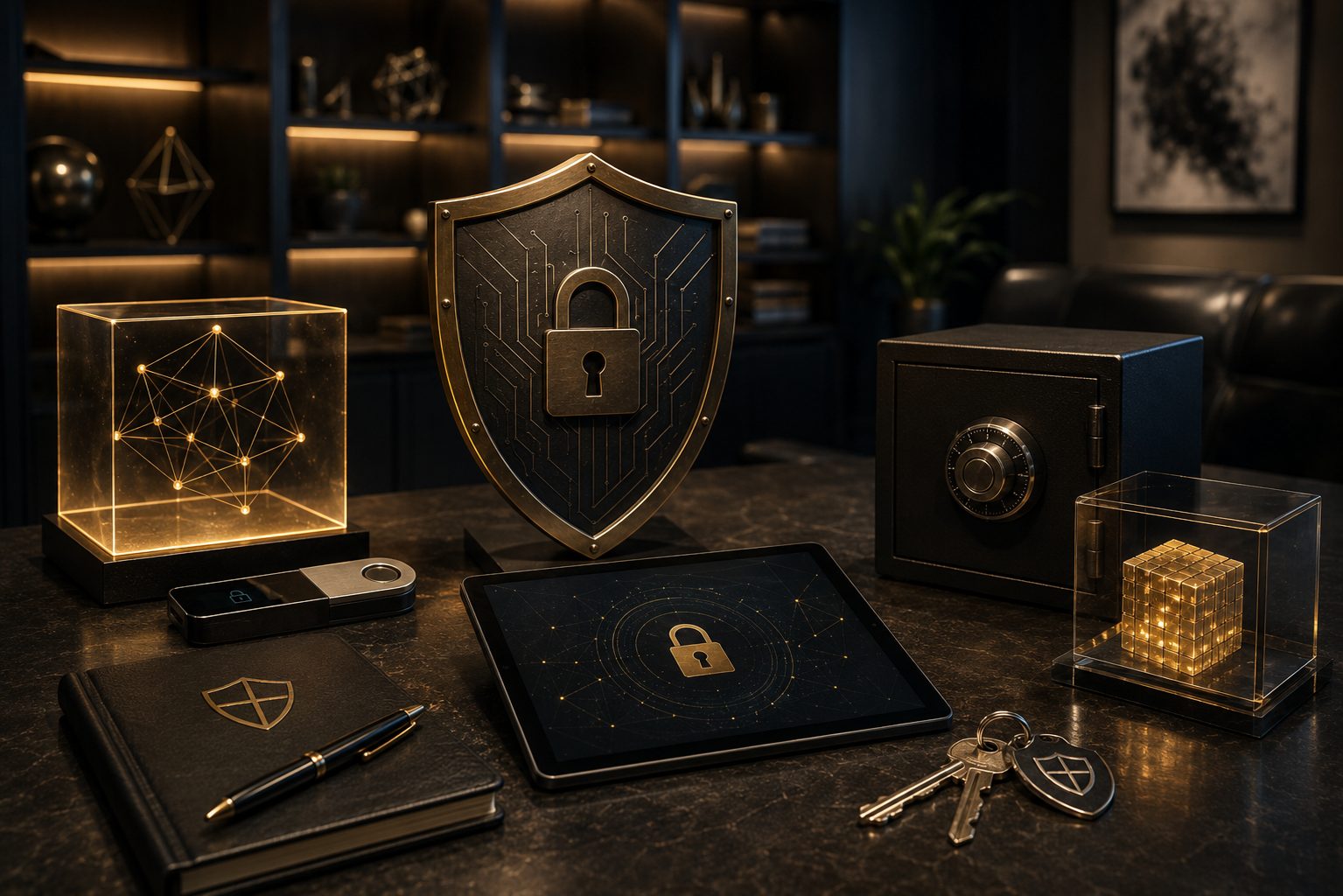
The digital asset insurance market has developed some specific coverage products — primarily for institutional holders and custodians. For individual private clients, available coverage is limited. Crypto theft from a hacked exchange account has some coverage from specialty carriers. NFT theft through wallet compromise has emerging coverage options. Private key loss — the most common form of catastrophic self-custody failure — has very limited insurance options. Specific discussion with a broker who has access to the specialty digital asset insurance market is needed to understand current availability for specific risk categories.
The most common ways that individual digital asset holders lose assets — phishing attacks that steal private keys, SIM swapping that compromises two-factor authentication, social engineering that tricks the holder into sending assets to fraudulent addresses, and account compromise at exchange platforms — are all personal cyber threat vectors. Personal cyber insurance, which covers account takeover, financial fraud, and social engineering losses, is the most immediately relevant and available coverage for individual digital asset holders.
For significant digital asset holdings in self-custody, security practices are the primary form of risk management — because insurance coverage is limited. Hardware wallets (Ledger, Trezor), secure seed phrase storage and backup, multi-signature wallet arrangements for large holdings, and cold storage protocols are the security infrastructure that reduces the probability of loss. For private clients with significant self-custody holdings, a security review is as important as an insurance review.
Digital assets held on exchanges and with institutional custodians carry different risks than self-custody holdings. Exchange hacking and platform insolvency are the primary risks. Some exchanges carry insurance for custodied assets; the coverage terms, limits, and what events are covered should be specifically reviewed for any significant exchange holding. FDIC-type protections do not apply to cryptocurrency — exchange balances are not federally insured.
Digital assets create specific tax, estate, and access planning considerations alongside the insurance question. Capital gains tax on appreciation, estate plan inclusion of digital assets (wallets, keys, and access instructions), and planning for death or incapacity of the primary key holder are all relevant. A private client review of digital assets should address the full picture — not just the insurance question — in coordination with the client's tax and estate advisors.
DIGITAL ASSET RISK MANAGEMENT ELEMENTS
PRIVATE CLIENTS WITH DIGITAL ASSET RISK MANAGEMENT NEEDS.
Any private client with significant digital asset holdings — cryptocurrency, NFTs, or digital property — benefits from a review of the current insurance landscape, the security practices that serve as primary risk management, and the personal cyber coverage that addresses the most likely loss scenarios.
- High-net-worth individuals with significant cryptocurrency holdings in self-custody or at exchanges
- NFT collectors whose digital collections represent meaningful financial value
- Private clients who have experienced prior account compromise, phishing attempts, or social engineering attacks
- Investors who hold digital assets as a meaningful portion of their overall asset portfolio
- Any private client whose estate plan has not been updated to address digital asset access and inheritance
- Digital asset holders who have never reviewed their security practices alongside their insurance program
SELECT A DIGITAL ASSET TYPE TO SEE THE CURRENT INSURANCE LANDSCAPE.
Digital asset insurance is evolving rapidly. Understanding what coverage currently exists — and where the market has not yet developed solutions — is the starting point for digital asset risk management.
Cryptocurrency held in self-custody wallets, hardware wallets, or exchange accounts represents a unique insurance challenge. Standard homeowners policies do not cover cryptocurrency theft or loss. Specialty crypto insurance products have emerged to address specific risks — but coverage is limited and the coverage structure varies significantly between providers.
- Self-custody wallets — private key theft and social engineering attacks
- Exchange account hacking — coverage available from some specialty carriers
- Hardware wallet loss or damage — coverage for the device and potential loss of access
- Crypto held by custodians — institutional custody insurance reviewed separately
- Tax and recovery implications of covered crypto losses
WHAT THE INSURANCE REVIEW COVERS.
PERSONAL CYBER INSURANCE — THE MOST RELEVANT COVERAGE
Personal cyber coverage addressing account takeover, financial fraud, social engineering, SIM swap attacks, and the specific threat vectors most likely to result in digital asset loss — available now from established personal cyber insurance carriers.
SPECIALTY DIGITAL ASSET COVERAGE REVIEW
Review of the current specialty insurance market for digital assets — including cryptocurrency custody theft, NFT theft from wallet compromise, and any emerging coverage products available through specialty carriers for specific digital asset risk categories.
SELF-CUSTODY SECURITY REVIEW
Security practice review for private clients with significant self-custody digital asset holdings — hardware wallet configuration, seed phrase storage and backup, multi-signature arrangements, cold storage protocols, and account security hygiene.
ESTATE AND ACCESS PLANNING FOR DIGITAL ASSETS
Review of digital asset access planning — ensuring that the estate plan addresses how digital assets will be accessed and transferred, that seed phrases and private keys are documented and secured for designated beneficiaries, and that the overall digital asset picture is addressed in the estate plan.
FOUR DIGITAL ASSET RISK MANAGEMENT REALITIES PRIVATE CLIENTS SHOULD UNDERSTAND.
Standard homeowners, auto, and personal umbrella policies do not cover cryptocurrency theft, loss, or fraud. The specialty digital asset insurance market exists but is limited. Personal cyber insurance is the most widely available existing coverage for the threats that most commonly cause digital asset loss.
A self-custody digital asset holder who loses their private key or seed phrase — through hardware failure, destruction, or simply forgetting — has no recovery mechanism and, in the current insurance market, no coverage. This makes seed phrase backup and secure storage the most critical risk management practice for self-custody holdings.
When a cryptocurrency exchange goes bankrupt, customer assets may be subject to bankruptcy proceedings with uncertain recovery. Exchange-provided insurance programs have significant limitations. Large exchange holdings warrant custody diversification as a risk management practice alongside any available insurance.
A high-net-worth individual who dies without documenting their digital asset holdings, wallet addresses, and access credentials may effectively leave their digital assets inaccessible to their heirs. Digital asset estate planning — who has access and how — is as important as the insurance question.
QUESTIONS THAT OFTEN COME UP.
Is cryptocurrency covered by homeowners insurance?
Standard homeowners policies do not cover cryptocurrency theft or loss. Some specialty insurers offer limited coverage for specific crypto risks — primarily theft from custodial accounts and exchange hacking — but this market is limited and not available through standard personal lines channels. Personal cyber insurance is the most accessible existing coverage for the threats that most commonly result in crypto loss.
What is the most common way people lose cryptocurrency?
The most common causes of individual cryptocurrency loss are: phishing attacks that steal private keys or wallet access credentials, SIM swap attacks that compromise two-factor authentication, social engineering that tricks holders into sending funds to fraudulent addresses, and loss of private keys or seed phrases. All of these except the last are personal cyber threat vectors that personal cyber insurance may address.
Can I insure my NFT collection?
The NFT insurance market is emerging but limited. Some specialty carriers offer coverage for NFT theft through wallet compromise. For most NFT collectors, personal cyber insurance is the most available protection against the most common causes of NFT loss — wallet compromise and phishing.
What should I do to protect a significant self-custody crypto holding?
The primary risk management tools for self-custody holdings are: a hardware wallet (Ledger, Trezor) for significant holdings rather than a software wallet, secure offline backup of the seed phrase in multiple locations, multi-signature wallet arrangements for large holdings that require multiple approvals for transactions, and strong account security hygiene including unique passwords and hardware two-factor authentication.
How should digital assets be addressed in an estate plan?
An estate plan addressing digital assets should include: a secure document listing all digital asset holdings, exchange accounts, wallet addresses, and access instructions — stored securely and accessible to the designated executor or trustee. The seed phrase should be secured separately with a trusted custodian or in a safe deposit box. The estate plan should specifically address the mechanism for accessing and transferring digital assets.
Does my personal umbrella cover digital asset theft?
Personal umbrella policies are liability policies — they cover claims made against the insured by others, not the insured's own property losses. A digital asset theft is a property loss that the umbrella policy is not designed to cover. Personal cyber insurance and specialty digital asset insurance are the appropriate coverages for digital asset loss.
READY TO START?
Tell us about your situation and a member of the team will be in touch.
UNDERSTAND THE CURRENT INSURANCE LANDSCAPE FOR DIGITAL ASSETS — AND BUILD SECURITY PRACTICES WHERE COVERAGE DOES NOT YET REACH.
Kelly Insurance Group can help private clients review personal cyber coverage for digital asset threats, the current specialty digital asset insurance market, self-custody security practices, and estate planning for digital asset holdings.
The availability of coverage and eligibility for coverage can depend on numerous factors. We cannot guarantee that all customers, individuals, and businesses looking for coverage will be successful in these efforts when contacting our team. All policy coverages and terms need to be fully reviewed by the respective consumer to ensure the coverage asked for is what is specifically being quoted or provided by any insurance policy. Insurance Policies, Coverage Changes, and their terms and conditions are not bound or altered until written confirmation is provided by one of our licensed team members or underwriters. This page does not offer legal advice, legal opinions, or policy interpretations. Rather, this page is meant as a resource to help provide customers and insurance consumers with additional considerations that may help in their insurance buying or pursuit of insurance information. Kelly Insurance Group does not employ or direct attorneys.