Bridge Painting Contractor Insurance
Insurance placement for bridge painters, steel structure coating contractors, containment crews, abrasive blasting operations, and public-project contractors that need their insurance program to match the way the work is actually performed.
 Contract Ready
START HERE: Complete the contractor intake form.
Bridge painting submissions move faster when the scope, equipment, contract requirements, certificate wording, pollution details, access method, and project deadline are all in one place. Use the intake form first so the account can be built correctly.
Bridge painting insurance has to be built around the jobsite, not just the trade name.
Bridge painting contractors may need a coordinated program that addresses general liability, workers compensation, commercial auto, contractor equipment, contractor pollution liability, umbrella or excess liability, railroad protective liability, OCP requirements, and project-specific certificate language. Kelly Insurance Group helps contractors present the operation clearly, review contract requirements, and connect the account with coverage options that fit the actual work. Coverage availability and terms vary by policy, insurer, state, and underwriting decision.
Insurance for bridge painting, steel coating, blasting, containment, and restoration work.
A bridge painting account can look simple on an application and very different when an underwriter understands the height, traffic, environmental, equipment, contractual, and public-entity exposures behind the work.
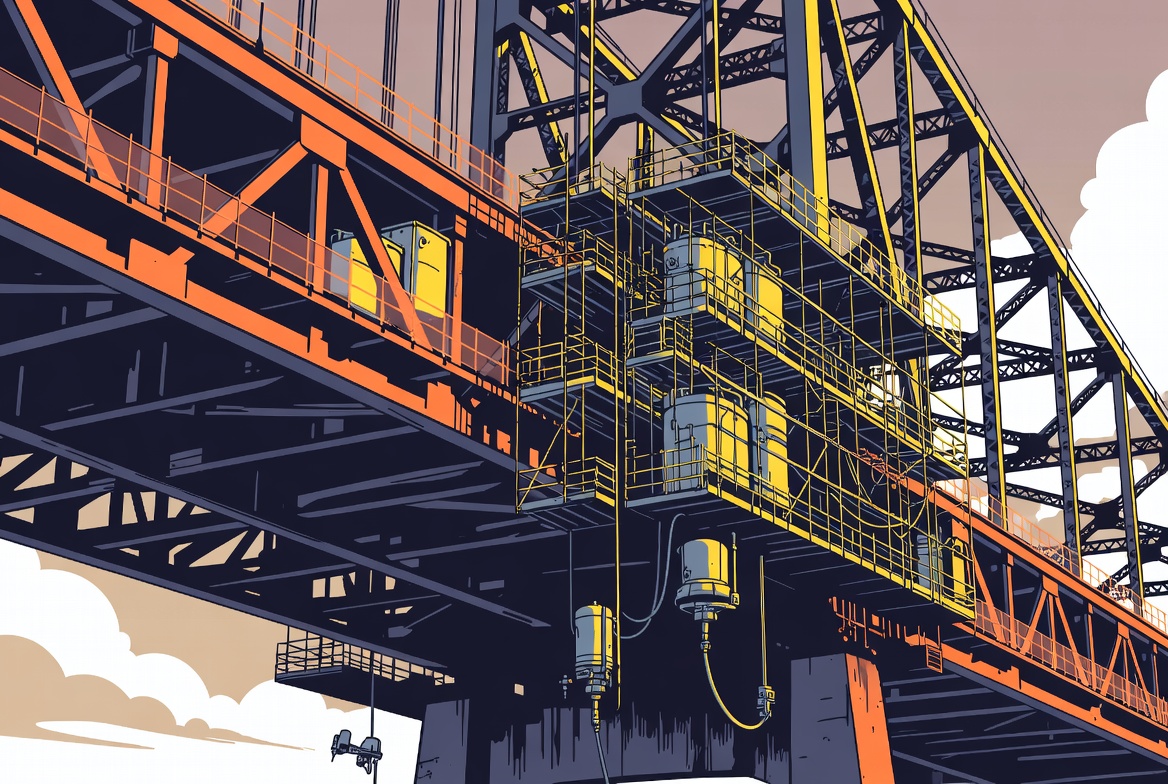
Bridge painting contractors rarely perform “just painting.” The job may involve steel surface preparation, abrasive blasting, power tool cleaning, spray application, containment systems, scaffolding, manlifts, swing stages, traffic-adjacent work, waterway exposure, rail-adjacent operations, heavy equipment staging, subcontractors, and contract language written by a public authority, general contractor, railroad, or infrastructure owner.
That combination creates a coverage placement problem. A basic contractor policy may not address every exposure created by overspray, spent blasting media, lead-containing coatings, containment failure, equipment damage, leased machinery, high-angle access, contractual indemnity, or certificate wording required before mobilization. The answer is not one magic policy. The answer is a clean underwriting story and a coordinated insurance program.
KIG starts by understanding what your crew actually does: whether you paint new steel, perform maintenance coatings, remove existing coatings, perform lead abatement, use abrasive blasting, build containment, operate lifts, work over roads or waterways, or take DOT, municipal, bridge authority, utility, rail, or general contractor work. Then we help identify which coverages, endorsements, certificates, and project-specific policies should be reviewed before the bid turns into a binding contract.
Interactive Bridge Painting Exposure Map
Tap a hotspot on the bridge graphic. Each point shows why underwriters ask for specific details before they agree to quote a bridge painting contractor.
Coverage lines bridge painting contractors should review.
Every account is different. The goal is to avoid treating a high-hazard infrastructure contractor like a standard painting contractor.
Commercial General Liability
Core third-party bodily injury and property damage coverage for operations, premises, and completed work, subject to policy terms.
- Overspray or property damage allegations
- Additional insured wording
- Completed operations requirements
Workers Compensation
Employee injury coverage must be aligned with the real work: height, lifts, scaffolding, surface preparation, containment, blasting, and travel between jobs.
- Bridge and infrastructure payroll details
- State-specific work locations
- Subcontractor certificate controls
Commercial Auto
Trucks, trailers, crew vehicles, and equipment transport can become just as important as the painting operation itself.
- Owned, hired, and non-owned auto
- Drivers and radius of operation
- Trailers and permanently attached equipment
Contractor Equipment / Inland Marine
Spray equipment, compressors, blasting tools, lifts, generators, trailers, and rented equipment need values and usage explained clearly.
- Owned tools and mobile equipment
- Rented or leased equipment
- Storage, transit, and jobsite exposure
Contractor Pollution Liability
Pollution coverage should be reviewed when the work involves containment, blasting media, lead-containing coatings, overspray, runoff, or cleanup obligations.
- Jobsite pollution conditions
- Transportation and disposal questions
- Owner or DOT contract requirements
Umbrella / Excess Liability
Public infrastructure projects often require limits above the primary general liability, auto, and employers liability policies.
- High-limit contract requirements
- Underlying policy coordination
- Additional insured and waiver language
Railroad Protective Liability
Bridge painting performed on, over, under, or near railroad property may trigger railroad-specific coverage requirements written for the railroad.
- Right-of-entry agreements
- Railroad insurance specifications
- Project-specific policy coordination
OCP / Project-Specific Coverage
Some owners or general contractors require owner’s and contractor’s protective coverage, wrap-up coordination, or project-specific policy review.
- Owner-controlled requirements
- Dedicated project certificates
- Contract deadline management
Professional / Consulting Exposure
If your company provides coating specifications, inspection, design advice, safety consulting, or written recommendations, professional liability may need review.
- Specifications and recommendations
- Inspection or consulting services
- Contractual scope outside labor
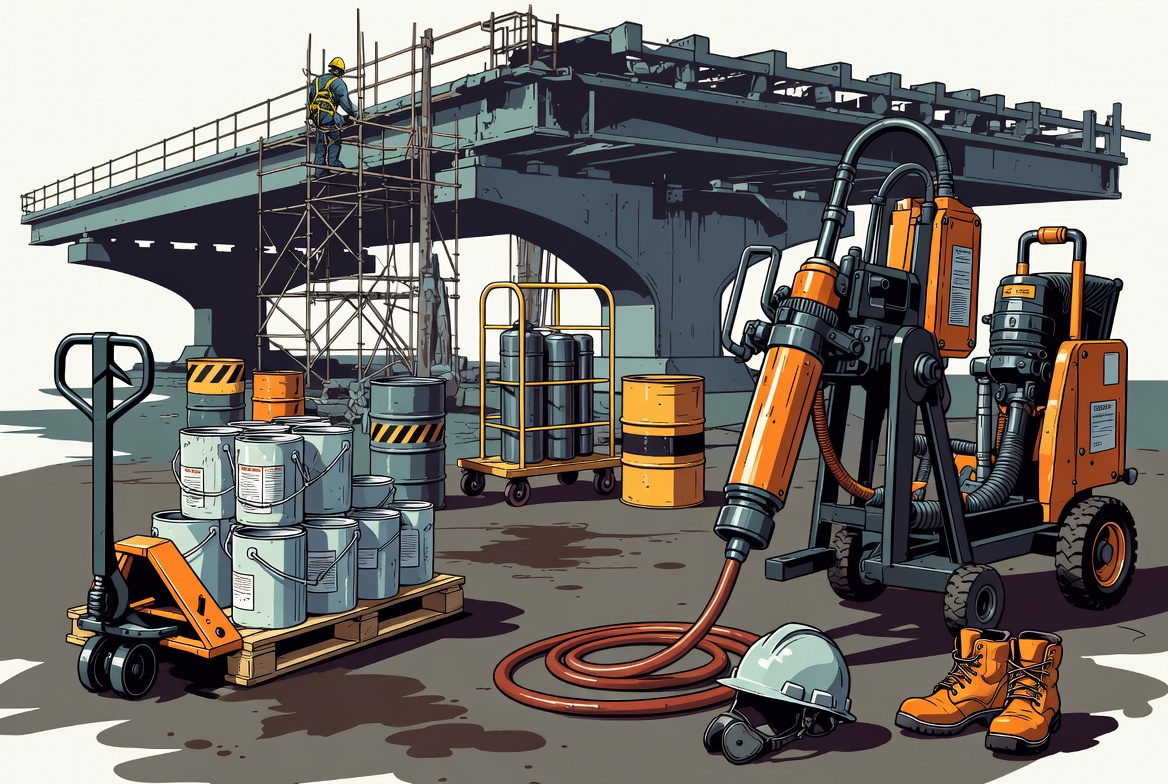
The equipment schedule tells part of the underwriting story.
Bridge painting accounts often depend on a mix of owned equipment, rented equipment, borrowed access systems, trailers, compressors, sprayers, generators, containment materials, abrasive blasting tools, lifts, and subcontracted machinery. A thin application that says “painting contractor” does not explain any of that.
A stronger submission shows what is owned, what is rented, where it is stored, how it travels, who operates it, and which equipment is exposed to road, rail, water, height, theft, weather, or contractual risk. That detail helps reduce confusion before certificates are due.
What we want to understand before approaching markets.
The fastest bridge painting submissions are clear, organized, and specific. Here is the information that helps avoid back-and-forth.
Actual Operations
Painting, coating, abrasive blasting, lead abatement, pressure washing, surface preparation, inspection, containment, and subcontracted operations.
Access Method
Scaffolding, swing stages, boom lifts, manlifts, rope access, lifts from barges, lane closures, night work, and work below the deck.
Project Owners
DOT, municipal, bridge authority, railroad, utility, industrial, marine, general contractor, and public-private project relationships.
Pollution Controls
Containment systems, overspray controls, blasting media handling, cleanup, disposal, runoff controls, and environmental specifications.
Contract Language
Additional insured, waiver of subrogation, primary and non-contributory, completed operations, umbrella limits, OCP, railroad, and certificate deadlines.
Bid-Day Insurance Readiness Check
Use this simple checklist before you submit a bridge painting bid or sign a contract. It does not replace policy review, but it helps spot the conversations that should happen early.
Your requirement packet score
Check the items you already have. When your score is low, that usually means the quote process will require more clarification before carriers or certificate teams can respond.
Bridge painting requirements to gather
Action over and Labor Law pages bridge painting contractors should not skip.
Bridge painting can involve elevated work, scaffolding, lifts, subcontractors, public owners, general contractors, rail-adjacent work, and contract transfer requirements. When the project has New York Labor Law, scaffolding, or upstream/downstream claim concerns, the action-over language deserves its own review.
Why this belongs on a bridge painting page
A bridge painting contractor may be working for a DOT, municipality, railroad, industrial owner, bridge authority, general contractor, or construction manager. The contract may ask for additional insured status, primary and non-contributory wording, waiver of subrogation, umbrella limits, completed operations, and proof that the liability program is acceptable for the work.
That does not automatically mean a policy solves action-over exposure. The review is about the actual forms, exclusions, endorsements, subcontractor controls, state of operation, and whether the insurance structure lines up with the contract.
Action-over link map
Use these KIG pages when the bridge painting job includes serious subcontractor, scaffolding, Labor Law, employee injury, or upstream liability questions.
Related KIG pages for bridge painting contractors.
Bridge painting overlaps with contractor insurance, heavy access, pollution, rail, public project requirements, action-over review, and certificate workflows. These internal pages keep the account connected to the right KIG resources.
Start the placement or schedule a conversation
Contractor and jobsite coverage
Pollution, rail, public project, and excess coverage
Why bridge painting contractors work with Kelly Insurance Group.
Hard-to-place contracting accounts need more than a certificate printer. They need an agent who understands how to tell the risk story.
Kelly Insurance Group is proud of the team behind the placement. Our agents work through the operational details, certificate requirements, project deadlines, carrier appetite, and underwriting narrative so contractors are not left trying to explain a bridge job with a generic painter application. Meet the people behind that process on our Meet The Team page.
Our history matters because hard risks have always required judgment. KIG traces its insurance lineage to 1881 and has grown from a Pittsburgh agency history into a specialty brokerage serving complex commercial accounts. Read the story on our History page.
Certificate service is part of the value. Once you are a customer, most customers are given access to our custom client portal where you can generate your own certificates of insurance at any time. That matters when a bridge owner, DOT, GC, railroad, or municipality needs a corrected COI before mobilization.
Send the bridge painting details before the certificate deadline becomes urgent.
The best time to review insurance is before the contract is signed, before the job starts, and before a certificate holder rejects the COI. Use the form here to start the conversation, or book an appointment if you want to walk through the contract requirements live.
Request help with bridge painting contractor insurance
Use the embedded form below. On desktop, this form stays beside the helpful preparation notes; on mobile, it stacks cleanly below them.
Bridge Painting Contractor Insurance FAQs
Straight answers for contractors bidding or renewing bridge painting, steel coating, blasting, and containment operations.
What insurance does a bridge painting contractor usually need?
A bridge painting contractor commonly reviews general liability, workers compensation, commercial auto, contractor equipment or inland marine, contractor pollution liability, umbrella or excess liability, and any project-specific policies required by contract. Railroad Protective Liability, OCP, OCIP, builders risk, or professional liability may also need review depending on the project.
Is bridge painting treated differently than ordinary painting?
It can be. Bridge painting may involve height, traffic, public property, environmental controls, containment, blasting, lead-containing coatings, lifts, scaffolding, waterways, rail corridors, and public-owner contracts. Those details can materially change underwriting review.
Does general liability automatically cover overspray, dust, or pollution?
Do not assume that it does. Overspray, dust, paint chips, lead, blasting media, cleanup, or environmental damage may be limited or excluded depending on the policy. Contractor Pollution Liability should be reviewed when pollution or environmental requirements appear in the work or contract.
Can KIG help review a DOT, municipal, railroad, or GC insurance requirement?
Yes. Send the insurance requirement section, certificate instructions, contract language, and scope of work. We can help identify which requirements relate to GL, auto, workers compensation, umbrella, pollution, railroad protective, OCP, additional insured, waiver of subrogation, primary and non-contributory wording, and completed operations.
When is Railroad Protective Liability needed?
Railroad Protective Liability is often contract-driven. If a bridge painting project is on, over, under, or near railroad property, the railroad or project owner may require a project-specific policy naming the railroad. Always review the right-of-entry agreement and railroad insurance specifications.
What information helps quote bridge painting insurance faster?
Helpful information includes a description of operations, contract insurance requirements, project locations, states of operation, payroll, revenue, equipment schedule, vehicles, driver details, subcontractor use, loss history, safety controls, lead or blasting details, containment methods, and certificate wording.
Do bridge painting contractors need umbrella or excess liability?
Many public infrastructure contracts require higher limits than a primary general liability or auto policy provides. Umbrella or excess liability should be reviewed against the contract because the required limit, underlying policies, and endorsement language can vary.
Can KIG help contractors who were declined elsewhere?
Yes. A decline does not always mean the account is impossible; it may mean the risk was presented to the wrong market or without enough detail. Bridge painting submissions need a clear explanation of controls, operations, contracts, prior losses, and coverage requirements.
Can customers issue certificates through the client portal?
Once you are a customer, most customers are given access to KIG’s custom client portal where you can generate your own certificates of insurance at any time. This is especially valuable for contractors managing active certificate holders and urgent project requirements.
How should I start?
Start with the tradesmen and contractors intake form, send the contract insurance requirements if you have them, and book an appointment if the project has unusual wording, rail exposure, pollution requirements, high-limit umbrella demands, action-over concerns, or a tight certificate deadline.
Start with the intake form before the certificate deadline hits.
Bridge painting, blasting, containment, scaffolding, traffic control, rail, waterway, pollution, and action-over concerns all need to be explained correctly. Send the details through the intake form so the submission starts with the right facts.