Data Center Owner & Operator Insurance
Data center owners and operators are not ordinary property accounts. These facilities combine high-value buildings, dense electrical infrastructure, cooling systems, server environments, tenant contracts, cyber exposure, equipment breakdown, utility dependency, fire protection, business interruption, environmental concerns, technology services, uptime commitments, and layered excess liability requirements. Kelly Insurance Group works with complex commercial insurance placements where property, operational continuity, cyber, contractual, and infrastructure risk must be explained clearly.
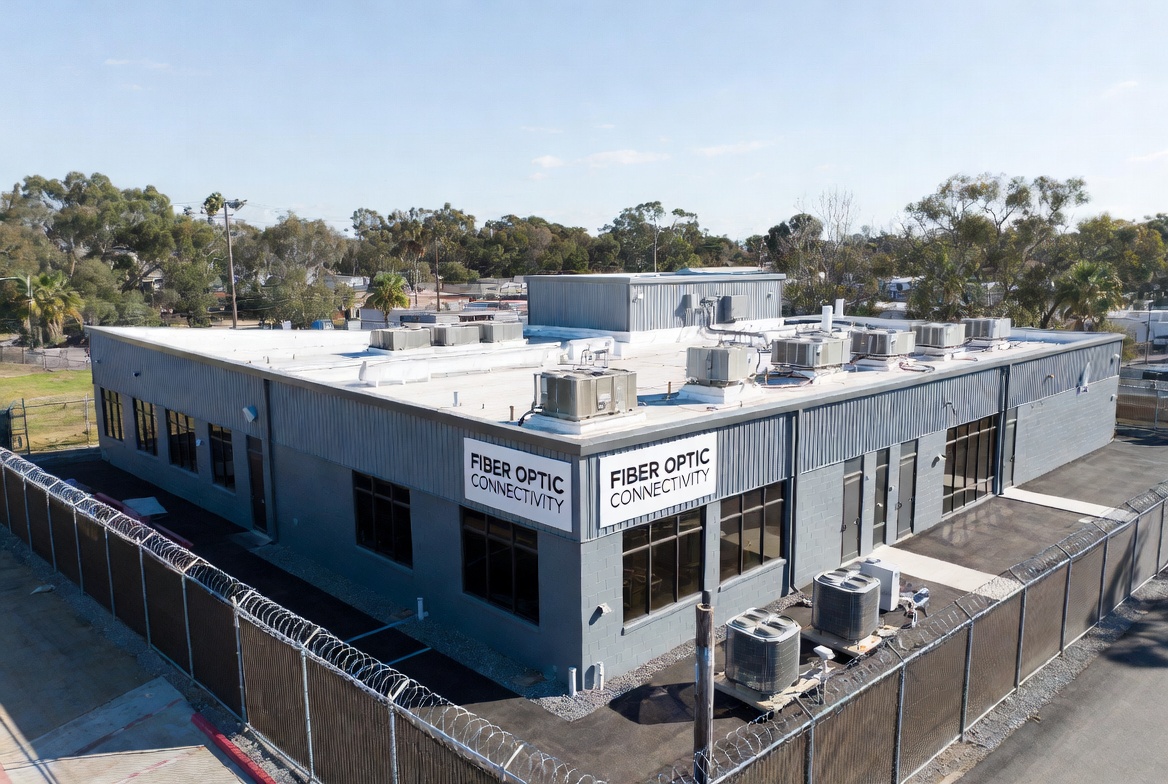
Insurance for Data Center Owners, Operators, Colocation Facilities, AI Compute Sites, and Edge Infrastructure
Data center risk is not just real estate. A data center may include high-value electrical systems, cooling infrastructure, backup power, generators, UPS systems, batteries, tenant equipment, server environments, leased space, service-level expectations, utility dependencies, security controls, cyber exposure, and business interruption potential.
The underwriting conversation changes depending on whether the business owns the building, operates the facility, leases space to tenants, provides managed services, hosts equipment, runs cloud infrastructure, supports AI compute, owns servers, manages third-party hardware, or simply leases power and cooling capacity.
Kelly Insurance Group helps complex facilities and infrastructure-adjacent businesses present the underwriting story correctly. The goal is to separate the building exposure, operational exposure, cyber exposure, tenant exposure, service exposure, utility dependency, and contract obligations so insurance markets can evaluate the risk intelligently.
Data Center Insurance Commonly Involves
- Building, electrical, cooling, backup power, UPS, generator, and equipment breakdown exposure
- Business income, extra expense, and utility interruption concerns
- Cyber liability, technology E&O, and network interruption exposure
- Tenant contracts, colocation agreements, service levels, and indemnification obligations
- Fire protection, battery systems, fuel storage, and environmental concerns
- Physical security, controlled access, surveillance, and visitor/vendor protocols
- High-value server equipment and customer property concerns
- Umbrella and excess liability driven by contract requirements and severity
Data Center Risk Environment
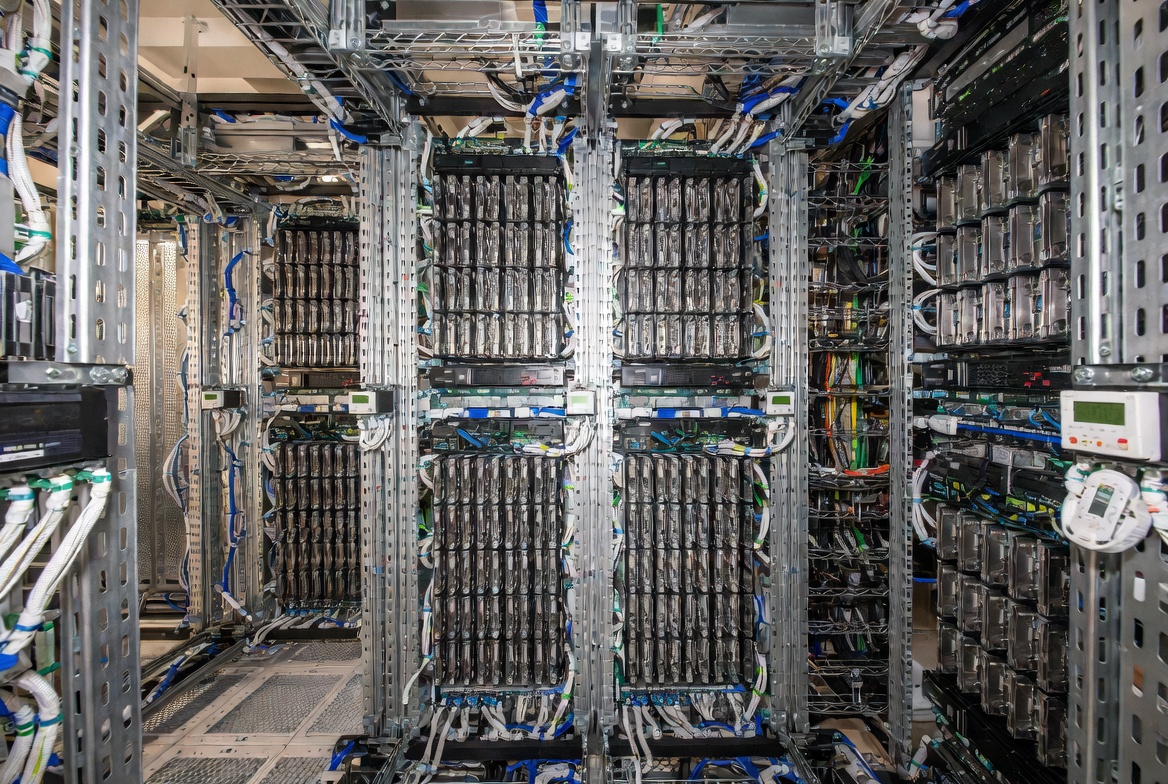
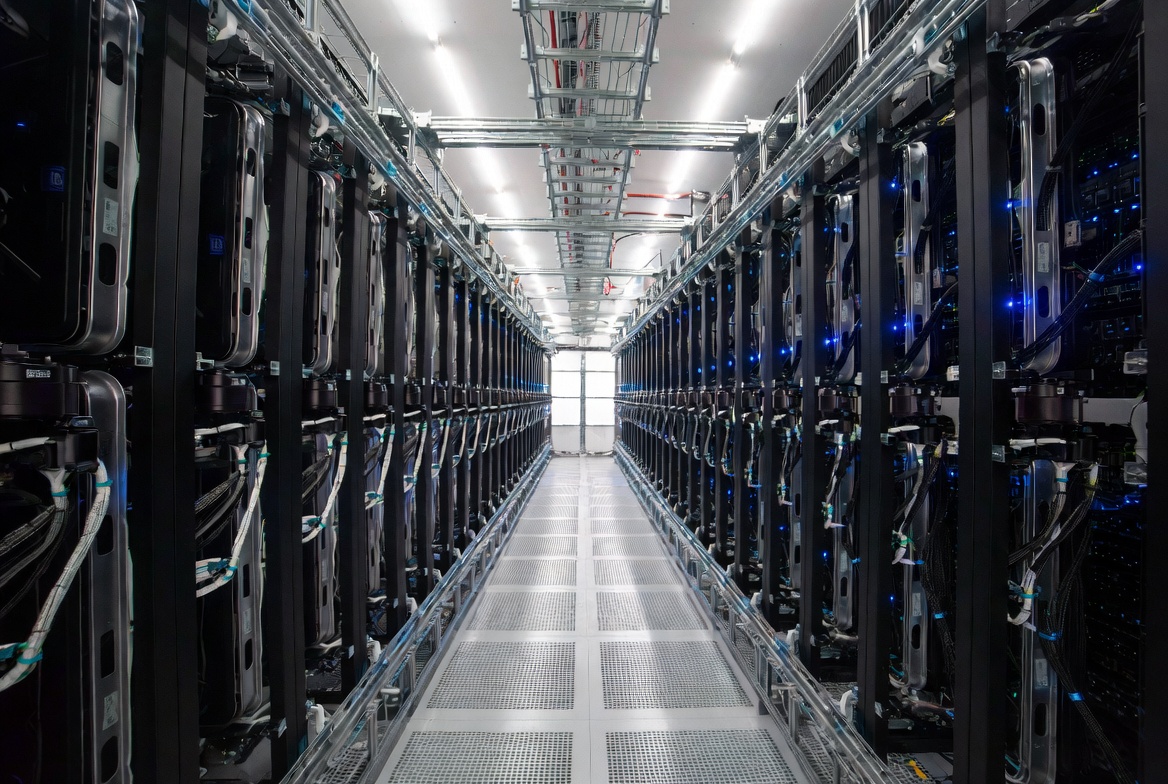
Data center insurance requires more than a property value and a square footage number. The real risk environment includes power density, cooling reliability, backup systems, customer contracts, tenant equipment, network dependency, cyber controls, equipment breakdown, and operational continuity.
Who This Insurance Hub Is Built For
This page is designed for data center owners, colocation operators, hyperscale facilities, AI compute sites, server farms, cloud infrastructure operators, edge computing facilities, and mission-critical technology infrastructure owners that need more than a standard property policy.
Data Center Owner & Operator Insurance Specialization Blocks
These supporting sections are built directly into the hub page for now so the content is substantial and useful without creating placeholder pages or dead internal links.
Colocation Data Center Insurance
Colocation facilities create a layered risk environment because the operator may control the building, power, cooling, access, fire protection, security, and physical infrastructure while customers own or lease servers, networking equipment, cages, racks, and related technology assets.
The insurance program should carefully separate facility property, customer property, contractual liability, service obligations, cyber exposure, equipment breakdown, and business interruption. Colocation agreements can materially affect the insurance structure.
Why Colocation Insurance Needs Contract Review
A colocation agreement may include indemnification provisions, limitation of liability language, uptime expectations, insurance requirements, customer property clauses, access rules, security obligations, and service commitments. Insurance should be reviewed against those obligations rather than assumed to fit automatically.
Common Review Areas
- Customer property and property of others exposure
- Power, cooling, rack, cage, and suite obligations
- Physical access and security controls
- Equipment breakdown and utility interruption
- Cyber liability and technology E&O
- Contractual limits and excess liability requirements
Hyperscale Data Center Insurance
Hyperscale data centers create significant property, equipment breakdown, business income, utility dependency, power density, cooling, construction, tenant, contractual, and operational continuity exposure. These facilities often involve enormous infrastructure values and complex risk engineering.
Insurance placement may involve layered property programs, equipment breakdown, business interruption, cyber liability, environmental liability, umbrella and excess liability, construction-related coverage, and lender or customer requirements.
Scale Changes the Insurance Conversation
Large data center facilities need underwriters to understand site construction, geographic concentration, backup systems, generator capacity, cooling redundancy, fire protection, utility feeds, power contracts, physical security, tenant relationships, and business continuity planning.
Important Underwriting Details
- Building and infrastructure values
- Power redundancy and cooling design
- Business income and extra expense modeling
- Equipment breakdown exposure
- Fire protection and risk engineering reports
- Tenant and customer contractual obligations
AI Compute Facility Insurance
AI compute facilities can create a more intense risk profile than ordinary server environments because of higher power density, cooling demands, expensive GPU clusters, utility dependency, hardware concentration, customer demand, and rapid infrastructure expansion.
The insurance structure should evaluate whether the facility owns the hardware, leases compute capacity, hosts third-party hardware, provides managed services, leases space and power, or operates as part of a larger data infrastructure platform.
High-Density Compute Creates Concentration Risk
AI compute infrastructure may require stronger review of cooling, electrical systems, equipment values, utility interruption, equipment breakdown, cyber liability, technology E&O, fire protection, and business income exposure.
Coverage Areas Often Reviewed
- GPU and server equipment values
- Power density and cooling dependency
- Owned versus customer-owned hardware
- Technology E&O and service availability
- Cyber liability and network interruption
- Business income and extra expense exposure
Cloud Infrastructure Operator Insurance
Cloud infrastructure operators may provide hosting, managed infrastructure, platform services, storage, compute resources, network services, or customer-facing technology infrastructure. These businesses blend physical infrastructure risk with cyber, technology E&O, contractual, and service interruption exposure.
A cloud operator’s insurance program should be reviewed around service obligations, customer contracts, data exposure, network dependency, physical infrastructure, server ownership, vendor relationships, and incident response capability.
Cloud Infrastructure Is Both Physical and Digital
The physical facility may need property and equipment breakdown coverage, while the service model may require cyber liability, technology E&O, media liability, business interruption, network interruption, and excess liability review.
Important Questions
- Does the operator own servers or lease capacity?
- Are managed services provided?
- What customer data or workloads are hosted?
- What uptime commitments exist?
- What contracts control liability?
- What cyber controls and backups are in place?
Server Farm Insurance
Server farms may involve owned hardware, leased equipment, specialized cooling, backup power, network infrastructure, physical security, tenant arrangements, cryptocurrency or AI-related usage, and significant equipment values.
Insurance review should clarify whether the operation owns the building, leases space, owns the servers, hosts customer property, provides technology services, or simply operates hardware inside a third-party facility.
Ownership Structure Matters
The insurance answer changes depending on whether the insured owns real estate, operates the facility, owns servers, rents racks, hosts customer equipment, or provides compute services. Property, cyber, E&O, equipment breakdown, and business income should be evaluated accordingly.
Review Points
- Owned building versus leased space
- Owned servers versus customer property
- Cooling and power dependency
- Network interruption and service obligations
- Equipment breakdown and business income
- Security controls and access protocols
Edge Computing Facility Insurance
Edge computing facilities may be smaller than hyperscale data centers, but they can still create meaningful property, utility, cyber, security, equipment breakdown, and operational continuity exposure because they are often positioned close to users, networks, telecom infrastructure, or distributed computing environments.
Edge facilities may operate in standalone buildings, telecom sites, industrial locations, mixed-use environments, or distributed facilities that require careful underwriting around property protection, physical security, power redundancy, cooling, and customer obligations.
Distributed Infrastructure Creates Different Risk
Edge infrastructure may have multiple smaller sites rather than one large facility. That can change how insurers evaluate property schedules, protection systems, equipment values, service interruption, vendor maintenance, and geographic spread of risk.
Key Details
- Number and location of edge sites
- Equipment values by location
- Power, cooling, and backup systems
- Security and access controls
- Telecom or network dependency
- Service commitments and contracts
Data Center Property & Equipment Breakdown Insurance
Data center property insurance is not just a building limit. The real exposure may include electrical distribution, cooling infrastructure, generators, UPS systems, batteries, switchgear, cabling, server equipment, fire suppression systems, tenant improvements, and mission-critical mechanical systems.
Equipment breakdown can be one of the most important coverages because a mechanical, electrical, or pressure-system failure may cause operational disruption even if no traditional property loss occurs.
Equipment Failure Can Shut Down the Operation
Cooling, power, UPS, generator, and electrical distribution problems can create severe downtime. Insurance review should include equipment breakdown, business income, extra expense, spoilage-like temperature sensitivity where relevant, and utility interruption endorsements.
Review Areas
- Building and equipment values
- Cooling systems and redundancy
- Generators, UPS, switchgear, and batteries
- Business income and extra expense
- Utility interruption
- Risk engineering and protection reports
Data Center Environmental & Pollution Liability Insurance
Data centers can create environmental liability questions through fuel storage, generators, batteries, coolant systems, fire suppression systems, construction activity, equipment disposal, spill exposure, and site contamination concerns.
Pollution liability may become more important when lenders, property owners, project contracts, or facility operations require coverage for releases, cleanup costs, third-party claims, or environmental conditions related to the site.
Environmental Risk Is Often Overlooked
Data center owners and operators may focus heavily on cyber and property while overlooking generator fuel, battery systems, cooling infrastructure, and site-related environmental obligations. These exposures should be reviewed before assuming the property policy is enough.
Environmental Review Points
- Generator fuel storage
- Battery systems and disposal
- Coolants and fire suppression systems
- Construction and site development activity
- Contractor pollution requirements
- Site contamination and cleanup obligations
Data Center Excess Liability Insurance
Data center owners and operators may require umbrella or excess liability because of customer contracts, lease agreements, lender requirements, service obligations, property values, facility severity, or operational risk.
Excess liability should be structured around the underlying exposures, including general liability, auto where applicable, employer’s liability, technology E&O, cyber, environmental, and contractual obligations.
Excess Coverage Has to Follow the Risk
High limits alone are not enough. The excess structure should be reviewed for exclusions, underlying carrier requirements, cyber limitations, professional liability gaps, pollution limitations, and contract compatibility.
Excess Review Areas
- Customer and lender required limits
- Underlying coverage compatibility
- Follow-form wording
- Technology and cyber limitations
- Environmental exclusions
- Layering strategy for larger limits
Data Center Owner & Operator Coverage Structure
Data center insurance should be built around the actual role of the insured. A building owner, colocation operator, managed cloud provider, AI compute site, server farm, and edge computing operator may each need a different structure.
What Underwriters Need to Understand
Data center submissions need to separate property exposure, operational role, cyber responsibility, customer contracts, utility dependency, and service obligations.
| Issue | Why It Matters | Helpful Information |
|---|---|---|
| Facility role | Owner, operator, colocation provider, cloud operator, and server owner are different risks. | Clear description of ownership, operations, services, and customer relationships. |
| Property values | Infrastructure values may be heavily concentrated in electrical, cooling, and backup systems. | Building, equipment, server, generator, UPS, cooling, battery, and tenant improvement values. |
| Business interruption | Downtime may exceed the apparent physical property loss. | Business income estimates, recovery timelines, redundancy, and utility dependency. |
| Customer contracts | Colocation and service agreements can impose insurance obligations. | Insurance requirements, indemnification provisions, uptime commitments, and service terms. |
| Cyber controls | Data center operations often depend on physical and digital security. | MFA, backups, monitoring, access controls, incident response, network segmentation, and vendor controls. |
| Environmental exposure | Generators, batteries, coolants, fuel, and construction can create pollution concerns. | Fuel storage, battery details, spill controls, suppression systems, and site information. |
Customer, Tenant, and Lender Requirements Can Control the Insurance Program
Data center insurance requirements often come from customer contracts, colocation agreements, lease agreements, lender requirements, construction contracts, vendor agreements, or managed service agreements.
These requirements may include property, business income, cyber liability, technology E&O, commercial general liability, umbrella liability, additional insured wording, waiver of subrogation, primary and non-contributory language, environmental liability, and equipment breakdown coverage.
The insurance requirement should be reviewed before onboarding, financing, lease execution, customer contract signing, or facility launch becomes urgent.
Information That Helps The Quoting Process
- Facility address and ownership structure
- Building, equipment, server, cooling, generator, UPS, and battery values
- Colocation, cloud, hosting, or managed service agreements
- Customer contract insurance requirements
- Business income and extra expense estimates
- Utility redundancy, backup power, and cooling design
- Fire protection and physical security details
- Cyber controls and incident response procedures
- Fuel storage, battery systems, and environmental exposure
- Current policies and loss history
FIND RELATED COVERAGE FAST
Search by industry, coverage type, contract requirement, or hard-to-place exposure.
Data Center Owner & Operator Insurance FAQs
What makes data center insurance different from ordinary commercial property insurance?
Data centers involve more than a building. Power, cooling, equipment breakdown, utility interruption, cyber exposure, customer contracts, tenant equipment, business income, and uptime dependency can all materially affect the insurance program.
Do colocation data centers need technology E&O?
Technology E&O should be reviewed when the facility provides hosting, managed services, infrastructure services, compute capacity, cloud services, or service-level commitments beyond basic real estate occupancy.
Why is equipment breakdown important for data centers?
Cooling, electrical distribution, UPS systems, generators, switchgear, and mechanical systems are central to data center operations. Equipment failure can create severe operational interruption even when traditional property damage is limited.
Can data centers need pollution liability?
Yes. Fuel storage, generators, battery systems, coolants, fire suppression systems, construction activity, and site conditions can create environmental liability questions depending on the facility.
Have a Data Center, Colocation, AI Compute, or Edge Infrastructure Risk?
Data center owner and operator insurance requires more than a standard property application. The underwriting conversation often depends on facility ownership, power and cooling design, equipment values, business interruption, customer contracts, cyber controls, technology service obligations, environmental exposure, and excess liability requirements.