
Food & Product Contamination Recall Insurance
Food recall insurance and product contamination insurance are built for businesses that could suffer a major financial hit after contaminated, mislabeled, adulterated, unsafe, or potentially unsafe products enter the marketplace.
This includes food manufacturers, beverage companies, supplement brands, ingredient suppliers, processors, distributors, private label companies, contract packagers, and other businesses where one batch, one label error, or one supplier problem can force a costly product withdrawal.
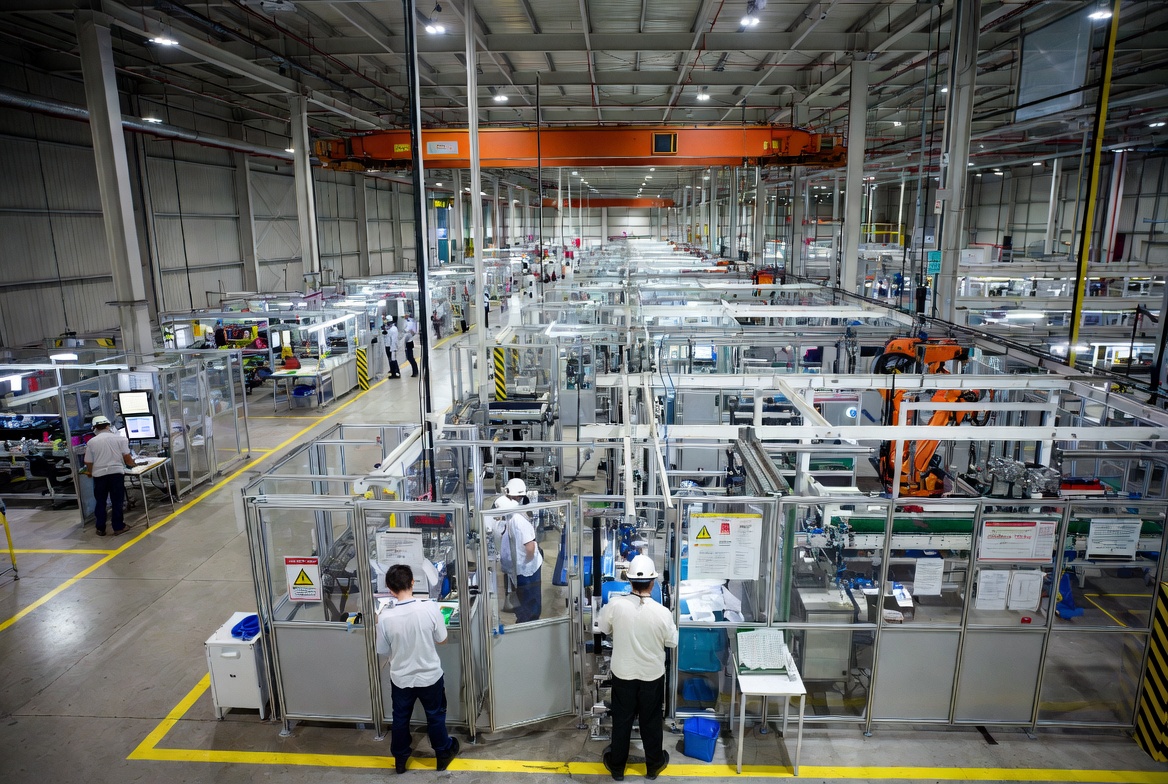
Who Needs Food Recall Insurance?
Food recall insurance should be reviewed by any business that manufactures, processes, packages, labels, imports, distributes, stores, or sells food, beverages, supplements, or ingredients. The exposure is not limited to companies with huge national distribution. A smaller operation can still face a devastating recall if product reaches retailers, restaurants, distributors, schools, hospitals, ecommerce customers, or private label partners.
Food Manufacturers
Packaged foods, frozen foods, baked goods, sauces, snacks, prepared meals, meat products, dairy products, produce processors, and specialty food manufacturers.
Beverage Companies
Juice, bottled drinks, coffee, tea, energy drinks, functional beverages, private label beverages, and contract beverage production operations.
Supplements & Ingredients
Vitamins, nutraceuticals, protein products, powders, capsules, botanicals, ingredient suppliers, flavoring companies, and contract manufacturers.
Contamination, Mislabeling & Product Withdrawal Triggers
Food and product contamination recalls can happen for several reasons. The coverage conversation needs to focus on the actual trigger: what happened, how the issue was discovered, who demanded action, whether the recall was voluntary or required, and what expenses were created.
Possible salmonella, listeria, E. coli, or other bacterial contamination can force a company to stop distribution, identify affected lots, communicate with customers, and coordinate withdrawal.
Plastic, glass, metal, packaging material, equipment fragments, or other foreign objects can create recall pressure even if the affected product group is limited.
Missing allergen information can be one of the most dangerous label failures. A product may need to be withdrawn because the packaging does not properly identify allergen exposure.
The product may be safe in isolation, but the wrong label, wrong ingredient statement, wrong use instructions, wrong nutrition panel, or wrong package can still create recall action.
A supplier’s problem can become your recall. If a contaminated or defective ingredient was used across multiple batches, the downstream impact can spread quickly.
What Can Product Contamination Insurance Help Address?
Product contamination insurance and food recall insurance may help address the direct expense of responding to a covered contamination or recall event. The exact policy form matters. Some forms are narrow. Some are broader. Some may include contaminated product, malicious tampering, accidental contamination, government recall, adverse publicity, business interruption, consultant costs, rehabilitation expenses, replacement costs, or third-party recall expense.
Notification & Communication
Customer notices, distributor communication, retailer coordination, public messaging, call centers, crisis communication, and professional recall response support.
Retrieval & Logistics
Shipping, freight, warehousing, product segregation, inventory tracking, return handling, storage, sorting, relabeling, and disposal coordination.
Testing & Investigation
Laboratory testing, quality control review, outside consultants, source investigation, batch review, ingredient tracing, and documentation.
Replacement Product
Some coverage may help with replacement goods, remanufacturing, repackaging, relabeling, redistribution, and getting acceptable product back into the channel.
Business Interruption
Depending on policy language, coverage may respond to lost income or extra expenses after a covered contamination or recall event interrupts operations.
Brand Rehabilitation
Some policies may include expenses designed to help restore customer trust, retailer confidence, and market position after a covered recall.
Food Recall Insurance Vs. General Liability
General liability and product liability are still important, but they are not the same as food recall insurance. A company may need recall coverage even when no lawsuit has been filed. The product may have to be pulled because a quality issue, label error, contamination concern, retailer demand, distributor notice, or regulatory concern creates immediate action.
GENERAL LIABILITY
Understand where general liability may respond and where recall expense can fall outside the standard policy.
SEE WHAT GL ACTUALLY COVERS →PRODUCT RECALL COVERAGE
Review how recall expense coverage, product withdrawal coverage, and contamination triggers may work.
VIEW RECALL COVERAGE PAGE →PRODUCT RECALL HUB
Start with the main product recall insurance page for a broader explanation of recall coverage and eligible industries.
GO TO PRODUCT RECALL HUB →Real Food Recall Scenario Examples
The purpose of these examples is to show how fast a recall can become more than a product issue. It becomes an operations issue, cash flow issue, contract issue, brand issue, and customer confidence issue.
Undeclared Allergen
A packaged food product is distributed with a label that fails to disclose a major allergen. Retailers pull the product, customers are notified, inventory must be located, and the company needs to manage the withdrawal quickly.
Foreign Material Complaint
A customer reports foreign material in a finished product. The company must determine affected batches, stop shipments, investigate the production line, coordinate testing, and decide whether withdrawal is required.
Supplier Contamination
An ingredient supplier reports contamination after the ingredient was already used in finished goods. Multiple lots may be affected, and the recall can ripple through distributors, retailers, and private label customers.
What Underwriters Want To Know Before Quoting
Food recall insurance and product contamination insurance are underwriting-heavy. Carriers want to understand the product, process, distribution, quality controls, supplier controls, and recall readiness. A better submission usually gives the underwriter more confidence and reduces wasted back-and-forth.
Product & Process
What you make, process, package, label, import, distribute, or sell; whether products are ready-to-eat; whether products are perishable; and whether products involve allergens.
Quality Controls
Testing procedures, sanitation controls, lot tracking, recall plans, supplier approval, audits, HACCP-style controls, certifications, and production documentation.
Distribution
Retailers, wholesalers, grocery chains, restaurants, ecommerce, private label partners, geographic distribution, batch traceability, and ability to identify affected product quickly.
Other Coverage That May Connect To Contamination Risk
A food recall or contamination issue may touch more than one insurance policy. The recall policy may handle certain recall expenses, but other policies may also matter depending on the facts, the claim, the cleanup issue, the liability allegation, or the contract requirement.
ENVIRONMENTAL & POLLUTION
Some contamination, disposal, cleanup, chemical, or waste-related issues may create environmental insurance questions.
REVIEW POLLUTION LIABILITY →CYBER INSURANCE
Recall events can involve ecommerce systems, vendor platforms, data, ransomware, communication failures, or crisis response issues.
VIEW CYBER INSURANCE →BUSINESS INSURANCE
Product recall exposure should be reviewed as part of the full commercial insurance program, not as a standalone afterthought.
VIEW BUSINESS INSURANCE →Food Recall Coverage Needs To Be Reviewed Before The Batch Ships.
Once contaminated, mislabeled, adulterated, or unsafe product is already moving through the marketplace, the business is under pressure. Kelly Insurance Group helps food, beverage, supplement, ingredient, and manufacturing businesses review recall and contamination insurance before the problem becomes operational chaos.