
Pollution Liability Insurance for Warehouses & Distribution Centers
Most warehouse owners do not think of themselves as having a pollution exposure until something goes wrong. The problem is rarely dramatic at first. It may start with a leaking tote, a damaged battery, a tenant storing materials they were never supposed to have, or runoff leaving a loading area after a spill.
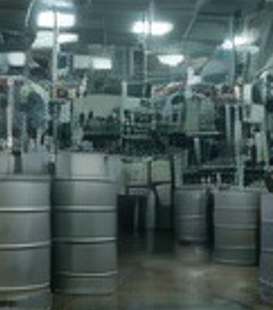
A warehouse can look clean and still carry environmental risk.
Distribution centers and industrial storage facilities can quietly accumulate environmental exposure over time. The issue may come from current operations, a prior tenant, a contractor working on site, a loading dock release, a floor drain, old drums left behind, or the historical use of the building before the current owner ever touched it.
This is why warehouse pollution liability is not just a “chemical company” conversation. It can matter for commercial landlords, logistics facilities, multi-tenant industrial buildings, fulfillment centers, cold storage buildings, manufacturing overflow storage, and older warehouse properties being sold, refinanced, redeveloped, or leased to a new tenant.
If the building has tenants, stored products, batteries, forklifts, hydraulic equipment, floor drains, petroleum products, cleaning chemicals, maintenance fluids, or unknown prior uses, the environmental conversation deserves more than a quick yes-or-no answer.
The claim usually starts smaller than people expect.
A warehouse pollution claim does not always begin with a major environmental disaster. Often, it begins with a routine operational issue that gets worse because nobody realized how quickly cleanup, testing, reporting, and third-party allegations can escalate.
Leaking containers or totes
Chemicals, oils, solvents, cleaning products, adhesives, lubricants, or other stored materials can leak inside the building or during staging and transfer.
Forklift battery and charging areas
Battery acid, thermal events, damaged lithium batteries, charging stations, and maintenance areas can create cleanup issues that are not always handled like ordinary property damage.
Loading dock releases
Spills during loading, unloading, cross-docking, or temporary staging can move into drains, soil, stormwater systems, or neighboring property.
Tenant operations
A landlord may not fully control what a tenant stores, handles, modifies, repackages, disposes of, or brings onto the property.
Older industrial property history
Prior manufacturing, printing, auto repair, solvent storage, fuel use, metal work, or undocumented tenant activity can create issues discovered years later.
Drainage and runoff
Floor drains, storm drains, loading aprons, retention areas, and nearby waterways can turn a contained incident into a broader environmental problem.
General liability and property policies were not built to solve every pollution problem.
Standard commercial property and general liability policies may contain pollution exclusions, limitations, notice requirements, sublimits, or wording that does not respond the way a business owner expects when contamination, cleanup, environmental testing, or regulatory involvement is part of the claim.
That does not automatically mean every warehouse needs a standalone pollution policy. It does mean the risk should be reviewed correctly, especially when the facility stores materials that could trigger cleanup costs, bodily injury allegations, property damage claims, or regulatory scrutiny.
Common pressure points
- Cleanup costs at the insured site
- Third-party property damage
- Bodily injury allegations from fumes, mold, chemicals, or release events
- Emergency response expenses
- Environmental testing and consultant costs
- Defense costs tied to pollution allegations
- Tenant-caused conditions affecting the landlord
- Transaction delays during sale or refinancing
Multi-tenant warehouses deserve extra attention.
The harder cases often involve landlords who own the building but do not directly control every operation inside it. One tenant may be storing adhesives. Another may be charging batteries. Another may be receiving imported goods with unknown packaging materials. Another may be doing light assembly or repackaging that was not clearly described in the lease.
When something goes wrong, the owner may still be dragged into the problem even if the tenant caused it. Lease language, certificates of insurance, additional insured status, indemnification wording, tenant insurance requirements, and actual available coverage all matter.
This is where pollution liability should be reviewed alongside broader commercial property owner insurance. For landlords and property owners, our page on Environmental Insurance for Landlords & Commercial Property Owners is a useful next stop.
Warehouse operations where pollution liability deserves a real look
Carriers care about what is actually happening inside the building.
The underwriting conversation usually turns on specifics. What is stored? Who owns the material? Are there chemicals, batteries, petroleum products, solvents, paint, cleaning compounds, pool chemicals, pesticides, lubricants, aerosols, food products, temperature-sensitive goods, or waste materials? Are tenants required to carry pollution liability? Are there drains? Is there a spill plan? Has a Phase I or Phase II environmental report been completed?
Vague answers usually create delays. Better information creates a cleaner submission and gives the underwriter a reason to treat the account like a controlled risk instead of an unknown one.
Information that helps with quotes
- Property address and building age
- Current and prior occupancy details
- Tenant list and tenant operations
- Materials stored at the facility
- Any environmental reports or site assessments
- Known tanks, drums, floor drains, pits, sumps, or separators
- Spill plans or emergency response procedures
- Loss history, notices, complaints, or prior cleanup issues
- Lease insurance requirements for tenants
Do not wait until the lease, sale, or refinance is already on fire.
Pollution liability underwriting can take longer than standard business insurance because underwriters may want site details, tenant information, loss history, environmental reports, or clarification about stored materials. If a lender, buyer, tenant, municipality, or contract suddenly requires coverage, the timeline can get tight fast.
Our overview of the pollution liability quote and application process explains what is usually needed before carriers will seriously review the account.
Related environmental insurance pages worth reviewing
These are not random links. They are the nearby coverage topics that usually come up when a warehouse, distribution center, commercial property owner, or industrial facility has a pollution liability question.
Warehouse pollution liability questions we hear often
Does every warehouse need pollution liability insurance?
No. A clean storage-only facility with low-risk goods may not need a standalone pollution policy. But a warehouse with chemicals, batteries, industrial materials, unknown prior use, tenants, drains, petroleum products, or contract requirements should be reviewed carefully.
Can a tenant create a pollution problem for the landlord?
Yes. A tenant can create a condition that affects the building owner, neighboring property, other tenants, the lender, or the future sale of the property. That is why tenant insurance requirements and lease wording matter.
Is pollution liability the same as general liability?
No. General liability policies often contain pollution exclusions or limited pollution exceptions. Pollution liability coverage is designed to address environmental claims more directly, subject to policy terms and underwriting.
What makes a warehouse harder to insure?
Unknown prior use, chemical storage, poor tenant controls, missing environmental reports, prior spills, old tanks, floor drains, open environmental issues, or vague information about stored materials can all make underwriting harder.
Can this coverage help with a real estate transaction?
Sometimes. Buyers, sellers, lenders, and redevelopment groups may review pollution liability when environmental concerns could delay closing, affect financing, or create uncertainty around future cleanup responsibility.
Need help reviewing a warehouse or distribution center pollution exposure?
Send us the property details, tenant operations, stored materials, lease requirements, loss history, and any environmental reports you have. We will help you figure out whether this is a simple exposure, a site pollution liability issue, or a more complicated environmental insurance problem.