Pharmaceutical & Biotech Manufacturing Insurance
Pharmaceutical and biotech manufacturing operations create a demanding insurance environment involving product liability, quality control, GMP manufacturing processes, clinical manufacturing, medical device exposure, sterile production, contract manufacturing, product recall, contamination concerns, cold chain dependency, cyber liability, equipment breakdown, business interruption, and contract-driven insurance requirements. Kelly Insurance Group helps complex life science and manufacturing operations explain their risk clearly and pursue insurance structures built around the actual facility, product, process, customer obligations, and severity profile.
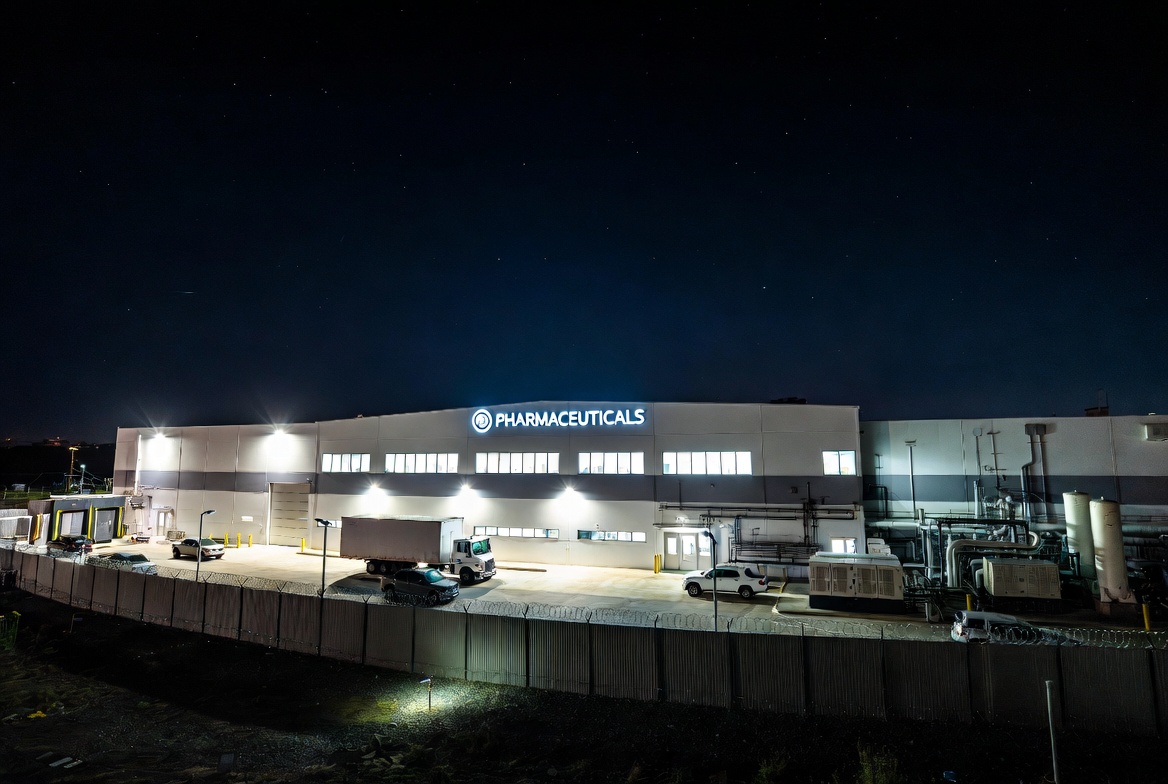
Insurance for Pharmaceutical Manufacturers, Biotech Labs, Medical Device Firms, CMOs, and Advanced Therapy Facilities
Pharmaceutical and biotech manufacturing insurance is not ordinary manufacturing coverage. These companies may operate under strict quality systems, produce products with human health implications, handle sensitive research data, maintain controlled production environments, rely on specialized equipment, manage cold chain exposure, operate under customer contracts, or manufacture products where a defect can create severe downstream consequences.
The underwriting story changes depending on whether the company manufactures finished pharmaceutical products, produces active ingredients, operates a biotech lab, manufactures medical devices, provides contract manufacturing services, operates a sterile compounding facility, supports clinical production, or works in cell and gene therapy manufacturing.
Kelly Insurance Group focuses on complex commercial insurance placements where the details matter. Pharmaceutical and biotech manufacturing accounts often require careful explanation of products, intended use, quality controls, batch testing, recall procedures, contracts, cyber controls, property values, equipment dependency, and business interruption exposure.
Pharmaceutical & Biotech Insurance Commonly Involves
- Products liability and completed operations exposure
- Product recall and contamination concerns
- GMP manufacturing and quality-control procedures
- Medical device, biotech, clinical, or sterile production risk
- Cyber liability involving sensitive research, customer data, and operational systems
- Property, equipment breakdown, business income, and extra expense exposure
- Cold chain, cargo, inventory, stock, and temperature-sensitive product concerns
- Contract manufacturing agreements and customer insurance requirements
- Professional liability or E&O for technical services, testing, validation, or consulting
- Umbrella and excess liability driven by contract requirements and severity
Pharmaceutical & Biotech Manufacturing Risk Environment
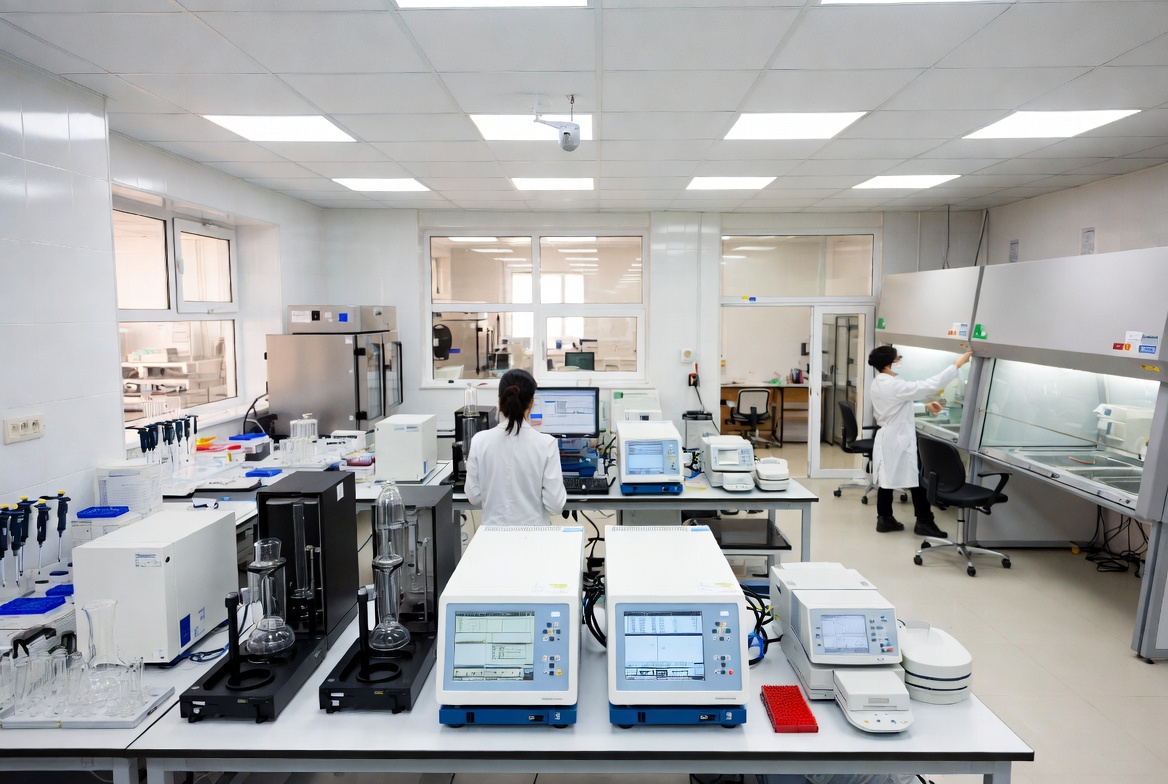
Pharmaceutical and biotech manufacturing operations often combine facility exposure, product severity, scientific complexity, inventory values, testing protocols, equipment dependency, and customer contract requirements. The insurance program must account for what is produced, who uses it, how quality is controlled, what contracts require, and what could happen if a product, process, facility, or system fails.
Who This Insurance Hub Is Built For
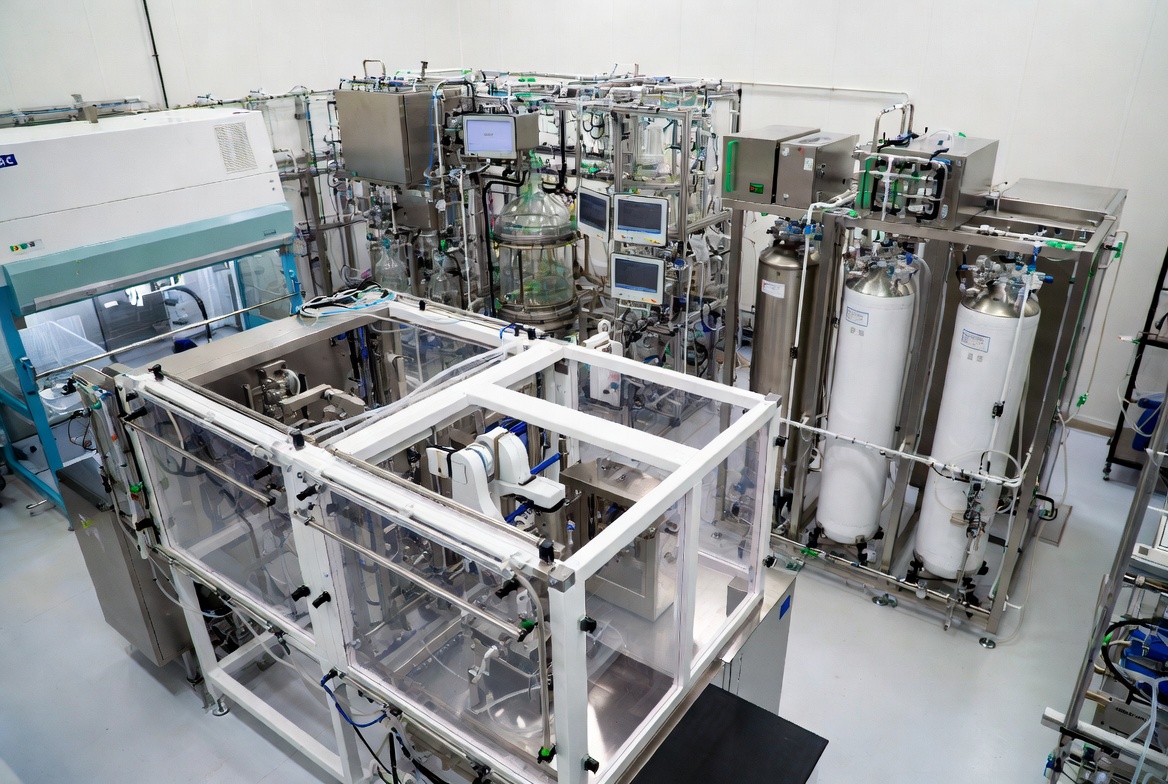
This hub is designed for pharmaceutical manufacturers, biotech labs, medical device manufacturers, contract manufacturing organizations, sterile compounding operations, GMP facilities, cell and gene therapy manufacturers, and related life science production businesses that need a more sophisticated insurance conversation.
Interactive Pharmaceutical Risk Map
Click a risk node to see how that exposure can affect the insurance structure. Pharmaceutical and biotech manufacturing risk is rarely isolated. Product liability, recall, cyber, property, contracts, and contamination often overlap inside the same account.
Products Liability
Pharmaceutical, biotech, medical device, and advanced therapy products can create significant downstream liability because the end use may involve patients, healthcare providers, clinical settings, regulated environments, or critical treatment workflows.
- Product type, intended use, and distribution channel matter heavily.
- Quality-control documentation and batch traceability should be explained clearly.
- Manufacturing versus design responsibility can change the underwriting approach.
- Contracts may require higher liability limits or specific coverage wording.
Pharmaceutical & Biotech Manufacturing Specialization Blocks
These supporting sections are built directly into the hub page for now so the page is useful, complete, and substantial without creating thin standalone pages prematurely.
Pharmaceutical Manufacturer Insurance
Pharmaceutical manufacturers may produce finished products, ingredients, specialty compounds, over-the-counter products, prescription-related products, topical products, injectable products, or other life science goods. The insurance program depends on the actual product, intended use, distribution method, contractual obligations, quality-control procedures, and recall planning.
A strong submission should explain what is manufactured, who designs the product, who tests it, who distributes it, where it is sold, what quality systems are used, and whether any third-party manufacturers, packagers, labs, or logistics providers are involved.
Product Severity Drives The Conversation
Pharmaceutical manufacturing accounts often require general liability, products liability, product recall, property, equipment breakdown, business income, cargo, cyber liability, professional liability, and umbrella or excess liability review. The end use of the product is often one of the most important underwriting details.
Common Review Areas
- Products manufactured and intended use
- Quality-control and batch testing procedures
- Product recall plan and traceability
- Distribution channels and customer contracts
- Inventory, stock, cargo, and temperature sensitivity
- Excess liability and contract-required limits
Biotech Laboratory Insurance
Biotech laboratories can involve research, testing, sample handling, diagnostics support, product development, contract laboratory services, clinical support, or manufacturing-adjacent activity. These operations may create property, professional liability, cyber, biological material, equipment, and contractual risk.
The insurance structure depends on whether the lab performs research only, provides customer-facing testing, supports clinical activity, handles patient samples, manufactures products, stores sensitive material, or provides technical reports that customers rely on.
Laboratory Risk Is Not Just Premises Liability
Biotech labs may need professional liability, cyber liability, property, equipment breakdown, contamination coverage review, inland marine, business income, and umbrella liability. Errors in testing, reporting, storage, or sample handling can create meaningful liability questions.
Key Details
- Research versus commercial testing activity
- Sample handling and storage procedures
- Customer reliance on reports or test results
- Specialized laboratory equipment values
- Cyber controls and data protection
- Contracts, grants, vendors, and customer requirements
Medical Device Manufacturer Insurance
Medical device manufacturers may produce finished devices, components, packaging, software-enabled devices, diagnostic equipment, surgical tools, monitoring systems, or specialized healthcare products. These operations can create substantial products liability exposure because the device may be used in direct patient care or clinical decision-making.
Insurance review should distinguish between design responsibility, manufacturing to customer specification, component manufacturing, software responsibility, labeling, testing, sterilization, distribution, and post-market monitoring.
Device Function and End Use Matter
A manufacturer producing a low-risk accessory is not the same as a firm manufacturing a critical device used in surgical, diagnostic, implantable, or patient-monitoring settings. Underwriters need a clear explanation of the product and the manufacturer’s responsibility.
Insurance Review Points
- Device type and clinical use
- Design versus contract manufacturing responsibility
- Testing, labeling, and quality assurance
- Product recall procedures
- Cyber or software-enabled device exposure
- Customer and distributor contract requirements
Contract Manufacturing Organization Insurance
Contract manufacturing organizations serve customers that outsource production, packaging, filling, testing, formulation, assembly, or related manufacturing functions. The insurance program must address the CMO’s role, customer specifications, contractual liability, products exposure, professional responsibility, quality systems, and recall obligations.
The contract may decide much of the insurance conversation. Customer agreements may include insurance limits, indemnification obligations, recall responsibilities, quality standards, audit rights, confidentiality provisions, and cyber requirements.
CMO Contracts Should Be Reviewed Carefully
A CMO may not own the product design but may still assume meaningful liability through manufacturing contracts. Insurance should be reviewed against the actual agreement rather than assumed to match standard manufacturing coverage.
Common Issues
- Customer specifications and scope of responsibility
- Indemnification and insurance requirements
- Product recall allocation
- Quality audits and batch documentation
- Customer property and inventory exposure
- Professional liability or E&O considerations
Sterile Compounding Pharmacy Insurance
Sterile compounding operations can create substantial liability because production quality, sterility, documentation, storage, handling, and distribution may directly affect patient safety. These accounts may involve products liability, professional liability, property, cyber, recall, inventory, and regulatory-sensitive operational exposure.
Underwriting should clearly distinguish sterile compounding, non-sterile compounding, retail pharmacy operations, outsourcing facility operations, hospital-related activity, mail order, delivery, and any work performed for healthcare providers or institutions.
Sterility and Process Controls Are Central
Insurance review should address quality-control procedures, clean-room controls, documentation, product traceability, storage, delivery, customer type, claims history, and whether coverage is needed for both professional and products liability exposures.
Review Points
- Sterile versus non-sterile operations
- Clean-room and environmental controls
- Professional liability and products liability
- Recall planning and batch traceability
- Delivery, shipping, and temperature controls
- Customer type and contract requirements
Cell & Gene Therapy Facility Insurance
Cell and gene therapy manufacturing facilities can create unique insurance challenges because production may involve highly specialized processes, sensitive biological material, patient-specific workflows, cold chain requirements, high-value inventory, contract manufacturing relationships, and strict quality-control expectations.
These operations may need careful review of property, equipment breakdown, business income, cargo, cyber liability, professional liability, products liability, recall, contamination exposure, and customer contracts.
Advanced Therapy Manufacturing Requires Specific Detail
Underwriters need to understand whether the facility performs research, clinical manufacturing, commercial manufacturing, storage, processing, testing, packaging, logistics coordination, or patient-specific production. The insurance structure should reflect the exact role.
Important Details
- Clinical versus commercial manufacturing
- Patient-specific or batch production process
- Cold chain and cargo exposure
- Specialized equipment and facility controls
- Customer contracts and indemnification terms
- Cyber and data protection obligations
GMP Manufacturing Facility Insurance
GMP manufacturing facilities operate under process controls, documentation standards, batch records, testing procedures, traceability expectations, and quality assurance systems that directly affect underwriting. The insurance submission should explain the process and control environment clearly.
GMP operations may manufacture pharmaceuticals, biotech products, supplements, medical products, ingredients, components, or contract-manufactured goods. The insurance program depends on product type, customer contracts, production role, inventory values, and recall exposure.
Quality Systems Affect Risk Transfer
Documentation, batch tracking, testing, supplier qualification, cleaning validation, change controls, and recall planning can help underwriters understand how the facility manages product safety and process consistency.
Underwriting Focus
- Products manufactured and customer industries
- Quality-control and batch record procedures
- Supplier qualification and vendor controls
- Product recall plan
- Property, inventory, and equipment values
- Customer contract insurance requirements
Pharmaceutical Product Recall Insurance
Product recall exposure can become one of the most important insurance issues for pharmaceutical and biotech manufacturers. A recall may involve notification, retrieval, disposal, replacement, crisis response, lost income, customer demands, brand damage, and regulatory-sensitive operational disruption.
Recall coverage should be reviewed carefully because policy terms, triggers, covered expenses, exclusions, and limits can vary significantly by product type and carrier.
Recall Planning Should Be Part of the Insurance Conversation
Underwriters may want to understand batch traceability, distribution channels, customer concentration, quality systems, prior recalls, vendor controls, testing procedures, and whether the company has a written recall plan.
Recall Review Areas
- Recall plan and crisis response process
- Batch tracking and traceability
- Distribution channels and customer concentration
- Testing and release procedures
- Replacement, disposal, and notification expenses
- Contractual recall obligations
Pharmaceutical Cyber Liability Insurance
Pharmaceutical and biotech companies may hold sensitive business information, research data, clinical data, customer records, intellectual property, vendor systems, operational technology, lab systems, manufacturing controls, and regulated information. Cyber liability should be evaluated alongside property, product, and professional exposures.
A cyber event may create business interruption, ransomware response costs, data recovery expense, privacy liability, social engineering loss, vendor disruption, contractual issues, and operational delays in manufacturing or testing.
Cyber Risk Is Operational Risk
Cyber underwriting may evaluate multifactor authentication, backups, endpoint protection, remote access, vendor controls, incident response planning, employee training, and whether manufacturing systems are connected to broader networks.
Cyber Review Areas
- Research data and intellectual property
- Manufacturing and laboratory systems
- Remote access and vendor access controls
- Backup and recovery procedures
- Incident response planning
- Contract-driven cyber requirements
Pharmaceutical & Biotech Manufacturing Coverage Structure
Pharmaceutical and biotech manufacturing insurance is usually a coordinated program rather than one policy. The correct structure depends on products manufactured, facility controls, contracts, distribution, recall exposure, cyber systems, inventory, equipment values, and operational severity.
Customer Contracts, Vendor Requirements, and Facility Obligations Can Control the Insurance Program
Pharmaceutical and biotech manufacturers often discover that the insurance issue is not only the facility or product. It may be inside a customer contract, manufacturing agreement, vendor onboarding requirement, lease, lender requirement, clinical production agreement, supply agreement, or distribution agreement.
Contracts may require products liability, professional liability, cyber liability, property coverage, product recall, additional insured wording, waiver of subrogation, primary and non-contributory language, pollution liability, cargo, umbrella liability, or specific limit structures.
These requirements should be reviewed before production begins, customer onboarding is completed, or a certificate deadline becomes urgent. A certificate cannot create coverage that the policy does not provide.
Information That Helps The Quoting Process
- Detailed description of products and operations
- Current insurance policies and loss history
- Customer contract insurance requirements
- Product types, intended use, and distribution channels
- Quality-control, batch testing, and recall procedures
- Inventory, stock, cargo, and cold chain details
- Facility values, equipment values, and business income estimates
- Cyber controls and operational system exposure
- Professional services, testing, validation, or technical consulting operations
- Subcontractors, CMOs, labs, logistics providers, and vendor controls
Client Service, Certificates, Team Depth, and Long-Term Support
Pharmaceutical and biotech manufacturing accounts often need more than a policy. They may need certificates, contract review support, renewal coordination, documentation, endorsement follow-up, and responsive communication when customer requirements change.
Kelly Insurance Group is proud of its experienced team of agents and the agency’s long history serving complex commercial clients. You can learn more about the people behind the agency on the Meet The Team page and the agency story on the History page.
Once you are a customer, most customers are given access to a custom client portal where certificates of insurance can be generated at any time. That matters for companies that regularly deal with vendor onboarding, customer contracts, facility access requirements, distributors, landlords, lenders, or project-specific certificate requests.
Start With The Details That Actually Matter
Pharmaceutical and biotech manufacturing submissions need enough detail to avoid being treated like a generic manufacturer. The more clearly the operation is described, the better the chance of identifying markets willing to evaluate the account seriously.
Use the form to start the conversation. For more complex operations, include product type, facility role, contract requirements, recall concerns, cyber requirements, equipment values, and any customer-driven insurance specifications.
FIND RELATED COVERAGE FAST
Search by industry, coverage type, contract requirement, or hard-to-place exposure.
Pharmaceutical & Biotech Manufacturing Insurance FAQs
What makes pharmaceutical manufacturing insurance different from ordinary manufacturing insurance?
Pharmaceutical manufacturing insurance is more complex because product safety, quality-control procedures, recall planning, intended product use, facility controls, customer contracts, and downstream liability can all materially affect the insurance structure.
Do biotech labs need professional liability?
Biotech labs may need professional liability if customers rely on testing, reports, technical services, consulting, validation, clinical support, or other professional work. The need depends on the lab’s actual services and contracts.
Why is product recall insurance important for pharmaceutical companies?
Product recall coverage may help address recall-related expenses depending on policy terms and triggers. Pharmaceutical and biotech operations should review recall exposure because a recall can involve notification, retrieval, disposal, replacement, crisis response, and customer obligations.
Can pharmaceutical companies need cyber liability insurance?
Yes. Pharmaceutical and biotech companies may handle sensitive data, research information, intellectual property, operational systems, vendor portals, and manufacturing technology. Cyber liability should be evaluated as part of the overall insurance program.
Can Kelly Insurance Group help with customer insurance requirements?
Kelly Insurance Group can help review customer insurance requirements and identify what may require underwriting approval, policy changes, endorsements, certificates, additional coverage, or a different placement strategy.
Have a Pharmaceutical, Biotech, Medical Device, or Advanced Therapy Manufacturing Risk?
Pharmaceutical and biotech manufacturing insurance requires more than a generic manufacturer application. The underwriting conversation often depends on product type, facility role, quality systems, recall planning, contracts, cyber controls, property values, business interruption, professional services, and severity profile. Kelly Insurance Group works with difficult commercial insurance placements involving complex products and specialized operations.